
Japan
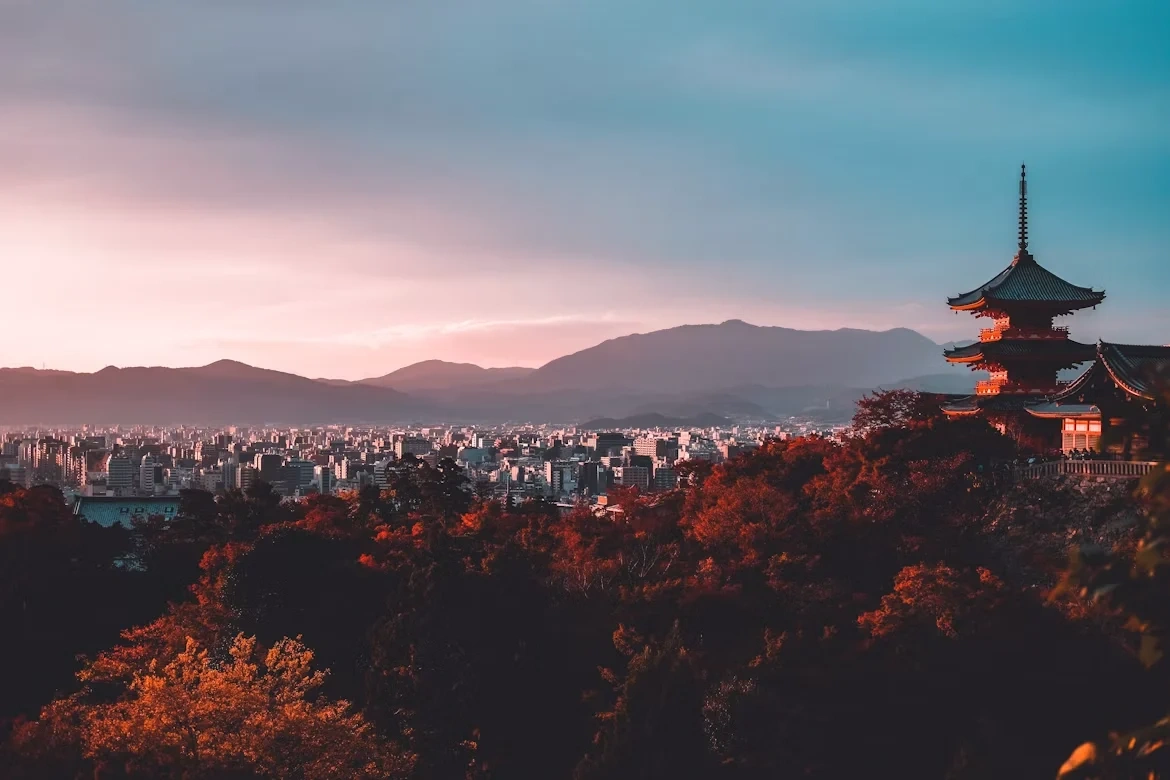
Futuristic Tokyo Lights, Mt. Fuji Scenery, Kyoto Shrines & Blossoms
- Honeymoon
- Family
- Scenic
- Luxury
- Nature
- Culture
Japan, your way.
With time for what matters.
Japan (population 125 million, 4 main islands — Honshu, Hokkaido, Kyushu, and Shikoku — plus 6,852 smaller islands) is the most organised travel destination in Asia and the most culturally distinct from India. Japan does NOT offer visa-on-arrival to Indian passport holders — a tourist visa must be obtained through the Embassy of Japan in New Delhi or consulates in Mumbai/Kolkata/Chennai/Bengaluru.
Is Japan Worth Visiting in 2026?
Why Visit Japan
Japan is the only country where a 1,300-year-old wooden temple, a 320km/h bullet train, a Michelin-starred ramen counter, and a 7-Eleven selling fresh sashimi exist within the same city block. Tokyo is the world's most populous metropolitan area and operates with a precision no other city matches. Kyoto preserves 1,600 Buddhist temples and 400 Shinto shrines inside a fully functioning modern city. Hiroshima's Peace Memorial Museum is the most morally significant single site of the 20th century. Cherry blossom season in late March–April transforms entire cities pink for 7–10 days — a cultural event the Japanese have observed for over 1,000 years. Fushimi Inari's 10,000 vermilion torii gates wind up a forested mountain at a density photographs cannot prepare you for. The ryokan — tatami floor, futon, kaiseki dinner, outdoor onsen — is a lodging format unique to Japan and not found elsewhere. Japan's food culture spans every price point from standing ramen counters to omakase sushi with 6-month waitlists. E-Visa for Indians. Direct flights from Mumbai and Delhi. Best time: March–May and October–November.
Key Features of Japan
Best places to visit in Japan
 01 / Place
Senso-ji Temple
Senso-ji Temple, Asakusa (Tokyo) Tokyo's oldest temple founded in 628 AD, approached through the Kaminarimon gate and Nakamise shopping lane of 89 stalls. At 5am before the tourist circuit begins, the pagoda and incense smoke create the most atmospheric hour in Tokyo. The Asakusa neighbourhood retains more Edo-period street character than any other Tokyo district. 02 / Place
Fushimi Inari Taisha
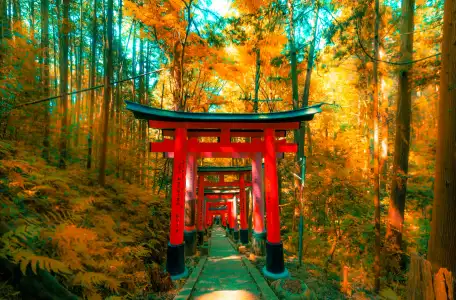
Fushimi Inari Taisha, Kyoto . Ten thousand vermilion torii gates wind 4km up the forested flanks of Mount Inari. The upper trail beyond Yotsutsuji junction carries almost no visitors even on peak days — the same gates, the same filtered cedar-light, the sound of nothing but wind through bamboo. 03 / Place
Hiroshima Peace Memorial Park
The A-Bomb Dome — the only structure within 2km of the 1945 hypocenter to survive partially intact — stands unreconstructed by deliberate UNESCO decision. The Peace Memorial Museum documents August 6, 1945, with exhausting emotional precision across two full buildings. 04 / Place
Philosopher's Path, Kyoto
A 2km canal-side path lined with 450 cherry trees connecting Nanzen-ji to Ginkaku-ji. During the first-to-second week of April at peak bloom it becomes the most photographed single hanami location in Japan. 05 / Place
Todai-ji Temple + Nara Deer Park
The Great Buddha Hall is the world's largest wooden building, housing a 15m bronze Vairocana Buddha cast in 751 AD. The surrounding park contains 1,200 wild sika deer — sacred since 768 AD, trained to bow for shika senbei crackers, roaming freely between temple precincts and streets.Senso-ji Temple, Asakusa (Tokyo) Tokyo's oldest temple founded in 628 AD, approached through the Kaminarimon gate and Nakamise shopping lane of 89 stalls. At 5am before the tourist circuit begins, the pagoda and incense smoke create the most atmospheric hour in Tokyo. The Asakusa neighbourhood retains more Edo-period street character than any other Tokyo district.
Fushimi Inari Taisha, Kyoto. Ten thousand vermilion torii gates wind 4km up the forested flanks of Mount Inari. The upper trail beyond Yotsutsuji junction carries almost no visitors even on peak days — the same gates, the same filtered cedar-light, the sound of nothing but wind through bamboo.
The A-Bomb Dome — the only structure within 2km of the 1945 hypocenter to survive partially intact — stands unreconstructed by deliberate UNESCO decision. The Peace Memorial Museum documents August 6, 1945, with exhausting emotional precision across two full buildings.
A 2km canal-side path lined with 450 cherry trees connecting Nanzen-ji to Ginkaku-ji. During the first-to-second week of April at peak bloom it becomes the most photographed single hanami location in Japan.
The Great Buddha Hall is the world's largest wooden building, housing a 15m bronze Vairocana Buddha cast in 751 AD. The surrounding park contains 1,200 wild sika deer — sacred since 768 AD, trained to bow for shika senbei crackers, roaming freely between temple precincts and streets.
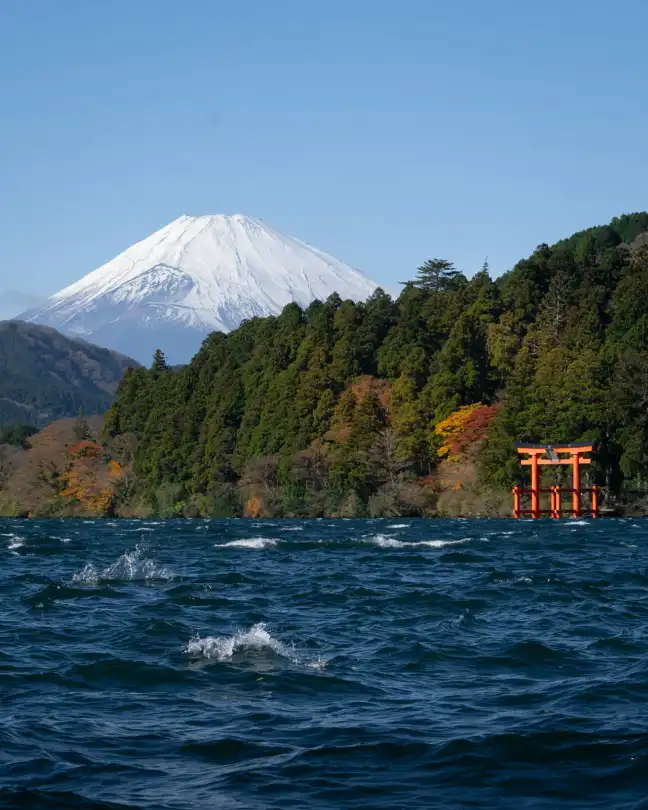
A mountain onsen resort 90 minutes from Shinjuku by Romancecar Limited Express. Lake Ashi's Hakone Shrine torii at water level frames Mount Fuji directly behind it on clear mornings. An overnight ryokan with outdoor onsen and kaiseki dinner is the most complete single Japan cultural experience in 24 hours.
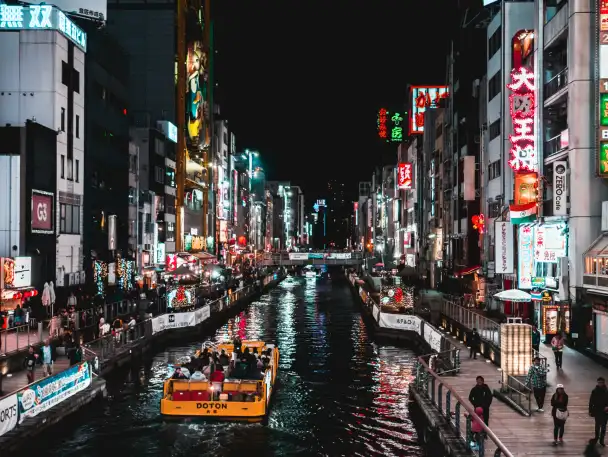
Osaka's most concentrated kilometre — the Glico Running Man neon sign, giant mechanical crab, Ichiran Ramen solo booths, takoyaki stalls. At 8pm Dotonbori is the most visually overwhelming single street experience in Japan.
A 30-minute JR ferry from Hiroshima brings you to an island where free-roaming deer and the O-torii gate built directly in the Seto Inland Sea have coexisted since the 6th century. At high tide the vermillion gate appears to float.
One of Japan's three celebrated landscape gardens has been maintained since the 1600s. Kanazawa preserves more feudal-era character than any Japanese city outside Kyoto at a fraction of the tourist density — the Higashi Chaya geisha district and 21st Century Museum of Contemporary Art complete the circuit.
Best Time to Visit Japan
Japan trips,
ready to personalise.
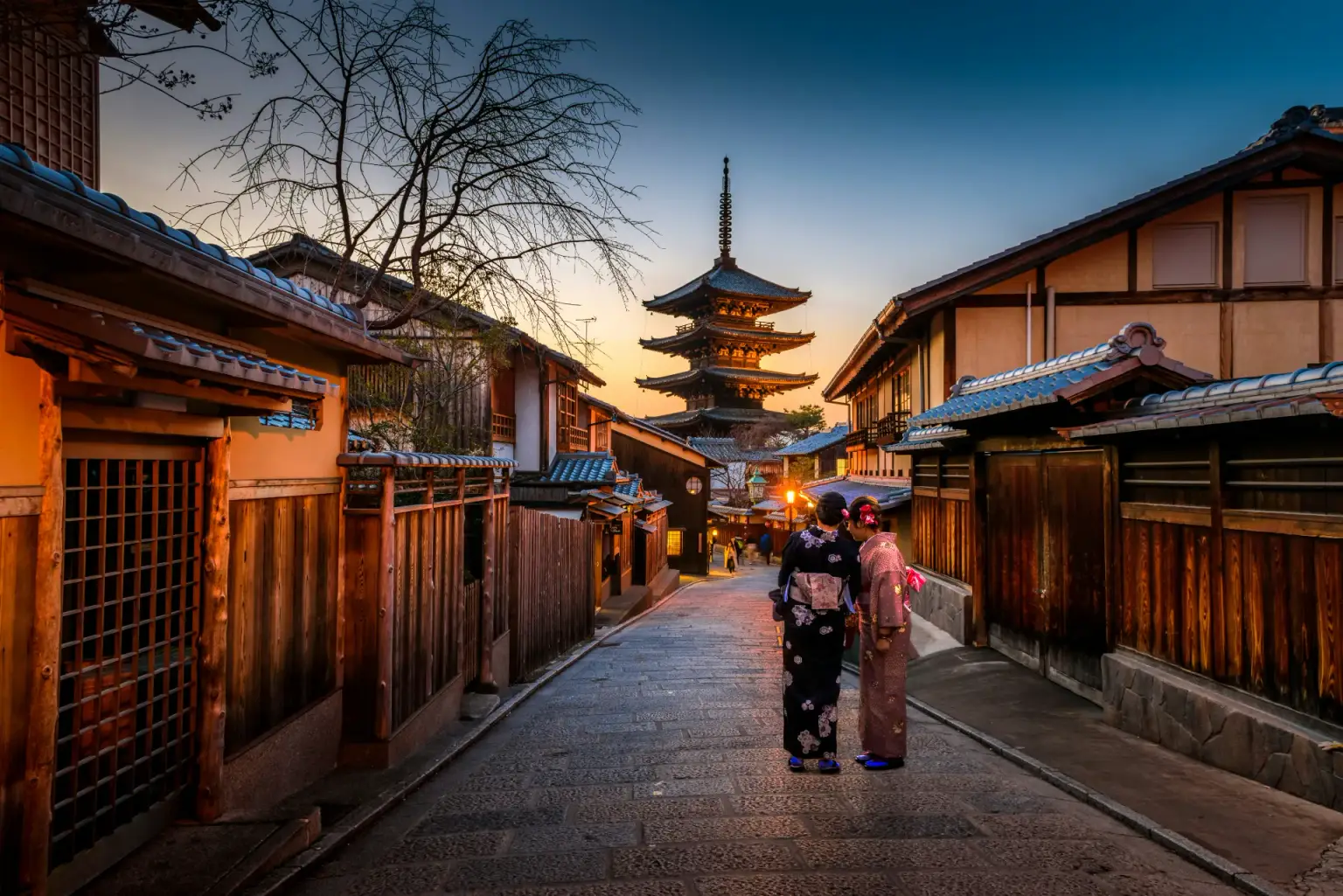 9D / 8N
Japan Cherry Blossom Tour
Tokyo, Mount Fuji, Kyoto, Osaka, Kawaguchiko
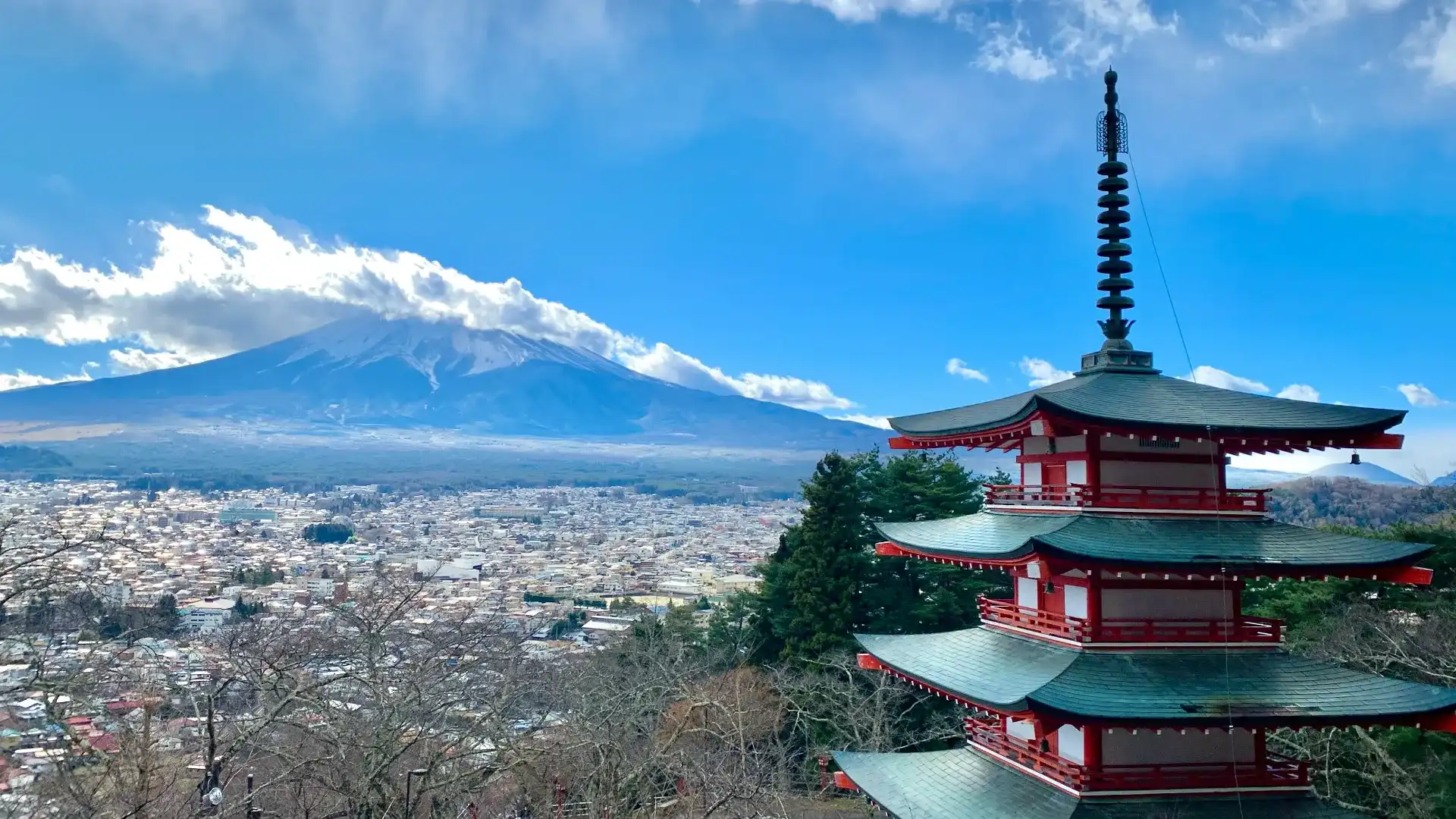 12D / 11N
Japan & South Korea Tour Package
Tokyo, Kyoto, Osaka, Seoul
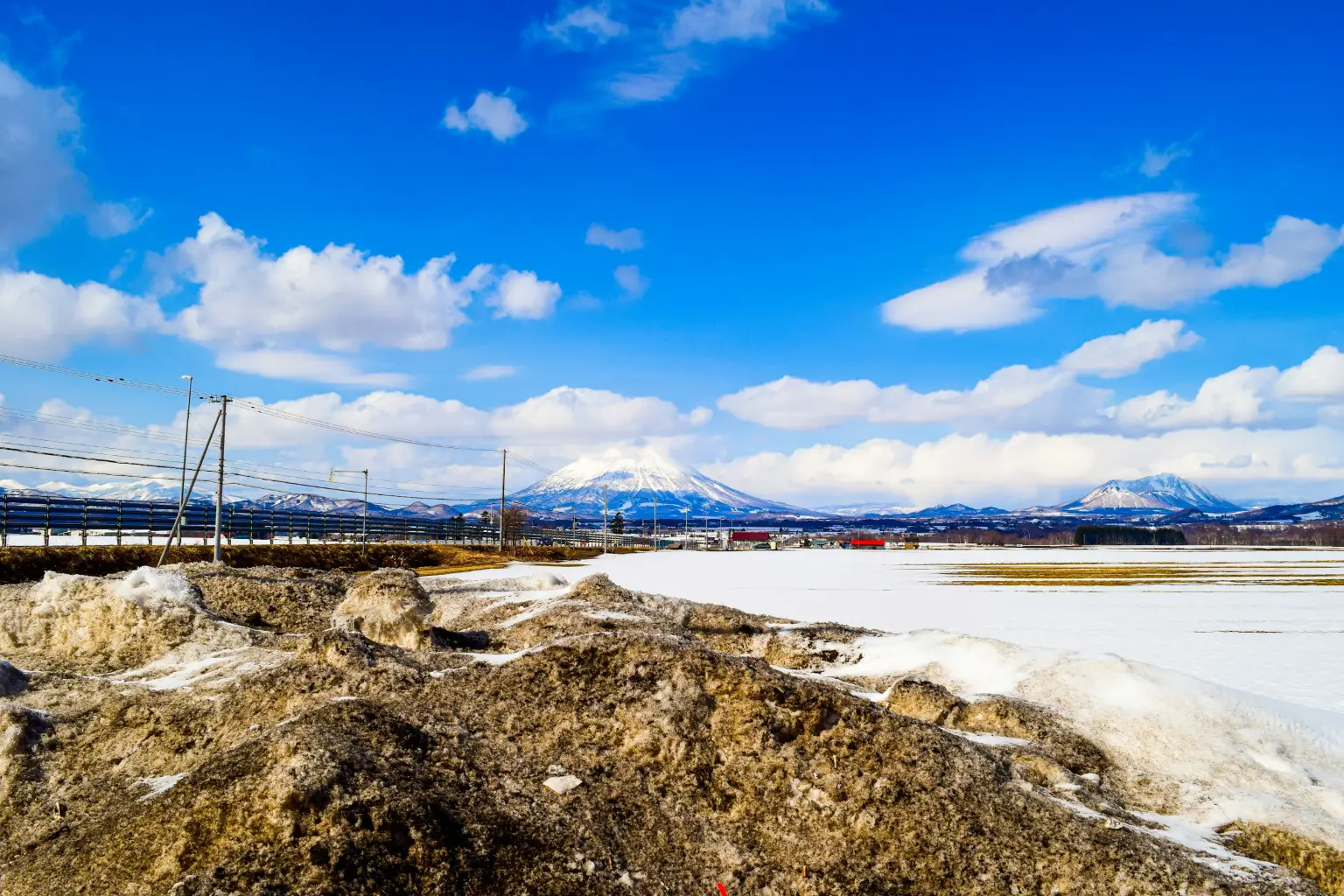 8D / 7N
Hokkaido Snow Tour
Sapporo, Niseko, Otaru
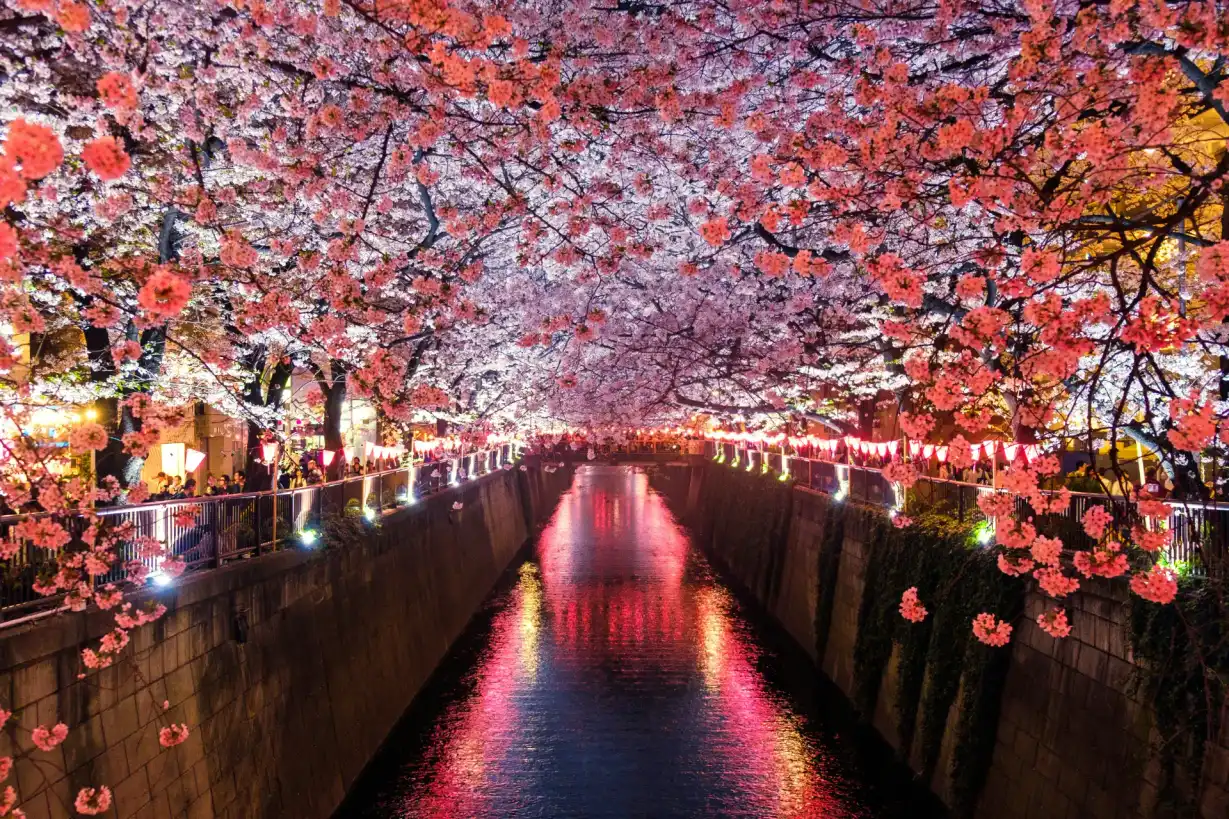 8D / 7N
Japan Family & Theme Parks Tour
Tokyo, Osaka, Kyoto
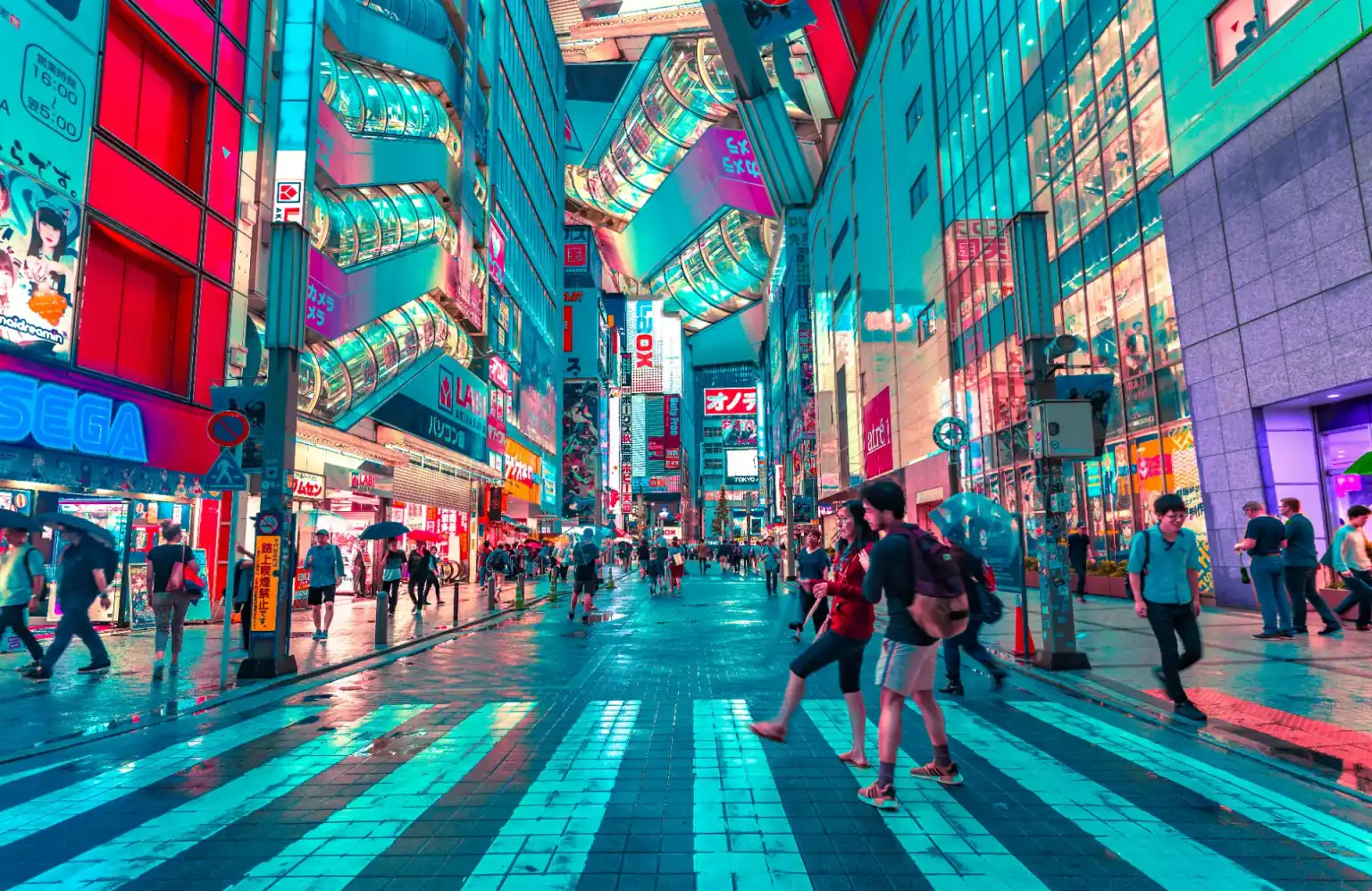 9D / 8N
Japan Autumn Colours Tour Package
Tokyo, Kyoto, Osaka, Nara
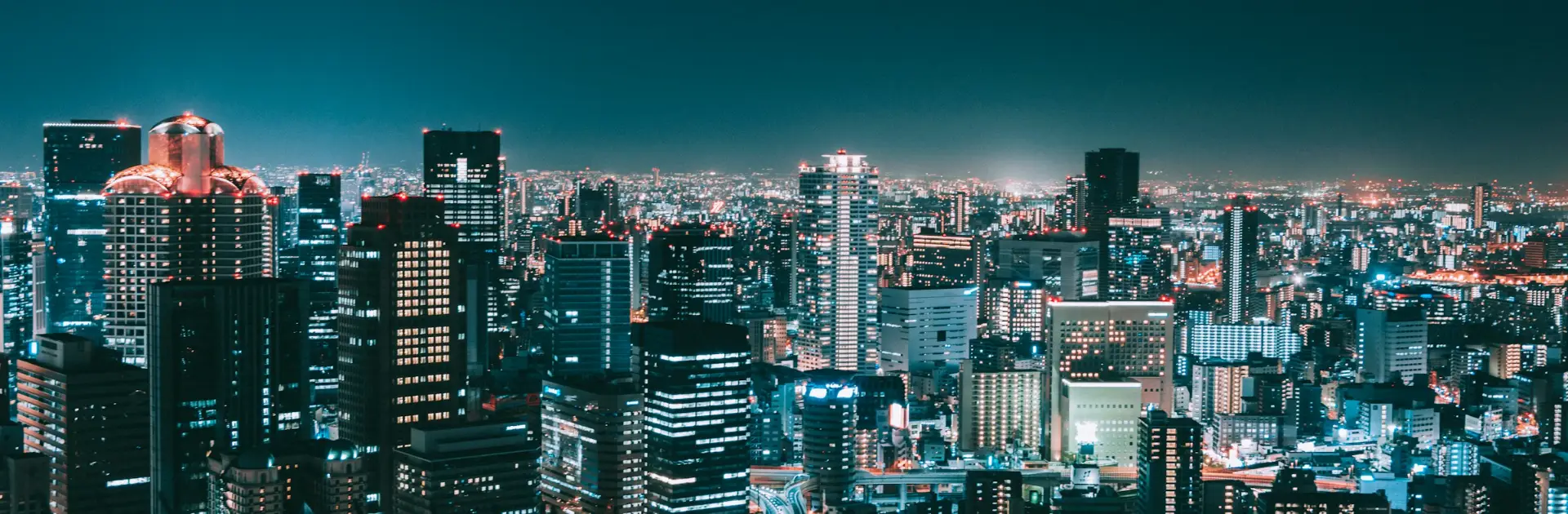 6D / 5N
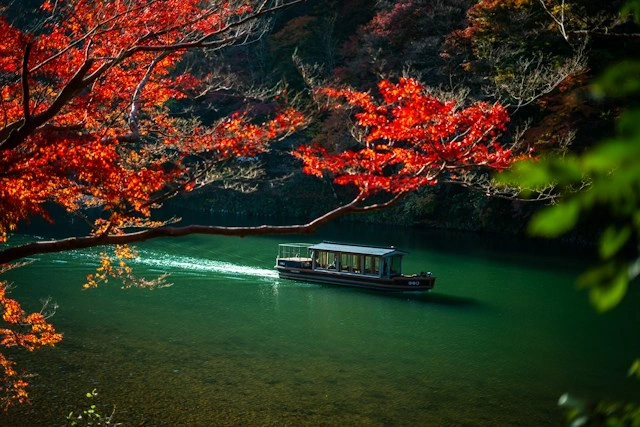 4D / 3N
Japan Honeymoon Tour
Tokyo,Lake Kawaguchiko, Kyoto, Osaka,Shibuya Sky
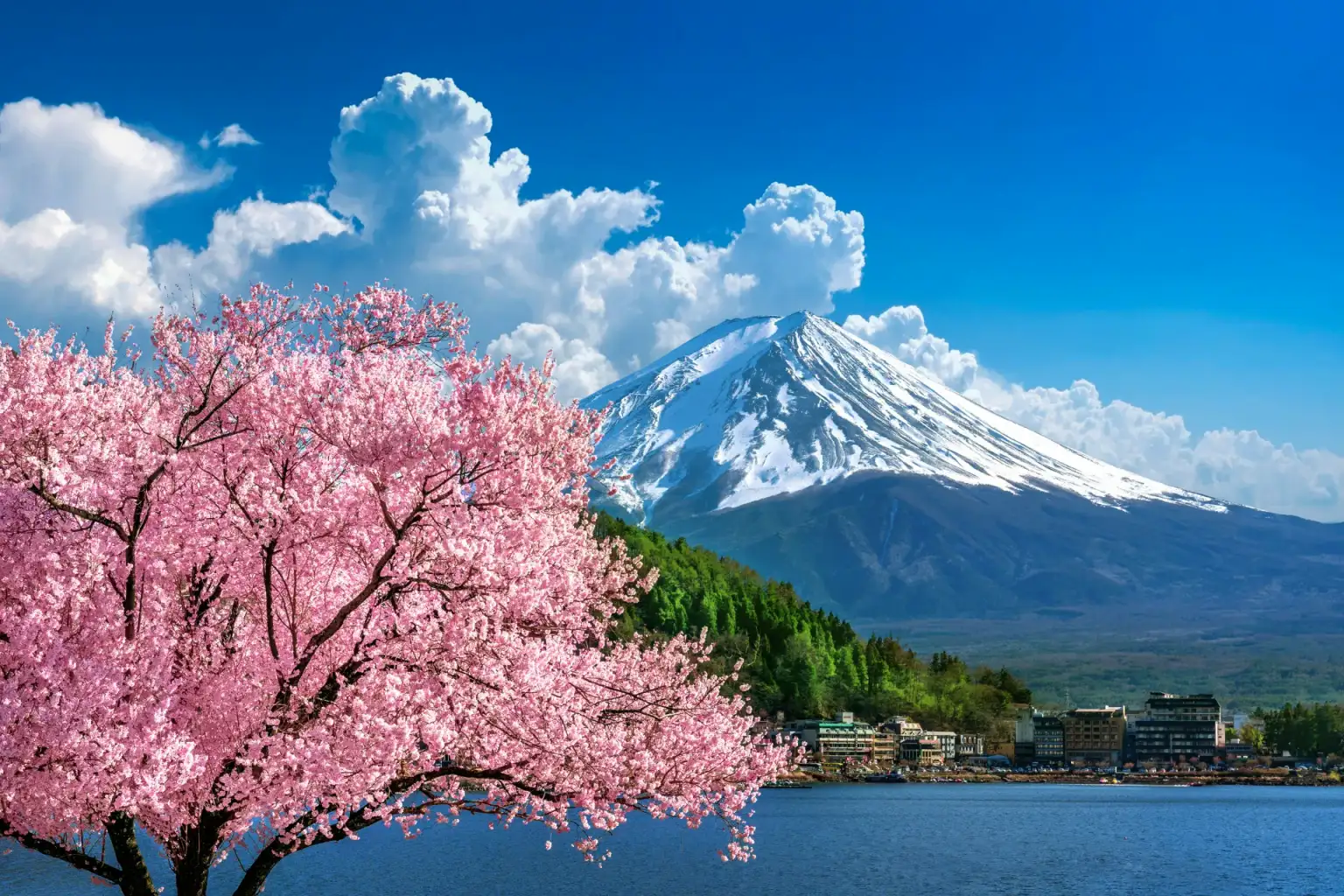 8D / 7N
 9D / 8N
Japan Golden Route Tour
Tokyo, Hakone, Kyoto, Osaka
Japan experiencesTop Things to Do in Japan
Senso-ji Temple 5am Dawn Walk — Tokyo's Oldest Temple
Insider tip
Fushimi Inari Taisha 5am Upper Trail — 10,000 Torii Gates
Insider tip
Philosopher's Path Peak Bloom 7am — Kyoto Sakura Walk
Insider tip
Hakone Ryokan Overnight + Lake Ashi Mt Fuji Dawn
The mandatory once-per-Japan-trip experience. Romancecar Limited Express from Shinjuku to Hakone-Yumoto. Ryokan check-in at 3 pm: kaiseki dinner (multi-course seasonal Japanese), yukata (cotton robe) for relaxing in the ryokan, outdoor onsen (rotenburo) with a mountain view, traditional futon bedding on tatami. Morning: walk or bus to Lake Ashi by 6:30 am. Mt Fuji is visible behind Lake Ashi on clear April mornings (60% probability — check forecast). Hakone Shrine red torii gate at water level — the iconic Fuji + torii + lake composition. Best photographed before 9 am, when the wind develops on the lake surface.
Insider tip
Peace Memorial Museum Hiroshima — 2 Hours Minimum
Insider tip
Tsukiji Outer Market 6am Tokyo Food Tour
Insider tip
Nara Day Trip — Sika Deer + Todai-ji
Insider tip
Shibuya Crossing Observation — World's Busiest Pedestrian
Insider tip
Arashiyama Bamboo Grove + Tenryu-ji 6:30am
Insider tip
Sample Itineraries for Japan
See how each trip is paced, from arrival to departure. These are sample day-by-day plans; we tailor the dates and details.
Japan Quick — 7 Days (Tokyo + Kyoto + Hakone)
- Day 1Narita/Haneda → Asakusa hotel → Shinjuku eveningArrive Narita (NRT) or Haneda (HND). Pick up Pocket Wi-Fi + Suica card at airport. Hotel check-in at Asakusa for first-night cultural orientation. Afternoon: Senso-ji Temple + Nakamise lane + Sumida River walk. Evening: Shinjuku for first dinner — Omoide Yokocho (Memory Lane) yakitori alleys + Robot Restaurant area + skyscraper observation from Tokyo Metropolitan Government Building (free 45F observation deck). Sleep early — jetlag and 5am Senso-ji tomorrow.
Advice
JR Pass activation at Narita JR counter (must be done before first JR ride). Suica/Pasmo IC card at any station machine (₹200 deposit + load ₹3,000-5,000 Yen). Pocket Wi-Fi rental at Narita/Haneda IIJmio/Ninja Wi-Fi counter (₹800-1,200/day, connects 5-10 devices). Hotel: Asakusa for first night allows 5am Senso-ji next morning walking distance. Toyoko Inn Asakusa ₹4,000-5,500/night. - Day 2Asakusa → Shinjuku → Harajuku → ShibuyaSenso-ji Temple 5am dawn walk (45 min). Breakfast at Yoroiya tonkotsu ramen 7am. JR Yamanote Line to Shinjuku (25 min). Shinjuku Gyoen 9am opening (₹500 entry, 58 hectares, 1,500 cherry trees, best Tokyo hanami). Pack 100-yen shop tarpaulin and sit under trees with bento for 1-2 hours (proper hanami participation). Harajuku Takeshita Street + Meiji Shrine 1pm. Shibuya Crossing observation from Mag's Park rooftop ₹1,500 at 8pm peak rush. Ichiran Ramen Shibuya 9pm dinner.
Advice
Shinjuku Gyoen: April peak bloom requires arrival at 9am opening — by 11am the park is densely populated. Sit under any tree on tarpaulin (the Japanese hanami format) — this IS the cultural participation, not the photographing-and-moving-on. Avoid Tokyo Metro rush hour 7:30-9am + 6-8pm (trains physically packed). Use Yamanote Line (JR Pass covers) for Shinjuku-Harajuku-Shibuya. Women-only carriages pink-marked at platform. - Day 3Tsukiji → Azabudai Hills → Ueno → Akihabara
Tsukiji Outer Market 6 am food tour (otoro tuna + tamagoyaki + uni rice). TeamLab Borderless at Azabudai Hills, 11 am. Lunch at Toranomon Hills food court. Ueno Park, afternoon 2 pm for hanami second session (largest hanami in Japan, more local-attended than Shinjuku Gyoen). Akihabara evening (Electric Town — electronics + manga + maid cafés + retro game arcades). Don Quijote Akihabara for souvenirs.
Advice
Teamlab Borderless: book tickets 1-2 weeks ahead at teamlab.art — sells out daily in April peak season. Ueno Park hanami is the most authentically local — the salaryman office-group hanami parties extend until midnight under the trees. Akihabara: avoid maid cafés (cultural-tourism trap with overpriced drinks ₹2,000-4,000); focus on Yodobashi Camera (9-floor electronics) + Mandarake (used manga + figures) + Super Potato (retro video games). Don Quijote for tax-free shopping (passport required, 5% off above ₹4,500 spend). - Day 4Shinjuku → Hakone-Yumoto → Lake Ashi
Pack overnight bag (leave main luggage at Tokyo hotel — most hotels store it free for ryokan night). Romancecar Limited Express Shinjuku 1 pm → Hakone-Yumoto 2:30 pm. Ryokan check-in 3 pm. Hakone Open-Air Museum 4 pm (sculpture gardens + Picasso Pavilion). Onsen 5:30 pm. Kaiseki dinner 7 pm (8-12 courses). Yukata evening walk. Sleep at 10 pm.
Advice
Romancecar reservation required (additional ₹1,000 over JR Pass). Booking via Odakyu website 2-3 weeks ahead. Hakone Free Pass (₹5,000) covers all Hakone area transport — bus + boat + cable car + Hakone Tozan train. Ryokan: tattoos visible — book ryokan with private in-room onsen OR ryokan that accepts tattoos (Yamaga + Yoshimatsu accept). Verify before booking. Kaiseki vegetarian: request 3-5 days ahead — ryokan can prepare shojin ryori (Buddhist temple cuisine) version. - Day 5Hakone Lake Ashi → Odawara → Shinkansen Kyoto
Wake at 5:30 am. Lake Ashi by 6:30 am (bus or walk). Mt Fuji + Hakone Shrine red torii photograph 7 am (clear April morning best). Ryokan breakfast 8 am (Japanese breakfast: grilled fish + miso soup + tamagoyaki + rice + pickled vegetables). Check out at 10 am. Bus to Odawara Station at 11 am. Shinkansen Hikari Odawara → Kyoto 12 pm (1 hr 50 min). Kyoto check-in 2 pm. Afternoon: Kiyomizudera Temple + Sannenzaka stone path (Higashiyama heritage district). Evening: Gion district + Hanamikoji Street 8 pm walk.
Advice
Mt Fuji visibility in April: 60% probability on clear mornings. Check tenki.jp Hakone weather forecast night before. Bring telephoto lens (200mm+) for Fuji-torii compression composition. Shinkansen Hikari: covered by JR Pass (Nozomi/Mizuho NOT covered — confirm Hikari/Sakura/Kodama when booking). Kyoto accommodation: book Gion-Higashiyama area for cultural immersion or Kyoto Station area for transport convenience. April Kyoto hotels book 3-4 months ahead. - Day 6Fushimi Inari → Philosopher's Path → Arashiyama
Fushimi Inari Taisha 5 am upper trail (10,000 torii gates, no crowds, 90 min full circuit). Return to central Kyoto by 8 am. Breakfast. Philosopher's Path 9 am — peak bloom second week of April, 2km walk from Nanzen-ji to Ginkaku-ji. Lunch at canal-side café. Arashiyama 1 pm (Sagano bamboo grove if not at 6:30 am yesterday, OR Tenryu-ji + Togetsukyo Bridge + Iwatayama Monkey Park). Return to central Kyoto at 5 pm. Pontocho alley dinner — Kamogawa River-facing restaurants, traditional Kyoto dining.
Advice
Fushimi Inari: 5am genuinely empty. By 7am: 100+ visitors lower trail. By 9am: 500+ visitors. The 5am-7am window is the only un-crowded Fushimi Inari experience available. Upper trail 40-min climb to Yotsutsuji intersection — moderate fitness required. Philosopher's Path: pack tarpaulin for hanami sit-down (Japanese hanami format is sit + eat + drink under trees for hours). Pontocho alley: book Kyoto kaiseki restaurant 3-5 days ahead via concierge. - Day 7Kinkaku-ji → Nijo Castle → KIX departure
Kinkaku-ji (Golden Pavilion) 8:30 am opening, Nijo Castle 10 am, Nishiki Market 12 pm (Kyoto kitchen — 100+ food stalls, sashimi + dashimaki tamago + Kyoto pickles + matcha sweets). Lunch at Nishiki. Shinkansen Kyoto → Shin-Osaka 14 min. Haruka Express to Kansai International Airport (KIX) 50 min. Return flight evening.
Advice
Kinkaku-ji: visit at 8:30am opening — by 10am tour bus crowds make pond-reflection photograph difficult. April: cherry trees adjacent to pavilion add pink-gold compositions. Nishiki Market: do food sampling rather than full meal — most stalls offer ₹200-500 small portions for walking-and-eating. Haruka Express: covered by JR Pass for KIX transfer. Allow 3 hours before international flight (KIX check-in + security + immigration).

Japan Popular — 10 Days
- Day 1Narita/Haneda → Asakusa hotelArrive Tokyo. Pocket Wi-Fi + Suica card pickup. Asakusa hotel check-in. Afternoon: Senso-ji Temple + Nakamise lane + Sumida River. Evening: Shinjuku Memory Lane yakitori dinner + Tokyo Metropolitan Government Building free observation 45F (Tokyo panorama at sunset 6pm).
Advice
First night Asakusa allows 5am Senso-ji walking distance next morning. Jetlag from India: aim for 10pm sleep to wake naturally 4:30am for dawn temple walk. - Day 2Asakusa → Shinjuku → Harajuku → ShibuyaSenso-ji 5am dawn walk. Shinjuku Gyoen 9am hanami (sit-down format with tarpaulin from 100-yen shop). Harajuku Takeshita Street + Meiji Shrine. Shibuya Crossing 8pm from Mag's Park rooftop. Ichiran Ramen dinner.
Advice
Senso-ji 5am is non-negotiable for the un-crowded Tokyo cultural moment. Shinjuku Gyoen April peak: arrive 9am opening to claim hanami spot. - Day 3Tsukiji → Azabudai Hills → Ueno → Akihabara
Tsukiji 6 am food tour. Teamlab Borderless 11am (book ahead). Ueno Park afternoon hanami (most local-attended in Tokyo). Akihabara evening.
Advice
Teamlab tickets: book 1-2 weeks ahead at teamlab.art. Ueno Park: most authentically local hanami in Tokyo — observe the office-group salaryman parties. - Day 4Asakusa → Nikko → Tokyo
Tobu Nikko Line from Asakusa 8 am (2 hrs to Nikko). Tosho-gu Shrine (1617 CE, extravagant gold lacquer mausoleum of Tokugawa Ieyasu). Kegon Falls 97m (Chuzenji Lake area). Return to Tokyo at 6 pm. Final Tokyo dinner.
Advice
Nikko: Tobu Nikko All-Pass (₹3,500) covers train + buses + temple entry combinations. Spectacular UNESCO World Heritage site often skipped by tourists — undervalued day trip from Tokyo. - Day 5Shinjuku Romancecar → HakoneRomancecar Shinjuku 1pm → Hakone-Yumoto. Ryokan check-in. Hakone Open-Air Museum. Onsen + kaiseki dinner + yukata + futon.
Advice
Leave main luggage at Tokyo hotel (free storage). Romancecar reservation: book ahead 2-3 weeks. Hakone Free Pass for area transport. - Day 6Hakone Lake Ashi → Odawara → Shinkansen Kyoto
Lake Ashi 6:30 am Mt Fuji + Hakone Shrine torii. Ryokan breakfast. Shinkansen Hikari Odawara → Kyoto. Afternoon: Philosopher's Path peak bloom. Evening: Gion district 8pm walk Hanamikoji Street.
Advice
Mt Fuji visibility April: 60% clear mornings. Bring 200mm+ telephoto for Fuji-torii compression. Philosopher's Path: 7am for un-crowded canal reflection (return tomorrow morning if today afternoon is too crowded). - Day 7Fushimi Inari → Kinkaku-ji → ArashiyamaFushimi Inari 5am upper trail. Kinkaku-ji 9am. Arashiyama bamboo grove + Tenryu-ji + Iwatayama Monkey Park. Return central Kyoto. Pontocho alley dinner.
Advice
Fushimi Inari 5am genuinely empty until 7am. Arashiyama: bamboo grove at 6:30am tomorrow if not done today (combine with Sagano Romantic Train April-May ₹800). - Day 8Kyoto → Nara → KyotoNara JR 45 min. Todai-ji + Great Buddha + Nara Park 1,200 sika deer (buy deer crackers, receive bow). Kasuga Grand Shrine 1,000+ lanterns. Return Kyoto. Evening: Kiyomizudera Temple at dusk (illuminated April nights).
Advice
Nara most efficient day trip from Kyoto. Hold deer crackers above head if multiple deer surround you. Kiyomizudera April spring illumination evenings (₹400 entry) — Higashiyama district at dusk. - Day 9Kyoto → Hiroshima → Miyajima → OsakaShinkansen Kyoto → Hiroshima (1 hr 30 min). Peace Memorial Museum 2-3 hours. A-Bomb Dome. Ferry Miyajima: O-torii gate + Itsukushima Shrine + Miyajima deer. Return Hiroshima. Shinkansen Hiroshima → Osaka 1 hr 30 min. Osaka hotel check-in.
Advice
Day 9 is emotionally and physically demanding — 2 Shinkansen rides + Peace Museum 2-3 hours + Miyajima ferry. Lunch lightly (post-museum). Miyajima tide times: check before departure for floating vs walkable torii moment. - Day 10Osaka Castle → Dotonbori → Kansai AirportMorning: Osaka Castle Park (600 cherry trees in moat zone, arrive before 10am). Dotonbori canal walk. Kuromon Ichiba Market lunch (uni on rice + king crab legs). Haruka Express to KIX. Return flight evening.
Advice
Osaka Castle Park 8am: cherry trees in moat zone at maximum bloom + minimal crowds. Dotonbori 12pm: peak food activity at takoyaki/okonomiyaki stalls. Allow 3 hours before international flight (KIX check-in/security/immigration).

Japan Complete — 14 Days (+ Hokkaido or Tohoku)
- Day 1Narita/Haneda → AsakusaArrival + Pocket Wi-Fi + Suica + hotel check-in + Senso-ji evening.
Advice
Standard Tokyo arrival day. - Day 2Tokyo centralSenso-ji 5am + Shinjuku Gyoen + Harajuku + Shibuya.
Advice
Tokyo day 1 standard circuit. - Day 3Tokyo centralTsukiji 6am + Teamlab + Ueno hanami + Akihabara evening.
Advice
Tokyo day 2 standard circuit. - Day 4Tokyo → Nikko → TokyoTobu Nikko Line. Tosho-gu Shrine + Kegon Falls.
Advice
Nikko UNESCO World Heritage day trip. - Day 5Shinjuku Romancecar → HakoneRomancecar + ryokan + kaiseki + onsen.
Advice
Hakone overnight mandatory once on Japan trip. - Day 6Hakone → Odawara → Shinkansen KyotoLake Ashi Mt Fuji + Shinkansen + Kyoto check-in + Philosopher's Path.
Advice
Mt Fuji dawn photograph if clear morning. - Day 7Kyoto centralStandard Kyoto temple circuit.
Advice
5am Fushimi Inari is the critical timing. - Day 8Kyoto → Nara → KyotoTodai-ji + deer park + Kasuga Shrine.
Advice
Nara day trip from Kyoto base. - Day 9Kyoto → Hiroshima → Miyajima → OsakaPeace Memorial Museum + A-Bomb Dome + Miyajima O-torii.
Advice
Most emotionally demanding day of circuit. - Day 10Osaka full dayOsaka Castle Park + Dotonbori + Kuromon Market + Shinsekai + Universal Studios optional.
Advice
Full Osaka day allows USJ Nintendo World if booked ahead. - Day 11Shinkansen northShinkansen Osaka → Sendai (4 hrs) for Tohoku OR Shinkansen → Sapporo (8 hrs via Hokkaido Shinkansen, requires extension or flight option). Late-season sakura in Tohoku third-fourth week April.
Advice
14-day JR Pass essential for northern extension. Sapporo by flight from Osaka KIX faster (2 hrs vs 8 hrs Shinkansen). Tohoku less crowded than Kyoto for sakura. - Day 12Northern JapanTohoku: Hirosaki Castle Park (2,500 cherry trees, most spectacular sakura in Tohoku, late April). Hokkaido: Sapporo Odori Park + Mt Moiwa cable car + Hokkaido seafood at Nijo Market.
Advice
Hirosaki Castle Park sakura is the post-Kyoto destination for sakura enthusiasts. Hokkaido sakura blooms early May — visit in late April catches early bloom in Sapporo. - Day 13North → TokyoShinkansen back to Tokyo. Final Tokyo afternoon + dinner. Final shopping at Ginza or Shibuya. Akihabara electronics farewell.
Advice
Allow rest day before departure flight. - Day 14Tokyo → Narita/HanedaFinal morning + airport transfer 3 hours before flight. Return Pocket Wi-Fi at airport counter. Tax refund processing if eligible (Don Quijote bulk purchases).
Advice
Tax refund (5-8%): show receipts + passport at airport tax refund counter. Allow 30-45 min for refund processing.
Where to Stay in Japan
Tokyo Central (Shinjuku/Shibuya Hub)
Kyoto Gion-Higashiyama (Heritage District)
Osaka Namba/Dotonbori (Food Capital)
Hakone Onsen (Mt Fuji Gateway)
Travel Costs for Japan
Budget
₹4,500–₹7,000Money-saving travel- Stay
- Capsule hotels Tokyo/Osaka (₹1,500-3,000/night) · Business hotels Toyoko Inn/Dormy Inn/APA (₹3,500-5,500/night). Ryokan basic single night (₹8,000-12,000). No private bathroom in capsule.
- Food
- Convenience store + 1 ramen/udon meal ₹600–₹1,500
- Getting around
- JR Pass + IC Card (pre-bought)
Mid-range
₹10,000–₩15,000Comfortable everyday travel- Stay
- 3-star business hotels (₹5,500-9,000/night) · Mid-range ryokan one night (₹15,000-25,000 including kaiseki + onsen + breakfast) · Kyoto machiya townhouse rental 3+ nights
- Food
- 2 restaurant meals/day ₹2,000–₹5,000
- Getting around
- JR Pass + local IC Card
PREMIUM
₹22,000–₩40,000per person, per day- Stay
- 4-5 star Tokyo hotels (₹15,000-25,000/night) · Premium ryokan (Gora Kadan, Hakone Ginyu ₹40,000-80,000/night) · Tawaraya/Hiiragiya Kyoto (₹50,000-100,000+/night)
- Food
- Fine dining + 1 omakase counter ₹6,000–₹15,000
- Getting around
- JR Pass Green class + private transfers
Luxury
₹60,000+Premium comfort- Stay
- Aman Tokyo + Park Hyatt Tokyo + Ritz-Carlton Kyoto + Hoshinoya Tokyo (₹35,000-80,000+/night). Aman Tokyo ₹1,00,000+/night. Hoshinoya Kyoto traditional luxury ryokan ₹85,000+/night.
- Food
- Michelin counter dining ₹15,000–₹40,000
- Getting around
- Private vehicle, Shinkansen Green, helicopter to Fuji
How to Get to Japan & Get Around"
How to reach Japan and how to get around once you are there: the routes, how long they take and what they cost.
Plan your route ↗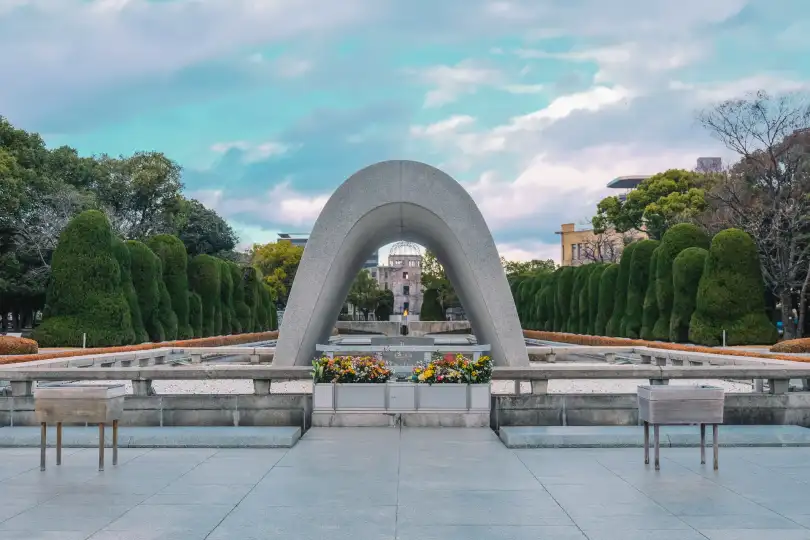 4 ways to travel
By Plane
Air India Direct (Delhi-Tokyo)- Only current direct India-Japan service. Delhi (DEL) → Tokyo Narita (NRT) 9 hours direct. 4-5 flights/week. Book 3-4 months in advance for the best fares.
ANA + JAL (One-Stop Premium) All Nippon Airways (ANA): Delhi/Mumbai via Bangkok or Singapore to Tokyo HND. Premium service, most reliable Japan carrier.
Japan Airlines (JAL): Mumbai/Delhi via Kuala Lumpur or Bangkok. Codeshare with British Airways. Both ANA and JAL offer the most authentic Japanese-airline experience — Japanese cabin crew + Japanese cuisine onboard + cultural orientation begins in flight.
Emirates / Singapore Airlines / Thai (1-Stop Standard) - Emirates via Dubai: Mumbai/Delhi → Dubai → Tokyo NRT. 14-16 hrs total. Good if combining UAE stopover.
Singapore Airlines via SIN: all major Indian cities → Singapore → Tokyo/Osaka. Best inflight quality.
Thai Airways via Bangkok: Mumbai/Delhi/Chennai → Bangkok → Tokyo or Osaka. Budget option with full service.April peak: book 3-4 months ahead for these fares.
By Shinkansen (within Japan)
The JR Pass (purchased before arriving in Japan at jrpass.com) covers unlimited travel on all JR Shinkansen services except Nozomi and Mizuho. Tokyo to Kyoto: 2 hrs 15 min. Tokyo to Hiroshima: 4 hrs. Osaka to Hiroshima: 85 min. The Shinkansen is the primary way to move between cities — reliable to the second, no check-in, no luggage restriction.
By Highway Bus (intercity)
JR Bus and Willer Express highway buses connect all major cities at a lower cost than the Shinkansen. Tokyo to Osaka overnight runs approximately 8–9 hours. Useful for budget travellers, those without a JR Pass, and routes not served by Shinkansen. Most overnight buses have reclining seats, USB charging, and blankets.
By Ferry (international connections)
International ferry services connect Japan to South Korea and China. The Busan–Fukuoka hydrofoil (Beetle service) takes 3 hours — popular for travellers combining Japan and Korea. Shanghai–Osaka/Kobe ferries take 48 hours and are used primarily for long-stay or budget itineraries. Domestic ferries also connect Japan's main islands to smaller archipelagos, including Okinawa and Amami.
Japan Travel Tips
Japan is still primarily a cash society — many smaller restaurants, local shrines, onsen, and market stalls are cash-only even in 2025; withdraw Yen from Japan Post Bank or 7-Eleven ATMs (both accept international cards reliably) immediately on arrival.
IC cards (Suica, Pasmo) work on all public transport in Tokyo, Osaka, and Kyoto — and also at most convenience stores, vending machines, and station restaurants; load at arrival and refill as needed.
Japan experiences frequent earthquakes — familiarise yourself with your hotel's emergency procedure on check-in; in the event of a quake, drop, cover, hold on; do not run outside during shaking.
Solo female travellers: women-only train carriages operate on most major lines during peak hours — marked with pink signage at the platform; designated during 7–9 am and 5–9 pm on weekdays.
Do not eat or drink while walking in Japan — eating on the move is considered rude; buy from convenience stores and eat at the designated standing area near the counter or find a bench.
Tattoos are prohibited at most Japanese onsen — not negotiable at traditional bathhouses; private-bath onsen (kashikiri) can be booked by tattooed visitors specifically for this reason.
Suspicious bars in Tokyo's Kabukicho and Osaka's Dotonbori where friendly strangers invite you in — drinks cost many thousands of yen each and the bill reaches tens of thousands; any unsolicited bar invitation should be declined.
Fake JR Pass sellers online — the JR Pass is only sold through authorised agents listed at jrpass.com; discounted passes on unofficial sites are counterfeit and will be rejected at JR stations.
Taxi drivers taking longer routes in unfamiliar cities — use Google Maps to verify the route before departure and know the correct direction; most Japanese taxi drivers are honest but errors occur.
What is worth it,
and what to avoid.
Last reviewed 2026-07-02.
- Fushimi Inari at 5am10 people at upper trail vs 3,000 at 10am. Most critical dawn in any Japan itinerary.
- JR Pass (7-day or 14-day)Calculates positively on Tokyo–Kyoto–Osaka–Hiroshima circuit. Verify specific route before buying.
- Ryokan overnight (Hakone or Kinosaki Onsen)Kaiseki dinner + outdoor onsen + tatami. Non-negotiable single Japan experience.
- Tsukiji Outer Market at 6:30amFresh tuna sashimi breakfast at a standing counter. Supply depletes by 8am. Most specifically Tokyo food moment.
- Nikko as Tokyo day tripMost ornately decorated Shinto shrine in Japan. 2 hours from Asakusa. Most underrated single day excursion from Tokyo.
- Hiroshima + Miyajima in one dayPeace Memorial Museum + A-Bomb Dome + tidal torii gate. Two most historically specific Japan moments combined.
- Kanazawa over Kyoto (for crafts)Same preserved feudal character. Fraction of Kyoto tourist density. Kenroku-en + Higashi Chaya + gold leaf craft workshops.
- Visa-on-arrival assumption for Japan. Japan does NOT offer VOA to Indian passport holders. Tourist visa MANDATORY through Embassy of Japan Delhi or consulates Mumbai/Kolkata/Chennai/Bengaluru OR authorised agents (SOTC/Thomas Cook/MakeMyTrip Japan Visa). Apply minimum 4 weeks before travel. ₹1,000-2,800 + agent ₹500-1,500.
- Visiting Fushimi Inari between 10am–3pm
- Booking Nozomi Shinkansen with a JR Pass
- Exchanging money at Narita Airport currency kiosks
- Spending more than 1 hour in Harajuku's Takeshita Street
- Skipping Hiroshima
- Eating every meal in hotel restaurant
- 7Buying omiyage (souvenirs) at airport
- 8Japan during Golden Week (April 29 – May 5)
Plan Your Japan Adventure !
Cherry Blossom & Bullet Train Custom Itineraries
Get Japan Itinerary ↗Japan FAQ
Visas, costs, safety and the practical questions travellers ask us most.

Do Indians need a visa for Japan in 2026?
Yes. Indian passport holders require a Japanese tourist visa or an e-Visa. The e-Visa can be applied for online through the Japan e-Visa portal. Alternatively, apply through VFS Global centres across India. Fee: approximately ₹1,800–₹2,500 plus VFS service charges of ₹1,500. Processing takes 5–10 working days. Apply at least 21 days before travel. Travel insurance is strongly recommended, though not mandatory.
What is the total cost of the Japan trip from India for 7 days in 2026?
Based on verified 2026 data: Budget ₹1,20,000–₹1,80,000 per person · Mid-range ₹2,00,000–₹3,00,000 · Premium ₹3,00,000–₹4,50,000 · Luxury ₹4,50,000–₹9,00,000+. These figures include return flights, accommodation, JR Pass, food, and visa, but exclude personal shopping.
Is the JR Pass worth buying for Indian tourists?
Yes — for any trip covering more than two cities. A 7-day Ordinary JR Pass covers the Tokyo–Kyoto Shinkansen return (alone worth JPY 27,700), plus Kyoto–Hiroshima, plus Hiroshima–Osaka, plus the JR ferry to Miyajima (free with JR Pass), plus the Haruka Express to Kansai Airport. The pass pays for itself on the Tokyo–Kyoto–Osaka–Hiroshima circuit within 3–4 journeys.
What is the best month to visit Japan from India?
October is the top recommendation for Indian travellers — stable, clear weather, autumn koyo (maple) foliage, 30% fewer crowds than April cherry blossom season, and hotel rates 15–25% lower. April (first–second week) is the most iconic window for cherry blossoms, but requires booking 3–4 months in advance.
What is the Cherry Blossom Season in Japan?
Vegetarian Food in Japan — Is It Difficult?
Pocket Wi-Fi or SIM Card in Japan?
Japan Mein Kitne Din Chahiye?


Have a Japan trip
in mind?
Choose a package, or tell us the dates, hotels and experiences you want. We check the details and send you a clear quote. Pay in BTC, ETH, USDT, USDC and 90+ other coins, with other methods confirmed on request.