Varanasi
Sunset Ganga Ghat Aarti, Morning Boat Cruises & Sarnath Temple Trails
- Solo
- Family
- Culture
- City
Varanasi, your way.
With time for what matters.
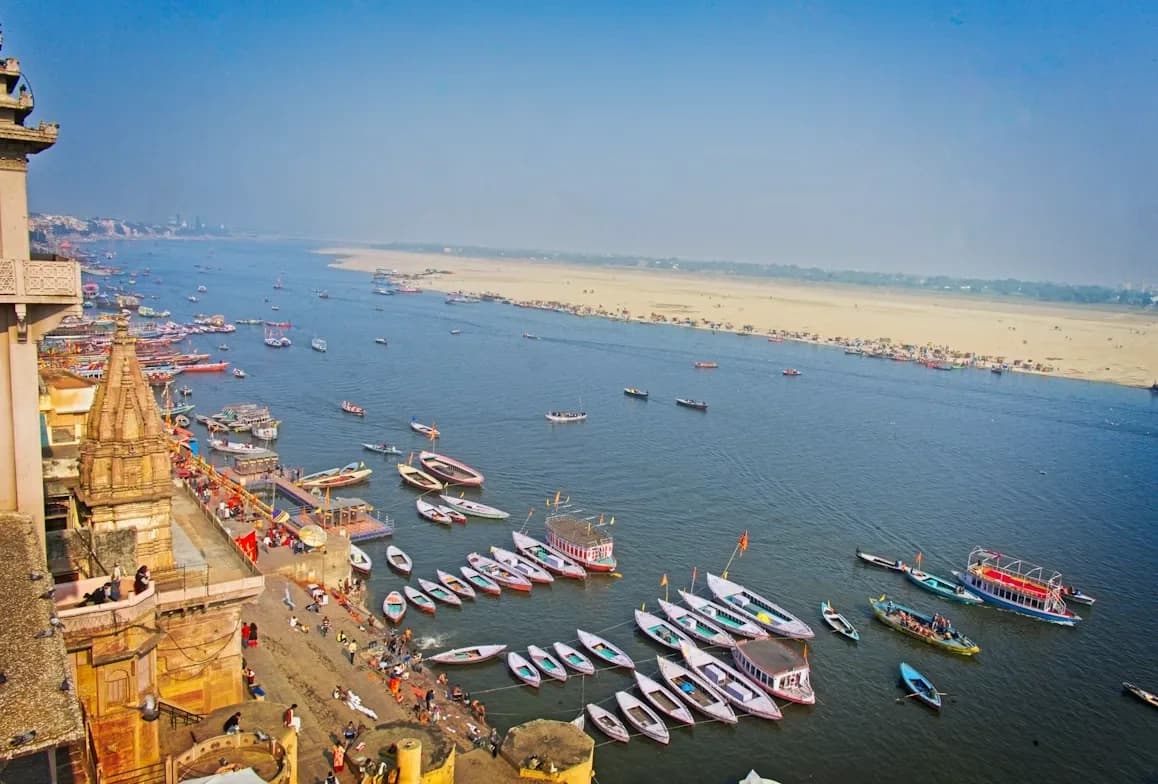
Varanasi (Kashi — the City of Light, or Banaras) is on the western bank of the Ganga in Uttar Pradesh — one of the oldest continuously inhabited cities in the world (3,500+ years of continuous settlement), the holiest city in Hinduism (dying in Varanasi is believed to grant moksha), and the city Mark Twain described as 'older than history, older than tradition, older even than legend.' The city has 88 ghats along a 6.5km crescent-shaped riverfront on the Ganga — each ghat with its own specific function (bathing, cremation, religious ceremony) and history.
Is Varanasi Worth Visiting in 2026?
Why Visit Varanasi travel guide
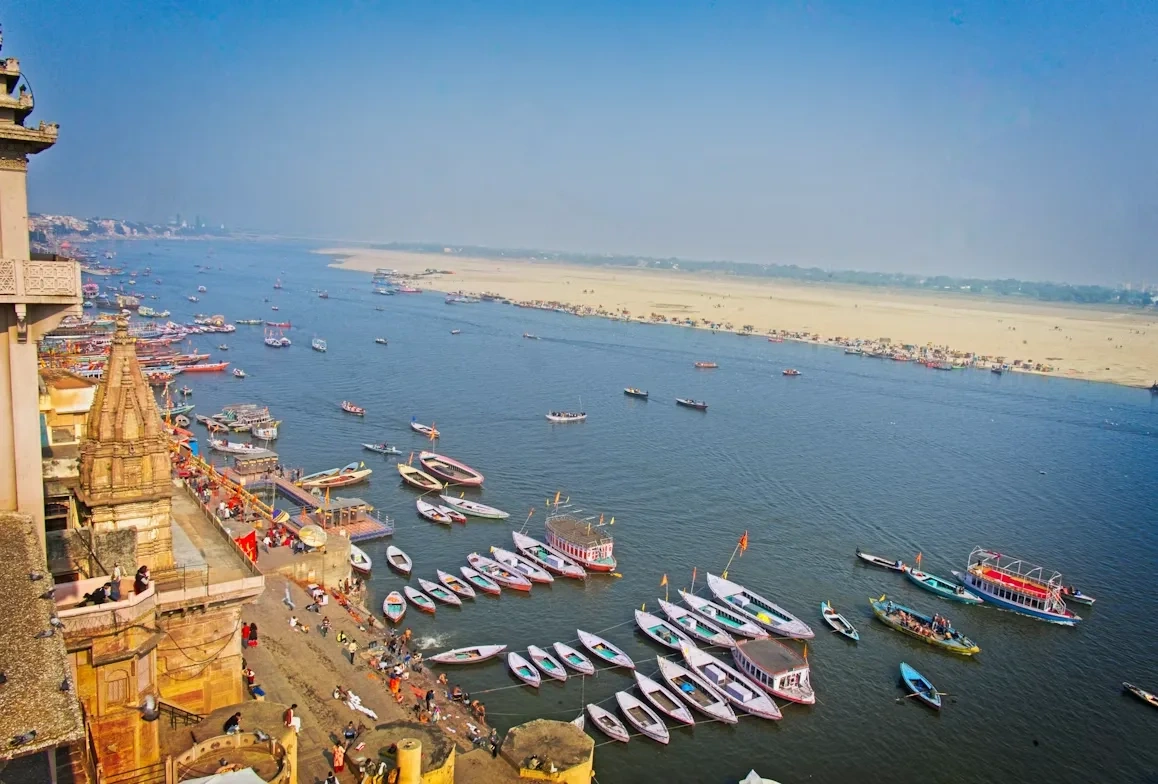
Varanasi (also known as Kashi and Benares) is one of the oldest continuously inhabited cities in the world — with a documented habitation history of at least 3,000 years and religious significance that may extend for 5,000 years, making it one of the oldest living cities in the human record alongside Jericho and Damascus. Its position on the western bank of the Ganga at a specific geographical bend (where the river flows northward, toward the Himalayas, which in Hinduism signifies sacred return) is the foundational reason for its spiritual importance.
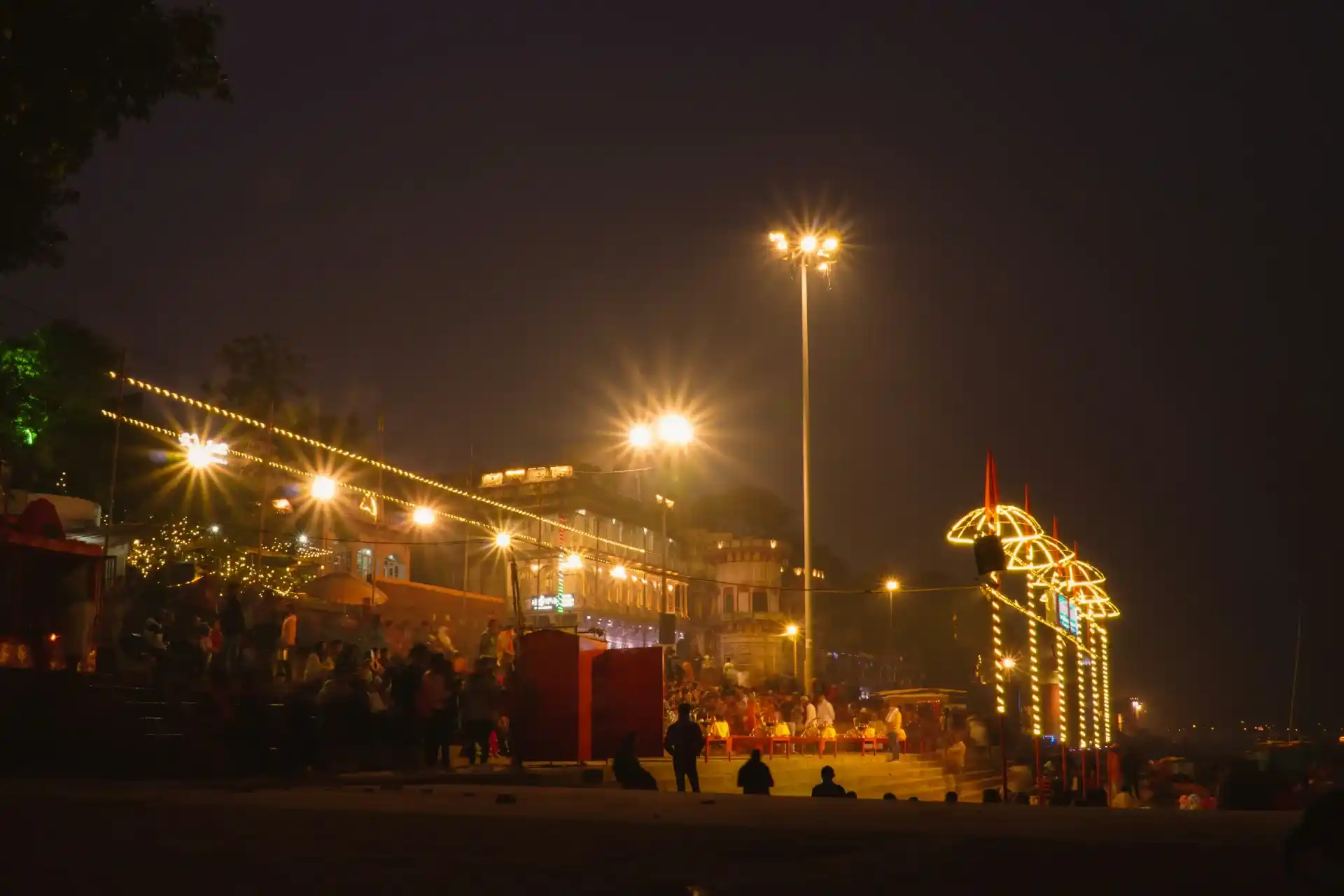
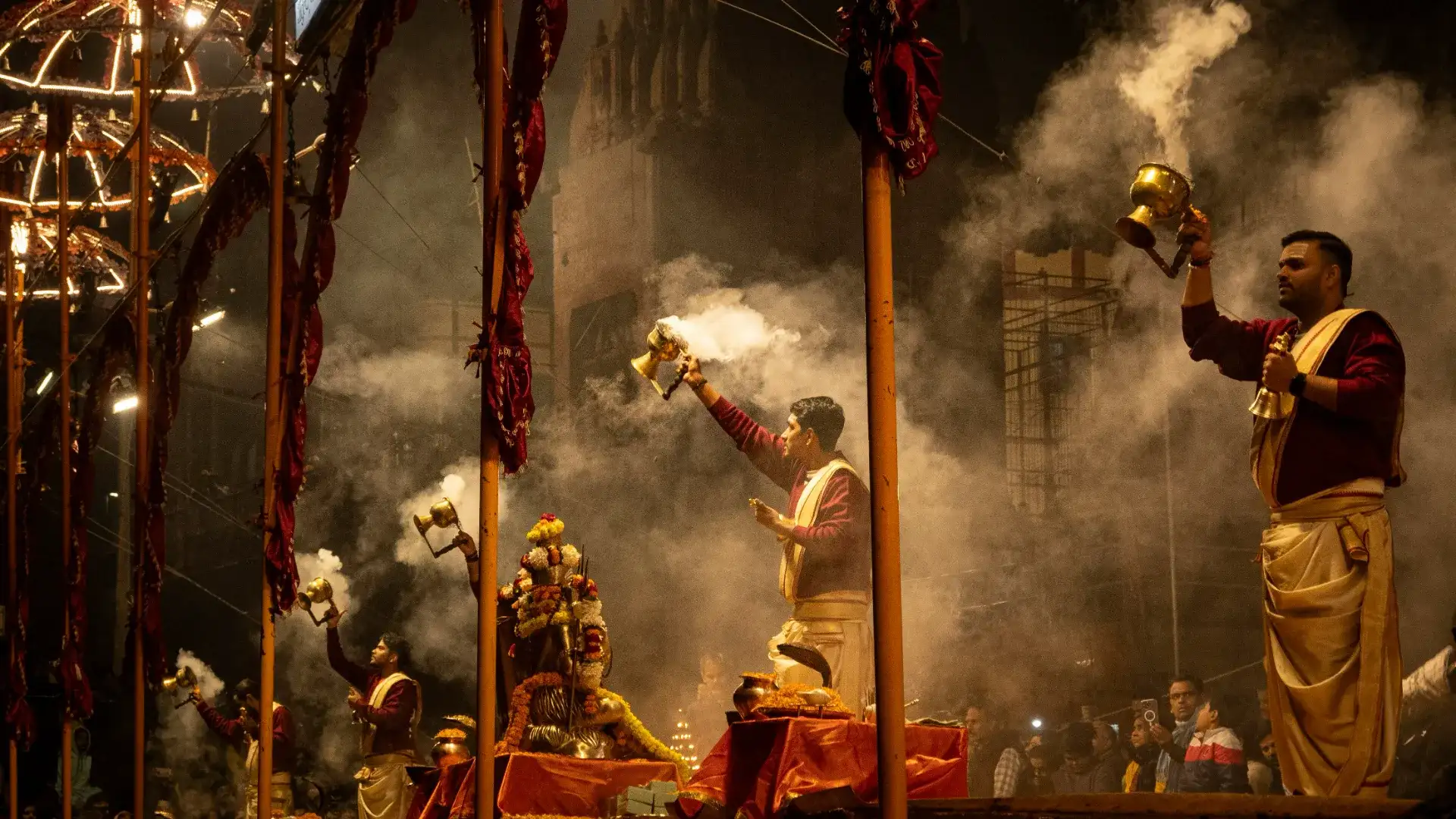
The 84 ghats along the 7km riverfront represent the most concentrated single stretch of living Hindu ritual practice accessible to visitors anywhere in the world. The Dashashwamedh Ghat aarti (the 7-priest ceremony performed nightly at 6 pm without interruption since the ghat's establishment), the Manikarnika burning ghat (the most sacred Hindu cremation site in the world, burning continuously for a documented minimum of 2,500 years), and the morning boat ride on the Ganga at dawn give the city its three essential experiential layers.
Key Features of Varanasi travel guide
Top 8 Places in Varanasi
 01 / Place
Dashashwamedh Ghat — The Heart of Kashi
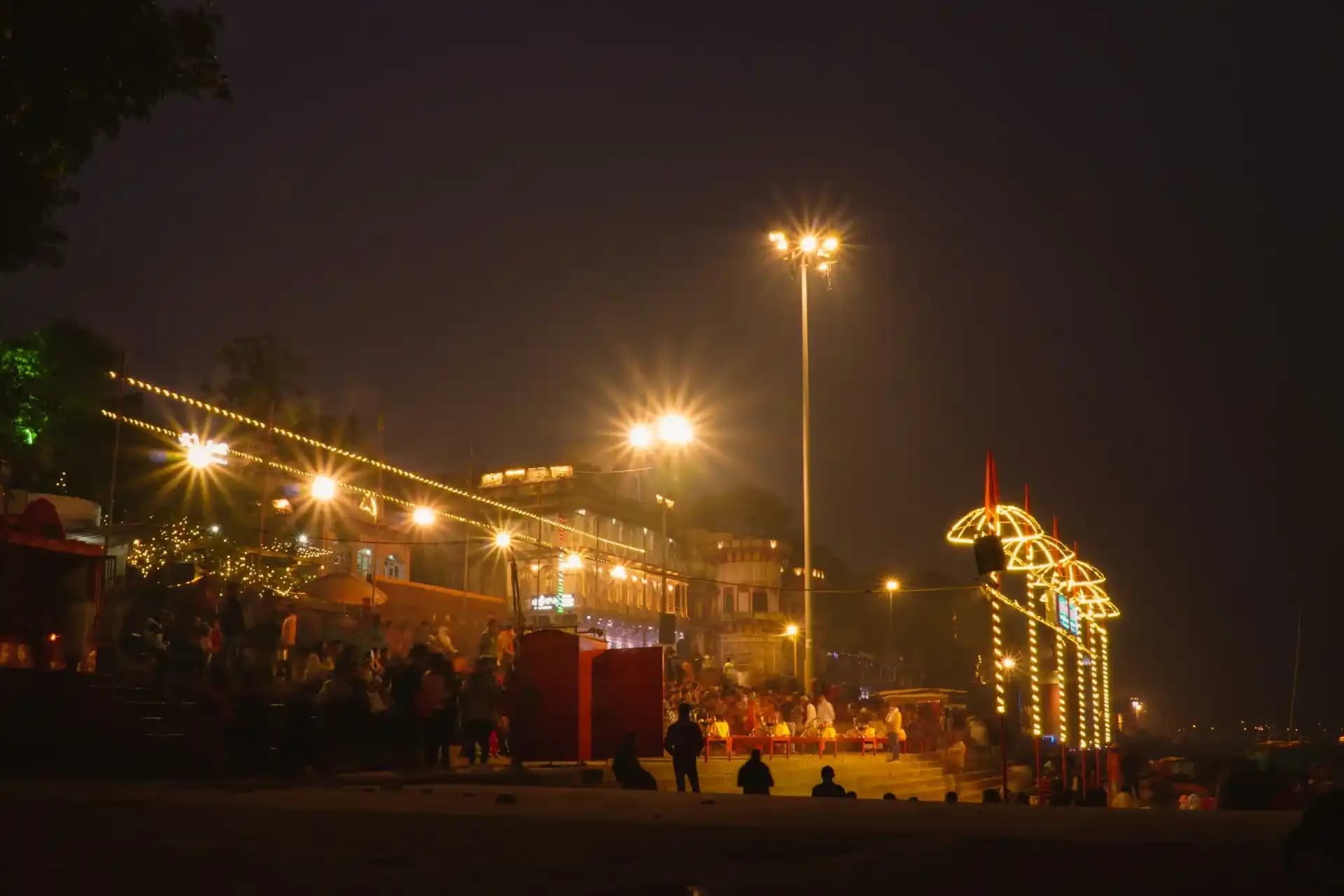
Dashashwamedh Ghat — Ganga Aarti. The most sacred of Varanasi's 84 ghats — the 7-priest ceremony at 6 pm performed identically every evening, most completely experienced from the river boat anchored 30m from the ghat. The September Ganga at monsoon level: the rushing water immediately adjacent to the ghat steps, the most specifically powerful atmospheric backdrop. 02 / Place
Sunrise Boat Ride — Assi to Manikarnika
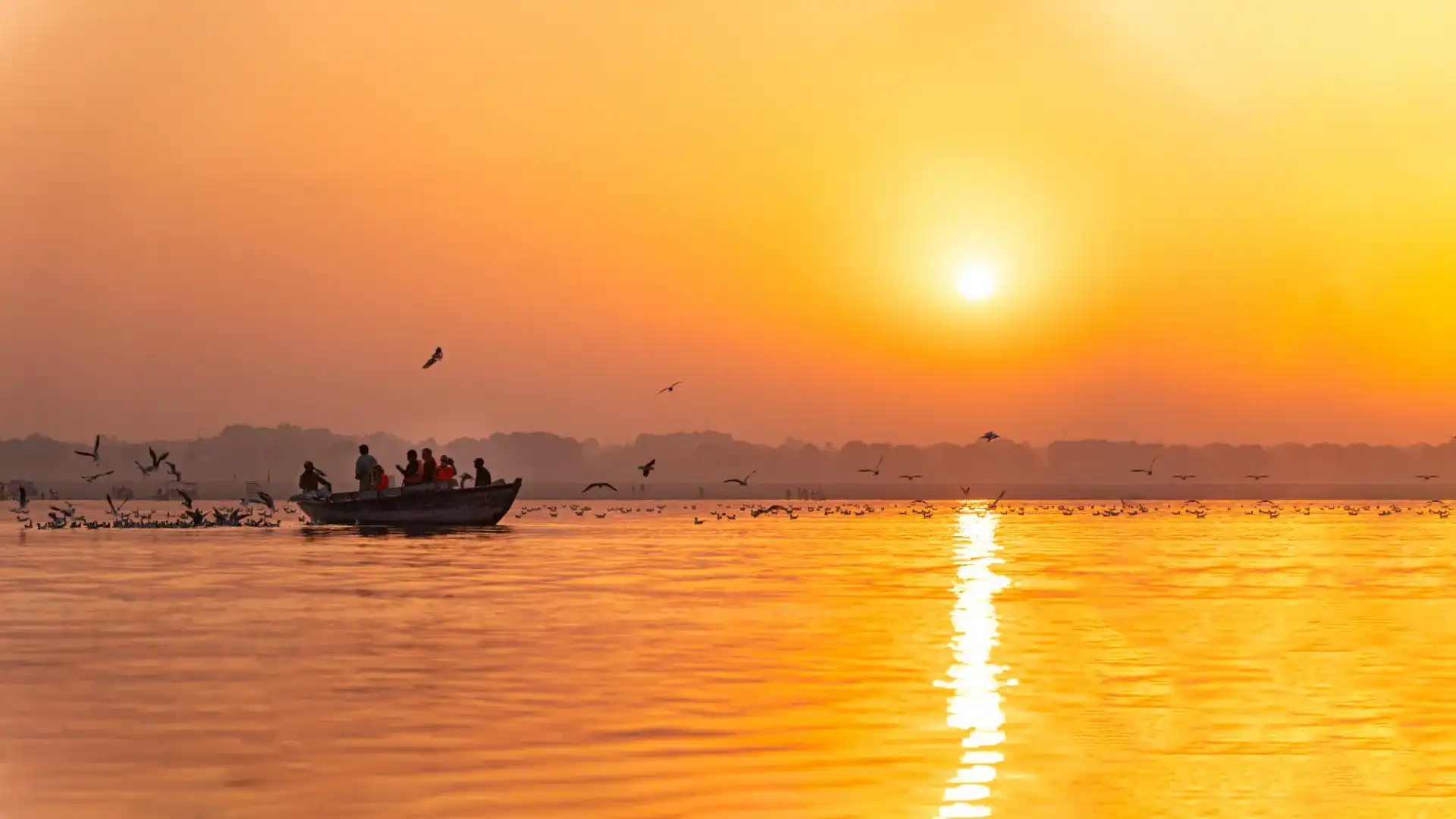
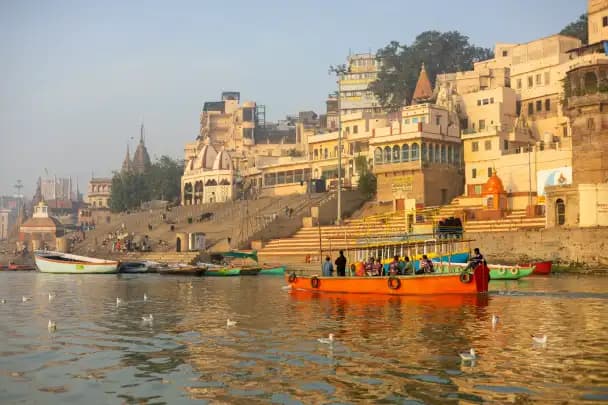
The 5:30 am boat from Assi Ghat travels north along the 6.5km ghat riverfront to Manikarnika Ghat and back — passing all 88 ghats in sequence: Assi, Tulsi, Kedar, Harishchandra, Vijayanagaram, Chet Singh, Jain, Panchganga, Raina, Manikarnika. The sunrise from the boat: the ghats emerging from the mist as the light increases, each ghat a different chapter of the city's life — the yoga practitioners at Assi, the silk merchants at Niranjani, the pilgrims bathing at Dashashwamedh, the fire visible at Manikarnika from 500m upstream. September boat ride at 5:30 am: the river at near-flood gives the boat a perspective from approximately 3m higher on the ghat architecture than the dry-season ride — the ghats appear as shorter buildings from the elevated river surface, the submerged steps invisible, and the Manikarnika cremation fires visible from directly beside rather than below. The September morning mist (the monsoon-tail mist that forms on the river surface before the sun burns it off at 6:30am) gives ghat photography a veiled quality of revelation.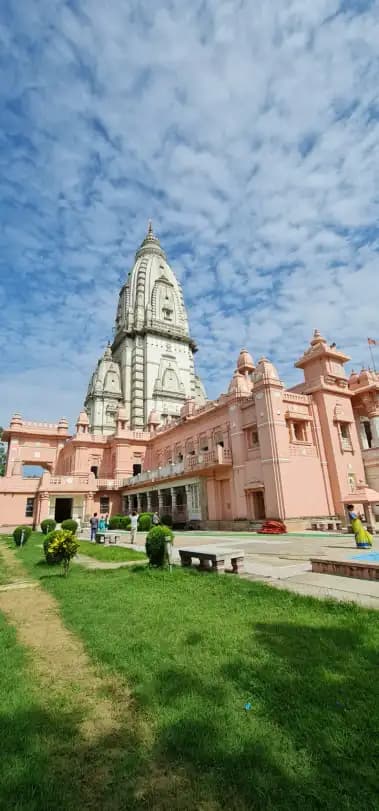 03 / Place
Kashi Vishwanath Temple + Corridor
Kashi Vishwanath + New Corridor The most sacred Shiva temple in Hinduism (one of the 12 Jyotirlinga) and the new 50,000 sq ft Kashi Vishwanath Corridor (opened December 2021) connecting the temple directly to the ghats. The Corridor gives the most complete single Kashi sacred circuit — the temple, the heritage viewpoints, and the Ganga visible simultaneously. 04 / Place
Manikarnika Ghat — The Cremation Ground of Kashi
Manikarnika Ghat — The Burning Ground The most sacred cremation site in Hinduism, continuously burning for at least 2,500 years. The most specifically affecting single place in Varanasi. Photography absolutely prohibited and must be respected completely — the most important single instruction in any Varanasi visit.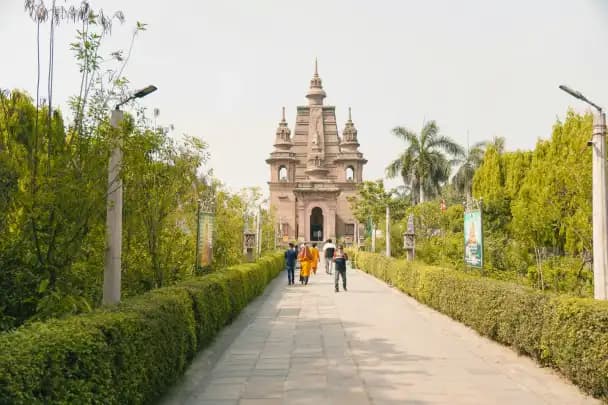 05 / Place
Sarnath — Where the Buddha First Spoke
Sarnath — The First Sermon The Dhamek Stupa (the 5th-century CE stone cylinder with the most beautiful surviving Buddhist architectural ornament — the carved stone on the lower section), the Ashoka Pillar (the Lion Capital, the National Emblem of India), and the Sarnath Museum (the most complete Buddhist sculpture collection in North India).Dashashwamedh Ghat — Ganga Aarti. The most sacred of Varanasi's 84 ghats — the 7-priest ceremony at 6 pm performed identically every evening, most completely experienced from the river boat anchored 30m from the ghat. The September Ganga at monsoon level: the rushing water immediately adjacent to the ghat steps, the most specifically powerful atmospheric backdrop.
The 5:30 am boat from Assi Ghat travels north along the 6.5km ghat riverfront to Manikarnika Ghat and back — passing all 88 ghats in sequence: Assi, Tulsi, Kedar, Harishchandra, Vijayanagaram, Chet Singh, Jain, Panchganga, Raina, Manikarnika. The sunrise from the boat: the ghats emerging from the mist as the light increases, each ghat a different chapter of the city's life — the yoga practitioners at Assi, the silk merchants at Niranjani, the pilgrims bathing at Dashashwamedh, the fire visible at Manikarnika from 500m upstream. September boat ride at 5:30 am: the river at near-flood gives the boat a perspective from approximately 3m higher on the ghat architecture than the dry-season ride — the ghats appear as shorter buildings from the elevated river surface, the submerged steps invisible, and the Manikarnika cremation fires visible from directly beside rather than below. The September morning mist (the monsoon-tail mist that forms on the river surface before the sun burns it off at 6:30am) gives ghat photography a veiled quality of revelation.
Kashi Vishwanath + New Corridor The most sacred Shiva temple in Hinduism (one of the 12 Jyotirlinga) and the new 50,000 sq ft Kashi Vishwanath Corridor (opened December 2021) connecting the temple directly to the ghats. The Corridor gives the most complete single Kashi sacred circuit — the temple, the heritage viewpoints, and the Ganga visible simultaneously.
Manikarnika Ghat — The Burning Ground The most sacred cremation site in Hinduism, continuously burning for at least 2,500 years. The most specifically affecting single place in Varanasi. Photography absolutely prohibited and must be respected completely — the most important single instruction in any Varanasi visit.
Sarnath — The First Sermon The Dhamek Stupa (the 5th-century CE stone cylinder with the most beautiful surviving Buddhist architectural ornament — the carved stone on the lower section), the Ashoka Pillar (the Lion Capital, the National Emblem of India), and the Sarnath Museum (the most complete Buddhist sculpture collection in North India).
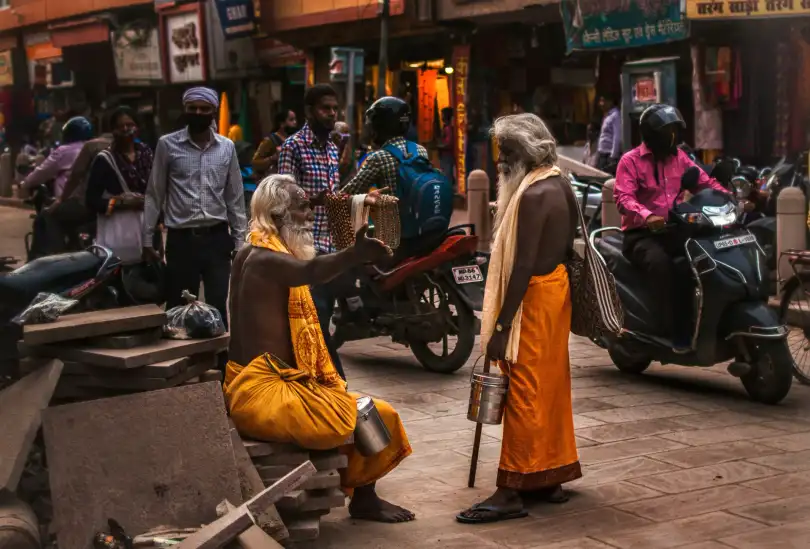
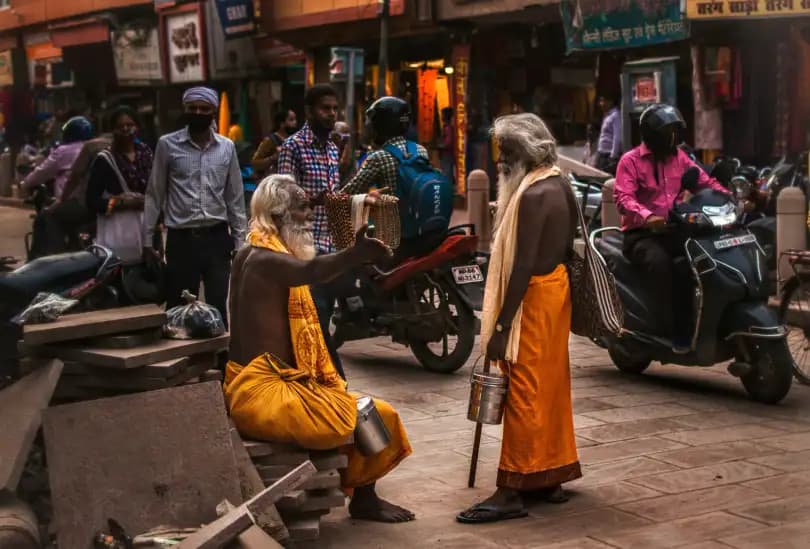
The galli network of old Varanasi (the area between the Ganga to the east and the two main roads — Godowlia crossing and Lahurabir — to the west) is the most disorienting 3km of lanes in India: 1-2m wide, branching unpredictably, containing the city's 2,000+ temples, 400+ chai stalls, silk weaving workshops, flower garland sellers, the cow that lives at the corner of Vishwanath Galli, and the specific smells that layer over each other — incense, chai, cow dung, marigold, river water — in an olfactory map of the city's spiritual economy. The correct Varanasi galli strategy: enter without a map at the Godowlia end, walk toward the sound of bells, and allow the lanes to deliver you to the Ganga eventually (they always do — every galli in old Varanasi terminates at a ghat). The time this takes ranges from 20 minutes (if lucky) to 3 hours (if genuinely lost). Both are the correct Varanasi galli experience. The Kaal Bhairav Temple (Shiva as the lord of time and guardian of Varanasi — the temple's principal offering is alcohol, poured into the deity's mouth by the priest in a ritual specific to this temple) and the Annapurna Temple (Shiva's consort as goddess of food — most important female deity of Varanasi) are the two galli temples most visitors miss because they are accessible only through the galli network.
Assi Ghat is the southernmost of the major ghats — the last before the Assi Nala (the stream that marks the southern boundary of the sacred city). Assi is the ghat where the expatriate and long-term Varanasi residents (the scholars, the musicians, the yoga practitioners, the Sanskrit students) converge for the morning — the peepul tree at the ghat corner where the Shiva lingam has been worshipped since the Puranic period, the morning yoga classes, the boatmen mending their crafts, and the chai stalls that have been at the same locations for long enough that the proprietors' children now run them.
Best Time to Visiti
January · Best Peak. Cool (10-18°C). Clear. All ghats. Maghi Purnima (full moon — one of the most sacred bathing days).
February · Best Excellent. Mahashivaratri (most important Shiva festival, Kashi Vishwanath at maximum pilgrimage intensity).
March · Best Holi. Most intense in India. 3-day celebration, especially on Assi Ghat. Color, water, music, full sensory immersion.
April · Good Good. Post-Holi. Warming. Ram Navami (Rama's birthday, celebrated extensively in Kashi).
May · Avoid Hot. 40-46°C. Dawn boat ride still possible. Midday outdoor activity very difficult.
June · Avoid Monsoon begins. Rain. Ganga rising. Fewer tourists. Extreme heat continuing.
July · Good Monsoon. Ganga in full monsoon. Kanwar Yatra (Shiva pilgrims carrying Ganga water in orange kanwars).
August · Good Monsoon. Nag Panchami, Raksha Bandhan — significant ghat activity. Ganga continuing high water.
September · Best Vikas's Visit. Ganga at peak. Pitru Paksha (dates vary). Fewer tourists. 30% cheaper. Monsoon light.
October · Best Top Pick. Navratri. Post-monsoon clearing. Dussehra. Ram Lila in Ramnagar. Ganga receding.
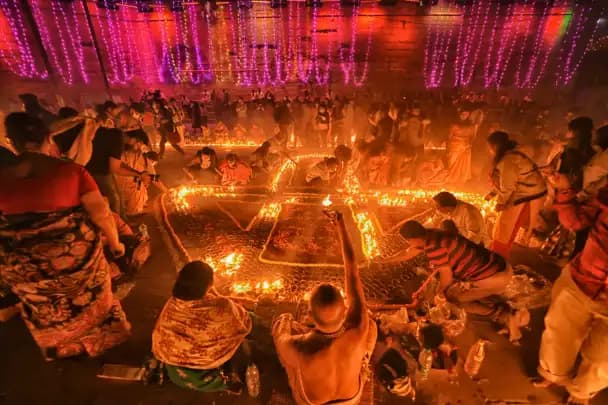
November · Best Best Month. Dev Deepawali (full moon — 1 million lamps on the ghats, most spectacular evening of year). Diwali. Cool.
December · Best Peak. Christmas and Ganga circuit tourists. Cool. All ghats accessible.
Varanasi trips,
ready to personalise.
 4D / 3N
Varanasi Spiritual Journey Tour Package
Varanasi, Sarnath
Varanasi experiencesBest 10 Things to Do in Varanasi
Sunrise Boat Ride — 5:30am, Assi to Manikarnika
Hire a shared boat from Assi Ghat at 5:30 am. North along the full ghat line, return by 8 am. September: river at peak level, mist on the water, ghats submerged at lower steps, Manikarnika fires visible from the water level.
Insider tip
The private boat allows stopping at specific ghats, waiting for light at Dashashwamedh, and returning at a pace that a shared boat does not permit. For photographers, a private boat is the right choice in Varanasi.
Ganga Aarti — From the Boat, Not the Crowd
Book a ghat boat for the evening aarti. Arrive at the ghat by 6 pm for a good boat position. The aarti begins approximately 30 minutes after sunset.
Insider tip
The boat view shows the full seven-priest composition simultaneously — from the ghat side, you see only 2- 3 priests at once due to the crowd. From the boat, all seven are visible with the Ganga behind them. The boat also reflects aarti lamps in the river water — the double image (priests above + reflection below) that is the specific aarti photograph.
Sarnath at 7am — Lion Capital Before the Tour Groups
Auto-rickshaw from Varanasi to Sarnath at 6:30am. The Sarnath Archaeological Museum opens at 9am — arrive at the Dhamek Stupa site (ASI park, separate ticket, ₹40 for Indians) at 7am for the pre-museum hour.
Insider tip
Lion Capital in Sarnath Museum (the object that became India's national emblem) is in a room by itself, lit from above, at 9 am, with 5 other visitors in September. The capital is 2.3m tall, a single piece of polished Chunar sandstone — a Mauryan polishing technique never replicated. Stand 1m away and see individual lions' faces at eye level.
Getting Lost in the Gallis — No Map, 2 Hours
Insider tip
Single phrase to learn before entering the gallis: 'Ganga kahan hai?' (Where is the Ganga?) — Any Varanasi resident will point the direction. Gallis always lead to the Ganga eventually. Allow at least 2 hours and carry no luggage other than a small bag.
Kashi Vishwanath Darshan — Early Morning
Queue at the Kashi Vishwanath Temple (entry queue via Corridor; Aadhaar card mandatory) by 5:30 am for the first darshan queue. The Mangala Aarti (opening ceremony of the day, first aarti performed at dawn) is the most auspicious time for darshan — the temple at this hour is for the genuinely devout pilgrimage, not the tourist circuit.
Insider tip
Kashi Vishwanath Corridor entry procedure requires leaving all bags, phones, and cameras at the Corridor security deposit. Entry through a metal detector. The sanctum allows approximately 30 seconds of darshan before the queue moves forward. The most important 30 seconds of the Varanasi religious experience for devout Hindu visitors.
Varanasi Street Food Circuit — Morning and Evening
Morning food circuit: kachori-sabzi at Deena Chaat Bhandar, jalebi at Ksheer Sagar. Evening food circuit: tamatar chaat at Ram Bhandar, lassi at Blue Lassi Shop (a 100-year-old lassi shop in a narrow galli near Bangali Tola, thick lassi with cream and seasonal fruit), and paan at the paan shops near Godowlia (Banarasi sweet paan).
Insider tip
Thandai (a milk drink with saffron, cardamom, and rose — available at most Varanasi sweet shops, ₹60-₹100/glass) is the specific Varanasi non-alcoholic version of the Maha Shivaratri special (which includes bhang). Regular thandai at any sweet shop near Godowlia is safe, genuinely delicious, and the correct Varanasi afternoon drink in September heat.
Banarasi Silk — Workshop Visit Before Shopping
Varanasi is the production centre of Banarasi silk — a silk-weaving tradition (using gold and silver zari thread in intricate floral and geometric patterns) that has been continuous since the Mughal period and produces the finest silk sarees in India. Weaving workshops are in the Muslim neighbourhoods (Ansari community of weavers) in the Madanpura, Pilikothi, and Lallapura areas of Varanasi (15 minutes by auto from the ghat area).
Insider tip
Visit a Banarasi silk weaving workshop BEFORE purchasing any silk — traditional handloom weaving versus power-loom is visible to the eye in the finished product only if you have seen both in production. Banarasi silk cooperative showroom (Uttar Pradesh Handloom Corporation) near Sigra sells government-certified genuine handloom Banarasi silk at fixed prices — the benchmark for comparison before bargaining at private shops.
Ramnagar Fort — Across the Ganga
Boat from Tulsi Ghat to Ramnagar. Ramnagar Fort (a 17th-century sandstone residence of the Maharaja of Varanasi, across the Ganga from the city) contains the Saraswati Bhawan Museum — a royal vintage car collection (1928 Studebaker, 1939 Cadillac, the Maharaja's palanquins and howdahs), astronomical instruments, an ivory armoury, and royal costumes.
Insider tip
Ganga crossing to Ramnagar is the most underused Varanasi experience — the view of the ghats from the Ramnagar bank (looking west across the Ganga) offers a full ghat panorama visible as a continuous 6.5 km-long curved line, NOT visible from the ghats themselves or from the river at a standard boat distance. September Ganga crossing: river at widest (300- 400 m) and fastest (1.5- 2 knots), crossing slightly longer but river at most dramatic.
Sunset at Scindia Ghat — The Leaning Temple
Insider tip
Scindia Ghat at sunset (September: approximately 6 pm) gives a leaning temple in golden light with the Ganga at high water. Significantly fewer visitors than Dashashwamedh sunset, and the specific Scindia combination of sinking temple + smaller scale of ghat + Dom cremation helpers visible at nearby Manikarnika boundary gives the most unmediated ghat experience of any major Varanasi ghats.
Classical Music Evening — Varanasi's Other Art
Varanasi is the second capital of Hindustani classical music (after Delhi) — the Benaras Gharana is one of the principal schools of dhrupad and thumri, and several significant classical musicians maintain active teaching practices in the city. Sankat Mochan Music Festival (March, annual) is the most concentrated classical music experience in Varanasi. Year-round, the International Music Centre Ashram (Assi Ghat area) hosts evening performances.
Insider tip
Assi Ghat evening (from 7 pm after the Aarti) features informal music performances at several guesthouses and community spaces — a tabla-vocal-harmonium format of the Benaras Gharana in an informal setting, with the performer visible at close range. September: The music season is informal (the formal season runs October-March), but informal performances continue year-round for residents and smaller groups of September tourists.
Three Itinerary Options — 3/5/7 Days
See how each trip is paced, from arrival to departure. These are sample day-by-day plans; we tailor the dates and details.
Varanasi Quick — 3 Days - Long weekend · Spiritual + cultural
- Day 1Arrive VaranasiEvening: Dashashwamedh Ghat aarti from boat · Galli walk dinner.
Advice
Arrive by afternoon — the aarti is the first evening. Book aarti boat in advance through guesthouse. - Day 2Varanasi5:30am sunrise boat (Assi → Manikarnika) · Kashi Vishwanath morning · Gallis walk · Sarnath afternoon.
Advice
Sarnath auto from Assi: ₹200 shared, 30 min. Lion Capital Museum opens 9am. - Day 3Varanasi + Depart5:30am boat (second sunrise — always better than the first) · Banarasi silk · Return train/flight.
Advice
Second sunrise boat gives the experience of knowing where each ghat is. Vande Bharat Express to Delhi 8 hrs.
Varanasi Popular — 5 Days Complete Varanasi · Photography · Spiritual depth
- Day 1Arrive VaranasiEvening aarti from boat · Post-aarti galli dinner.
Advice
Day 4 private photography boat at 5:30am — with 2-hour private boat and no fixed return schedule, the photographer can wait at Dashashwamedh for precise moment when morning light hits ghats at 6:15am (golden hour on Ganga), move to Manikarnika for cremation fire in morning light at 6:30am, and return to Assi for full ghat panorama at 7am. This 2-hour sequence gives most complete Varanasi photography possible from water. - Day 2Varanasi5:30am sunrise boat · Kashi Vishwanath 8am · Gallis (Kaal Bhairav + Annapurna) · Dashashwamedh afternoon chai.
Advice
Kaal Bhairav Temple — the 5-minute detour most visitors miss entirely. - Day 3Sarnath + Ramnagar6:30am auto to Sarnath · Lion Capital + Dhamek Stupa · Return noon · Ramnagar Fort afternoon by boat.
Advice
Combine Sarnath + Ramnagar in one day — different sides of Varanasi's world. - Day 4Varanasi5:30am private boat (photography day) · Banarasi silk workshop · Blue Lassi · Scindia Ghat sunset.
Advice
Private boat ₹1,200-₹1,500 for 2 hours — worth it for full ghat photography. - Day 5Varanasi + DepartFinal 5:30am boat · Deena Chaat Bhandar breakfast · Paan at Godowlia · Train/flight.
Advice
Deena Chaat Bhandar kachori-sabzi: correct Varanasi last meal.
Varanasi Complete — 7 Days Deep spiritual India · Pilgrimage circuit · Photography
- Day 1VaranasiEvening aarti from boat · Post-aarti galli dinner.
Advice
The new Ram Janmabhoomi Temple in Ayodhya (inaugurated January 22, 2024 — the most significant new Hindu temple consecration in modern Indian history) has transformed Ayodhya from a small pilgrimage city into a major destination. The Nagara-style temple with its intricate stone carving and the specific Ramlala deity inside are the two reasons for the Ayodhya addition to the Varanasi circuit. Check current entry procedures at shreetram.in before visiting. - Day 2Varanasi5:30am sunrise boat · Kashi Vishwanath 8am · Gallis · Dashashwamedh.
- Day 3Sarnath + Ramnagar6:30am Sarnath · Lion Capital · Ramnagar Fort afternoon.
- Day 4Varanasi5:30am private boat · Banarasi silk · Scindia Ghat sunset.
- Day 5VaranasiFinal ghat morning · Deena Chaat breakfast · Train to Prayagraj.
- Day 6Prayagraj (2.5 hrs train)Sangam (confluence of Ganga, Yamuna, Saraswati) · Allahabad Fort · Anand Bhawan (Nehru family residence museum).
- Day 7Ayodhya (3 hrs from Prayagraj)Ram Janmabhoomi Temple · Hanuman Garhi · Saryu River ghat · Return train.
Where to Stay: Key Zones
Assi Ghat area
Dashashwamedh / Godowlia
Ganga-view Heritage Hotels
BrijRama Palace (Luxury Heritage)
Taj Nadesar Palace (Luxury Heritage)
4-Tier Daily Cost (Per Person · INR · Excluding Long-Distance Travel)
Budget
₹800 – ₹2,000 (excl long-distance travel)Money-saving travel- Stay
- Assi Ghat backpacker guesthouses (₹500-₹1,200/night) · Dashashwamedh budget hotels (₹800-₹2,000) · Bhelupur area budget (₹600-₹1,500) · OYO/Treebo budget chains
- Food
- Street food (Deena Chaat Bhandar ₹40 kachori, Blue Lassi ₹60-100) · Kulhad chai ₹15 · Tamatar chaat ₹30 · Dhaba meals ₹80-150 · Banarasi paan ₹10-30
- Getting around
- Rajdhani 3AC Delhi-Varanasi ₹1,395 overnight · Vande Bharat Chair Car ₹1,505 · E-rickshaw ₹20-50/ride · Shared boats ₹200-500/person · Walking gallis
Mid-range
₹3,000 – ₹6,000 (excl long-distance travel)Comfortable everyday travel- Stay
- Heritage hotels Dashashwamedh area (₹2,500-₹8,000/night) · Ganga-view boutique hotels (₹4,000-₹12,000) · BrijRama Palace pre-luxury rooms · Hotel Surya · Hotel Tridev
- Food
- Mix of street food + restaurant meals · Specialty Varanasi restaurants · Ghat-side rooftop restaurants (₹200-400 meal) · Banarasi specialty restaurants · Wine + beer at licensed establishments
- Getting around
- Vande Bharat Executive Class ₹2,805 · Private boats ₹1,000-1,500/hour · Private auto-rickshaw ₹300-500/trip · Sarnath private cab ₹600 return · Cycle rickshaw flexibility
PREMIUM
₹8,000 – ₹18,000 (excl long-distance travel)per person, per day- Stay
- BrijRama Palace standard rooms (₹15,000+/night) · Taj Ganges Varanasi · Suryauday Haveli · Premium Ganga-view boutique with terraces · Caspian Hotel Varanasi
- Food
- Fine dining at heritage hotels · Specialty Awadhi-Banarasi chef tastings · Wine pairings · In-room private dining · Curated food tours with food historian
- Getting around
- Private photography boat with experienced operator · Private guided heritage walks · Private Sarnath excursion with art historian · Private Ramnagar boat with Maharaja's archive access
Luxury
₹25,000 – ₹80,000+ (excl long-distance travel)Premium comfort- Stay
- BrijRama Palace heritage suite (₹25,000-₹60,000/night, 250-year-old heritage palace on Ganga) · Taj Nadesar Palace (₹20,000-₹45,000, former Maharaja guesthouse) · Private heritage haveli rentals
- Food
- Private chef arrangements · Banarasi specialty dinners at private haveli · Ganga-side dawn breakfast on private boat · Curated Maha Shivaratri-style thandai experience (without bhang)
- Getting around
- Private chauffeur · Private dedicated photography boat with operator · Private Sarnath archaeologist guide · Private Banarasi silk weaving workshop visit · Cycle rickshaw tour with city historian
How to Reach Varanasi and Getting Around
How to reach Varanasi and how to get around once you are there: the routes, how long they take and what they cost.
Plan your route ↗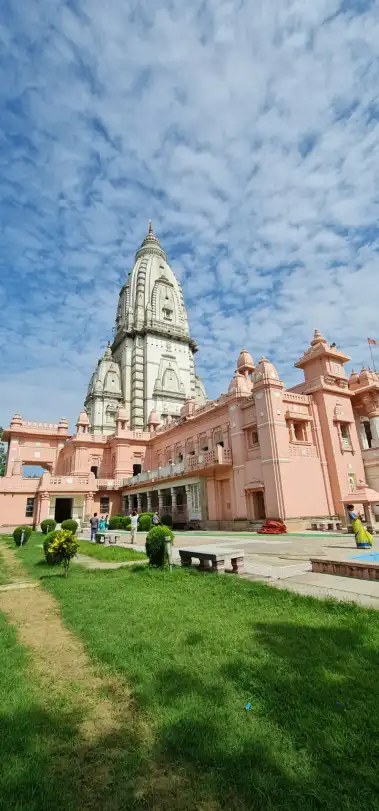 13 ways to travel
Delhi → Varanasi (VNS) Flight
IndiGo, Air India, SpiceJet · 1.5 hrs ·Direct daily multiple flights. Lal Bahadur Shastri Airport is 25 km from the city centre.
Mumbai → Varanasi Flight
IndiGo, Air India · 2 hrs ·
Bangalore/Chennai → Varanasi
IndiGo, Air India (via Delhi/Mumbai) · 3-5 hrs ·
Delhi → Varanasi Vande Bharat
Vande Bharat Express (fastest train) · 8 hrs · Chair Car, most comfortable and fastest train option.
Delhi → Varanasi Rajdhani
Rajdhani Express · 11-12 hrs overnight · 3AC. Best for direct 5:30 am sunrise boat arrival — no hotel check-in delay.
Mumbai → Varanasi Train
Mahanagari Express · 26 hrs · 3AC. Long but cheapest long-distance option from Mumbai.
Kolkata → Varanasi Train
Vibhuti Express · 10-12 hrs · 3AC. Best train connection from East India.
Cycle rickshaw
Most authentic Varanasi transport · Negotiate before boarding · No meter system.
E-rickshaw (battery auto)
Fixed-route shuttles between main ghat areas · Cheapest motorised option · Very common.
Boat (shared, Ganga)
Boat (private)
Private boat for flexibility · Worth it for sunrise photography · Negotiate the evening before.
Walking
Sarnath Auto from Varanasi
person shared · Direct cab · 30 min from Assi Ghat · Auto stands at Godowlia + Cantonment.
12 Travel Tips
Negotiate rowboat fares at Assi Ghat or Dashashwamedh Ghat directly with the boatman — the going rate for a 1-hour sunrise row is ₹300–500 for the boat; hotel "river tour" packages add ₹500–1,000 commission for identical service.
Banarasi silk shopping: buy from the Handloom House government showroom or UP Handicrafts shops near Sigra — tourist area shops near Dashashwamedh Ghat charge 2–3× for identical silk sarees.
Varanasi's narrow lanes (galis) are disorienting at night and easy to get lost in — use a hand-drawn map from your guesthouse and note the nearest major ghat number when you leave; ghat numbers run north to south and are marked at the riverside.
Unclean water exposure risk is high near Manikarnika and Harishchandra Ghat — the Ganga here receives ash and organic material from cremation; do not touch the river water and wash hands thoroughly if any contact occurs.
Manikarnika Ghat cremation ground is sacred and not a tourist attraction — respectful observation from a distance is tolerated; photography of bodies, pyres, or grieving family members is absolutely prohibited and has led to violent confrontations.
During the Ganga Aarti, move to the side if you are not seated at the ghat — standing in front of seated devotees who are performing the ritual blocks their view and is considered disrespectful.
"Tour guide to Sarnath" offers near Dashashwamedh Ghat by young men — they take you to a fixed route of shops on the way and to Sarnath last; the guide fee is nominal but the shop commissions are built into inflated prices.
Boat rides "to see all ghats" that detour to a floating shop — the shikara stops mid-river at a floating souvenir vendor where you feel obligated to buy; agree at the start that you only want the ghat circuit.
Bhang products are sold near Shiva temples as "traditional prasad" — bhang lassi and thandai are locally legal but potency varies wildly; unmarked products sold by unofficial sellers can be dangerously strong for unacclimatised first-timers.
What is worth it,
and what to avoid.
Last reviewed 2026-05-11.
- Rowboat on Ganga at 5amprivate boat. 84 ghats before tourist circuit. Most essential, most affordable Varanasi experience.
- Ganga Aarti from the boatAll 7 priests simultaneously visible, reflection in Ganga, monsoon sky above. Correct way to witness aarti.
- Sarnath + Lion CapitalOriginal Lion Capital (India's national emblem, 250 BC) in its own room. Dhamek Stupa in monsoon green. 30 visitors September vs 300 December.
- Kaal Bhairav Temple galli visit (Free)Most important Varanasi temple most tourists miss entirely. Offering of alcohol to Shiva. Accessible only through gallis.
- Deena Chaat Bhandar kachori-sabzi— Most specifically Varanasi breakfast. Kachori fried to order, sabzi thick and perfect.
- Blue Lassi Shop100-year-old lassi in most photogenic galli location in Varanasi. 10-15 minute queue is normal and always worth it.
- Ramnagar Fort boat crossingGhat panorama visible as continuous 6.5km curved line from Ramnagar bank. Not visible from any other position.
- Pitru Paksha period visit (September/October, free)Most sacred ritual period in Varanasi calendar. Ghats filled with tarpan pilgrims. Combined chanting audible from anywhere in ghat area.
- Scindia Ghat Leaning Temple Sunset (Free)Partially submerged Rajrani Temple leaning at 40 degrees into Ganga, foundation below current water level. Significantly fewer visitors than Dashashwamedh sunset. Most unmediated ghat experience.
- Classical Music Evening at Assi GhatBenaras Gharana dhrupad/thumri tradition. International Music Centre Ashram + informal performances at guesthouses. Tabla-vocal-harmonium at close range. The second capital of Hindustani classical.
- Photographing at Manikarnika GhatPhotography at burning ghats strictly prohibited and genuinely offensive to families present. Dom Raja's associates may approach tourists for 'donations' — known practice. Correct response: decline, observe from respectful distance, photograph nothing.
- Ganga Aarti from ghat crowd rather than boatFrom ghat-side crowd: see 2-3 priests through 200 heads. From boat: all 7 priests simultaneously, reflection in Ganga, correct composition. Boat costs ₹200-₹500. Boat is correct.
- Not pre-booking Kashi Vishwanath Corridor early morning queueMangala Aarti darshan queue forms before 5am. Arriving at 7am for first darshan means 2-hour wait. 5am arrival means 30 minutes. Aadhaar mandatory.
- Only doing the Ganga Aarti onceAarti varies meaningfully between evenings — weather, crowd, priest rotation, September monsoon sky above ceremony. Go every evening you are in Varanasi. Costs ₹200-₹500 and is never same twice.
- Buying Banarasi silk without visiting weaving workshop firstPower-loom (₹1,000-₹3,000) and handloom (₹8,000-₹60,000) look similar to untrained eye. Visit handloom workshop first to understand quality difference before purchasing.
- Varanasi in only 2 nightsFirst sunrise boat is orientation. Second is when you know where each ghat is. Third is when Varanasi makes sense as place rather than set of experiences. 3 nights absolute minimum. 5 is correct.
- Drinking unfiltered water or Ganga water at ghatsGanga water at Varanasi has high coliform levels — strictly for ritual bathing and offering, NOT for drinking. Carry sealed bottled water from guesthouse. Ghat-side chai fine (boiled water).
- Missing Sarnath for second day at ghats15km and 30 minutes from Varanasi, Sarnath contains Lion Capital (original from which India's national emblem is taken), Dhamek Stupa, deer park where Buddha first spoke — in September with 30 visitors. Do not skip.
- Booking a 'guided tour' for the gallisGallis reward getting lost deliberately. Guided tour with narration strips the wonder of disorientation, the discovery of Kaal Bhairav drums, the surprise emergence at the Ganga. Walk independently with just the phrase 'Ganga kahan hai?' (any local will point direction).
- Carrying large luggage through gallis to your guesthouseGalli lanes 1-2m wide, motorbikes only. Large rolling suitcases physically impossible. Reputable guesthouses arrange porters from designated drop-off points (Godowlia crossing). Carry small overnight bag for galli access.
Experience Sacred Ganga Aarti !
Private Sunrise Boat Rides & Temple Guided Walks
Book Spiritual Tour ↗Varanasi travel guide FAQ
Visas, costs, safety and the practical questions travellers ask us most.
Best Time to Visit Varanasi 2026?
Varanasi Trip Cost — 5 Days 2026?
What is Dev Deepawali and When Is It?
Can Non-Hindus Visit Kashi Vishwanath Temple?
Is Manikarnika Ghat Safe to Visit?
How to Reach Varanasi from Delhi?
What is Pitru Paksha and When Is It in 2026?
Varanasi Mein Kitne Din Chahiye?


Have a Varanasi trip
in mind?
Choose a package, or tell us the dates, hotels and experiences you want. We check the details and send you a clear quote. Pay in BTC, ETH, USDT, USDC and 90+ other coins, with other methods confirmed on request.