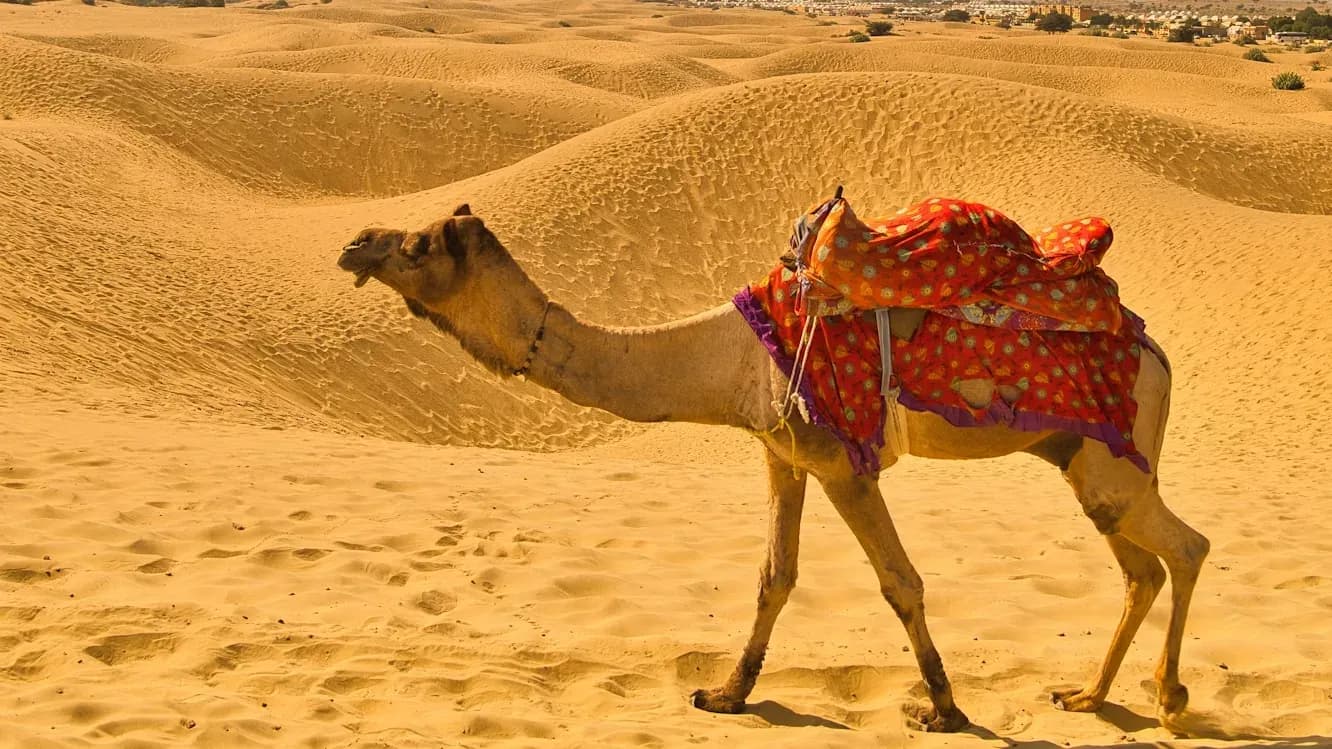
Rajasthan
Jaipur Pink City Monuments, Udaipur Lake Stays & Thar Desert Camping
- Family
- Culture
- Adventure
- Honeymoon
- City
Rajasthan, your way.
With time for what matters.
Rajasthan is India's most visually dramatic state — Pink City Jaipur (only planned Mughal-era city, painted pink in 1876 for Prince Albert) + Blue City Jodhpur (Mehrangarh Fort on a 120m sheer cliff) + Golden City Jaisalmer (only fully inhabited medieval fort in India, 800 years continuous + 3,000 residents inside) + City of Lakes Udaipur (Taj Lake Palace floating on Pichola). No visa required for Indian domestic.
Why Rajasthan 2026 — From a November 2019 Visit
Why Visit Rajasthan
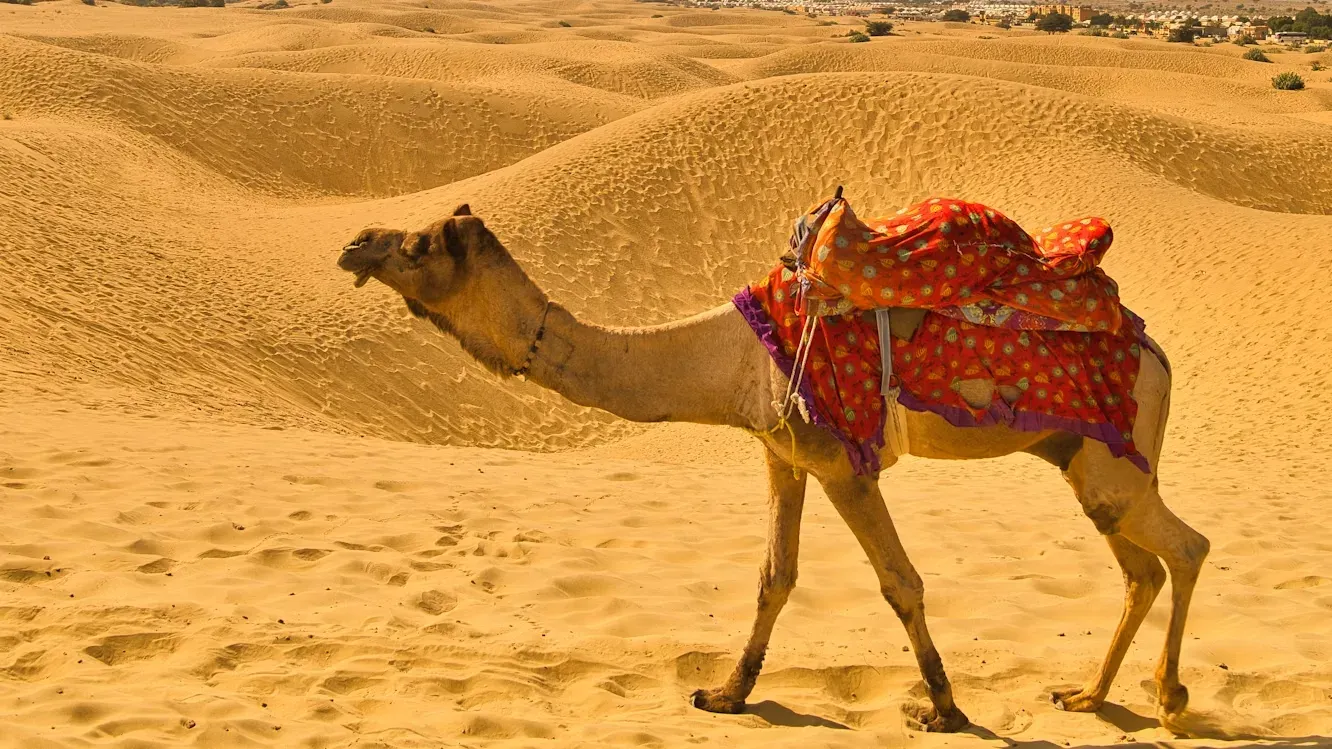
Rajasthan is the India you imagined before you arrived — fort cities rising from desert cliffs, palaces floating on lakes, and a living medieval streetscape that has not changed its bones in 500 years. It is the only Indian destination that puts a tiger reserve, a golden sand dune, a 700-acre Rajput fort, and a lake palace within a single week-long circuit without a single flight. Come for the scale of Mehrangarh above the blue city of Jodhpur at sunrise, stay for the hand-blocked fabric and the rooftop dal baati churma, and leave through Jaisalmer at dawn when the sandstone fort turns from grey to gold in twenty minutes — and you understand exactly why Rajasthan is the one Indian state travellers come back to.
Key Features of Rajasthan
Best places to visit in Rajasthan
 01 / Place
Jodhpur — The Blue City and Mehrangarh Fort
Jodhpur (Rajasthan's second-largest city, 1.3 million people) was founded in 1459 by Rao Jodha of the Rathore clan — the fort built first, the city built around it, the city painted blue afterwards. The old city (the blue quarter visible from the fort) is a maze of narrow lanes, spice markets, and blue-painted facades. The Clock Tower (Ghanta Ghar, 1880) is the market centre — the spice market around it is the finest in Rajasthan. 02 / Place
Jaisalmer — Golden City Rising from the Desert
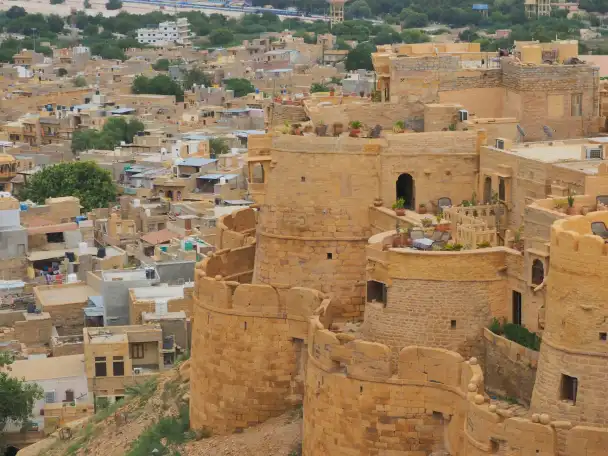
Jaisalmer is 100km from the Pakistan border in the Thar Desert — the most remote of Rajasthan's major cities, accessible by direct trains from Jodhpur (5.5 hours) and increasingly by direct flights from Delhi and Mumbai. The fort (built in 1156 AD by Rawal Jaisal) contains the Raj Mahal (royal palace), 4 Jain temples (12th century, remarkably well preserved), and a network of lanes lined with havelis, restaurants, and guesthouses. The desert circuit (Sam Sand Dunes + Kuldhara abandoned village + Desert National Park for the great Indian bustard) is 40–60km west of the city.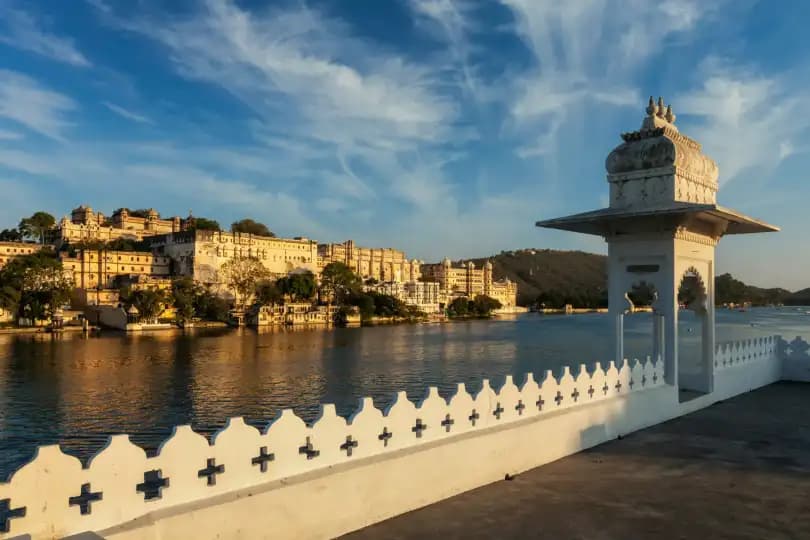 03 / Place
Udaipur — The City of Lakes
Udaipur is the most romantic city in India — and that is not a marketing claim, it is an architectural fact. Lake Pichola's City Palace (the largest palace complex in Rajasthan, built over 400 years by 22 successive Maharanas), the Taj Lake Palace hotel appearing to float in the centre of the lake, the Monsoon Palace on the western hilltop turning silhouette at sunset, and the Lake Pichola boat crossing at dusk — Udaipur concentrates romantic architecture in a way no other Indian city approaches. The City Palace Museum contains the most coherent single Mewar royal collection in existence. Fateh Sagar Lake to the north, the Sahelion ki Bari garden (the Ladies' Garden, 1710), and the Nathdwara Vishnu temple (50km north) form the complete Udaipur cultural circuit. 04 / Place
Ranthambore National Park
Ranthambore is India's most photogenic wildlife destination — the specific combination of 10th-century Ranthambore Fort ruins rising above the lake where Bengal tigers drink in early morning creates photographic compositions unavailable in any other Indian reserve. The park's 11th-century fort, visible from safari zones 3, 4, and 5, frames tiger sightings against the backdrop of heritage architecture. Zones 3 (Rajbagh lake) and 4 (Padam Talao) have the highest probability of historical tiger sightings. The park's tiger population exceeds 80 individuals — the highest density in any Indian reserve. Morning safaris (6:30 am departure) give the best light and highest activity.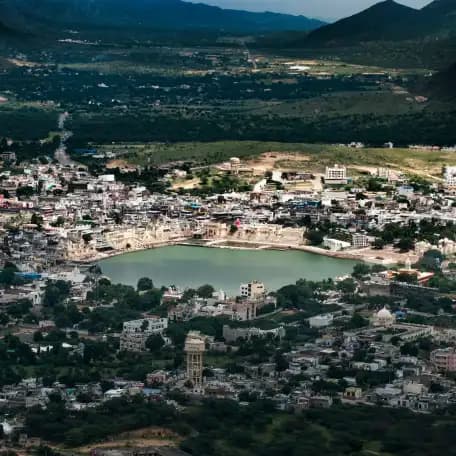 05 / Place
Pushkar — The Sacred Lake Town
Pushkar is one of India's most sacred lakes — and the only town in India with a dedicated Brahma (the creator deity) temple as its centrepiece. The 52 ghats surrounding the lake are sites of daily ritual bathing, and the Pushkar Aarti at sunset rivals Varanasi's for the specific quality of its dusk ceremony over water. The Pushkar Camel Fair (Kartik Purnima — usually November) is the world's largest camel trading fair: 50,000+ camels, horses, and livestock converge on the plain north of the lake, accompanied by Kalbelia dancers, Manganiyar musicians, acrobats, and the most photogenic folk performance landscape in India. The town itself — car-free in the main bazaar, entirely vegetarian by municipal rule — is the most genuinely pilgrimage-character small town in Rajasthan.Jodhpur (Rajasthan's second-largest city, 1.3 million people) was founded in 1459 by Rao Jodha of the Rathore clan — the fort built first, the city built around it, the city painted blue afterwards. The old city (the blue quarter visible from the fort) is a maze of narrow lanes, spice markets, and blue-painted facades. The Clock Tower (Ghanta Ghar, 1880) is the market centre — the spice market around it is the finest in Rajasthan.
Jaisalmer is 100km from the Pakistan border in the Thar Desert — the most remote of Rajasthan's major cities, accessible by direct trains from Jodhpur (5.5 hours) and increasingly by direct flights from Delhi and Mumbai. The fort (built in 1156 AD by Rawal Jaisal) contains the Raj Mahal (royal palace), 4 Jain temples (12th century, remarkably well preserved), and a network of lanes lined with havelis, restaurants, and guesthouses. The desert circuit (Sam Sand Dunes + Kuldhara abandoned village + Desert National Park for the great Indian bustard) is 40–60km west of the city.
Udaipur is the most romantic city in India — and that is not a marketing claim, it is an architectural fact. Lake Pichola's City Palace (the largest palace complex in Rajasthan, built over 400 years by 22 successive Maharanas), the Taj Lake Palace hotel appearing to float in the centre of the lake, the Monsoon Palace on the western hilltop turning silhouette at sunset, and the Lake Pichola boat crossing at dusk — Udaipur concentrates romantic architecture in a way no other Indian city approaches. The City Palace Museum contains the most coherent single Mewar royal collection in existence. Fateh Sagar Lake to the north, the Sahelion ki Bari garden (the Ladies' Garden, 1710), and the Nathdwara Vishnu temple (50km north) form the complete Udaipur cultural circuit.
Ranthambore is India's most photogenic wildlife destination — the specific combination of 10th-century Ranthambore Fort ruins rising above the lake where Bengal tigers drink in early morning creates photographic compositions unavailable in any other Indian reserve. The park's 11th-century fort, visible from safari zones 3, 4, and 5, frames tiger sightings against the backdrop of heritage architecture. Zones 3 (Rajbagh lake) and 4 (Padam Talao) have the highest probability of historical tiger sightings. The park's tiger population exceeds 80 individuals — the highest density in any Indian reserve. Morning safaris (6:30 am departure) give the best light and highest activity.
Pushkar is one of India's most sacred lakes — and the only town in India with a dedicated Brahma (the creator deity) temple as its centrepiece. The 52 ghats surrounding the lake are sites of daily ritual bathing, and the Pushkar Aarti at sunset rivals Varanasi's for the specific quality of its dusk ceremony over water. The Pushkar Camel Fair (Kartik Purnima — usually November) is the world's largest camel trading fair: 50,000+ camels, horses, and livestock converge on the plain north of the lake, accompanied by Kalbelia dancers, Manganiyar musicians, acrobats, and the most photogenic folk performance landscape in India. The town itself — car-free in the main bazaar, entirely vegetarian by municipal rule — is the most genuinely pilgrimage-character small town in Rajasthan.
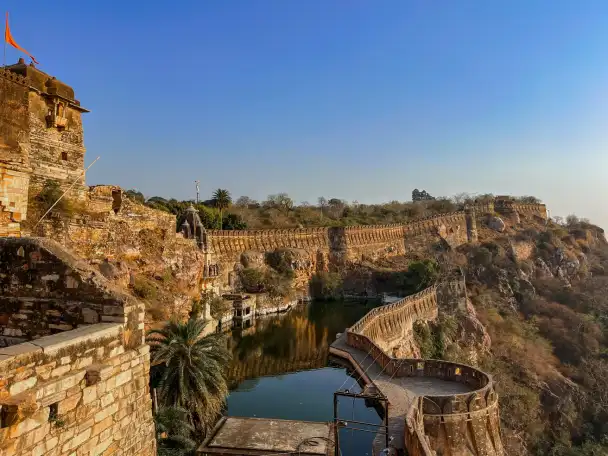
Chittorgarh Fort is the largest fort in India by area (700 acres) and the most historically charged — three sieges (1303, 1535, 1568), three acts of mass jauhar (self-immolation by Rajput women to avoid capture), and the legendary sacrifice of Queen Padmini make it the most martyr-layered single heritage site in Rajasthan. The Fort contains 7 gates, 4 palace complexes, 19 temples, 4 memorials, and 2 towers (the 37m Tower of Victory and the 22m Tower of Fame) within its 700-acre perimeter. Most Rajasthan itineraries skip Chittorgarh in favour of a third day in Udaipur — this is consistently the biggest planning error I see. Chittorgarh is 2 hours from Udaipur and requires a full day.
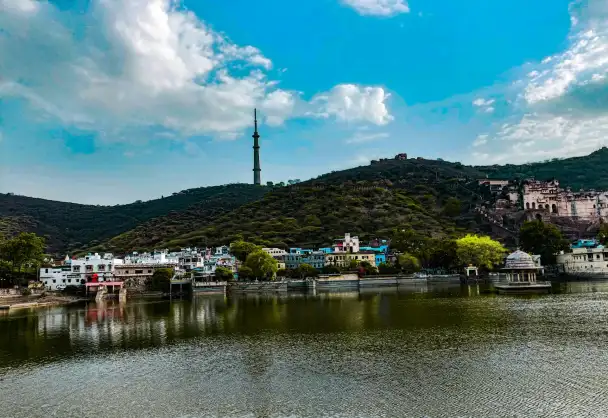
Bundi is what Rajasthan looked like before tourism arrived — a small walled town with a palace of extravagantly painted murals (Chitrashala), a fort above it, and more ancient stepped wells (baoris) per square kilometre than any other town in India. Almost no international tourists arrive. The Chitrashala murals — hunting scenes, court life, the Rasamanjari series — are the most exuberantly painted palace interiors in Rajasthan. The Rani ji ki Baori (Queen's stepwell, 1699), a 46-metre descent with carved elephants at each landing, is the finest single stepwell in Rajasthan. As someone who visited Rajasthan for the first time in 2019, I discovered Bundi to be my most unexpected discovery — I arrived expecting a footnote and found a chapter.
Best Time to Visit Rajasthan
10-28°C days + cool nights + desert nights 5-8°C December-January. Pushkar Camel Fair November (Kartik Purnima lunar date). Desert Festival, Jaisalmer, February. Jaipur Literature Festival in late January (the world's largest free literary festival). Book heritage hotels 2-3 months ahead. International tourists peak December-February. Sam Sand Dunes full-moon optimal lunar timing October-December.
January · Best Top pick. Best weather. International tourists peak. Jaipur Literature Festival late January (world's largest free literary festival). Book accommodation 2-3 months ahead. 10-25°C days, 5-12°C nights.
February · Best Desert Festival Jaisalmer (3 days February). Cool and clear. Most pleasant month in the desert. Mount Abu winter retreat. 12-26°C. Book heritage hotels 2-3 months ahead.
March · Good Holi festival! Jaipur Elephant Festival. Heat beginning in Jaisalmer. Last comfortable desert month. 18-32°C. End-March = transition to summer. Pushkar Holi most photogenic in India.
April · Avoid Heat increasing rapidly. Udaipur still manageable (higher altitude). AVOID Jaisalmer + Jodhpur desert. 25-38°C lower altitudes. Indoor heritage visits only.
May · Avoid Extreme heat 35-45°C across most of Rajasthan. Indoor museum visits only. Mount Abu hill station refuge. NOT recommended for any Thar Desert + Jaipur + Jodhpur visit.
June · Avoid 45-48°C desert regions. Pre-monsoon dust storms (andhi). Genuinely DANGEROUS for outdoor activity. Heat exhaustion + dehydration serious medical risk. Avoid entirely.
July · Avoid Monsoon. Green Aravalli (Udaipur + Kota). Ranthambore PARTIALLY closed (Zones 6-10 closed July). Avoid Thar desert. Udaipur lakes refill spectacularly. 28-35°C.
August · Avoid Same as July monsoon. Teej festival Jaipur (most enthusiastically celebrated in India). Ranthambore zones partial closure. Independence Day cultural events. 27-34°C.
September · Good Monsoon receding. Green landscape (only month Rajasthan looks green). Ranthambore fully reopens 1 October. Good value month — shoulder season pricing 25-35% below peak. 25-33°C.
October · Best Vikas Rana's top recommendation alongside November. Post-monsoon clarity. Dussehra. Crowds moderate. Ideal temperatures 18-30°C. Aravalli green still visible. Begin booking 2 months ahead.
November · Best Pushkar Camel Fair (Kartik Purnima lunar calendar — typically November). MOST specifically Rajasthan month. Diwali aftermath decorations still visible. Vikas Rana's November 2019 visit = perfect. 1...
December · Best Cool and clear 12-25°C days, 5-8°C nights. Christmas market Jaipur. New Year celebrations Udaipur lake hotels. Full moon at Sam Sand Dunes peak. Book hotels 3 months ahead.
Rajasthan trips,
ready to personalise.
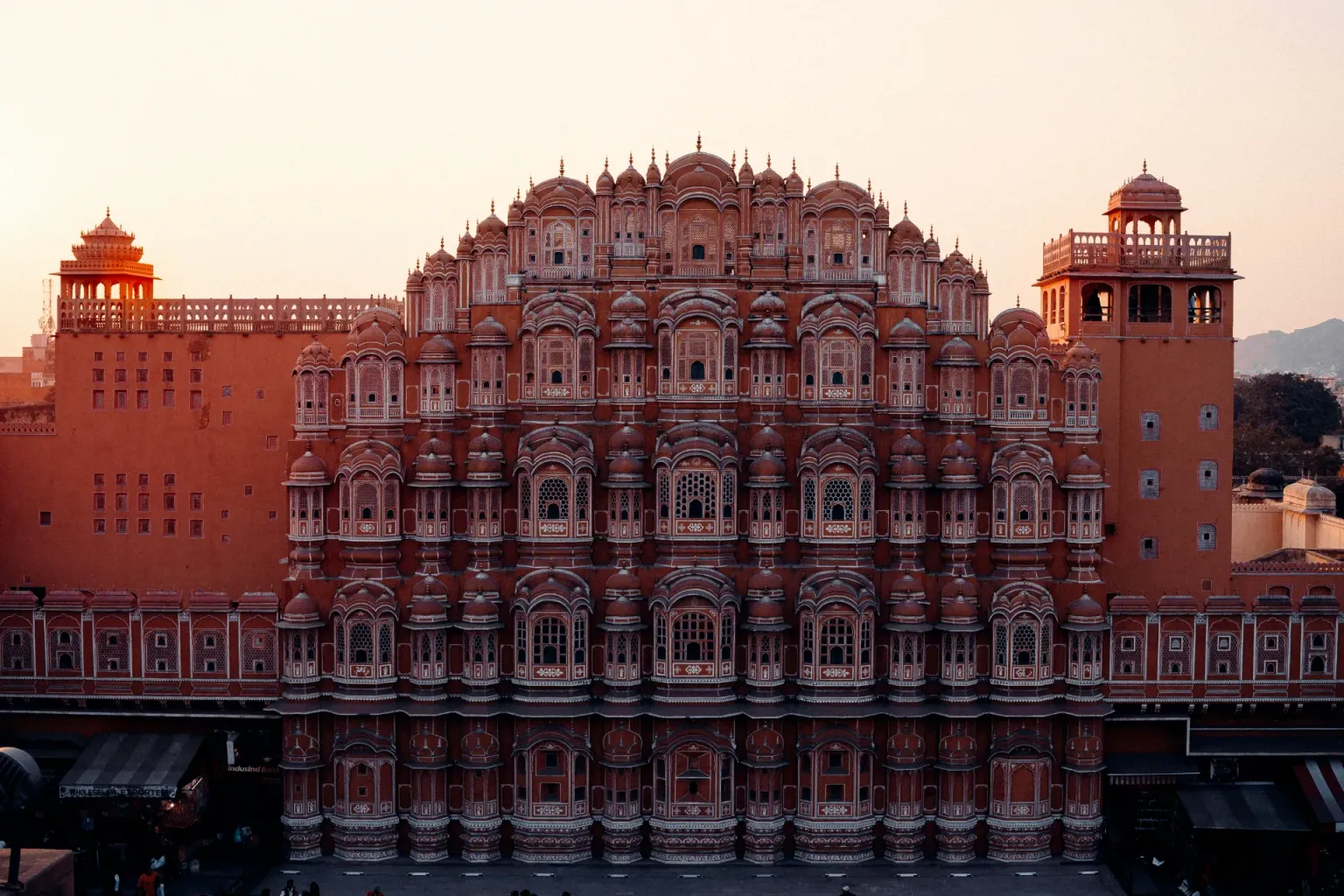 12D / 11N
India Golden Triangle & Rajasthan Heritage Tour Package
Delhi, Agra, Jaipur, Jodhpur, Udaipur
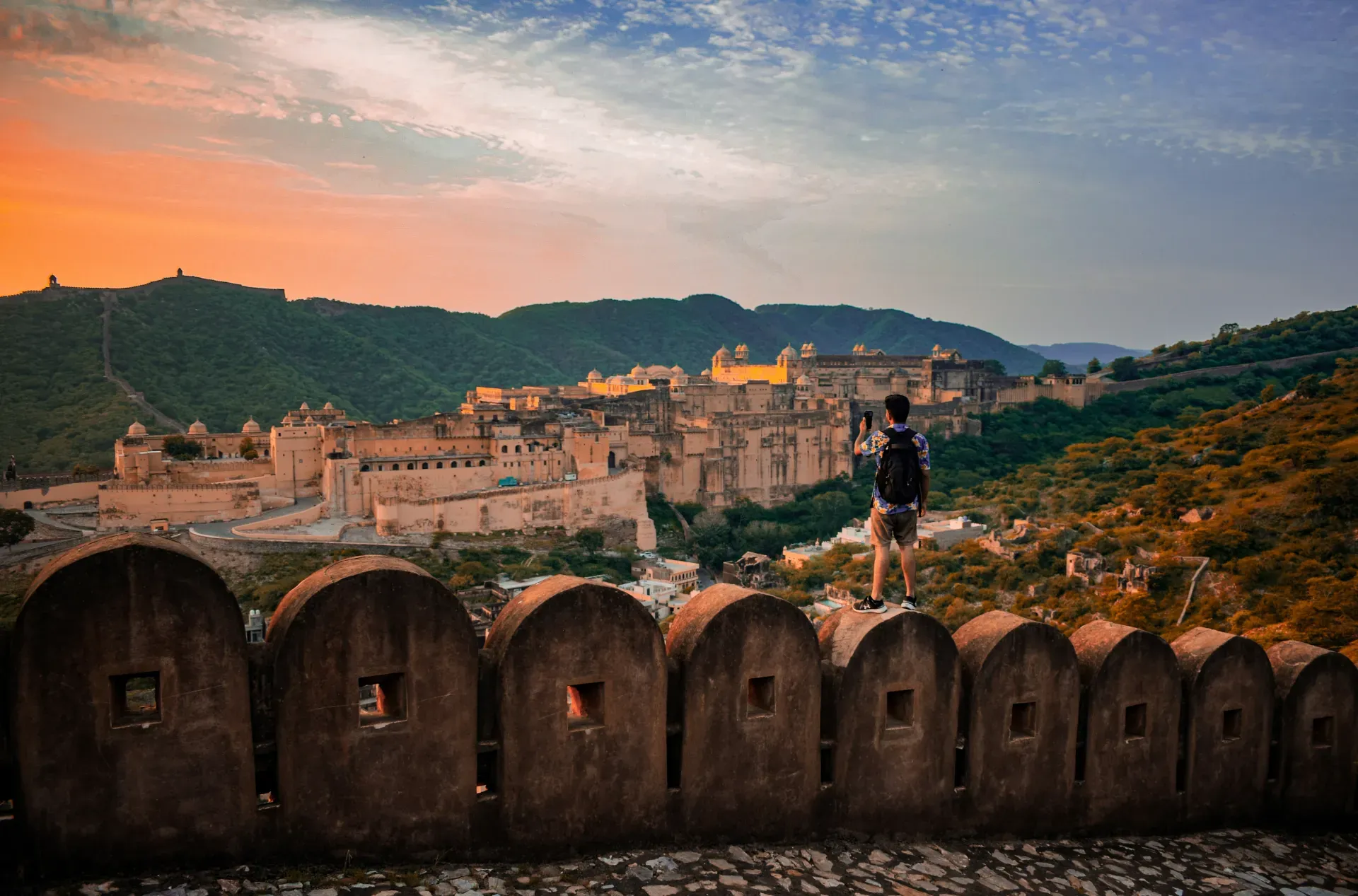 7D / 6N
Royal Rajasthan Heritage Tour Package
Jaipur, Jodhpur, Jaisalmer, Udaipur
Rajasthan experiencesTop Things to Do in Rajasthan
Mehrangarh Fort at Dawn — Jodhpur
Insider tip
Mehrangarh Fort Indian rate ₹100 + Museum + Audio Guide ₹100 combo. Open 9 am-5 pm (last entry 4:30 pm). Audio guide ₹100 NON-NEGOTIABLE — transforms architecture from impressive to comprehensible.
Sam Sand Dunes Full Moon — Jaisalmer
Insider tip
Sam Sand Dunes 42km west via NH15 + last 6km dirt track. Direct village operators: ₹500-1,200 jeep round-trip OR ₹800-1,500 camel + jeep combo. Jaisalmer city operators charge 3-5x as much for IDENTICAL experiences.
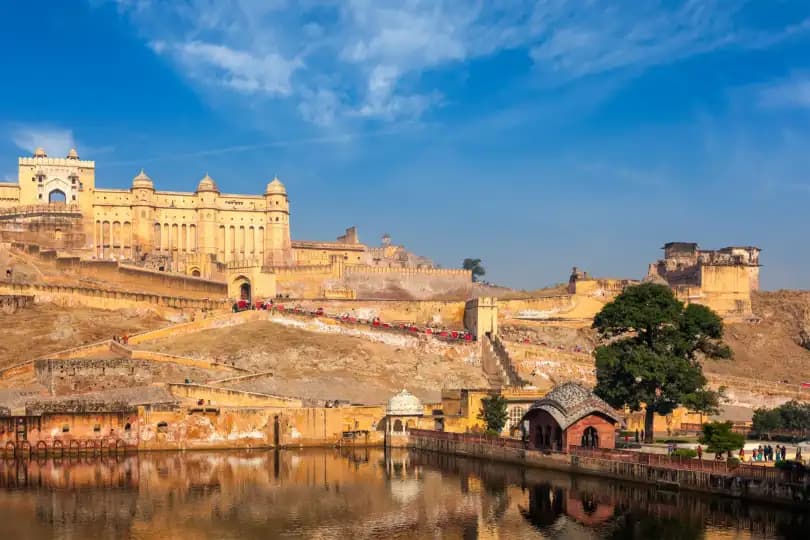
Amber Fort Sheesh Mahal 8 am — Jaipur
Insider tip
Amber Fort gates open at 8 am (Indian rate: ₹100; camera: ₹50). Jeep convoy from Amber base ₹1,500/jeep (4-pax) up to fort gate OR doli (palanquin) ₹400-600.
Ranthambore Morning Safari Zone 3 or 4
Insider tip
Ranthambore booking forest.rajasthan.gov.in 90 days ahead. Indian rate: jeep ₹2,500/person; canter ₹1,000/person. Zone 3 (Rajbagh Lake fort backdrop) + Zone 4 (Padam Talao) highest sighting probability.
Pushkar Camel Fair November
Insider tip
Pushkar Camel Fair dates vary by Kartik Purnima (Hindu lunar calendar) — typically late October to mid-November. Check the RTDC website for the exact 2026 dates. 5-day fair + ratha yatra processions + cultural performances.
Jodhpur Old City Walk 6am
Insider tip
Best chai stalls: Shahi Samosa near the clock tower + lassi at Mishrilal (oldest lassi shop in Jodhpur). Photography respect: ask before photographing women + religious processions. Stop at the Pal Haveli rooftop restaurant for afternoon views of Mehrangarh.
Block Printing Workshop Sanganer or Bagru — Jaipur
Insider tip
Sanganer + Bagru workshops ₹1,500-3,500 for a 2-hour participation session (includes a printed scarf or fabric take-home). Direct village booking via Anokhi, Jaipur Bloc, and Bagru Textiles. Sanganer 16km Jaipur 30 min taxi + Bagru 32km 45 min. Block printing 8-10 generation family lineages.
Bishnoi Village Safari — Jodhpur
Insider tip
Bishnoi village safari ₹1,500-2,500 half-day jeep (4-pax). Direct booking via Jodhpur heritage hotels OR Bishnoi Village Safari Camp.
Palace on Wheels 7-Night Royal Circuit
Insider tip
Palace on Wheels ₹4,75,000-7,25,000/person— book at the-palace-on-wheels.com OR RTDC offices. Departures Wednesdays, October-March from Delhi Safdarjung station.
Jaisalmer Fort at Sunset
Insider tip
Jaisalmer Fort outer rampart walk FREE 24/7.
Sample Itineraries for Rajasthan
See how each trip is paced, from arrival to departure. These are sample day-by-day plans; we tailor the dates and details.
Rajasthan Sprint — 3 Days (Jaipur Pink City)
- Day 1Jaipur
Arrive JAI, Amber Fort (elephant ride or jeep, the Sheesh Mahal — Hall of Mirrors), City Palace, Hawa Mahal.
Advice
Amber Fort at 7am (the main gate queue is shortest before 8 am; the Sheesh Mahal is lit by a single candle via a mirror system during the guided tour — the most specifically optical single palace chamber in India).
- Day 2Jaipur (Hill Forts + Museum)
Jantar Mantar (the world's largest stone observatory, UNESCO, the Samrat Yantra sundial accurate to 2 seconds), Nahargarh Fort sunset.
Advice
The Samrat Yantra at Jantar Mantar (the 27m stone sundial, the most accurate pre-digital human timekeeping instrument, still functional — the shadow moves 1mm every 2 seconds) casts the highest vertical shadow at 11 am.
- Day 3Jaipur → Sanganer → Delhi/onward
Jal Mahal (Water Palace) photography from road — no entry needed. Sanganer block printing village (16km) 2-hour artisan workshop OR Bagru natural dye workshop (32km). Birla Mandir + Moti Dungri Ganesh temple. Lunch at Chokhi Dhani village resort OR Bhairon Niwas. Departure Jaipur Airport OR Shatabdi to Delhi.
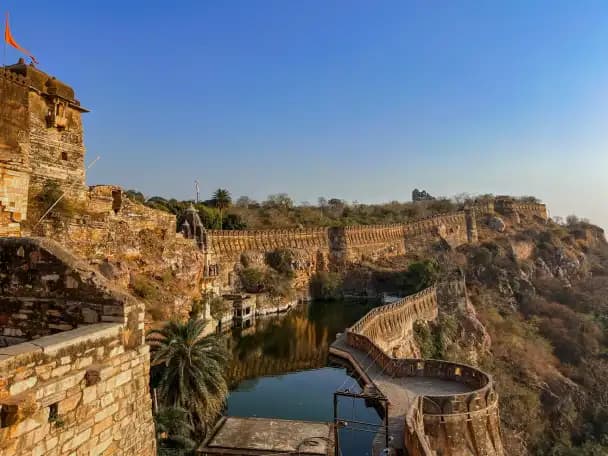
Rajasthan Classic — 7 Days (Jaipur + Jodhpur + Jaisalmer + Udaipur)
- Day 1Delhi → JaipurShatabdi Delhi-Jaipur 4.5 hrs OR 45-min flight. Hotel check-in. Amber Fort 8am — Sheesh Mahal morning light. City Palace + Jantar Mantar. Johari Bazaar + Old City dinner.
Advice
Amber Fort 8 am critical. Shatabdi is the cheapest and most reliable. Open-jaw flight Jaipur in + Udaipur out RECOMMENDED — saves 14-hour return trip Day 7.
- Day 2Jaipur → Jodhpur (Train/Drive 5-6 hrs)
Mandore Express OR drive: Jaipur-Jodhpur, 5-6 hrs, NH62. Afternoon arrival in Jodhpur. Mehrangarh Fort Museum: 2 hours minimum. Sardar Market clock tower bazaar evening. Old city walk Nai Sarak + Mochi Bazaar.
Advice
Mandore Express Jaipur-Jodhpur overnight 8 hrs alternative. Mehrangarh Museum AUDIO GUIDE ESSENTIAL — 800-year Rathore dynasty context. Eat at Pal Haveli rooftop for Mehrangarh illuminated view. Stay at Singhvi's Haveli + Ajit Bhawan OR Umaid Bhawan for splurge. - Day 3Jodhpur (Fort + Villages)Mehrangarh outer rampart 7am — Chamundi Devi Terrace blue city panorama (most extraordinary visual hour of Rajasthan). Bishnoi village safari half-day (25km circuit, 5-6 villages, 500-year non-violence community + deer/peacocks/blackbuck). Rooftop dinner — Mehrangarh illuminated.
Advice
Bishnoi safari ₹1,500-2,500 jeep half-day. Khejarli Memorial 363 villagers' sacrifice 1730 first tree-protection movement. Respect photography rules (no women indoors + no children touch). Carry water + cap. AVOID food offered to villagers. Mehrangarh dawn photography from outer road BEFORE 9am opening. - Day 4Jodhpur → Jaisalmer (Drive/Train 5.5 hrs)Jodhpur-Jaisalmer 5.5 hrs NH68 OR Jaisalmer Express train. Afternoon Jaisalmer Fort + Patwon ki Haveli (5-mansion Jain merchant complex 60+ jharokas) + Salim Singh ki Haveli. Fort sunset walk — golden hour rampart (entire fort turns gold).
Advice
Jaisalmer Express, Jodhpur-Jaisalmer, overnight 6-hr sleeper. Drive route via Pokaran (military test site) + Khuhri sand dunes alternative. Patwon ki Haveli ₹50-100 Indian rate inside fort. Sunset 5:30 pm October. Stay inside-fort = support living-fort economy (Hotel Nachana Haveli OR Killa Bhawan) OR outside-fort modern (Suryagarh, WelcomHotel).
- Day 5Jaisalmer → Kuldhara → Sam Dunes
Kuldhara ghost village 7 am 18km (abandoned overnight 1825 by 1,500 people — complete village in desert with grinding stones still in doorways). Sam Sand Dunes 42km west, afternoon — jeep + camel circuit + dune photography. Desert camp sunset + full moon if lunar timing is right. Folk performance dinner (Manganiyar + Kalbelia).
Advice
Kuldhara ₹50 Indian rate + ₹20 vehicle. Sam Dunes DIRECT village operators ₹500-1,200 jeep vs Jaisalmer city operators ₹2,000-3,500 (3-5x markup). Camel safari short circuit ₹300-500 per camel 30-min. Desert camp overnight ₹1,500-5,500 (Sam village direct OR Khuri 40km south less commercial).
- Day 6Jaisalmer → Udaipur (Drive 7 hrs OR Flight)
Drive Jaisalmer-Udaipur 7 hrs (via Jodhpur OR direct via Pokaran-Pali) OR Jaisalmer Airport (JSA) flight via Delhi 6 hrs total. Afternoon Udaipur City Palace Museum (the largest palace complex in Rajasthan, 22 Maharanas, 400 years). Sahelion ki Bari garden 1710. Lake Pichola boat sunset+ Jag Mandir island.
- Day 7Udaipur → IndiaMonsoon Palace sunrise drive (western hilltop silhouette). Fateh Sagar Lake circuit + Bagore ki Haveli folk performance morning. Lunch lakeside Ambrai OR 1559 AD. Udaipur Airport (UDR) afternoon — direct flights Delhi/Mumbai/Bengaluru.
Advice
Monsoon Palace ₹120 entry. Sunrise drive worthwhile, or sunset at 5:30 pm for silhouette photography. Bagore ki Haveli folk performance Dharohar daily — Rajasthani folk dances + puppet shows. Udaipur Airport 22 km from the city, ₹600-900 taxi, 45 min. UDR flights IndiGo + Air India + Akasa direct to major Indian cities.
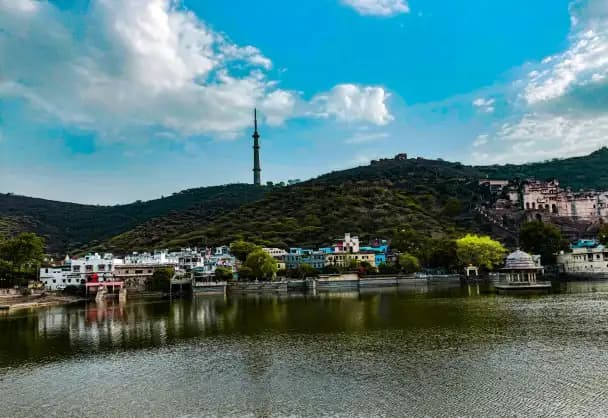
Rajasthan Complete — 12 Days (Full Heritage + Desert + Wildlife + Lakes)
- Day 1Delhi → JaipurShatabdi/flight to Jaipur. Amber Fort 8am Sheesh Mahal. City Palace + Jantar Mantar. Hawa Mahal sunset.
Advice
Open-jaw flight Jaipur in + Udaipur out essential for 12-day circuit. Saves 2 hotel nights + 14-hour return trip. - Day 2JaipurJaigarh + Nahargarh hill forts morning. Albert Hall Museum afternoon. Sanganer block printing OR Old City bazaars Bapu + Johari + Kishanpole. Chokhi Dhani village dinner.
Advice
Jaigarh world's largest wheeled cannon Jaivana 1720. Sanganer block-print workshop ₹1,500-3,500 includes scarf. AVOID gem shops + 'government export scheme' scam. - Day 3Jaipur → Sawai Madhopur (3 hrs)Drive Jaipur-Sawai Madhopur 3 hrs OR train Jaipur-Sawai Madhopur Jan Shatabdi 2 hrs. Hotel check-in Ranthambore Road. Afternoon safari Zone 3 OR 4 (2:30pm-6pm) — Bengal tiger + Ranthambore Fort backdrop.
Advice
Direct Forest Department booking forest.rajasthan.gov.in 90 days ahead ₹2,500 jeep + ₹1,000 canter per person Indian rate. Zone 3 Rajbagh Lake + Zone 4 Padam Talao highest probability. AVOID hotel desks 30-50% markup. - Day 4Ranthambore → Bundi (2.5 hrs)Morning safari Zone 3 OR 4 (6:30am-10am most active tigers). Drive to Bundi 2.5 hrs afternoon. Bundi Palace + Chitrashala palace murals (most extravagantly painted in Rajasthan). Rani ji ki Baori stepwell sunset.
Advice
Morning safari outperforms afternoon — tigers active pre-warming. Bundi entry ₹100 Chitrashala. Rani ji ki Baori 46m descent 1699 finest stepwell Rajasthan. Stay Bundi Haveli OR Ishwari Niwas Palace ₹3,500-12,000. - Day 5Bundi → Chittorgarh (2.5 hrs)Bundi morning walk — Taragarh Fort + Sukh Mahal lakeside palace. Drive Chittorgarh 2.5 hrs. Full Chittorgarh Fort day — Vijay Stambh (Tower of Victory 37m) + Kirti Stambh (Tower of Fame 22m) + Padmini Palace + Rana Kumbha Palace + jauhar sites. Overnight Chittorgarh.
Advice
Chittorgarh ₹100 Indian rate. 700 acres LARGEST fort India. 3 sieges (1303 + 1535 + 1568) + 3 jauhar acts (mass self-immolation Rajput women). Queen Padmini legend. Local guide ₹500-800 ESSENTIAL — context transforms ruins to emotional encounter. Padmini Palace hotel overnight ₹3,500-8,500. - Day 6Chittorgarh → Udaipur (2 hrs)Drive Udaipur 2 hrs. Hotel check-in Lal Ghat OR Hanuman Ghat lakeside. Afternoon City Palace Museum + Sahelion ki Bari garden. Lake Pichola RTDC boat sunset cruise (₹300-500) + Jag Mandir island.
Advice
City Palace ₹300 + audio guide ₹250. Lake Pichola RTDC boat at City Palace jetty ₹300-500 vs hotel-arranged ₹1,500-3,000 SAME experience. Jagat Niwas + Amet Haveli lakeside boutique ₹14,000-32,000 Pichola views from balcony. - Day 7Udaipur (Day trips Nathdwara + Eklingji)Nathdwara Vishnu temple 50km (Shrinathji temple 17th century Pushtimarg pilgrimage centre). Eklingji temple complex 22km north (108 small temples 8th century). Return Udaipur evening. Bagore ki Haveli folk performance Dharohar 7pm.
Advice
Nathdwara aarti timings strictly enforced — confirm before visit. Eklingji ₹50 entry main shrine. Bagore ki Haveli ₹150 Dharohar performance 7pm daily 1 hour Rajasthani folk dances + Kathputli puppet show. Best non-fort cultural experience Udaipur. - Day 8Udaipur → Jodhpur (5 hrs)Drive Udaipur-Jodhpur 5 hrs via Ranakpur Jain Temple (1,444 marble pillars no two alike) OR Kumbhalgarh Fort UNESCO (second-longest wall in world 36km). Afternoon Mehrangarh Museum 2 hours. Blue city sunset walk Sardar Market.
Advice
Ranakpur ₹200 + camera ₹100 + audio ₹100. Kumbhalgarh ₹100 fort + entry ₹50 wall walk. Both worth detour adds 2-3 hours to Udaipur-Jodhpur drive — choose ONE. Ranakpur for Jain architecture, Kumbhalgarh for fort + wall. - Day 9JodhpurMehrangarh outer rampart 7am Chamundi Devi Terrace blue city panorama. Bishnoi village safari half-day (25km, 5-6 villages, 500-year non-violence). Mandore Garden + cenotaphs afternoon. Clock Tower bazaar evening.
Advice
Mehrangarh Museum audio guide essential 2 hours. Bishnoi safari ₹1,500-2,500. Khejarli Memorial 363 villagers' sacrifice. Mandore Garden FREE cenotaphs + Rao Jodha rock park. Lassi at Mishrilal Mehrangarh-area oldest lassi shop Jodhpur. - Day 10Jodhpur → Jaisalmer (5.5 hrs)Drive Jodhpur-Jaisalmer 5.5 hrs NH68 OR Jaisalmer Express overnight. Afternoon Jaisalmer Fort + Patwon ki Haveli. Fort sunset walk golden hour rampart.
Advice
Drive via Pokaran (military test site visible from highway). Bada Bagh cenotaphs 6km north for sunset photography. Stay inside-fort heritage OR outside-fort modern (Suryagarh + WelcomHotel). Inside-fort stays support living-fort economy. - Day 11Jaisalmer → Kuldhara → Sam DunesKuldhara ghost village 7am (abandoned 1825). Sam Sand Dunes 42km west afternoon — jeep + camel circuit. Desert camp sunset + full moon if lunar timing right (October-December peak). Folk performance dinner.
Advice
Direct village operators ₹500-1,200 vs Jaisalmer city ₹2,000-3,500. Desert camps ₹1,500-5,500 — Sam village OR Khuri 40km south less commercial. Full moon check timeanddate.com. Carry warm layer + headlamp. - Day 12Jaisalmer → DelhiDesert morning walk. Bada Bagh cenotaphs. Drive Jodhpur Airport (5.5 hrs) OR Jaisalmer Airport (JSA) limited direct flights to Delhi/Mumbai. Departure.
Advice
JSA Jaisalmer Airport seasonal limited services — verify October-March schedule. Alternative: drive to Jodhpur Airport (JDH) 5.5 hrs reliable connections. Total Rajasthan circuit 12 days STILL does NOT cover Mandawa Shekhawati + Bikaner + Mount Abu — full Rajasthan experience requires 18-21 days honestly.
Where to Stay in Rajasthan
Jaipur — Old Walled City
Udaipur — Lake Pichola Shore
Jodhpur — Inside Old City Walls
Jaisalmer — Sam Sand Dunes
Travel Costs for Rajasthan
Budget
₹1,200-2,500 per person per dayMoney-saving travel- Stay
- Heritage guesthouse OR haveli guesthouse
- Food
- Local dhabas + 1 restaurant meal
- Getting around
- RSRTC bus + shared auto + city tuk-tuk
Mid-range
₹3,500-8,000 per person per dayComfortable everyday travel- Stay
- 3-star heritage hotel / converted haveli
- Food
- Hotel breakfast + 1 restaurant dinner
- Getting around
- Hired taxi for day circuits
PREMIUM
₹10,000-25,000 per person per dayper person, per day- Stay
- Boutique palace hotel / heritage property
- Food
- Fine dining at heritage property + one rooftop dinner
- Getting around
- Private car + driver
Luxury
₹30,000-1,50,000+ per person per dayPremium comfort- Stay
- Palace hotel / desert camp / island palace
- Food
- In-house palace restaurant + private dining
- Getting around
- Private vehicle + Palace on Wheels
Travel details
to know.
How to reach Rajasthan and how to get around once you are there: the routes, how long they take and what they cost.
Plan your route ↗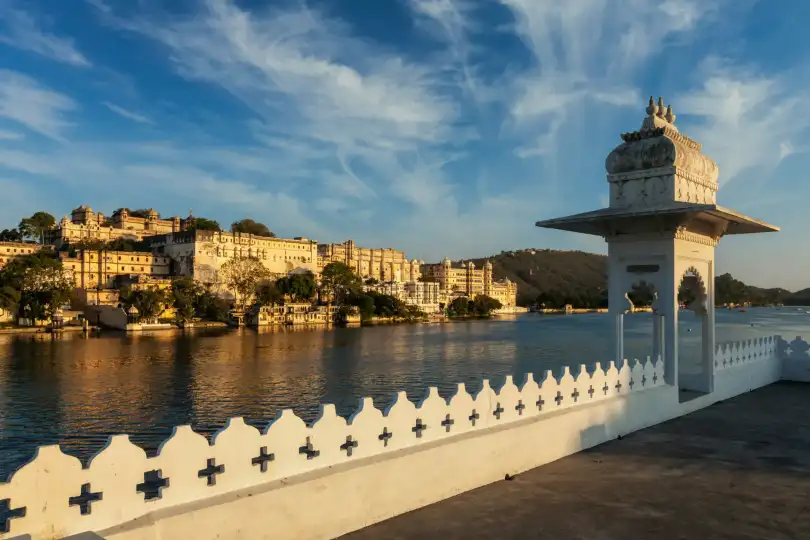 4 ways to travel
Air (Jaipur + Jodhpur + Udaipur + Jaisalmer)
Train (Palace on Wheels + Standard Routes)
Bus (RSRTC Volvo + Private)
Road (Self-Drive + Hire Car)
Good to know
before you go.
What is worth it,
and what to avoid.
- Mehrangarh Fort Museum Audio Guide (₹100). Fort exterior visually overwhelming but contextless without 800-year history of Rathore dynasty. Audio guide OR approved fort guide transforms architecture from impressive to comprehensible. Non-negotiable Vikas Rana recommendation.
- Sam Sand Dunes at Full Moon October-December. Most atmospheric natural moment in Rajasthan costs only jeep or camel hire (₹500-1,200) to reach dunes. NO ticket. No crowd in winter. Check lunar calendar + time Jaisalmer overnight to coincide with full/near-full moon.
- Amber Fort at 8am Weekday. Sheesh Mahal at 8am morning light = most specifically beautiful single room in Indian heritage architecture. At 11am crowd management exercise. One alarm = difference between these two experiences. Indian ticket ₹100 + camera ₹50.
- Bundi as Full Day (Not Pit Stop). Vikas Rana's most unexpected November 2019 discovery. Chitrashala murals more extravagant than anything in more-visited cities. Rani ji ki Baori stepwell finest in Rajasthan. Almost nobody there. Budget full day minimum + overnight optional.
- Open-Jaw Flight Jaipur In + Udaipur Out. Additional cost ₹3,000-6,000 over round-trip recovered in 2 hotel nights saved by eliminating 14-hour round trip Jaipur return from Udaipur. For any 7+ day circuit open-jaw ALWAYS correct format. Skyscanner multi-city search.
- October-November Travel Window. Vikas Rana November 2019 visit = perfect weather + Pushkar Camel Fair + Diwali aftermath decorations + post-monsoon Aravalli green still visible. Most complete single Rajasthan experience available in any month.
- Heritage Hotel Stay Minimum 2 Nights. Staying in converted Rajput haveli OR palace hotel is NOT luxury add-onit IS the specific Rajasthan accommodation format. Architecture + courtyard + staff in Rajasthani dress + property's own history part of experience.
- Bishnoi Village Safari from Jodhpur (₹1,500-2,500 jeep half-day). Most ethically meaningful + historically specific excursion available from any Rajasthan city. 500-year non-violence community + deer + peacocks between houses. 25km from Jodhpur. Non-negotiable Jodhpur addition.
- Direct Forest Department Ranthambore Booking. forest.rajasthan.gov.in allocates zone-wise canter + jeep permits directly 90 days ahead. Hotel desks add 30-50% commission for identical zone access. Zone 3 + Zone 4 morning safari (6:30am) sell out fastest.
- Pushkar Camel Fair Pre-Book by August. Pushkar has fewer than 80 hotels + fair brings 200,000+ visitors. Accommodation unavailable + prices multiply 5-8x in fair week if not booked by August. Most time-sensitive single Rajasthan planning decision.
- Elephant Ride at Amber Fort. Animal welfare concerns around Jaipur's captive elephant operations extensively documented by wildlife welfare organisations. Doli (palanquin) + jeep convoy alternatives provide IDENTICAL fort access. NOT a close callskip the elephant ride.
- Gem Purchase in Jaipur Tourist Area Shops. Most sophisticated tourist scam in India operates in Jaipur's tourist-facing gem shopsvisitors befriended over days + introduced to 'government gem export scheme' + sold synthetic or grossly overpriced stones. Only Rajasthali emporia with hallmarking certificates.
- Visiting Mehrangarh Between 11am-3pm. Fort at 11am = 800 tourists + 20 guide voices simultaneously. Fort at 7am = 20 visitors + silence + blue city below in morning light. Vikas Rana experienced both versions November 2019categorically different events same location.
- Camel Safari Booked Through Jaisalmer City Operator. Identical camel + identical desert + identical sunset at Sam village direct operators for 30-40% of what Jaisalmer city operators charge. City operators add commission layers without adding experience. Book at source.
- Skipping Bundi + Chittorgarh for Third Udaipur Day. Third day Udaipur adds marginal value. 2.5-hour drive to Chittorgarh (India's largest fort) + 2.5-hour drive to Bundi (most painted palace + almost no tourists) together add MORE to Rajasthan than additional Udaipur time.
- Rajasthan in April-June. Thar Desert at 45-48°C is GENUINE physical danger for unprepared visitors, NOT planning inconvenience. Jaisalmer in May = medical risk not photogenic city visit. Rajasthan is a winter destination. Heat exhaustion + dehydration serious risk.
- Hotel Desk Safari Booking at Ranthambore. Hotel desks at Ranthambore resorts add 30-50% to Forest Department permit price for identical zone access. Book directly forest.rajasthan.gov.insame zone + same jeep + same tiger sighting probability + government rate.
- Pushkar During Camel Fair Without Advance Accommodation. Pushkar has fewer than 80 hotels. Fair brings 200,000+ visitors. Accommodation unavailable + prices multiply 5-8x in fair week if not booked by August. Single most time-sensitive Rajasthan planning decision.
- Auto-Rickshaw Diversions to Textile Shops. Rickshaw drivers in Jaipur + Jodhpur earn commissions taking tourists to specific textile shops. Agree 'no shops only destinations' EXPLICITLY before boarding + maintain regardless of 'free' workshop offers. Pure commission scam.
- Hotel-Booked Lake Pichola Cruise Udaipur. RTDC boat circuit at City Palace jetty covers identical water at fraction of hotel-arranged pricing. ₹300-500 RTDC vs ₹1,500-3,000 hotel-arranged for same boat + same lake + same City Palace + Jag Mandir island stops.
Experience Royal Heritage !
Fort Palace Stays & Thar Desert Camp Packages
Custom Rajasthan Tour ↗Common questions
about Rajasthan.
Visas, costs, safety and the practical questions travellers ask us most.
Do Indians Need Any Permit or Pass to Visit Rajasthan in 2026?
Rajasthan Trip Cost 2026 — 7 Days from Delhi?
When is the Best Time to Visit Rajasthan?
Which Rajasthan Cities Should First-Time Visitors Prioritise?
Is Rajasthan Safe for Solo Women Travellers?
How Do I Book Ranthambore Tiger Safari Permits?
What is the Palace on Wheels and is it Worth it?
How Many Days Are Enough for Rajasthan?


Have a Rajasthan trip
in mind?
Choose a package, or tell us the dates, hotels and experiences you want. We check the details and send you a clear quote. Pay in BTC, ETH, USDT, USDC and 90+ other coins, with other methods confirmed on request.