Himachal Pradesh
Shimla Mall Road, Solang Valley Snow Sports, Manali & Dharamshala
- Honeymoon
- Family
- Luxury
- Nature
- Scenic
Himachal Pradesh, your way.
With time for what matters.
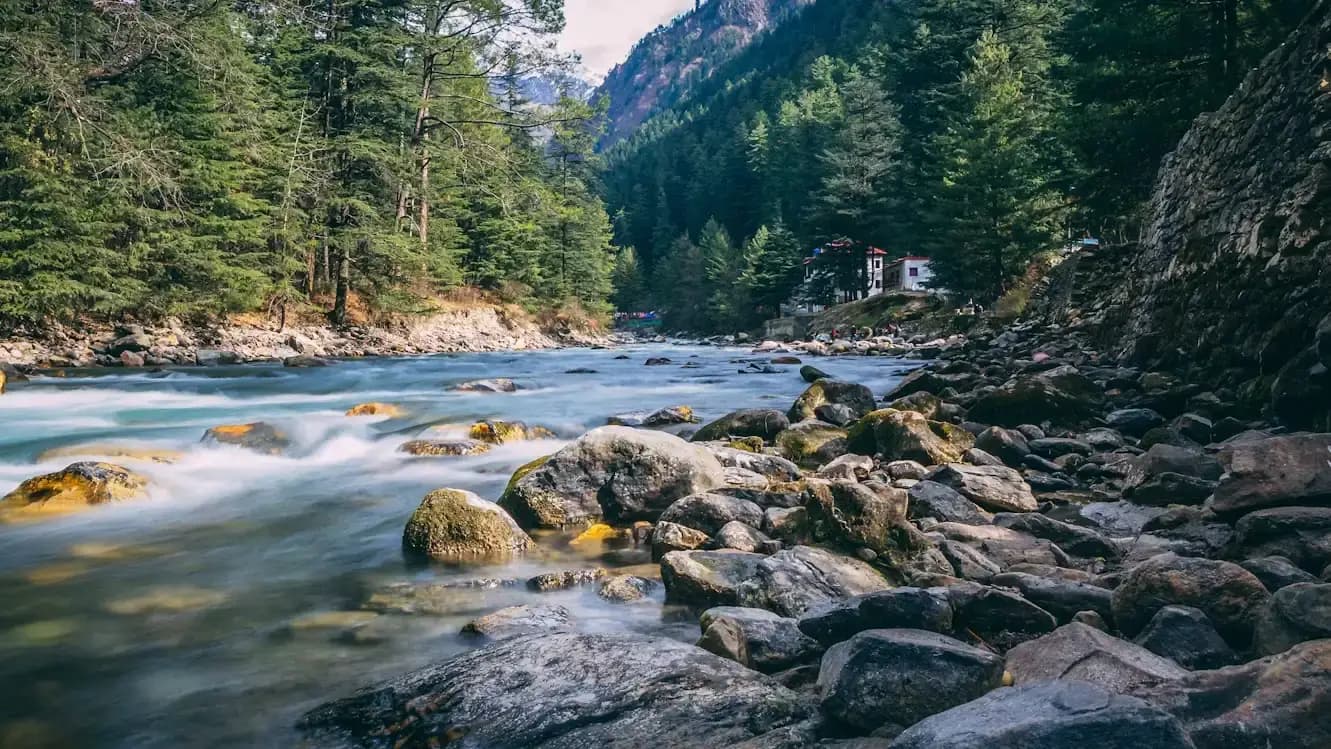
Himachal Pradesh is a Himalayan state of 55,673 sq km — the state that contains the most extreme range of landscapes available within a single Indian administrative boundary: colonial hill station (, Buddhist monastery and desert mountain valley (Spiti, 3,800m+), Hindu pilgrimage town (Mandi, Baijnath, Jwalamukhi), tribal apple farming (Kinnaur), river valley hippie culture (Kasol/Parvati Valley), Tibetan-in-exile capital (Dharamsala/McLeod Ganj), and dense cedar forest colonial resort (Dalhousie, Khajjiar).
Why Himachal Pradesh in 2026 — A Resident's Honest Answer
Why Visit Himachal Pradesh
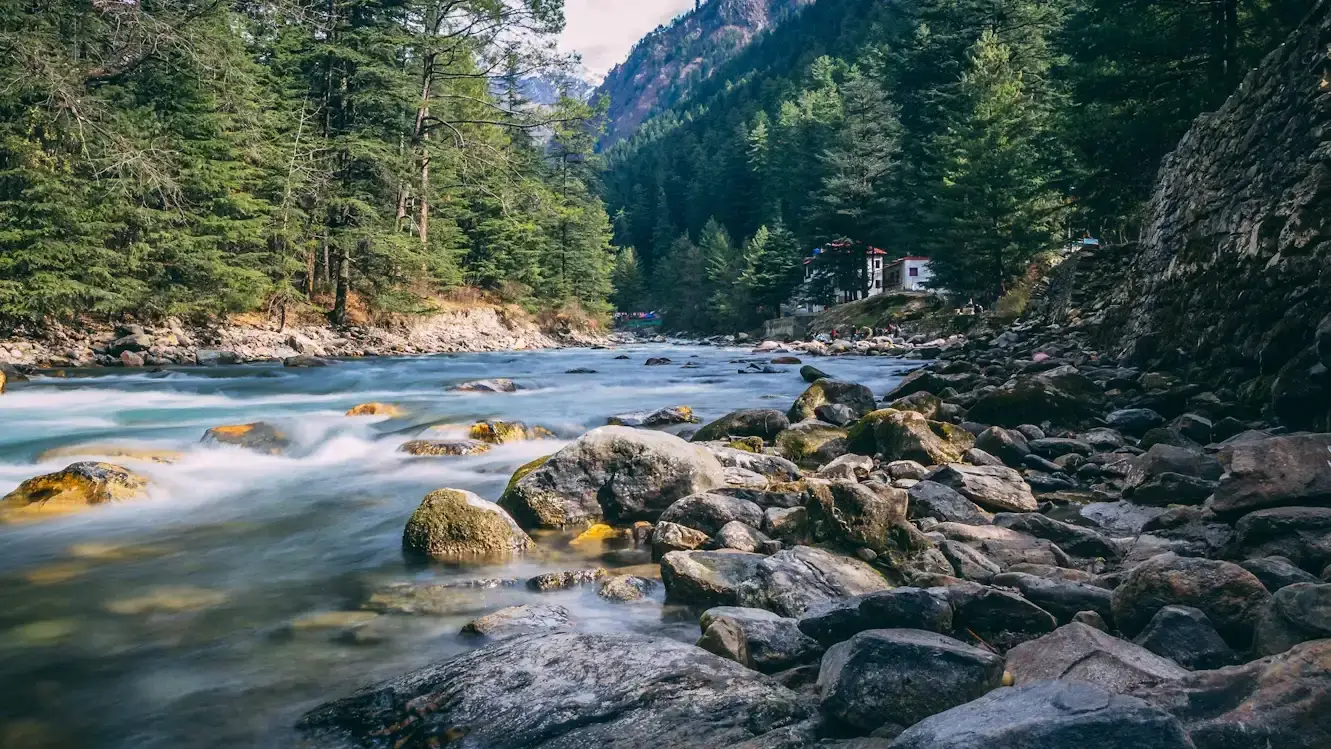
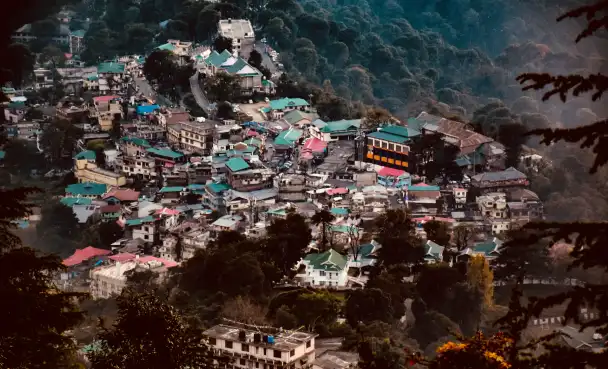
Most people come to Manali, spend three days on Mall Road, do a Rohtang Pass day trip in a crowded queue, and leave thinking they have seen Himachal. They have seen 3% of it. The state has seven completely distinct travel personalities — the British-era colonial hill station of Shimla with its toy train and Mall Road; the Kullu-Manali valley with its apple orchards and adventure sports infrastructure; the Tibetan cold desert of Spiti at 3,800m where Key and Tabo monasteries have stood for over a thousand years; Dharamsala and McLeod Ganj where the Dalai Lama lives and Tibetan exile culture has created one of India's most internationally layered small towns; the Parvati Valley's dramatic gorge trail from Kasol through Kheerganga to the high-altitude glaciers; the Kinnaur highway where NH5 cuts through a 200m deep Sutlej gorge beneath apple trees; and the completely undiscovered Chamba district where 7th-century rock temples and Gaddi shepherd migrations happen with almost no outside observers. No passport needed. Best time depends entirely on which Himachal you want — this guide covers all seven.
Key Features of Himachal Pradesh
Best places to visit in Himachal Pradesh
 01 / Place
Spiti Valley — The Cold Desert
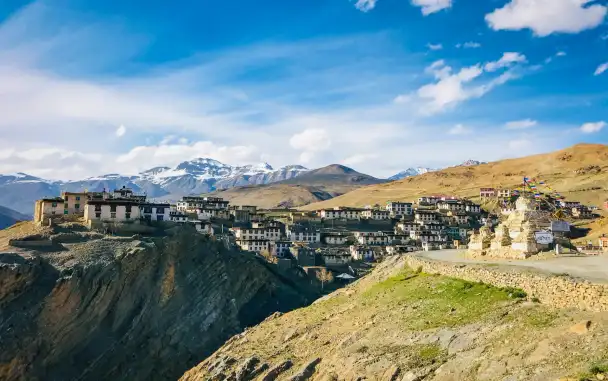
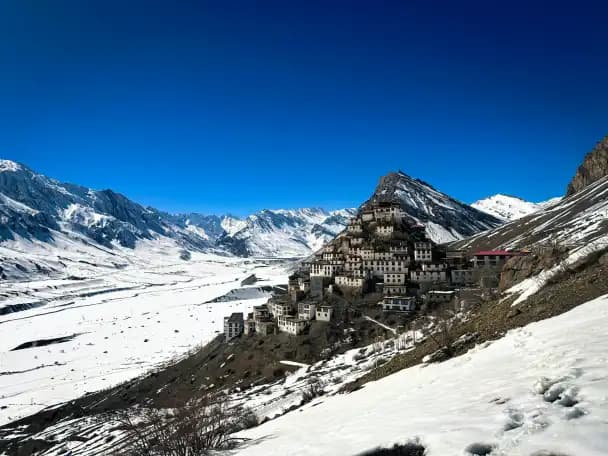
As a Himachal resident, I am most proud of and most protective of Spiti. At 3,800–4,500m elevation, it is geographically and culturally Tibet — white-walled monasteries on cliff faces above river confluences, mani walls along mountain roads, villages that look unchanged from the 11th century, and a silence at altitude that is physically different from lowland quiet. Key Monastery (4,166m), the largest in Spiti, has been continuously inhabited for over 1,000 years. Tabo Monastery (996 AD) holds the most important early Buddhist art in India — the Dalai Lama has chosen it as his meditation retreat. Chandratal Lake at 4,270m turns deep blue in late evening light. The Pin Valley National Park, adjacent to Spiti, is the most accessible snow leopard habitat in India. 02 / Place
Dharamsala & McLeod Ganj
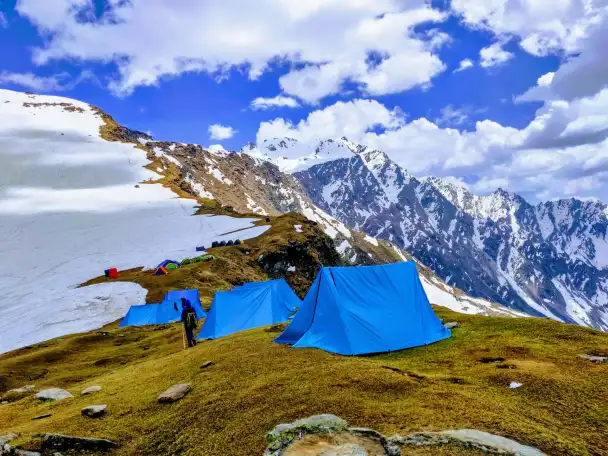
McLeod Ganj is one of the most internationally layered small towns in India — a Tibetan exile community of 10,000+ people, the Dalai Lama's residence (Namgyal Monastery), Tibetan government-in-exile offices, international yoga and meditation centres, and the most concentrated Buddhist cultural infrastructure outside Tibet. The Dalai Lama's public teachings (norms vary by year — check dalailama.com ) draw participants from 40+ countries. The Triund ridge above McLeod Ganj (2,827m, 3-hour trek) gives the most complete Dhauladhar Himalayan panorama accessible as a day trek from any HP town. Norbulingka Institute preserves and teaches traditional Tibetan arts — thangka painting, woodcarving, metalwork — in workshops open to visitors.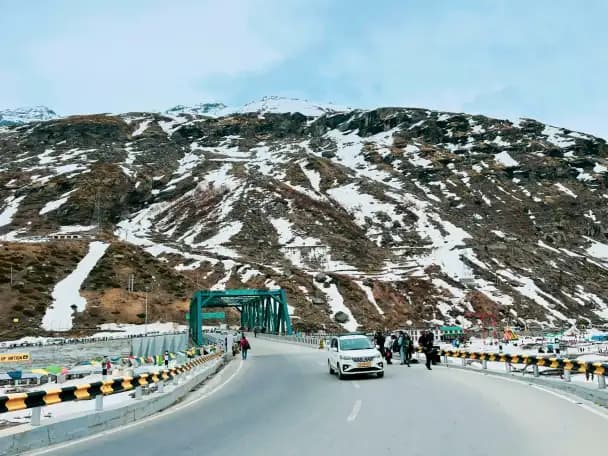 03 / Place
Manali & Kullu Valley
Manali is Himachal's most visited destination and — as a resident — I will say honestly that it has become over-commercialised along the Mall Road. The real Manali is Old Manali village (5 minutes north), Vashisht hot spring village, Naggar Castle 20km south, and the approach to the high passes. Hadimba Temple (1553 CE) in a deodar forest is the most architecturally specific Manali heritage site — visit at 7am before souvenir vendors establish. The Atal Tunnel (9.02km, world's longest highway tunnel above 3,000m) connects Manali to Lahaul valley directly — opened 2020, it eliminates the seasonal Rohtang Pass closure and gives year-round access to the Sissu waterfall landscape beyond. 04 / Place
Shimla & Surroundings
Shimla was the summer capital of British India — and the architecture, the Mall Road, the Ridge, and Scandal Point still carry that specific colonial layering. The Kalka–Shimla Narrow Gauge Railway (UNESCO World Heritage) climbs 2,076m over 96km through 102 tunnels — the journey is the experience, not just the destination. Christ Church on the Ridge (1857) is the most specifically British-era structure in Himachal. Jakhu Temple above Shimla, at 2,455m with a 108-foot Hanuman statue, gives the most complete Shimla panorama. Kufri (13km from Shimla) and Narkanda (65km) are ski destinations in winter and apple country in autumn.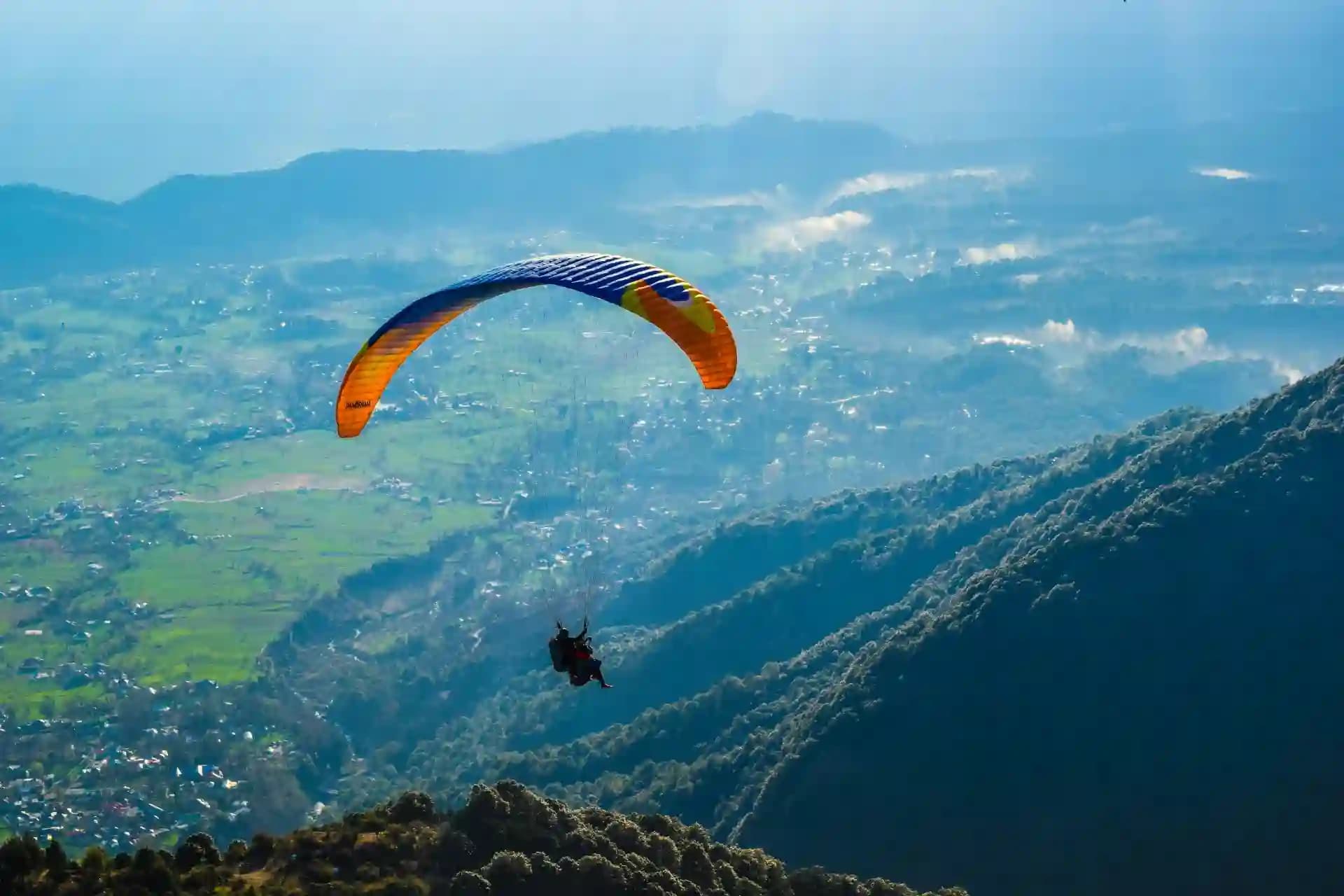 05 / Place
Bir Billing — Paragliding Capital
Bir Billing is where I bring visitors who have already done Manali and want the Himachal that travel brochures don't show. Bir is a quiet Tibetan Buddhist settlement at 1,525m in the Kangra Valley — the landing field for the world's most celebrated cross-country paragliding site at Billing (2,400m). The 2015 and 2019 Paragliding World Cup was held here. A tandem flight from Billing gives 30–45 minutes in the air above the Dhauladhar range with the Kangra Valley visible below at 1,000m — a completely different experience from the 10-minute tourist rides at Solang Valley.As a Himachal resident, I am most proud of and most protective of Spiti. At 3,800–4,500m elevation, it is geographically and culturally Tibet — white-walled monasteries on cliff faces above river confluences, mani walls along mountain roads, villages that look unchanged from the 11th century, and a silence at altitude that is physically different from lowland quiet. Key Monastery (4,166m), the largest in Spiti, has been continuously inhabited for over 1,000 years. Tabo Monastery (996 AD) holds the most important early Buddhist art in India — the Dalai Lama has chosen it as his meditation retreat. Chandratal Lake at 4,270m turns deep blue in late evening light. The Pin Valley National Park, adjacent to Spiti, is the most accessible snow leopard habitat in India.
McLeod Ganj is one of the most internationally layered small towns in India — a Tibetan exile community of 10,000+ people, the Dalai Lama's residence (Namgyal Monastery), Tibetan government-in-exile offices, international yoga and meditation centres, and the most concentrated Buddhist cultural infrastructure outside Tibet. The Dalai Lama's public teachings (norms vary by year — check dalailama.com) draw participants from 40+ countries. The Triund ridge above McLeod Ganj (2,827m, 3-hour trek) gives the most complete Dhauladhar Himalayan panorama accessible as a day trek from any HP town. Norbulingka Institute preserves and teaches traditional Tibetan arts — thangka painting, woodcarving, metalwork — in workshops open to visitors.
Manali is Himachal's most visited destination and — as a resident — I will say honestly that it has become over-commercialised along the Mall Road. The real Manali is Old Manali village (5 minutes north), Vashisht hot spring village, Naggar Castle 20km south, and the approach to the high passes. Hadimba Temple (1553 CE) in a deodar forest is the most architecturally specific Manali heritage site — visit at 7am before souvenir vendors establish. The Atal Tunnel (9.02km, world's longest highway tunnel above 3,000m) connects Manali to Lahaul valley directly — opened 2020, it eliminates the seasonal Rohtang Pass closure and gives year-round access to the Sissu waterfall landscape beyond.
Shimla was the summer capital of British India — and the architecture, the Mall Road, the Ridge, and Scandal Point still carry that specific colonial layering. The Kalka–Shimla Narrow Gauge Railway (UNESCO World Heritage) climbs 2,076m over 96km through 102 tunnels — the journey is the experience, not just the destination. Christ Church on the Ridge (1857) is the most specifically British-era structure in Himachal. Jakhu Temple above Shimla, at 2,455m with a 108-foot Hanuman statue, gives the most complete Shimla panorama. Kufri (13km from Shimla) and Narkanda (65km) are ski destinations in winter and apple country in autumn.
Bir Billing is where I bring visitors who have already done Manali and want the Himachal that travel brochures don't show. Bir is a quiet Tibetan Buddhist settlement at 1,525m in the Kangra Valley — the landing field for the world's most celebrated cross-country paragliding site at Billing (2,400m). The 2015 and 2019 Paragliding World Cup was held here. A tandem flight from Billing gives 30–45 minutes in the air above the Dhauladhar range with the Kangra Valley visible below at 1,000m — a completely different experience from the 10-minute tourist rides at Solang Valley.
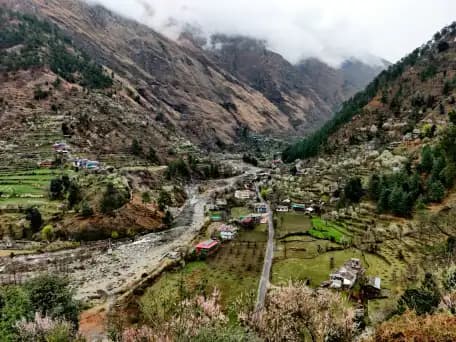
The Parvati Valley — from Bhuntar where the Parvati River meets the Beas to the high-altitude village of Malana and beyond — is the most dramatically gorge-enclosed valley in accessible Himachal. Kasol at 1,640m is the base — a small village on the Parvati River bank with a significant international backpacker community. The Kheerganga trek (12km, 3,050m) ends at a hot spring pool above the treeline with a Himalayan ridge panorama. Malana village above Kasol maintains a specific cultural isolationism — visitors may not touch structures or residents, and must stay on designated paths.
The NH5 highway through Kinnaur cuts through a 200m deep Sutlej River gorge on one side and cliff faces on the other — the most technically dramatic mountain road in accessible Himachal, and simultaneously the most beautiful in October when apple trees heavy with fruit line the road. Kalpa village (2,960m), visible against the Kinnaur Kailash range (6,050m), is where I send visitors who want genuine Himachal high-altitude village character without Spiti's logistical complexity. Nako Lake at 3,662m is a small monastery-ringed lake that most Kinnaur visitors rush past — it deserves an overnight.
The Great Himalayan National Park (UNESCO World Heritage, 2014) is India's most pristine mid-altitude Himalayan ecosystem — 1,171 sq km, home to brown bear, snow leopard, Himalayan tahr, and the western tragopan (India's most threatened Himalayan pheasant). The Tirthan Valley approach from Aut (NH3) is almost entirely unknown to mainstream tourism. The park has no motorised vehicle access — treks into the core zone require Forest Department guides and permits. The Rolla–Pundrik Lake–Tirthan Gorge circuit is the most biodiverse accessible trek in Himachal. I spent three days here in May 2025 — saw western tragopan, Himalayan monal, and koklass pheasant in the same morning.
Khijjar is the place I send visitors who think Himachal Pradesh is only about high-altitude drama — because Khijjar is gentle, green, and effortlessly beautiful in a way that mountain veterans often find more moving than the passes. At 1,920m in the Chamba district, 24km from Dalhousie, Khijjar sits on a wide saucer-shaped meadow ringed by dense deodar and oak forest with a small lake at its centre and the Dhauladhar snow peaks visible above the treeline. UNESCO has formally listed Khijjar as one of the top 10 picnic spots in the world — a distinction most Indian travellers don't know exists. The Khijjar Lake (a shallow natural pond with a floating island of grass) and the Khijjar Fort above the meadow give the specific heritage layer that separates this from a generic hill meadow. Spring (April–May) gives the meadow in full green with Rhododendron in bloom on the forest edge; October gives the first snow on the distant peaks above the still-warm meadow grass.
Prashar Lake is one of the most specific and most photogenic natural sites in Himachal Pradesh — and one that most visitors to Shimla and Manali never reach, which is precisely why it remains worth reaching. At 2,730m above the Uhl River valley, accessible by 7km trek from Baggi village or by road in summer, the lake sits in a circular hollow with a 3-storey pagoda-style temple dedicated to sage Prashar (medieval origin, local attribution to Pandavas) on the bank and a floating island of grass and soil that rotates slowly across the lake surface with wind and current direction. No geological explanation for the island's movement has been definitively established. The Dhauladhar, Pir Panjal, and outer Himalayan ridges are visible simultaneously from the lake bank on clear mornings — the most panoramic single viewpoint accessible by trek from the Mandi circuit. Winter trekking (December–February, snowshoe approach from Baggi) gives the lake surface partially frozen with the snow-covered pagoda visible above the ice — the most photographed winter Himachal image outside Spiti.
Best Time to Visit Himachal Pradesh
January · Avoid Ski-only season. Kufri + Solang skiing. Shimla snowfall. Roads to Spiti/Kinnaur closed (-20°C winters). Manali accessible but Rohtang closed (Atal Tunnel year-round to Lahaul). Snow seekers only.
February · Avoid Same as January. Shivaratri festival Mandi — most important cultural event lower Himachal. Spiti completely closed. Snow seekers + ski enthusiasts only. Cold ₹2-10°C lower altitudes.
March · Good Rhododendron begins. Shimla roads clear. Bir Billing thermals start. Dalai Lama teachings often scheduled. Spiti via Shimla route opening late March. Pleasant 15-25°C mid-altitudes.
April · Best Best month for Kinnaur. Spiti via Shimla route fully open. Buransh rhododendron full bloom. Apple blossom in Kullu. 18-25°C. Shoulder-season pricing 20-30% below peak.
May · Best Yeeshu's personal favourite month. Clear skies before monsoon. Manali-Rohtang road opens late May. GHNP trails accessible. Western tragopan pheasant sighting season. 22-30°C.
June · Good Manali-Spiti via Rohtang fully opens. Hot in Shimla (pleasant). Busy but not overwhelming. Booking 3-4 months ahead Shimla/Manali. Spiti shoulder season.
July · Avoid Monsoon. Landslides on NH5 (Kinnaur) and NH3 (Manali). Shimla pleasant but Kinnaur DANGEROUS. Spiti accessible but Lahaul road conditions variable. Avoid Kinnaur highway.
August · Avoid Same as July. Independence Day celebrations Shimla. AVOID Kinnaur highway — landslide season at peak. Manali commercial peak but Kullu valley monsoon affected.
September · Best Yeeshu's #1 recommendation. Post-monsoon clarity. Apple harvest Kinnaur. Spiti landscapes most vivid. 30% lower prices vs June. Same beauty + far fewer tourists. 18-25°C.
October · Best Apple harvest. Kullu Dussehra (state's biggest festival — 300+ deities arrive on palanquins). Spiti closing window — last access. Buransh hidden valleys. 15-22°C.
November · Good Shimla + Manali accessible. Spiti closes by November. First snow above 3,000m. Good value month — prices 30-40% below peak. 8-18°C lower altitudes.
December · Good Snowfall in Shimla creates festive atmosphere. Christmas in McLeod Ganj. Cold ₹0-10°C — carry appropriate gear. Spiti completely closed. Snow seekers + Christmas atmosphere.
Himachal Pradesh trips,
ready to personalise.
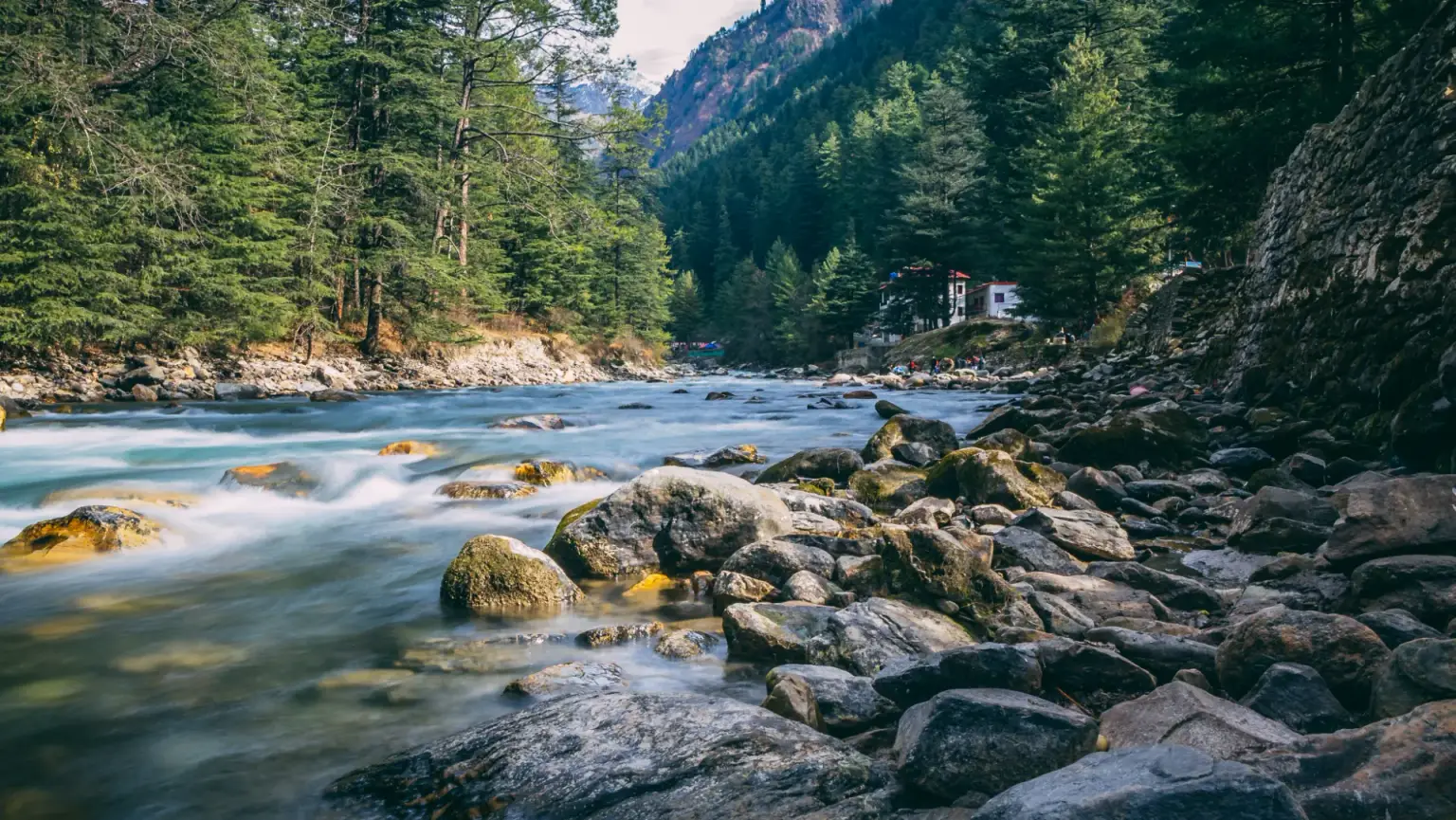 6D / 5N
Himachal Romantic Escape Tour Package
Shimla, Manali, Atal Tunnel
Himachal Pradesh experiencesTop Things to Do in Himachal Pradesh
Register for Dalai Lama Public Teachings McLeod Ganj
Insider tip
Kalka-Shimla UNESCO Toy Train
Insider tip
Drive the Spiti Circuit Manali-Kaza-Shimla
Insider tip
Tandem Paraglide from Billing, Bir
Insider tip
Trek to Kheerganga Hot Spring Parvati Valley
Insider tip
Kinnaur Apple Harvest October Orchard Stay
Insider tip
Triund Ridge Trek from McLeod Ganj
Insider tip
Tabo Monastery at Dawn
Insider tip
Spiti Village Homestay Network Stay
Insider tip
Kullu Dussehra Festival October
Insider tip
Sample Itineraries for Himachal Pradesh
See how each trip is paced, from arrival to departure. These are sample day-by-day plans; we tailor the dates and details.
Himachal Sprint — 3 Days (Shimla Quick)
- Day 1Kalka → ShimlaKalka-Shimla Toy Train 5 hrs (book Shivalik Express from Kalka 5:30am, window seat right side). Arrive Shimla 10:35am. Hotel check-in. Mall Road + Ridge walk 12pm. Jakhu Temple climb 2,455m (108-foot Hanuman statue, complete Shimla panorama). Christ Church illuminated evening. Lower Bazaar dinner — Himachali sidu + dham cuisine.
Advice
Toy Train MUST be booked 2 weeks ahead — sells out peak season. Window seat right side critical for mountain views. Jakhu Temple monkeys aggressive — leave food + cameras in hotel. Mall Road no vehicle access (walking only). Christ Church (1857) interior usually closed but exterior + Ridge panorama free. Lower Bazaar = local Shimla, not Mall Road tourist trap. - Day 2Shimla → Kufri → Naldehra → ShimlaKufri 13km morning — snow play winter or apple orchard walk autumn. Horse riding ₹500-800 (negotiate). Lunch local dhaba. Naldehra afternoon — oldest golf course in India 1905 + forest walk. Return Shimla sunset from Scandal Point. Evening dinner Mall Road Himalayan Java or Indian Coffee House.
Advice
Kufri tourist horse riding overpriced ₹1,500-2,500 hotel desk vs ₹500-800 direct negotiation at Kufri stand. Avoid Kufri 'Himalayan Nature Park' (zoo) — animals in cages, ethically questionable. Naldehra Golf Course public entry free (golf round ₹3,000+). Scandal Point sunset 5pm-6pm best Shimla photography moment. - Day 3Shimla → Chail → ChandigarhChail 45km morning — highest cricket ground in world 2,444m + Chail Palace heritage hotel + Sadhupul forest walk. Return Shimla afternoon. Departure Toy Train Shimla-Kalka 2:25pm OR taxi to Chandigarh 3-4 hours OR bus.
Advice
Chail Palace built 1891 by Maharaja Patiala — banned from Shimla by British, built his own. Famous cricket ground at 2,444m played 1893 onwards. Chail day trip 6 hours total. Toy Train return 5 hrs + Chandigarh transfer 4 hrs = long Day 3 — consider extending to Day 4 if possible.
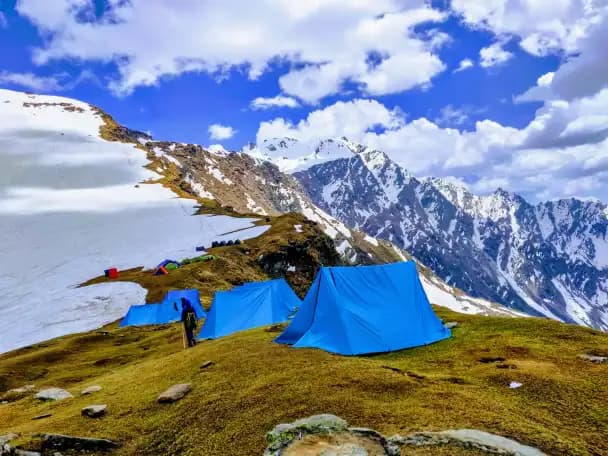
Himachal Classic — 5 Days (Manali + Dharamsala)
- Day 1Bhuntar Airport / Bus → ManaliArrive Bhuntar Airport (KUU, 50km from Manali) OR overnight Volvo bus Delhi-Manali 14-16 hrs. Hotel check-in Old Manali village (NOT Mall Road). Hadimba Temple 7am — 1553 CE deodar forest before vendors open. Old Manali village lanes + Manali Club House + Manu Temple. Vashisht hot spring afternoon — natural sulphurous + ancient temple. Mall Road evening (Old Manali side has better cafes + cheaper). Local dham cuisine dinner.
Advice
Hadimba 7am critical — by 9am vendor circus established + ticket queues. Old Manali stay vs Mall Road: same ₹3,500 vs ₹10,000 + better atmosphere + 5 min walk to centre. Vashisht hot spring free (men + women segregated pools, basic). Bhuntar Airport KUU weather-dependent flights — overnight bus more reliable for guaranteed arrival. - Day 2Manali → Solang → Atal Tunnel → Sissu → ManaliSolang Valley morning 14km from Manali — adventure activities (zipline + ATV + paragliding 10-min OR winter ski Jan-March). Book direct at Solang activity counters NOT hotel tour desk (40-60% markup). Atal Tunnel transit afternoon (9.02km world's longest highway tunnel above 3,000m, toll ₹250 SUV). Sissu waterfall + Lahaul valley glacier views. Return Manali evening. Manu Allaya rooftop dinner.
Advice
Atal Tunnel (opened 2020) eliminates seasonal Rohtang closure — year-round Lahaul access. NO permit required for Atal Tunnel (Rohtang Pass requires rohtangpermit.in midnight release for permit). Sissu 30 min from tunnel exit. Lahaul side cold + windy — carry layers. Solang activities ₹500-1,500 direct vs ₹800-2,500 hotel desk. Skip Rohtang day trip entirely — Atal Tunnel = same landscape + zero queue + no permit. - Day 3Manali → Naggar → Kullu → DharamsalaNaggar Castle morning 20km from Manali — 15th-century kath-kuni palace (interlocked wood + stone, no nails) + Nicholas Roerich Art Gallery. Kullu valley drive afternoon — Bijli Mahadev Temple 10km Kullu (legend: temple struck by lightning every 12 years). Transfer Dharamsala via Mandi 6 hours drive evening. McLeod Ganj hotel check-in late evening.
Advice
Naggar Castle is HP's most architecturally significant medieval structure. Roerich Gallery (Russian painter who lived in Naggar 1925-1947) free entry. Bijli Mahadev requires 3km trek. Manali-Dharamsala 6 hours via Mandi (NH3 + NH154) — start by 12pm to arrive McLeod Ganj 6pm before dark. Pre-book Dharamsala hotel — Chonor House or Pema Thang for Tibetan-style boutique. - Day 4McLeod Ganj areaNamgyal Monastery + Main Temple Complex 8am — Tsuglagkhang. Tibet Museum 10am — exile history + Tibetan culture preservation. Triund trail 1pm — 9km/4 hours up, dawn-quality views (full trek requires overnight tent). Norbulingka Institute afternoon (if not trekking) — thangka painting + woodcarving + metalwork workshops + traditional Tibetan garden. McLeod Ganj dinner — Tibetan thukpa + momos + butter tea at Snow Lion or Tibet Kitchen.
Advice
Dalai Lama public teachings: if in McLeod Ganj during March OR October, check dalailama.com for schedule + register day before security office. Otherwise visit Main Temple at 8am for morning prayer ambience. Triund full trek requires overnight tent at top — half-day version to Galu Devi Temple 2,290m possible (3 hrs round-trip). Norbulingka 30 min drive from McLeod Ganj — full afternoon recommended. - Day 5Dharamsala → Gaggal Airport / DelhiNorbulingka Institute morning if not done Day 4. Bhagsunag Falls + temple 1km walk McLeod Ganj. Dharamsala lower town HPCA Cricket Stadium visit (highest international cricket ground 1,317m). Gaggal Airport (DHM) 15km from McLeod Ganj 50 min drive — direct Delhi flights OR Volvo bus Pathankot 4 hrs + train Delhi 8 hrs.
Advice
Gaggal Airport (DHM) very small + weather-dependent — flights cancel frequently. Alternative: bus McLeod Ganj-Pathankot 4 hrs + train Pathankot-Delhi overnight ₹500-1,500 sleeper class. Pathankot Express Pathankot to Delhi 8 hrs. Schedule flexibility recommended for Day 5 departure — weather delays common at Gaggal.
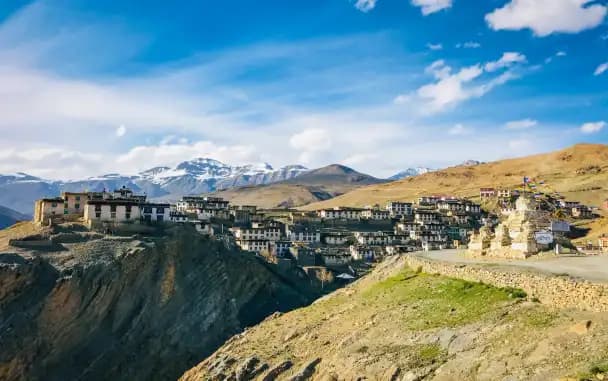
Himachal Complete — 7 Days Spiti Circuit via Kinnaur
- Day 1Kalka → ShimlaToy Train Kalka-Shimla 5:30am-10:35am Shivalik Express. Jakhu Temple. Mall Road + Ridge + Christ Church + Heritage Walk. Lower Bazaar dinner.
Advice
Book Toy Train 2 weeks ahead. Window seat right. Hotel near Mall Road for walking convenience Day 1. - Day 2Shimla → Narkanda → RampurHatu Peak trek from Narkanda 3,143m morning — apple orchards below + Hatu Mata Temple. Narkanda market. Continue to Rampur Bushahr 2,000m. Overnight Rampur OR Sarahan (Bhima Kali Temple) — most peaceful HP forest stay.
Advice
Narkanda 65km from Shimla on NH5. Best Kinnaur-gateway overnight option. Sarahan Bhima Kali Temple (one of 51 Shakti Peethas) requires detour but spiritually significant. Rampur historically Bushahr Kingdom capital. - Day 3Rampur → Karcham → Sangla → ChitkulDrive Sangla Valley via Karcham NH5 — Sutlej gorge transition. Kamru Fort Sangla — 1,500-year-old wooden temple-fort. Chitkul — last inhabited village before Tibet 3,450m + Baspa River + Indo-Tibet border. Sangla overnight homestay.
Advice
NH5 Sutlej gorge most dramatic Indian mountain road. Karcham hydropower dam area landslide-prone monsoon. Chitkul 6-hour day-trip from Sangla — last village before Tibet border. Sangla Valley apple orchards October peak. Banjara Camp Sangla ₹4,000-7,500. - Day 4Sangla → Reckong Peo → Nako → TaboReckong Peo morning (Kinnaur district HQ + ILP office if Spiti Sumdo planned). Nako Lake 3,662m + Nako monastery — small lake-ringed Tibetan settlement. Continue to Tabo 3,280m late afternoon. Tabo Monastery exterior + village. Tabo overnight (Tabo Hotel or monastery guesthouse).
Advice
ILP for Kaza-Sumdo border section obtained at Reckong Peo OR Kaza SDM office — straightforward 30 min process with photo ID. Nako Lake worth overnight if time but tight in 7-day circuit. Tabo overnight ESSENTIAL — 6am puja next day requires being in Tabo. Tabo Hotel ₹2,500-5,000 / monastery guesthouse ₹800-1,500. - Day 5Tabo → Dhankar → KazaTabo Monastery 6am morning puja — 10th-century murals in butter-lamp candlelight + absolute silence. Most irreplaceable HP heritage moment. Breakfast. Dhankar Monastery 12pm — perched above river confluence + Dhankar Lake 2km trek. Kaza arrival 3pm. Acclimatise.
Advice
Tabo 6am puja = the central Spiti circuit moment. Photography PROHIBITED inside main chamber. Sit quietly along side wall during puja. Dhankar Monastery dramatic clifftop position but old monastery building structurally fragile — visit only restricted areas. Kaza acclimatisation: NO further high-altitude activity Day 5 + drink 4L water. - Day 6Kaza → Key → Hikkim → Langza → KazaKey Monastery 4,166m 9am — largest in Spiti, 1,000+ years continuously inhabited, 250+ monks. Hikkim post office 4,400m — world's highest, send postcard to family. Langza Buddha statue 4,400m — 1,000-year-old Buddha looking at Pin Valley National Park. Komic monastery 4,587m if time (highest motorable village). Kaza dinner + overnight.
Advice
Key Monastery monk-led tour ₹100-200 voluntary donation — explains monastery history + meditation chambers. Hikkim postcards ₹50 each (₹15 stamp + souvenir markup) — postal service genuine, mail reaches anywhere 30-45 days. Langza Buddha + fossil exploration (Langza area has prehistoric marine fossils — landscape was ocean floor). Komic optional — 1-hour drive Kaza, severe altitude headaches possible. - Day 7Kaza → Kunzum Pass → Chandratal → Rohtang → ManaliPre-dawn departure 5am Kaza. Kunzum Pass 4,590m sunrise. Chandratal Lake 4,270m 10am — turquoise alpine lake (overnight camp ₹2,500-5,000 if extending). Rohtang Pass 3,978m descent 2pm. Manali arrival 6pm. Bhuntar Airport (KUU) flight OR overnight bus Delhi.
Advice
Long Day 7 — 12+ hours driving + 3 high passes. 4WD essential. Carry full fuel (no pumps Kaza-Manali via this route). Chandratal extension: overnight camping (May-October only) recommended for genuine experience — return Manali Day 8. This 7-day circuit compressed — 10-14 days ideal for complete Spiti experience without Day 7 fatigue.
Where to Stay in Himachal Pradesh
Shimla Mall Road + Ridge (Colonial Heritage)
Old Manali Village (Adventure + Mountain Access)
McLeod Ganj (Dalai Lama + Tibetan Exile Community)
Kaza Town (Spiti Cold Desert Capital)
Spiti Village Homestays (Authentic + Conservation Network)
Kasol Village (Parvati Valley Trek Base)
Bir Billing
Kinnaur (Sangla/Kalpa)
Travel Costs for Himachal Pradesh
Budget
₹800-2,000 per person per dayMoney-saving travel- Stay
- Homestay or guesthouse village location ₹800-1,500/night. Spiti village homestays Langza/Kibber/Hikkim ₹1,200-2,500 with meals. Most affordable mountain destination in India at this tier.
- Food
- Local dhabas + home-cooked meals at homestay ₹100-250/meal. Himachali dham (ceremonial feast: dal + rice + rajma + kadhi + meethe chawal) at events ₹150-400. HRTC state bus + shared Sumo transport ₹500-1,500 multi-day.
- Getting around
- HRTC state bus + shared Sumo
Mid-range
₹3,000-7,000 per person per dayComfortable everyday travel- Stay
- 3-star hotel or quality guesthouse with meals ₹2,500-5,500/night. Apple Country Resorts Manali + Hotel Sakya Abode Kaza + Norbulingka Guest House Dharamsala + Banjara Camp Sangla.
- Food
- Mix of local restaurant + hotel dining ₹500-1,200/meal. Private taxi for excursions ₹2,500-5,000/day + HRTC backbone. Most popular tier for Indian families + couples.
- Getting around
- Private taxi for excursions + HRTC backbone
PREMIUM
₹9,000-18,000 per person per dayper person, per day- Stay
- 4-star resort or boutique property ₹8,000-15,000/night. Span Resort Manali + Wildflower Hall Shimla + Fortune Park Moksha Dharamsala + Deyzor Hotel Kaza. Private Spiti circuit vehicle hire 6-7 days ₹35,000-65,000.
- Food
- Resort dining + one local speciality meal daily ₹1,500-3,500/meal. Private vehicle full circuit. Heli-skiing Manali (limited availability) ₹25,000+/person.
- Getting around
- Private vehicle for full circuit
Luxury
₹22,000-60,000+ per person per dayPremium comfort- Stay
- Oberoi/luxury resort or private villa ₹18,000-60,000+/night. Wildflower Hall by Oberoi ₹40,000-1,00,000/night (Mashobra 22km from Shimla) + The Cecil Oberoi Shimla ₹15,000-35,000.
- Food
- Curated dining + private chef + wine pairing ₹3,500-8,000/meal. Private vehicle + helicopter transfers (HPAS limited routes). Kullu-Spiti helicopter transfers for senior travellers when operating.
- Getting around
- Private vehicle + helicopter transfers
How to Get to Himachal Pradesh & Get Around
How to reach Himachal Pradesh and how to get around once you are there: the routes, how long they take and what they cost.
Plan your route ↗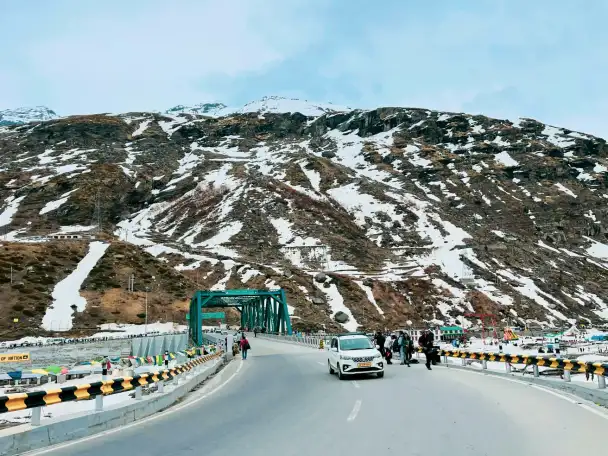 4 ways to travel
Air (Bhuntar Manali / Gaggal Dharamsala / Shimla)
Train (Kalka-Shimla UNESCO + Pathankot)
Bus (HRTC + Volvo AC)
Road (Self-Drive + Royal Enfield)
Himachal Pradesh Travel Tips
Carry sufficient cash before entering Spiti and Kinnaur — ATMs in Kaza are limited (State Bank of India near Main Bazaar is most reliable) and frequently run out on weekends. Withdraw in Shimla or Chandigarh before the circuit.
Monastery donations are entirely voluntary — some Key and Tabo monastery "entry areas" imply mandatory fees, but the monuments are ASI-protected; a voluntary donation to the monastery trust is appropriate and genuinely impactful for preservation.
HRTC state buses cover Himachal's circuit at a fraction of taxi costs — Manali to Kaza: HRTC costs under ₹500. Shared Sumos are the middle ground. Private taxis add comfort but multiply the cost 4–5×.
Village restaurant and dhaba food in HP is genuinely good and significantly cheaper than hotel dining. Himachali dham (ceremonial feast of dal, rice, rajma, kadhi, and meethe chawal) is available at local events and some dhabas — the most specifically Himachali meal format.
Altitude sickness is a serious risk in Spiti above 3,500m — acclimatise for 2 days in Kaza before ascending to Chandratal (4,270m) or Pin Valley. Symptoms include headache, nausea, and breathlessness. Descend immediately if symptoms worsen. Carry Diamox only on a doctor's prescription.
Night driving on Himachal mountain roads is a leading cause of fatalities — unfenced drops, blind corners, and the complete absence of road lighting make this genuinely dangerous. Every experienced local driver considers night driving in HP non-negotiable and to be avoided. Plan all journeys to be completed by 5 pm.
Flash floods and landslides occur on NH5 (Kinnaur) and NH3 (Manali) in July–August — monitor the Himachal Pradesh Public Works Department road status updates before any Kinnaur or Manali highway journey in monsoon months.
Mobile connectivity disappears in Spiti and Kinnaur gorge sections — BSNL is the only provider with any signal in remote areas. Carry a BSNL SIM if spending more than 2 days in Spiti. Download offline maps before entering the valley.
Walk clockwise around all Buddhist stupas, mani walls, and monastery courtyards — this is universally observed in Spiti, Kinnaur, and Lahaul-Spiti. Walking anticlockwise is considered inauspicious and immediately noticeable to residents.
Photography inside monastery sanctuaries requires explicit permission from the monk on duty — never raise a camera inside a temple without asking. Many monasteries display "no photography" signage; respect it without exception.
Malana village in Parvati Valley has specific cultural prohibitions — do not touch villagers, their homes, walls, or livestock without invitation. The community considers contact with outsiders ritually impure. Stay on designated visitor paths.
In Spiti and Kinnaur homestays, remove shoes before entering any room, accept butter tea when offered, and engage with the family — these are not hotels with a Himalayan facade; they are people's homes who are welcoming you specifically.
Rohtang Pass permit system exploitation — touts in Manali offer to "arrange" permits at double the official rate for the next morning. The permit system (rohtangpermit.in) releases permits at midnight for the following day — set an alarm and book directly; it takes 3 minutes and costs the official fee only.
Hotel desks charging 40–60% commission on adventure activities — zorbing, ATV, zipline, paragliding, and rafting all have direct operators at the activity sites. Walk to Solang or Beas riverbank and book directly.
Fake "government approved" guides in Manali — any guide calling themselves "HPTDC registered" without a physical ID card registered at the HPTDC office in Manali is not officially certified. Verify guide registration at the HPTDC office before paying.
What is worth it,
and what to avoid.
Last reviewed 2026-07-03.
- Spiti Village Homestay Network. A Kaza hotel gives you Spiti through a window. A Langza or Kibber homestay gives you Spiti through a family. Butter tea + tsampa + yak-wool blankets + rooftop view of Pin Valley National Park at 4,200m. Book via Spiti Ecosphere.
- Kalka-Shimla Toy Train. Five hours at 25km/h through UNESCO World Heritage railwaymost specifically Himachal transit available. Shivalik Express morning departure from Kalka, window seat right side (mountains visible). Book 2 weeks ahead at irctc.co.in.
- Tabo Monastery 6am Morning Puja (Free). India's oldest active monastery (996 AD) butter lamp ceremony completely overlooked by most Spiti visitors who arrive post-10am. The 10th-century murals in candlelight against dawn silence is the most irreplaceable single cultural moment in HP.
- Bir Billing Paragliding 30-45 min flight . The 10-minute Solang tourist ride and 30-minute Bir Billing cross-country flight categorically different experiences. If paragliding on itinerary, go to Bir. World Cup site thermals + altitude + Dhauladhar backdrop not comparable.
- September Travel Window. As a resident: September is when Himachal looks exactly like the photographs that made you want to come. Post-monsoon clarity + apple harvest colour + dramatic clouds over peaks + 30% lower prices than June + far fewer tourists. The most rewarding HP travel window.
- Great Himalayan National Park UNESCO with Guide (Forest guide ₹800-1,500/day + permit ₹250). Western tragopan (India's most endangered Himalayan pheasant) near-impossible to find without local Forest Department guide who knows morning movement routes. Single highest-return GHNP expenditure.
- Kinnaur Overnight in Apple Harvest Season. October in Kinnaur not a travel destinationit is a specific sensory experience cannot be replicated. Waking to smell of ripe apples and sound of sorting below window worth every hour of driving.
- Dalai Lama Teaching Registration (Free). Requires advance planning (check dalailama.com schedule, register day before security office). Most internationally attended event in HP. Indian photo ID or foreign passport required. FM radio headsets in 8 languages.
- Atal Tunnel Lahaul Access. 9.02km world's longest highway tunnel above 3,000m (opened 2020). Replaces seasonal Rohtang Passyear-round Lahaul valley access (Sissu waterfall + glacier landscapes). Eliminates Rohtang permit + queue + congestion.
- Kullu Dussehra October (Free festival). Not standard Indian Dussehrabegins day most India's Dussehra celebrations end + runs 7 days. 300+ local deities (devtas) carried on decorated palanquins (raths) to Dhalpur Kullu central ground. Most culturally specific HP festival.
- Rohtang Pass day trip peak season July-August. 800+ vehicles + permit system sells out 8am online + 3-4 hour queue at pass + souvenir sellers at 3,978m + view obscured by vehicle exhaust. Atal Tunnel takes 10 minutes + same mountain landscape on Lahaul side + zero congestion + no permit needed.
- Manali Mall Road hotels. Same room costs ₹10,000 in May-June on Mall Road vs ₹3,500 in Old Manali village 10 minutes awaybetter character + quieter streets + same mountain access. Old Manali + Vashisht where Yeeshu stays. Mall Road premium buys proximity to traffic + souvenir shops only.
- Shimla in May-June school holidays. Mall Road gridlocked + hotels charge 3-4x October rate for identical rooms + Jakhu Temple ringed with tourist groups. Same Shimla in October: same colonial architecture + same Jakhu + same Toy Train + 40% lower prices + autumn colour on oak forests.
- Spiti in 2 days on 'fast circuit'. Met travellers who drove Manali-Kaza-Manali in 2 days said Spiti was 'nice'they saw the road. Spiti is a valley requiring acclimatisation + stillness + minimum 5 days to actually experience. Rushing produces altitude headaches + Instagram photos not genuine encounter.
- Hotel-packaged adventure activities Manali. Zorbing + ATV rides + ziplining booked through hotel tour desks carry 40-60% commission markup over direct booking at Solang activity operators. Always walk to activity site + book directly. Hotel desks = pure middleman markup.
- Kasol for more than 2 days without trekking. Kasol's character as base village clear + well-suited to what it offers. But visitors who come to Kasol + stay in cafés for 5 days are NOT experiencing Parvati Valleythey are experiencing the cafés. The valley's value is in Kheerganga trail + Malana approach + Pulga-Tosh gorge walk.
- Shimla Toy Train without advance booking. Shivalik Express + Rail Motor Car on Kalka-Shimla line sell out weeks ahead peak season. Walk-up tickets rarely available + unreserved compartment gives standing-room not window-seat experience. Book minimum 2 weeks ahead at irctc.co.in.
- Parvati Valley without understanding NDPS enforcement reality. 1990s-2000s reputation does NOT reflect current enforcement environment. NDPS Act raids increased significantly since 2022. Minimum 6 months to 10 years sentence. NO exception for tourists or foreign nationals. This is not warning made lightlyit is legal reality in 2026.
- Night driving any Himachal mountain road. Unfenced drops + blind corners + complete absence of road lighting = leading cause of HP fatalities. Every experienced local driver considers night driving non-negotiable to avoid. Plan all journeys to complete by 5pm. NO exceptions.
- Manali to Spiti self-drive first-timers. Rohtang Pass + Kunzum Pass at 4,590m + unpaved sections + river crossings = NOT for self-drive first-timers without mountain experience. 4WD vehicle + experienced driver minimum. Shimla-Kinnaur-Spiti route via NH5 more manageable for first-timers.
Heading to the Snow Peaks?
Custom Shimla & Manali Taxi + Resort Packages
Get Your Himachal Quote ↗Himachal Pradesh FAQ
Visas, costs, safety and the practical questions travellers ask us most.
Do Indians Need Any Permit or Pass to Visit Himachal Pradesh in 2026?
Himachal Pradesh Trip Cost 2026 — 7 Days from Delhi?
When Is the Best Time to Visit Spiti Valley?
Is Himachal Pradesh Safe for Solo Women Travellers?
First-Time HP Visitor — Manali ya Shimla?
How Difficult Is the Spiti Valley Road?
Can I Attend the Dalai Lama's Teachings in Dharamsala?
How Many Days Are Enough for Complete Himachal Pradesh Trip?


Have a Himachal Pradesh trip
in mind?
Choose a package, or tell us the dates, hotels and experiences you want. We check the details and send you a clear quote. Pay in BTC, ETH, USDT, USDC and 90+ other coins, with other methods confirmed on request.