Peru
Inca Trail Adventures, Sacred Valley Ruins & Cusco Heritage Trails
Peru, your way.
With time for what matters.
From cloud-kissed Incan ruins to deep Amazon jungle, unpack Peru’s wild wonders."
Why Visit Peru — From Narender Singh's February 2026 Visit
Why visit Peru.
Key features of Peru
Places to visit in Peru.
Lima + Pacific Coast (Culinary Capital + Beaches)
Peru's sprawling coastal capital + culinary capital — home to several of the world's top-ranked restaurants + clifftop Miraflores district + colonial centre + bohemian Barranco. Don't treat Lima as just a transit stop. Spend a day eating your way through Miraflores and Barranco; even a modest cevicheria serves ceviche better than most fine-dining elsewhere. Paracas + Ballestas Islands (poor man's Galapagos) + Huacachina desert oasis with dune buggies and sandboarding + Nazca Lines (giant desert geoglyphs seen only from small plane flights).Cusco + Sacred Valley + Machu Picchu (Inca Heartland)
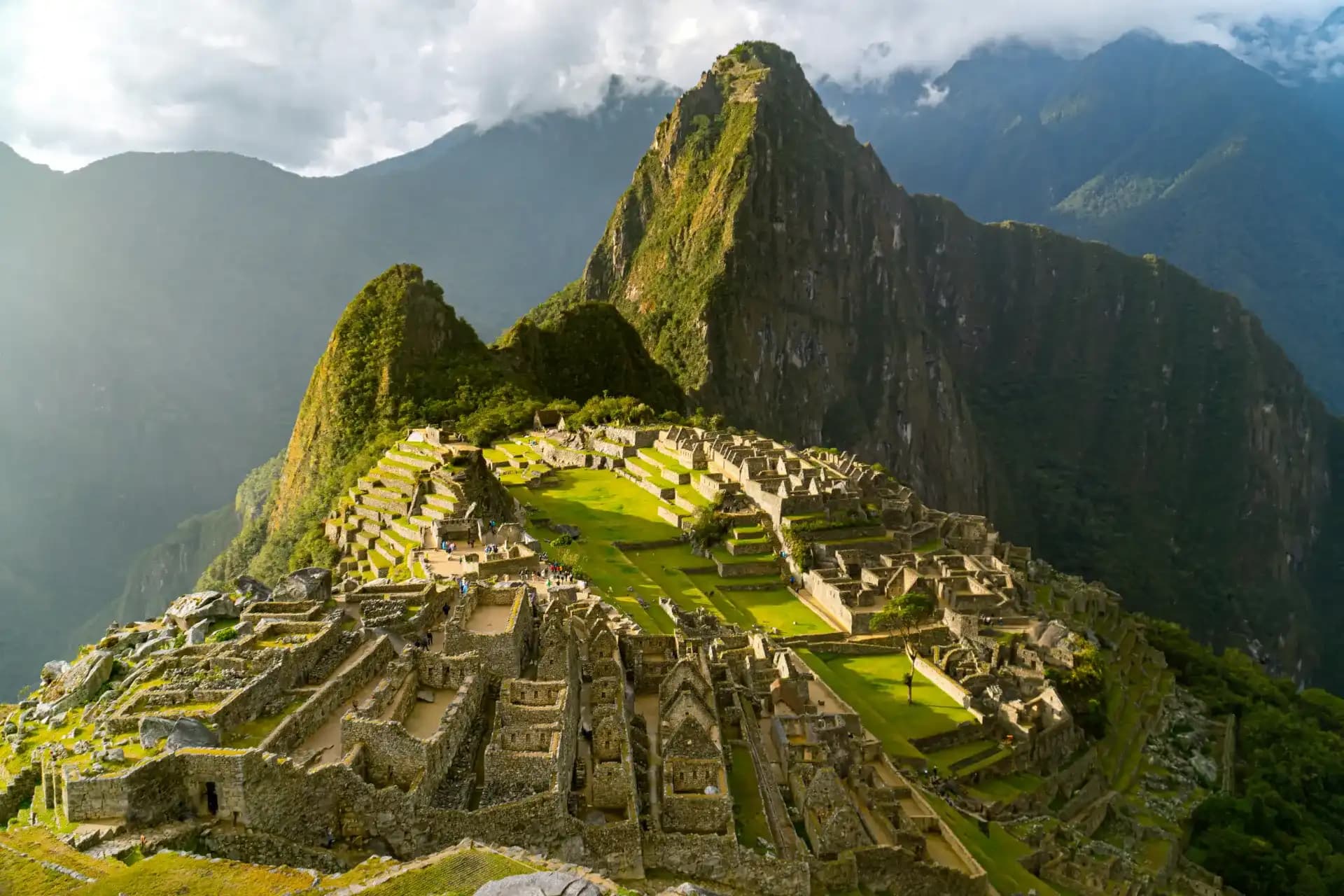
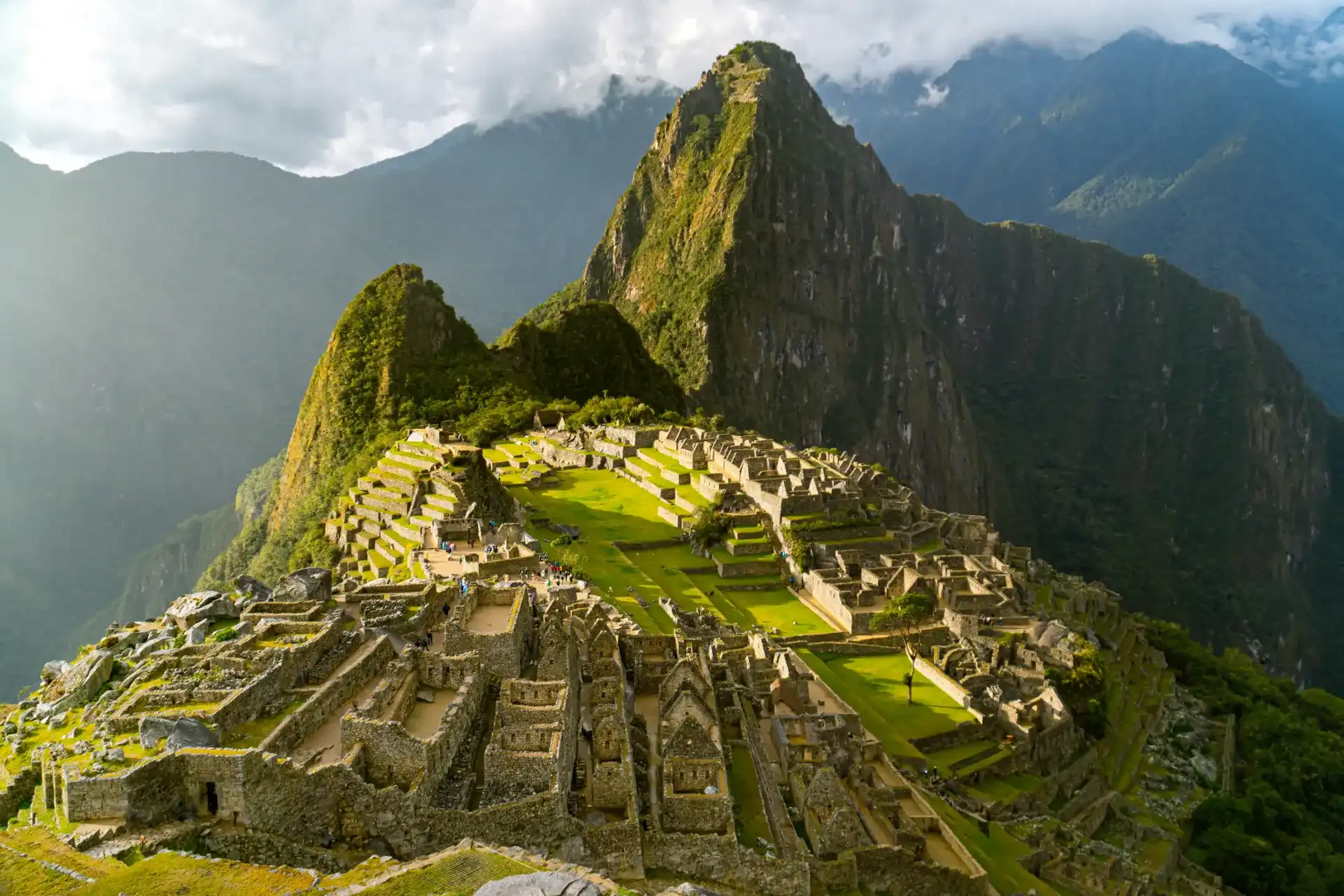
Cusco (former Inca capital + colonial churches on Inca foundations + Plaza de Armas + San Blas lanes + San Pedro market + 3,400m altitude acclimatisation needed). Sacred Valley (lush Urubamba valley + Pisac ruins and market + Ollantaytambo terraces + lower altitude than Cusco helps acclimatisation). Machu Picchu (15th-century Inca citadel above Urubamba gorge ringed by cloud forest + New Seven Wonder + terraces emerge from morning mist). Rainbow Mountain (Vinicunca — naturally striped mineral colours above 5,000m demanding day hike). Palccoyo quieter alternative.Lake Titicaca + Puno (Highest Navigable Lake)
Lake Titicaca (world's highest navigable lake straddling Peru-Bolivia border). Uros people (living on dozens of islands they weave entirely from totora reeds — way of life found nowhere else). Taquile island. Puno base town — take boat to both Uros and Taquile. Island homestay most authentic and humbling way to experience Andean lake life. Dress in warm layers — high-altitude lake cold + sun fierce.Arequipa + Colca Canyon (White City + Condors)
Arequipa — Peru's elegant 'White City' built of pale volcanic stone beneath snow-capped volcanoes + gateway to vast Colca Canyon. Andean condors ride morning thermals from Cruz del Condor viewpoint. Arequipa's lower altitude makes it gentler acclimatisation base than Cusco. Reach Colca condor viewpoint early — birds soar best in mid-morning updrafts. Combine with Colca hot springs + overnight Chivay.Peruvian Amazon (Puerto Maldonado + Iquitos)
Reached from Puerto Maldonado (easier + cheaper access — short flight from Cusco) or Iquitos (reaches wilder + remoter jungle but takes more time). Peru's rainforest offers jungle lodges + river trips + wildlife — macaws + monkeys + caimans + deep in one of planet's most biodiverse regions. Two nights minimum to reach good wildlife areas. Macaw clay licks + canopy walkways + night-time caiman spotting. Pack quick-dry clothes + insect repellent + headtorch.When should you
visit Peru?
January · Good Wet Season — Cusco days 18-19C with frequent afternoon rain. Lima coast warm summer 22-27C. Amazon hot humid 25-32C. Green Andes, low crowds.
February · Avoid Wet Season — Narender Singh's visit month. Andes greenest, least crowded. INCA TRAIL CLOSES every February for maintenance. Machu Picchu stays open. Rain frequent.
March · Good Wet Season tail — Cusco days 18-19C. Lima coast warm. Green landscapes, low crowds. Rain expected. Suits budget travellers and photographers.
April · Best Shoulder — Cusco days ~19C, milder nights, odd shower. Crowds thin, prices ease, weather largely cooperative. Best-value shoulder month.
May · Best Dry Season begins — Cusco days 18-20C, cold nights 0-5C. Lima coast cool grey 15-19C. Clear skies, firm trails. Prime Machu Picchu + trekking window.
June · Best Dry Season — days 18-20C, cold nights. Peak season begins. Inca Trail permits sell out months ahead. Book trains + hotels early.
July · Best Dry Season peak — days 18-20C, cold nights near 0-5C. Peak crowds and prices. Best for Inca Trail, Rainbow Mountain, reliable mountain views.
August · Best Dry Season peak — days 18-20C. Peak season. Fiestas Patrias national holiday July 28-29 spills into August.
September · Best Dry Season — days 18-20C. Prime Machu Picchu + trekking. Book trains + permits + hotels months ahead.
October · Best Shoulder — Cusco days ~19C, milder nights, odd shower. Crowds thin, prices ease. Best-value shoulder month.
November · Good Wet Season begins — Cusco days 18-19C afternoon rain begins. Green landscapes returning. Lower prices.
December · Good Wet Season — Cusco 18-19C frequent rain. Lima coast warm summer 22-27C. Amazon hot humid. Christmas period.
Peru experiencesExperiences worth
making time for.
Machu Picchu
Insider tip
Cusco
Insider tip
The Sacred Valley
Insider tip
Rainbow Mountain (Vinicunca)
Insider tip
Lake Titicaca & the Uros Islands
Insider tip
Lima
Insider tip
Arequipa & Colca Canyon
Insider tip
The Nazca Lines
Insider tip
The Peruvian Amazon
Insider tip
Huacachina & the Paracas Coast
Insider tip
A closer look
at the routes.
See how each trip is paced, from arrival to departure. These are sample day-by-day plans; we tailor the dates and details.
4-Day Itinerary — Cusco & Machu Picchu Core
- Day 1CuscoArrive, rest, gentle walk of Plaza de Armas & San Blas.
Advice
Do almost nothing on day one — let your body adjust to 3,400 m; sip coca tea. - Day 2Sacred ValleyPisac ruins & market, Ollantaytambo terraces, overnight in the valley.
Advice
Sleeping lower than Cusco aids acclimatisation; take the morning train from Ollantaytambo next day. - Day 3Machu PicchuTrain to Aguas Calientes, bus up, guided citadel tour.
Advice
Book the earliest entry slot and a licensed guide; carry your passport (it's checked at the gate). - Day 4CuscoReturn, San Pedro market, rest or Sacsayhuaman ruins.
Advice
Keep the last day light in case of train delays; enjoy a farewell Andean dinner.
8-Day Itinerary — Classic Peru
- Day 1LimaArrive, Miraflores clifftops, ceviche dinner in Barranco.
Advice
Overnight in Lima to reset after the long flight before flying to altitude. - Day 2Lima → CuscoMorning flight to Cusco, acclimatise, easy old-town stroll.
Advice
Fly early; rest the afternoon — don't trek on arrival day. - Day 3Sacred ValleyPisac & Ollantaytambo, overnight in the valley.
Advice
Lower altitude here helps you adjust. - Day 4Machu PicchuTrain & guided citadel visit, overnight Aguas Calientes or valley.
Advice
Earliest entry beats the crowds and the afternoon cloud. - Day 5CuscoReturn, Sacsayhuaman, San Pedro market.
Advice
A gentler day after Machu Picchu. - Day 6Cusco → PunoScenic bus/train across the altiplano to Lake Titicaca.
Advice
The tourist bus stops at Andean sites en route. - Day 7Lake TiticacaBoat to Uros & Taquile islands (optional homestay).
Advice
Dress in warm layers; the lake sun is intense. - Day 8Puno → Lima → homeFly out via Juliaca/Lima.
Advice
Build in buffer time for the two-leg journey home.
12-Day Itinerary — Peru in Depth (South + Amazon)
- Day 1LimaArrive, food tour, Barranco & the historic centre.
Advice
Reset from the flight before altitude. - Day 2LimaContinue Lima food tour, Barranco & the historic centre.
Advice
Reset from the flight before altitude — full 2 days recommended. - Day 3Paracas & HuacachinaBallestas Islands boat, desert oasis & sandboarding.
Advice
Break the journey south on a Peru Hop-style route. - Day 4NazcaFlight over the Nazca Lines.
Advice
Morning flight for smoother air. - Day 5Arequipa & ColcaWhite City walk, then Colca Canyon condors approach.
Advice
Arequipa's lower altitude eases acclimatisation. - Day 6Arequipa & ColcaColca Canyon condors at Cruz del Condor + hot springs.
Advice
Reach viewpoint early for mid-morning thermals. - Day 7Arequipa → CuscoTravel to Cusco, rest.
Advice
Keep the arrival day easy. - Day 8Sacred ValleyPisac, Ollantaytambo, overnight.
Advice
Acclimatise lower than Cusco. - Day 9Machu PicchuTrain & guided visit.
Advice
Earliest entry slot. - Day 10CuscoRainbow Mountain or a rest day.
Advice
Only attempt Rainbow Mountain after acclimatising. - Day 11Cusco → AmazonFlight to Puerto Maldonado, river to a jungle lodge.
Advice
Two nights minimum for good wildlife. - Day 12Amazon → Lima → homeReturn via Lima.
Advice
Allow generous connection time.
Places worth
staying a little longer.
Miraflores (Safe clifftop, walkable, sea)
Barranco (Bohemian, artsy, nightlife + food)
Cusco Historic Centre (Inca+Colonial old town)
Urubamba + Ollantaytambo (Lower altitude)
Aguas Calientes (Base below the citadel)
Puno (Lakeside, gateway to Titicaca islands)
What a day costs
in Peru.
Budget
$50-90/day (INR 4,200-7,500)Money-saving travel- Stay
- Hostels/guesthouses. Tourist/hop-on buses, colectivos, shared treks. Book Machu Picchu tickets & Inca Trail permits far ahead regardless of budget.
- Food
- Set-menu (menu) lunches, market food. Ceviche, lomo saltado + street food. Menu lunches at local restaurants offer best value.
Mid-range
$90-180/day (INR 7,500-15,000)Comfortable everyday travel- Stay
- 3-star hotels. Domestic flights (Lima-Cusco), Expedition-class train, Uber. Best value-for-comfort balance for most Indian travellers.
- Food
- Casual restaurants, paid tours. Sit-down meals at recommended cevicherias + Andean restaurants.
PREMIUM
$180-350/day (INR 15,000-29,000)per person, per day- Stay
- 4-star hotels. Vistadome train, private transfers, domestic flights. Pre-book the train and a licensed Machu Picchu guide.
- Food
- Sit-down dining, private guides. Central + Maido (world's 50 best) + fine dining Lima experiences.
Luxury
$350+/day (INR 29,000+)Premium comfort- Stay
- Belmond-class hotels. Luxury Hiram Bingham train, private tours, helicopter/charter. Peak-season (Jun-Aug) rates and permits sell out early.
- Food
- Fine dining. Belmond Monasterio Cusco + Belmond Sanctuary Lodge at Machu Picchu gate + Central + Maido world-ranked restaurants.
Travel details
to know.
How to reach Peru and how to get around once you are there: the routes, how long they take and what they cost.
Plan your route ↗10 ways to travelBy Air Two-Stop via Europe (most common)
India to Madrid (MAD) / Amsterdam (AMS) / Paris (CDG) to Lima (LIM), on Iberia / Air Europa / KLM / Air France. Time: ~24-28 hours total.
By Air Two-Stop via the USA (US visa required)
India to US hub (Newark/Miami/Los Angeles) to Lima, on United / American / LATAM. Note: The US has no transit-without-visa — you need a valid US visa even to connect.
By Air via Gulf Hub + Sao Paulo / Madrid
Route: India to Doha (DOH) / Dubai (DXB) to Sao Paulo (GRU) or Madrid to Lima. Why choose it: Opens Tier-2 Indian departures; Qatar/Emirates plus LATAM onward.
By Air via Sao Paulo (GRU) as the South America hub
India to Sao Paulo to Lima (LATAM). Why choose it: Useful if combining Peru with Brazil or the rest of South America. Best for: Multi-country South America trips.
By Cruise — Pacific Coast Sailings
Fly to Lima, South America, for Pacific cruises calling at Peruvian ports.
By Domestic Flight — LATAM / Sky / JetSMART
Routes: Lima to Cusco / Arequipa / Puerto Maldonado (Amazon) / Iquitos. Why choose it: Peru is vast and mountainous; the Lima-Cusco flight (~1.5 hrs) saves a punishing overland trip.
By Train — PeruRail / Inca Rail to Machu Picchu
Routes: Cusco / Ollantaytambo to Aguas Calientes (Machu Picchu Pueblo). Why choose it: The only way in (short of trekking); the Vistadome's glass roof frames the cloud-forest scenery.
By Tourist Bus / Coach — Cruz del Sur / Peru Hop
Routes: Lima to Paracas to Huacachina to Nazca to Arequipa to Cusco (hop-on network). Why choose it: Comfortable, safe long-distance coaches; hop-on services let you see the south coast en route.
By Taxi & Ride App — Uber / Cabify / InDrive
Routes: Airport to hotel + city point-to-point. Why choose it: Apps are cashless and show the fare upfront — safer than flagging street taxis.
By Boat & Local Combi
Puno to Uros / Taquile islands (Lake Titicaca) + Amazon river lodges + local combis/colectivos between Sacred Valley towns. Why choose it: The only way to the reed islands and jungle lodges.
Peru: Travel Tips
What is worth it,
and what to avoid.
- A licensed guide at Machu PicchuThe ruins mean far more with expert context; the history is invisible without it.
- Two acclimatisation days before trekkingSkimping here ruins trips; give your body time at altitude first.
- The Vistadome trainThe glass-roofed carriages turn the ride to Machu Picchu into part of the experience.
- A day (and appetite) for Lima's foodThe cuisine is a genuine world-class attraction, not a layover afterthought.
- A Lake Titicaca island homestayThe most memorable, and most responsible, way to experience Andean culture.
- Travel insurance with altitude coverAt 3,400 m+, medical issues are real; this is essential.
- Booking Machu Picchu tickets & permits earlySlots and Inca Trail permits sell out months ahead in peak season.
- Domestic flights to save timePeru is huge; flying Lima-Cusco or Cusco-Amazon frees days for actual sightseeing.
- Assuming you need a Peru visa when you don'tA valid US/UK/Schengen/Canada/Australia visa usually exempts you; check before paying for one.
- Not carrying proof of visa eligibilityAirlines have denied Indian travellers boarding over documentation confusion; carry your qualifying visa and its entry stamp.
- Rushing to altitudeFlying into Cusco and trekking the same day invites altitude sickness; acclimatise first.
- Planning the Inca Trail in FebruaryIt's closed every February for maintenance; choose Salkantay or the train instead.
- Under-budgeting Machu PicchuEntry, train, bus, and guide add up; plan for it and book ahead.
- Treating Lima as just an airportYou'd skip one of the world's great food cities; give it at least a day.
- Ignoring the wet season's realitiesNov-Mar is beautiful and cheap but rainy; pack waterproofs and manage expectations on views.
- Only carrying cash or only cardsCarry some soles for markets, taxis, and small towns; cards aren't accepted everywhere.
Uncover Machu Picchu Wonders !
Inca Trail Permits & Luxury Cusco Heritage Stays
Plan Peru Trek ↗Common questions
about Peru.
Visas, costs, safety and the practical questions travellers ask us most.
Do Indian citizens need a visa to visit Peru?
Why were some Indian travellers denied boarding to Peru?
When is the best time to visit Peru?
How do I get to Peru from India?
How many days do I need in Peru?
Is altitude a problem, and how do I handle it?
Is Peruvian food suitable for Indian and vegetarian travellers?
Is Peru safe for Indian tourists?




Have a Peru trip
in mind?
Choose a package, or tell us the dates, hotels and experiences you want. We check the details and send you a clear quote. Pay in BTC, ETH, USDT, USDC and 90+ other coins, with other methods confirmed on request.