
New Zealand
Queenstown Bungee Jumping, Milford Sound Cruises & Hobbiton Movie Sets
- Adventure
- Honeymoon
- Luxury
- Family
- Island
- Coastal
- Scenic
New Zealand, your way.
With time for what matters.
New Zealand is two islands (North and South, plus Stewart Island and many smaller islands) at the southwestern edge of the Pacific Ocean — a country of 268,000 sq km with 5 million people and an almost impossible density of natural and cultural experiences.
Is New Zealand Worth Visiting in 2026?
Why Visit New Zealand
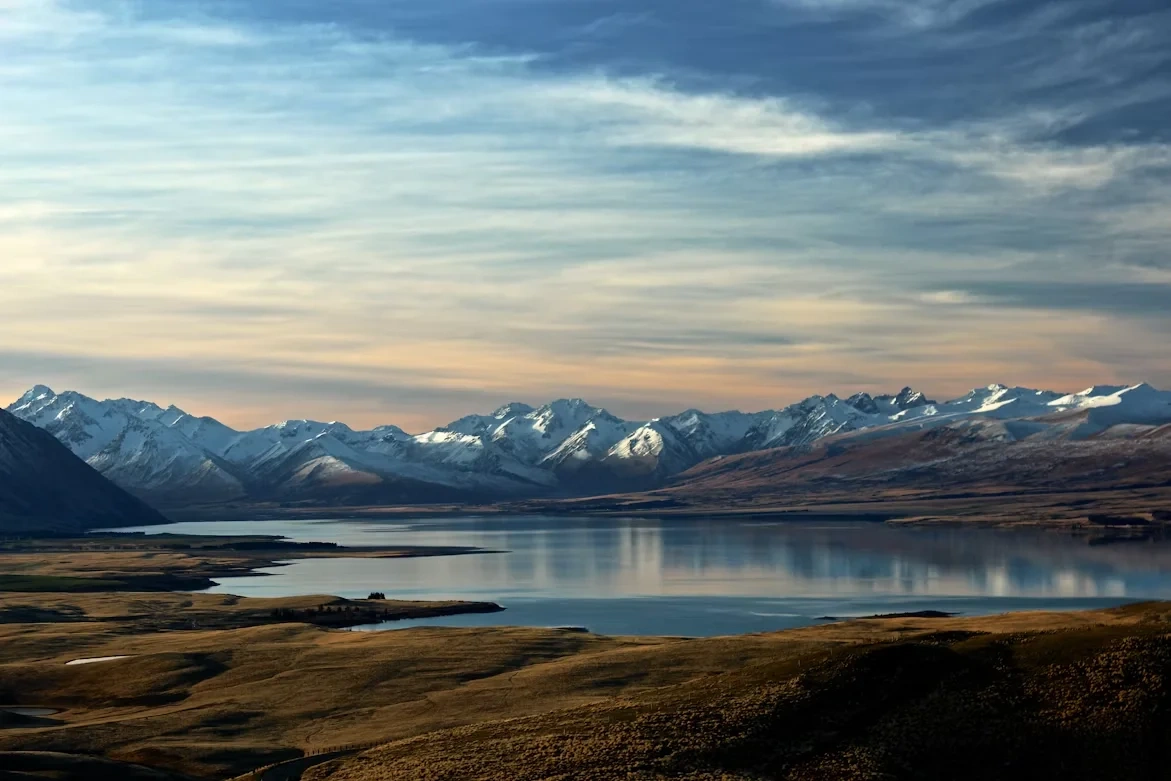
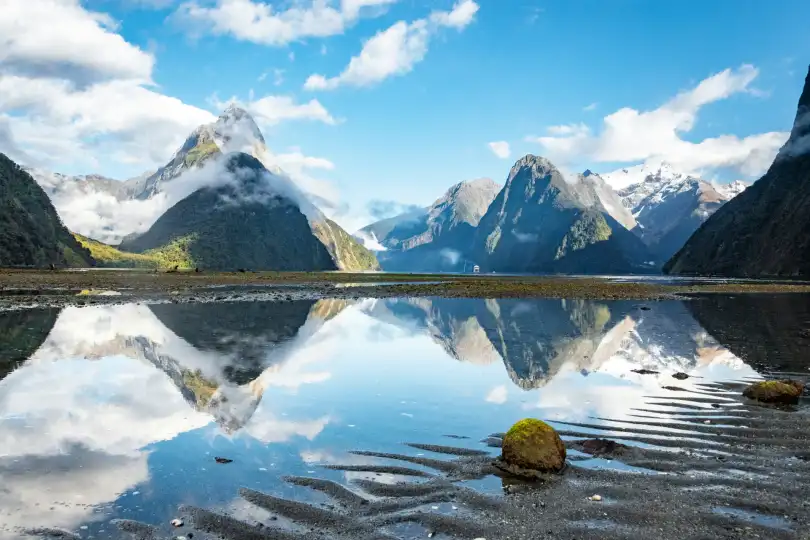
New Zealand compressed into its two islands: glaciers calving into the Tasman Sea, an active volcanic plateau in the centre of the North Island, fjords cutting 40km inland in Fiordland, and beaches where sea lions rest between waves. Milford Sound is called the 8th Wonder of the World — waterfalls drop 160m from vertical granite walls. Tongariro Alpine Crossing is frequently rated the world's best one-day hike. Hobbiton is a functioning New Zealand farm that happens to have 44 hobbit holes. The Māori culture — haka, traditional carving, whakapapa — is actively practised, not museum-ified. ETA required for Indians (NZD 9, online). No direct flights — connect via Singapore or Sydney. Stewart Island at New Zealand's southern tip holds 80% of the national kiwi population — guided night walks on Ulva Island offer the highest kiwi-sighting probability of any accessible location in the country. Best time: December–March (Southern Hemisphere summer).
November is the Goldilocks month — not the summer peak crowds and prices (December–February), not the winter cold (June–August), and not the unpredictable shoulder season (March, April). November gives you Hobbiton in peak spring green (the exact colour that makes every Hobbiton photograph look like a painting — it only exists for about 4–6 weeks in spring), Milford Sound with its maximum waterfall flow from spring rain (the waterfalls in summer are smaller), all adventure activities in Queenstown at full operation, and the Kaikoura whale watching in prime sperm whale season. The crowds are 20–30% lower than in December. The prices are 15–20% lower. The weather is good across both islands.
Key Features of New Zealand
Best places to visit in New Zealand
 01 / Place
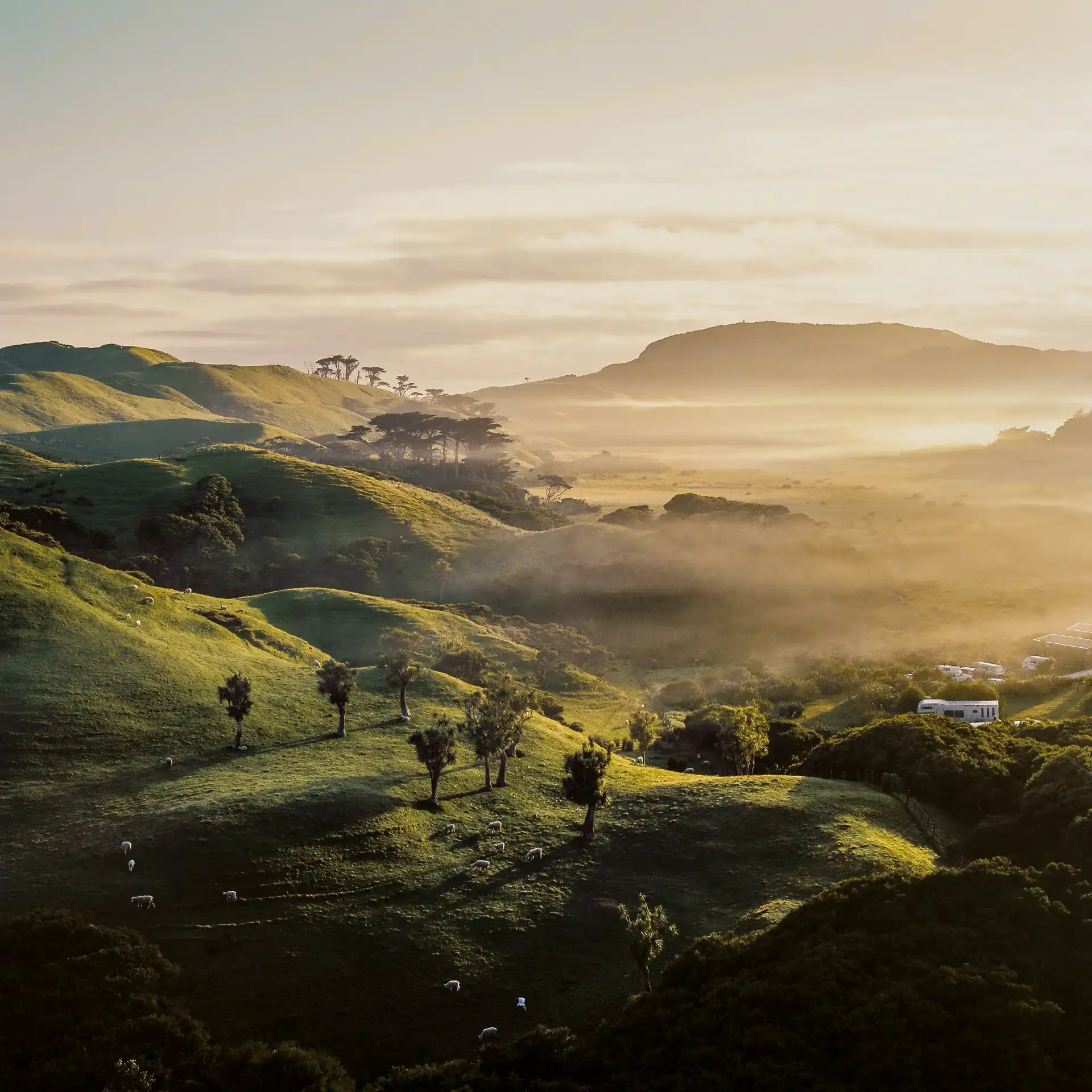
Hobbiton — The Actual Shire
The Hobbiton experience depends entirely on your relationship with the films before you arrive. I had watched The Fellowship of the Ring specifically two days before visiting. Standing at the Shire gate looking up the hill at the hobbit holes — recognising the curved wooden doors, the round windows, the specific slope of the land from the opening sequence — was not the generic "movie set" experience I had prepared for. It was the specific experience of recognising a place from memory that you have never physically been to. The Garden of Bag End (Bilbo's hole, at the top of the hill) is the most recognisable: the circular door painted green, the round window, the carefully maintained flowers, and beyond it the whole Shire laid out down the hill. I stood there for 15 minutes photographing nothing because I was trying to calibrate the experience of actually being there. The Green Dragon Inn drink (included in the tour) is served in the actual Green Dragon — a functioning pub on the set. The Hobbiton Movie Set is located on the Alexander family sheep farm at Matamata. The farm was scouted by Peter Jackson's production team in 1998. The original LOTR set was dismantled after filming, but for The Hobbit trilogy (2012–2014) the set was rebuilt permanently in more durable materials. 02 / Place
Milford Sound — The Eighth Wonder
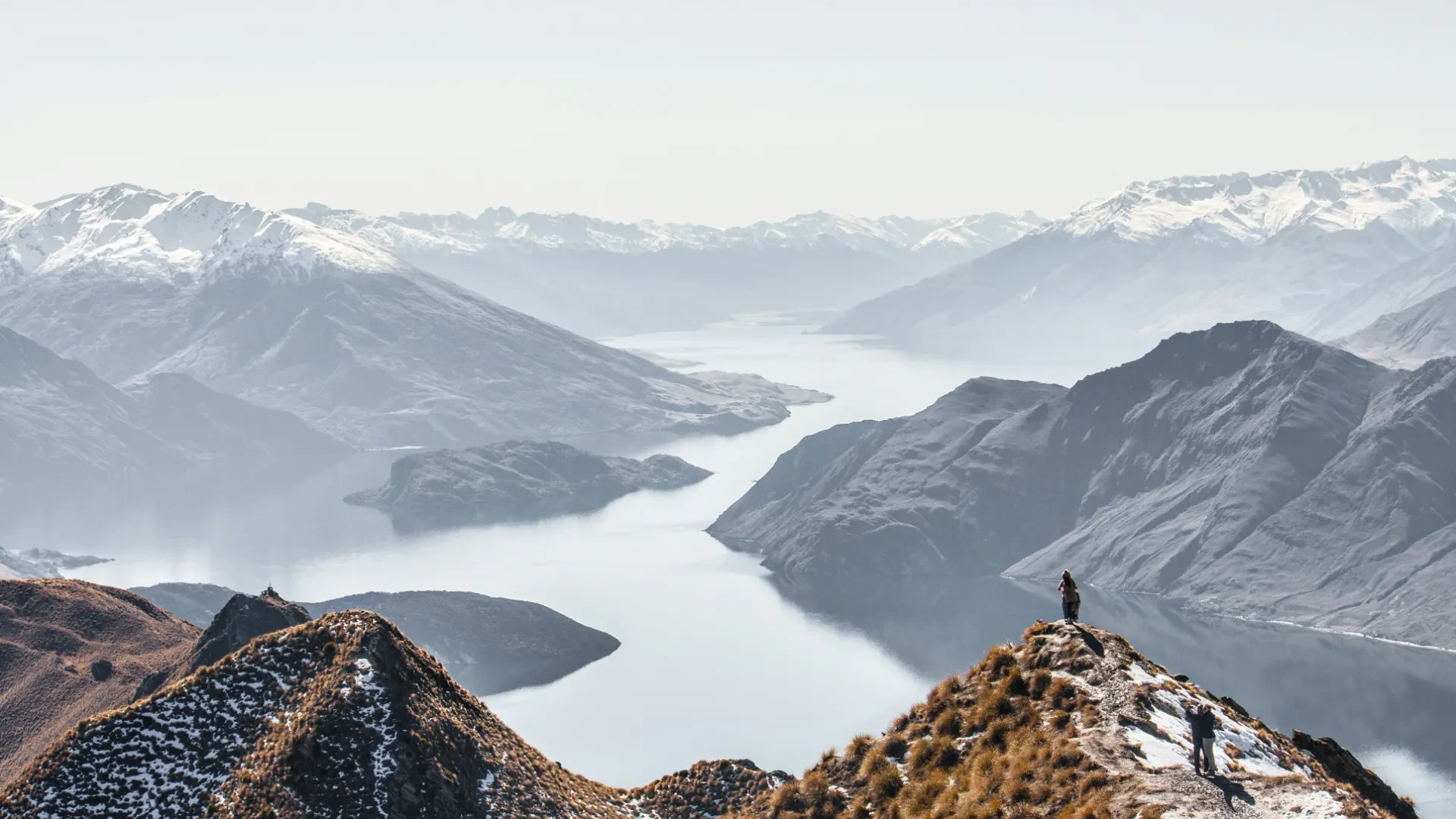
Milford Sound at 6:30 am by kayak. The morning calm of Milford Sound — the specific quality of a windless November morning in the fjord — is not something that boat cruises give you, because the boats start at 9 am and create their own wake and sound. At 6:30 am, paddling into the fjord: the waterfalls were audible before they were visible (the Bowen Falls make a specific low roaring sound that carries across calm water). The fjord was glassy, and the Mitre Peak (the 1,692m peak that defines Milford Sound's silhouette) was reflected perfectly in the water below. Two Fiordland crested penguins were swimming 30 metres away without acknowledging my kayak. This morning — the kayak at 6:30 am before the cruise boats, the silence, the penguins — was the finest 90 minutes of the entire New Zealand trip. Milford Sound (Piopiotahi in Māori) is a fjord carved by glacial action in the southwestern corner of Fiordland National Park. The fjord is 15km long and up to 290m deep. 03 / Place
Queenstown — Adventure Capital
The Kawarau Bridge Bungy offers 2.5 seconds of free fall and approximately 8 seconds of hanging upside-down above a New Zealand river. The AJ Hackett Kawarau Bridge — where commercial bungee jumping was invented in 1988 — has a specific ceremony around the jump: you are weighed (the cord tension is calibrated to your weight), your ankles are attached, you walk to the edge of the platform, and then the instructor tells you to fall forward. You must choose to fall forward. The instructor says it every jump: "Fall forward." For me, the time between stepping to the edge and actually falling forward was approximately 3 seconds. Those 3 seconds were more mentally challenging than any other 3 seconds in my travel life. Then: 2.5 seconds of freefall, the rebound, the hanging. Queenstown (15,000 permanent residents, significantly expanded by tourism infrastructure) sits at the end of Lake Wakatipu, surrounded by the Remarkables mountain range — a purpose-built adventure tourism town with world-class restaurants. 04 / Place
Waitomo Glowworm Caves — Blue Stars Underground
The Waitomo Glowworm Cave boat. The guided tour ends with a flat-bottomed boat moving silently through an underground river in complete darkness. The guide says nothing during the boat section — all lights are off, all talking stops. Above: the cave ceiling is covered with glowworms (Arachnocampa luminosa — a species found only in New Zealand) that produce bioluminescent light to attract insects. Approximately 10,000 glowworms create a ceiling that looks exactly like a clear night sky — specific, individual blue-green lights distributed across a dark background. The boat moves for approximately 10 minutes in complete silence below this ceiling. I was aware that some people find this underwhelming (the boat section is brief, the glowworms are small). I was not one of those people. The specific experience of floating in an underground river in complete darkness below a bioluminescent sky that is simultaneously completely natural and completely unlike anything above ground — this was one of the most unusual 10 minutes I have spent anywhere. Waitomo is a limestone cave system formed over 30 million years in the King Country region of New Zealand's North Island. 05 / Place
Rotorua — Earth's Energy Visible
The Wai-O-Tapu Thermal Wonderland Lady Knox Geyser at 10:15 am. Every morning, a ranger adds soap to the Lady Knox Geyser vent (the soap reduces the surface tension of the water, triggering the eruption), and the geyser erupts — a 10–20-metre column of superheated water and steam that continues for approximately 20 minutes. I knew this was a managed eruption before I arrived. It was still extraordinary. The soap is biodegradable, the geyser is a natural geological feature, and the eruption is real — the soap simply triggers what would happen anyway, at a predictable time. After the geyser: the Wai-O-Tapu boardwalk through the thermal landscape. The Champagne Pool (57°C, bright orange, 65m wide — carbon dioxide bubbles rising through mineral-laden water) looks exactly like its name. The Artist's Palette (a flat geothermal area with green, yellow, brown and black deposits from the mineral layers) looks exactly like that. Rotorua sits on the Taupo Volcanic Zone — one of the most geologically active areas on EarthThe Hobbiton experience depends entirely on your relationship with the films before you arrive. I had watched The Fellowship of the Ring specifically two days before visiting. Standing at the Shire gate looking up the hill at the hobbit holes — recognising the curved wooden doors, the round windows, the specific slope of the land from the opening sequence — was not the generic "movie set" experience I had prepared for. It was the specific experience of recognising a place from memory that you have never physically been to. The Garden of Bag End (Bilbo's hole, at the top of the hill) is the most recognisable: the circular door painted green, the round window, the carefully maintained flowers, and beyond it the whole Shire laid out down the hill. I stood there for 15 minutes photographing nothing because I was trying to calibrate the experience of actually being there. The Green Dragon Inn drink (included in the tour) is served in the actual Green Dragon — a functioning pub on the set. The Hobbiton Movie Set is located on the Alexander family sheep farm at Matamata. The farm was scouted by Peter Jackson's production team in 1998. The original LOTR set was dismantled after filming, but for The Hobbit trilogy (2012–2014) the set was rebuilt permanently in more durable materials.
Milford Sound at 6:30 am by kayak. The morning calm of Milford Sound — the specific quality of a windless November morning in the fjord — is not something that boat cruises give you, because the boats start at 9 am and create their own wake and sound. At 6:30 am, paddling into the fjord: the waterfalls were audible before they were visible (the Bowen Falls make a specific low roaring sound that carries across calm water). The fjord was glassy, and the Mitre Peak (the 1,692m peak that defines Milford Sound's silhouette) was reflected perfectly in the water below. Two Fiordland crested penguins were swimming 30 metres away without acknowledging my kayak. This morning — the kayak at 6:30 am before the cruise boats, the silence, the penguins — was the finest 90 minutes of the entire New Zealand trip. Milford Sound (Piopiotahi in Māori) is a fjord carved by glacial action in the southwestern corner of Fiordland National Park. The fjord is 15km long and up to 290m deep.
The Kawarau Bridge Bungy offers 2.5 seconds of free fall and approximately 8 seconds of hanging upside-down above a New Zealand river. The AJ Hackett Kawarau Bridge — where commercial bungee jumping was invented in 1988 — has a specific ceremony around the jump: you are weighed (the cord tension is calibrated to your weight), your ankles are attached, you walk to the edge of the platform, and then the instructor tells you to fall forward. You must choose to fall forward. The instructor says it every jump: "Fall forward." For me, the time between stepping to the edge and actually falling forward was approximately 3 seconds. Those 3 seconds were more mentally challenging than any other 3 seconds in my travel life. Then: 2.5 seconds of freefall, the rebound, the hanging. Queenstown (15,000 permanent residents, significantly expanded by tourism infrastructure) sits at the end of Lake Wakatipu, surrounded by the Remarkables mountain range — a purpose-built adventure tourism town with world-class restaurants.
The Waitomo Glowworm Cave boat. The guided tour ends with a flat-bottomed boat moving silently through an underground river in complete darkness. The guide says nothing during the boat section — all lights are off, all talking stops. Above: the cave ceiling is covered with glowworms (Arachnocampa luminosa — a species found only in New Zealand) that produce bioluminescent light to attract insects. Approximately 10,000 glowworms create a ceiling that looks exactly like a clear night sky — specific, individual blue-green lights distributed across a dark background. The boat moves for approximately 10 minutes in complete silence below this ceiling. I was aware that some people find this underwhelming (the boat section is brief, the glowworms are small). I was not one of those people. The specific experience of floating in an underground river in complete darkness below a bioluminescent sky that is simultaneously completely natural and completely unlike anything above ground — this was one of the most unusual 10 minutes I have spent anywhere. Waitomo is a limestone cave system formed over 30 million years in the King Country region of New Zealand's North Island.
The Wai-O-Tapu Thermal Wonderland Lady Knox Geyser at 10:15 am. Every morning, a ranger adds soap to the Lady Knox Geyser vent (the soap reduces the surface tension of the water, triggering the eruption), and the geyser erupts — a 10–20-metre column of superheated water and steam that continues for approximately 20 minutes. I knew this was a managed eruption before I arrived. It was still extraordinary. The soap is biodegradable, the geyser is a natural geological feature, and the eruption is real — the soap simply triggers what would happen anyway, at a predictable time. After the geyser: the Wai-O-Tapu boardwalk through the thermal landscape. The Champagne Pool (57°C, bright orange, 65m wide — carbon dioxide bubbles rising through mineral-laden water) looks exactly like its name. The Artist's Palette (a flat geothermal area with green, yellow, brown and black deposits from the mineral layers) looks exactly like that. Rotorua sits on the Taupo Volcanic Zone — one of the most geologically active areas on Earth
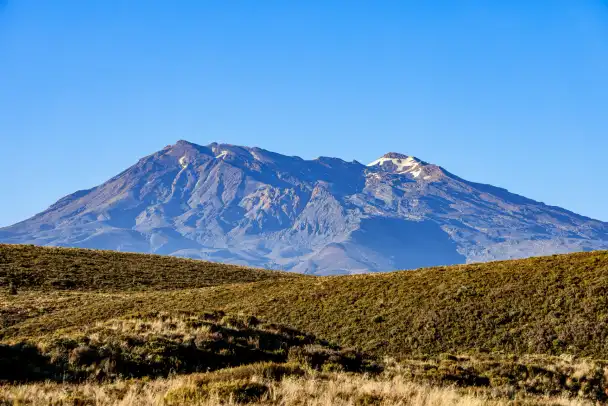
The Emerald Lakes at 11 am. The Tongariro Alpine Crossing is a 19.4km day hike through the volcanic landscape of Tongariro National Park — the same landscape used as Mordor in the Lord of the Rings films. I started at 7 am at the Mangatepopo car park. The first 90 minutes are across lava fields with the two active volcanoes (Ngauruhoe — Mt. Doom in the films, and Tongariro) visible. The South Crater is flat, grey, and alien — a perfectly level plain of volcanic gravel surrounded by crater walls. Then the final ascent to Red Crater (a vivid red/orange active volcanic vent — do not descend into it). And then: the descent to the Emerald Lakes. Three crater lakes, each a different shade of blue-green from mineral precipitation, are arranged in a row below the Red Crater rim. The colour is impossible to photograph accurately — it is a specific acid-saturated turquoise that cameras interpret as oversaturated. It is actually that colour. The Tongariro Alpine Crossing is New Zealand's most famous one-day walk — often described as the finest in the country. It is not a gentle walk: 19.4km with 1,868m of total ascent and descent, taking 6–8 hours for a fit walker.
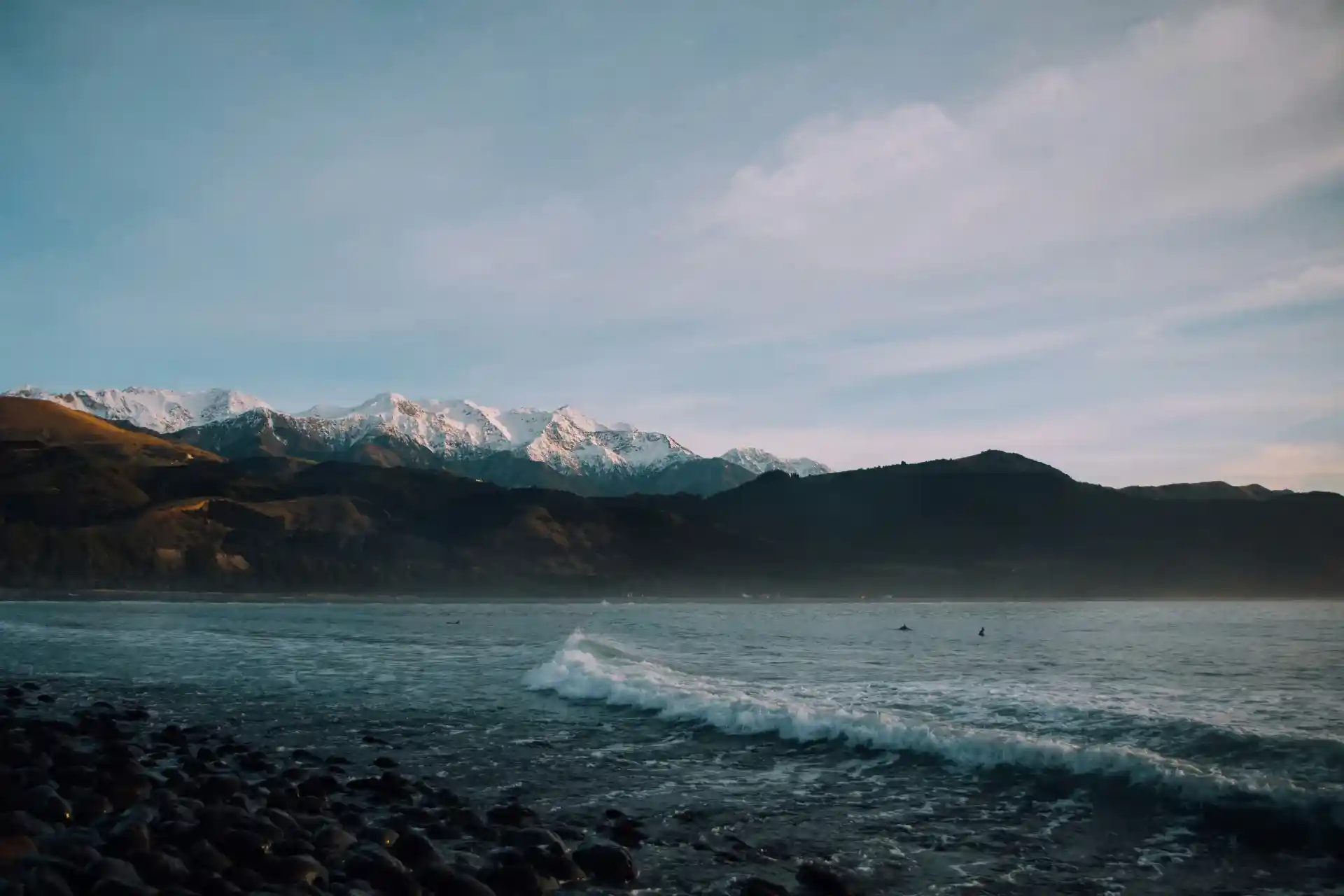
The sperm whale fluking. The Whale Watch Kaikoura boat had been waiting at the surface position for 7 minutes when the whale began its deep dive. The fluke — the horizontal tail of a sperm whale, approximately 5 metres wide — rose vertically above the water, paused (2–3 seconds, which is a long time to watch a 5-metre whale tail in the air), and then sank cleanly below the surface. The whale was diving to approximately 1,000m below us. It would remain there for 45–60 minutes. I was watching this from a boat 5km from the Kaikoura shore — a tourist boat, not a research vessel, not an expedition. This is the Kaikoura Coastal geography: the Kaikoura Canyon brings the deep ocean close enough to shore that these animals surface reliably within an accessible distance. Kaikoura (the name means "meal of crayfish" in Maori) is a town of 4,000 people on the northeast coast of New Zealand's South Island, 2.5 hours north of Christchurch and 2.5 hours south of Blenheim. The Kaikoura Canyon (a submarine canyon with 3,000m depth changes within 20km of the shore) creates the oceanographic conditions for resident sperm whales year-round. November: the prime season for sperm whale surface activity. Whale Watch Kaikoura (a Māori-owned tourism enterprise operating since 1987) has a 95% whale-sighting rate.
The Franz Josef Glacier Heli-Hike. The helicopter lifts from the Franz Josef village, crosses the valley, and lands on the upper glacier above the terminal face — approximately 5 minutes of flight. On the glacier, the guide (crampons and ice axe provided) leads a 3-hour walk through the glacial landscape — ice caves, seracs (blade-like ice towers), meltwater pools, and the distinctive blue of deep glacier ice. The blue is caused by the same mechanism as sky-blue: light scattering in water molecules — deeper blue means older, more compressed ice. I stood in a natural ice cave (temporary — formed by meltwater and unlikely to exist in exactly this form next year) with walls of 10,000-year-old blue ice around me. The glacier has been retreating significantly due to climate change — the helicopter access is required because the terminal face is now too fragmented and crevassed to approach safely on foot from the valley. This makes the heli-hike simultaneously more necessary (for access) and more bittersweet (for the awareness of what the glacier is losing). Franz Josef Glacier and Fox Glacier (45 minutes south) are two of the most accessible glaciers in the temperate world — they descend to within 300m of sea level in a rainforest environment.
Best Time to Visit New Zealand
January · Good Peak Summer. Maximum daylight. Hot and busy. All sites open. Book 3+ months ahead.
February · Good Summer. Same as January. Marlborough wine harvest in Feb.
March · Best Top Pick (Autumn). Excellent weather. Post-peak crowds. 20–25% cheaper. Fiordland still superb.
April · Good Autumn. Cooling down. Autumn colours beginning. Good deals.
May · Good Transition. Getting cold in South Island. North Island still pleasant. Lower prices.
June · Good Ski Season. Queenstown ski begins. North Island (Auckland, Rotorua) accessible. South Island cold.
July · Good Ski Peak. Best skiing. Milford Sound can have road closures. Cold across NZ.
August · Good Late Ski. Ski season. Weather improving. Crowds building for spring.
September · Good Spring beginning. All hikes opening. Prices still below peak.
October · Best Top Pick. Spring established. Good conditions. Pre-summer pricing.
November · Best My #1 Pick. Hobbiton peak green. Milford Sound waterfalls full. Kaikoura prime whale season. 15–20% cheaper than December.
December · Avoid Summer Peak. Peak crowds and prices begin. All sites excellent. Book far ahead.
New Zealand trips,
ready to personalise.
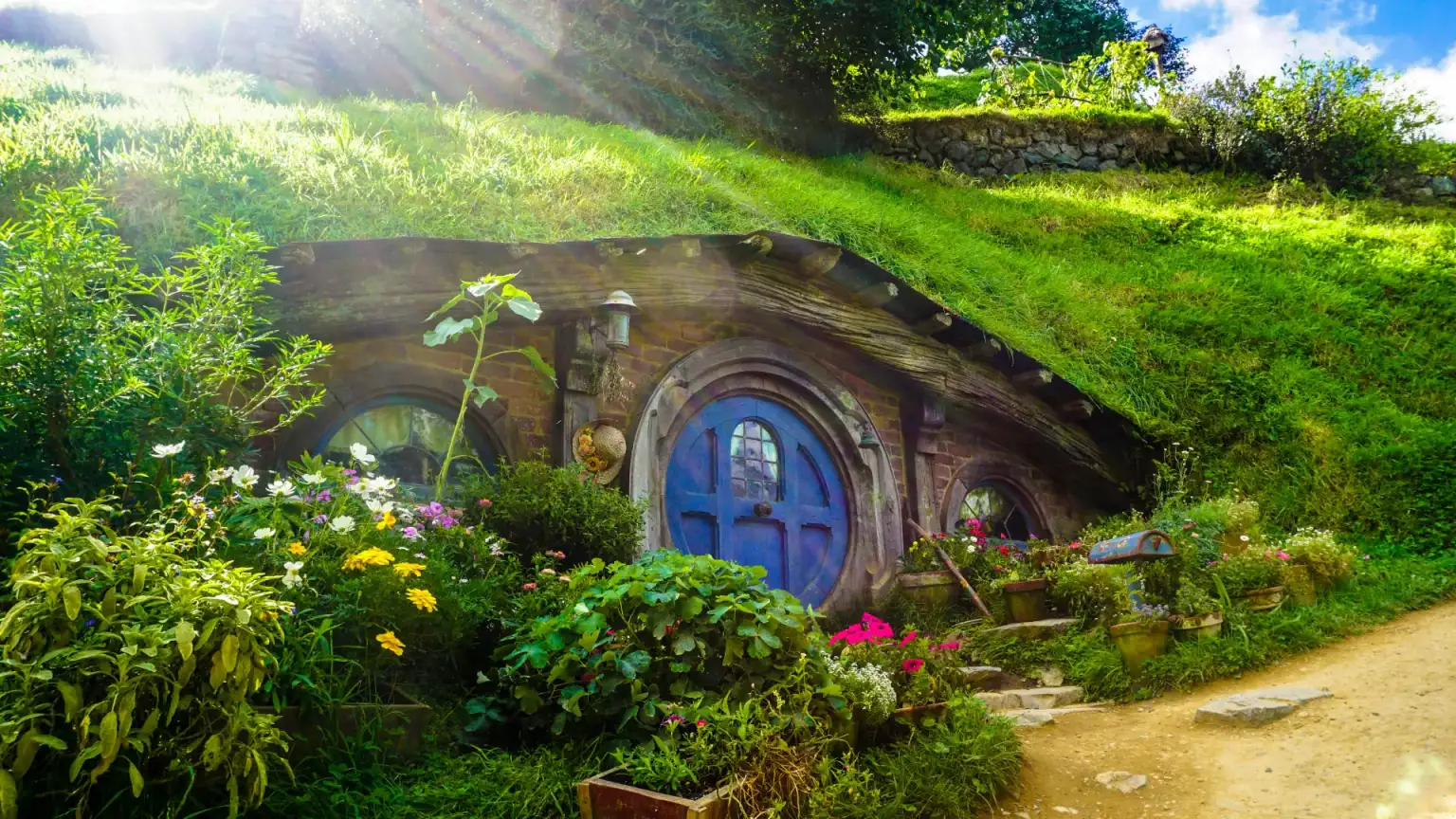 8D / 7N
New Zealand Adventure Tour Package
Queenstown, Te Anau,Te Anau · Fiordland
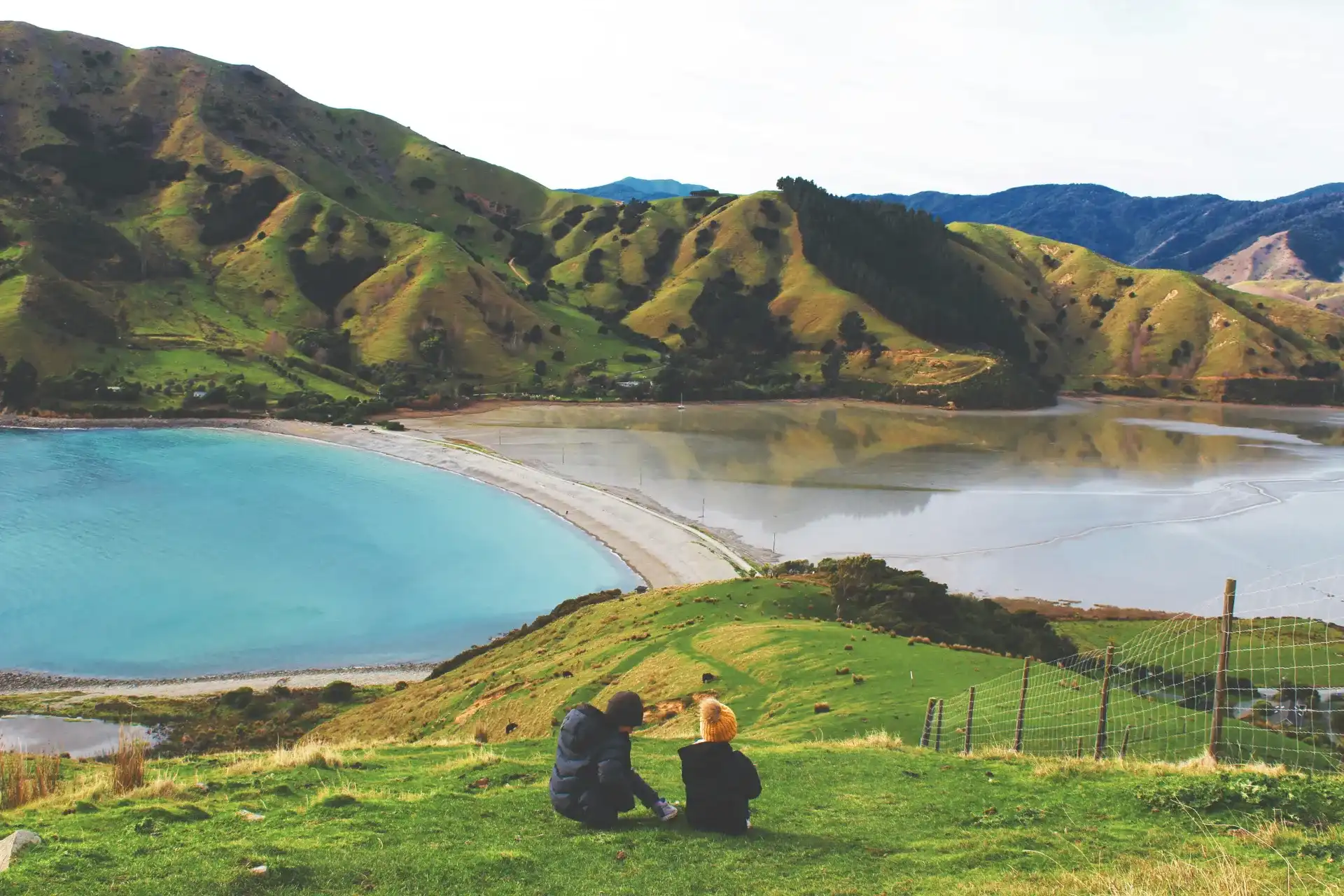 15D / 14N
New Zealand Grand Discovery Tour Package
Auckland, Coromandel, Rotorua, Wellington, Christchurch, Franz Josef, Queenstown, Lake Tekapo
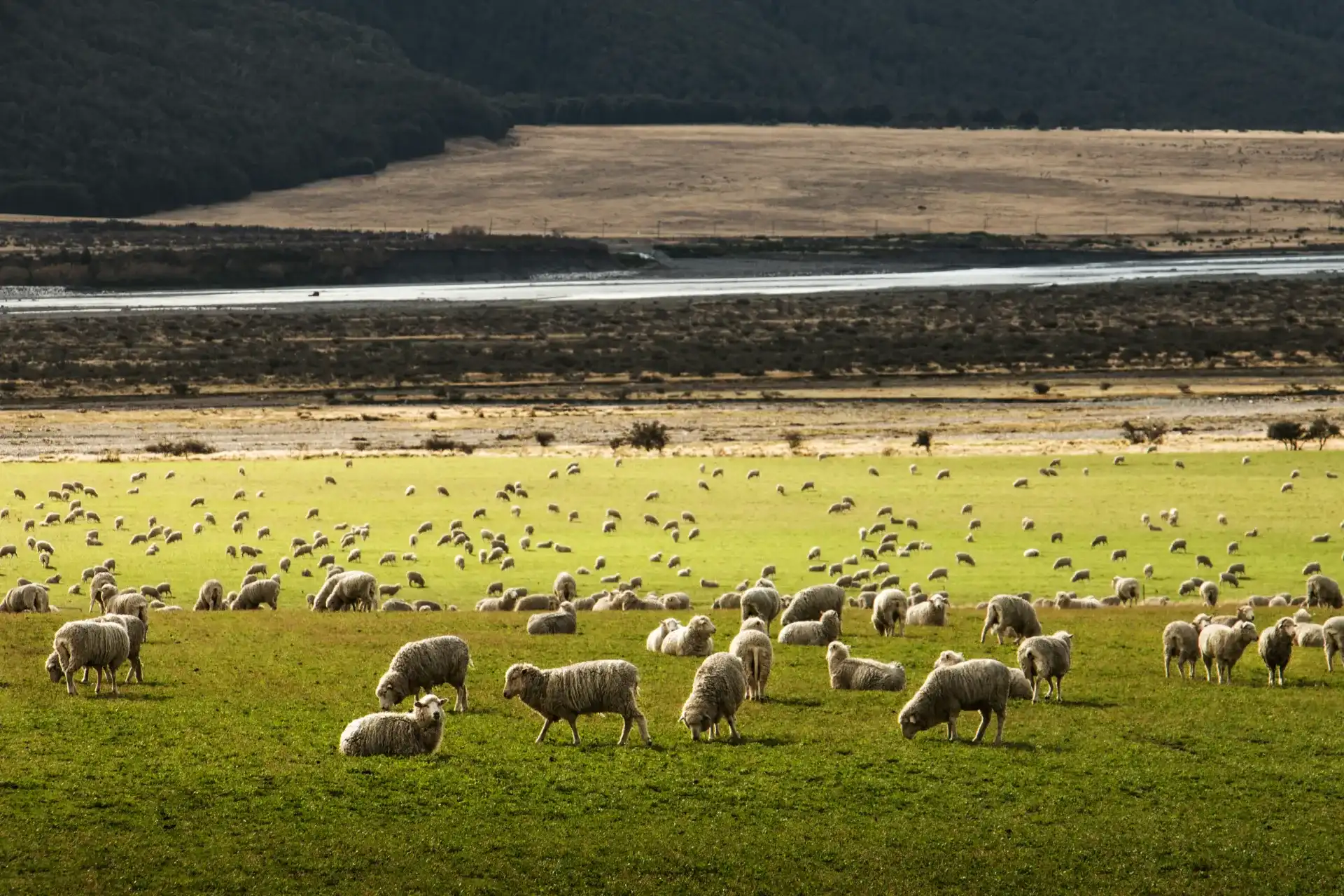 10D / 9N
Classic New Zealand Family Tour Package
Auckland, Rotorua, Queenstown, Christchurch
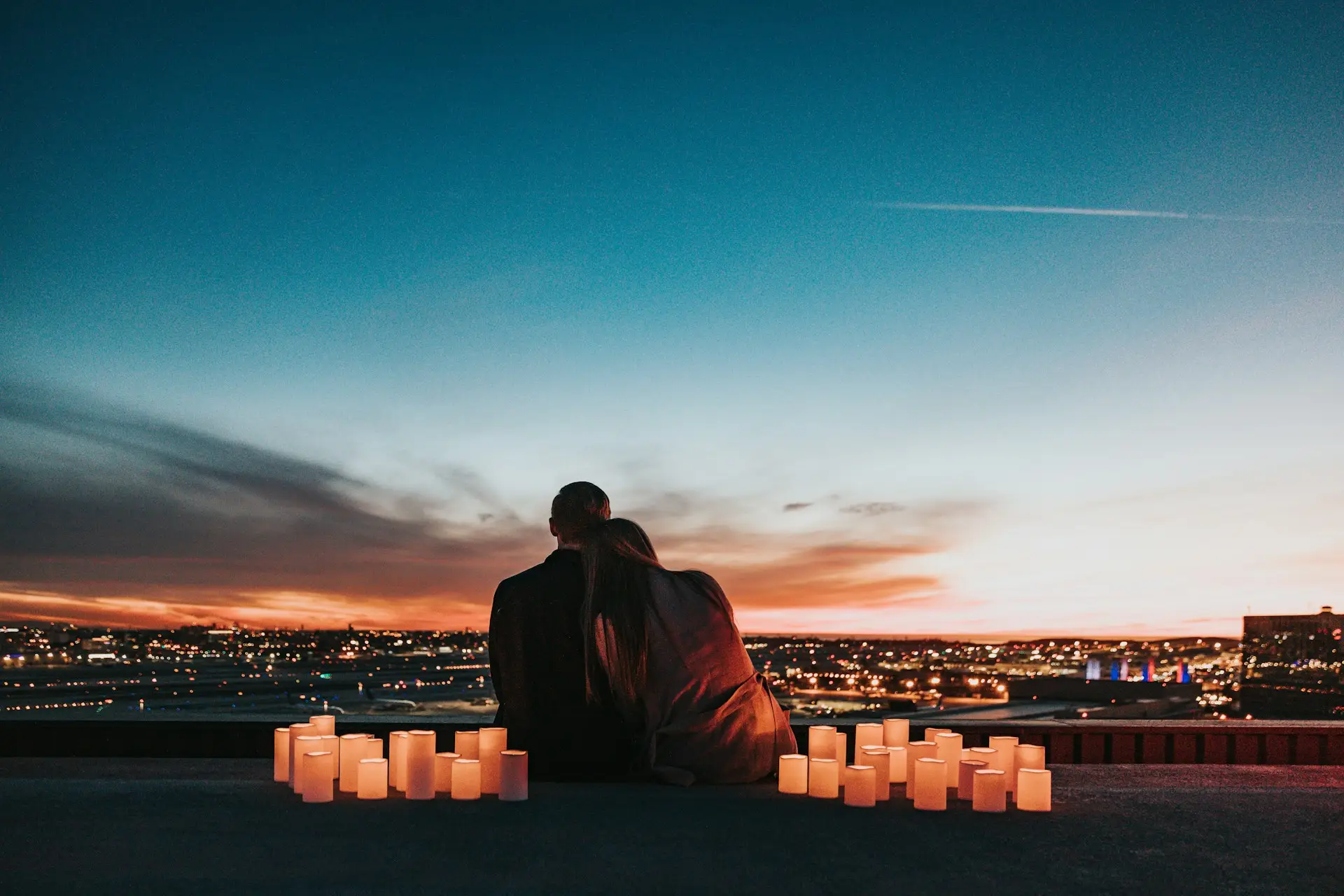 8D / 7N
New Zealand Luxury Honeymoon Tour Package
Auckland, Queenstown, Mackenzie,Christchurch
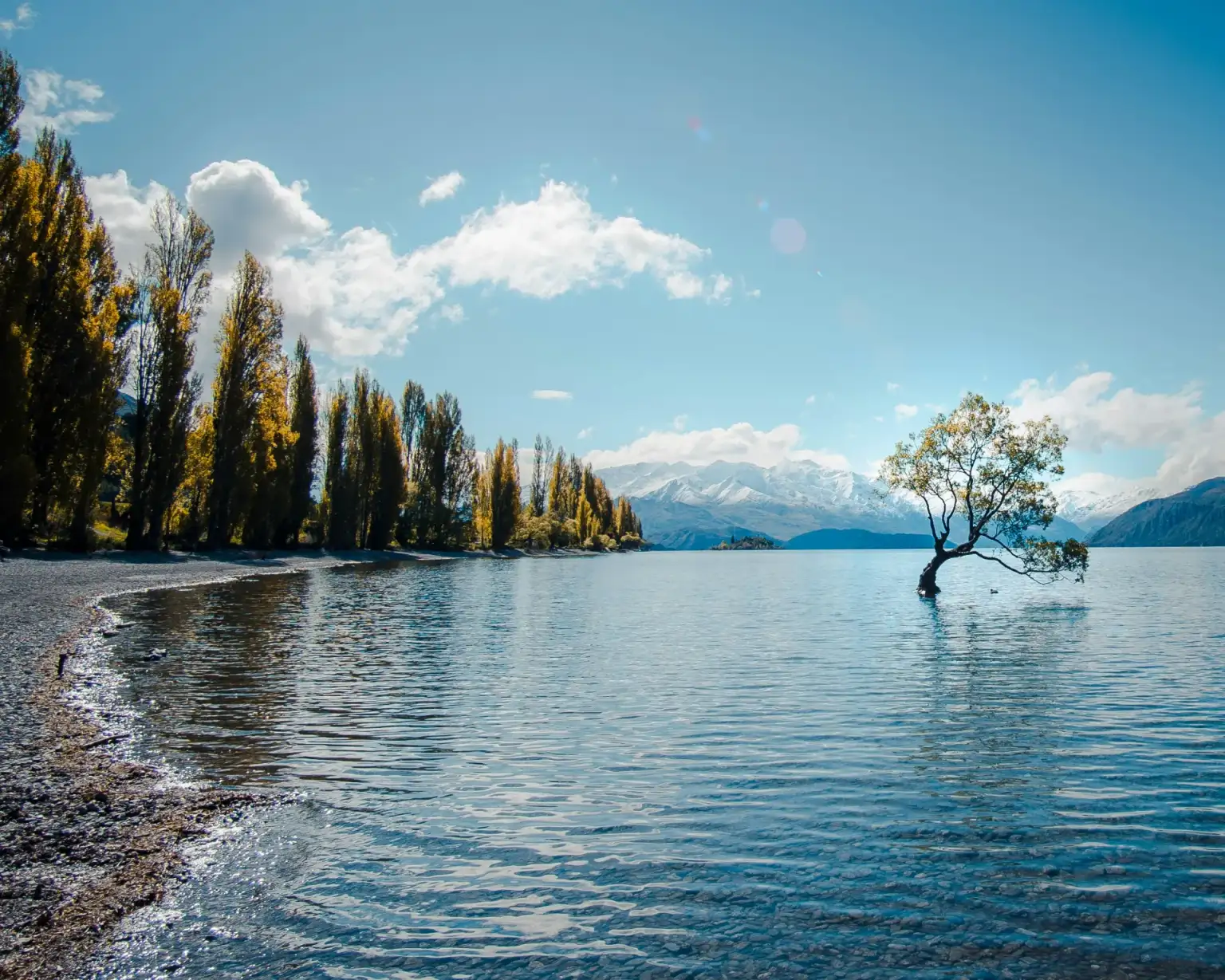 13D / 12N
New Zealand Scenic Flight Tour Package
Auckland, Rotorua, Queenstown, Milford Sound, Franz Josef, Lake Tekapo
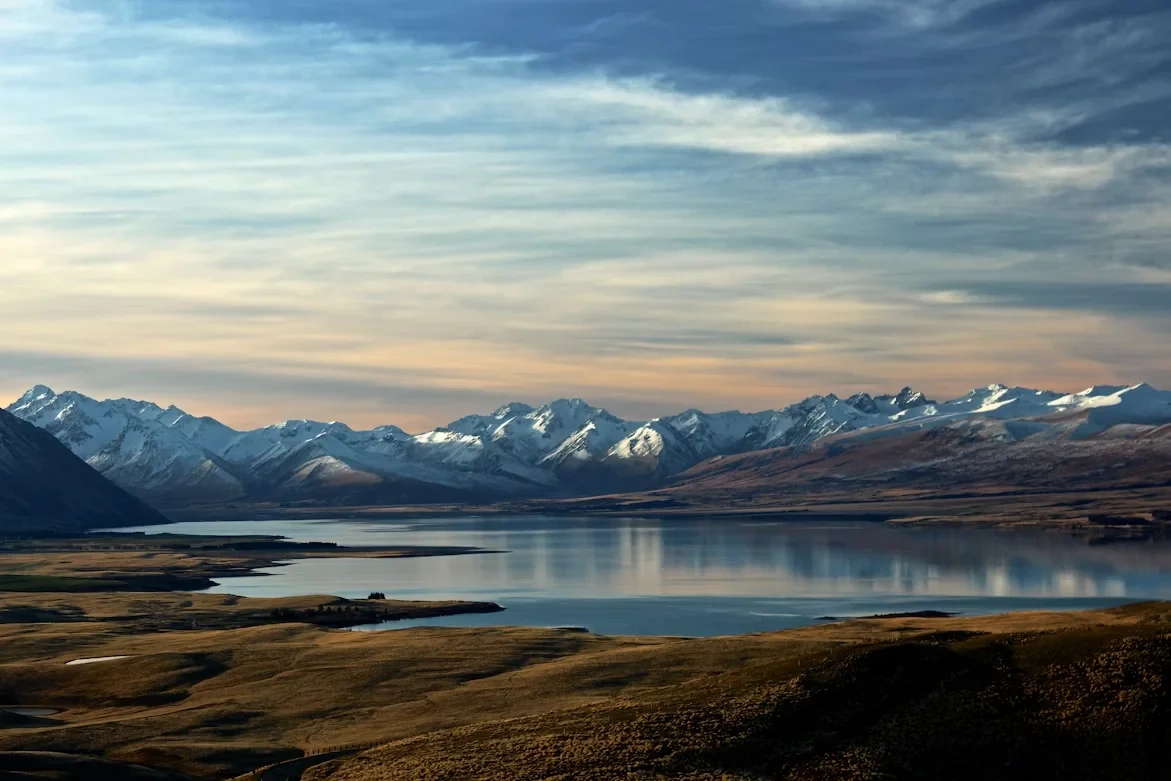 14D / 13N
New Zealand Self-Drive Tour Package
Auckland, Rotorua, Queenstown, Milford Sound, Mount Cook, Christchurch
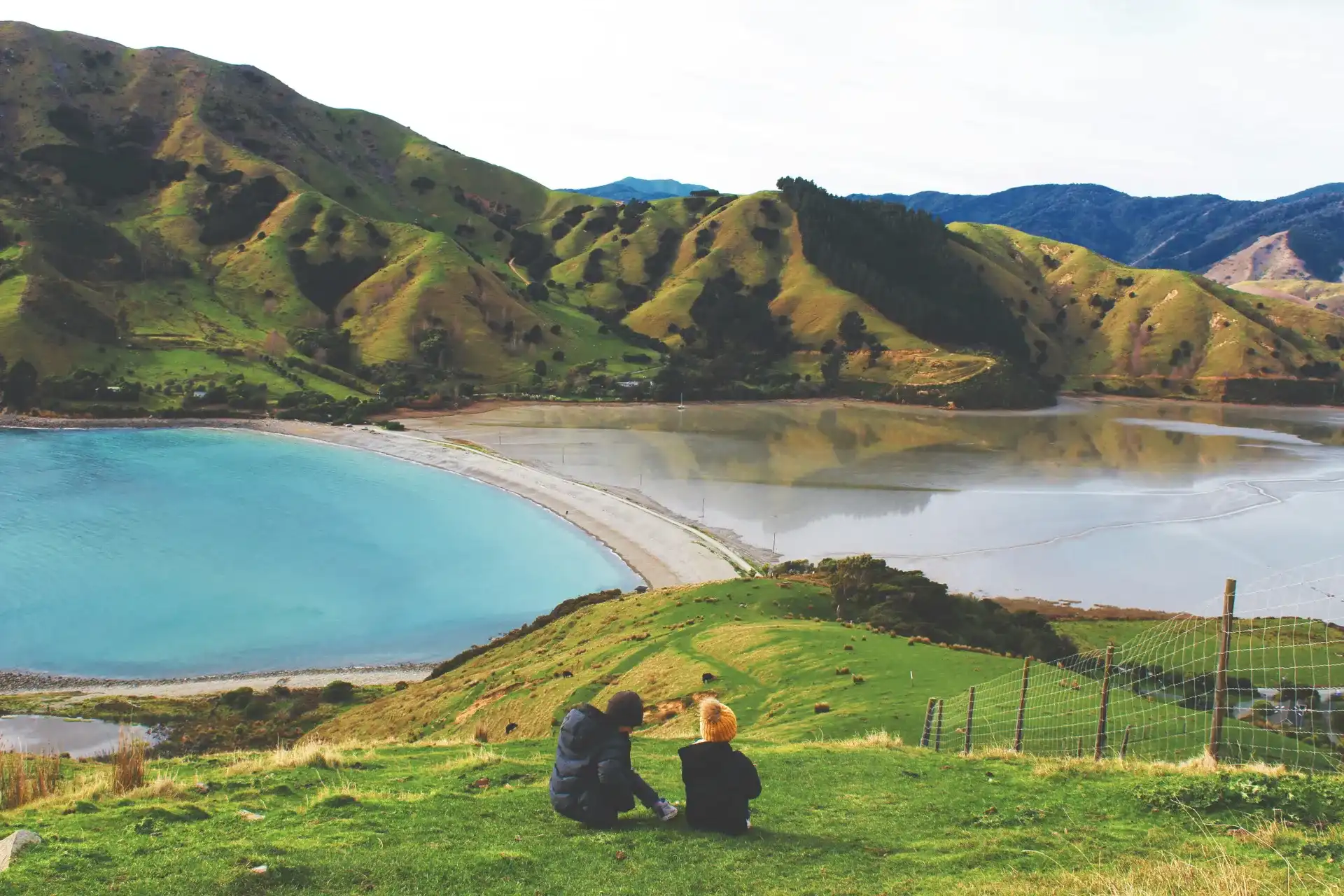 7D / 6N
Queenstown Adventure Tour Package
Queenstown, Milford Sound
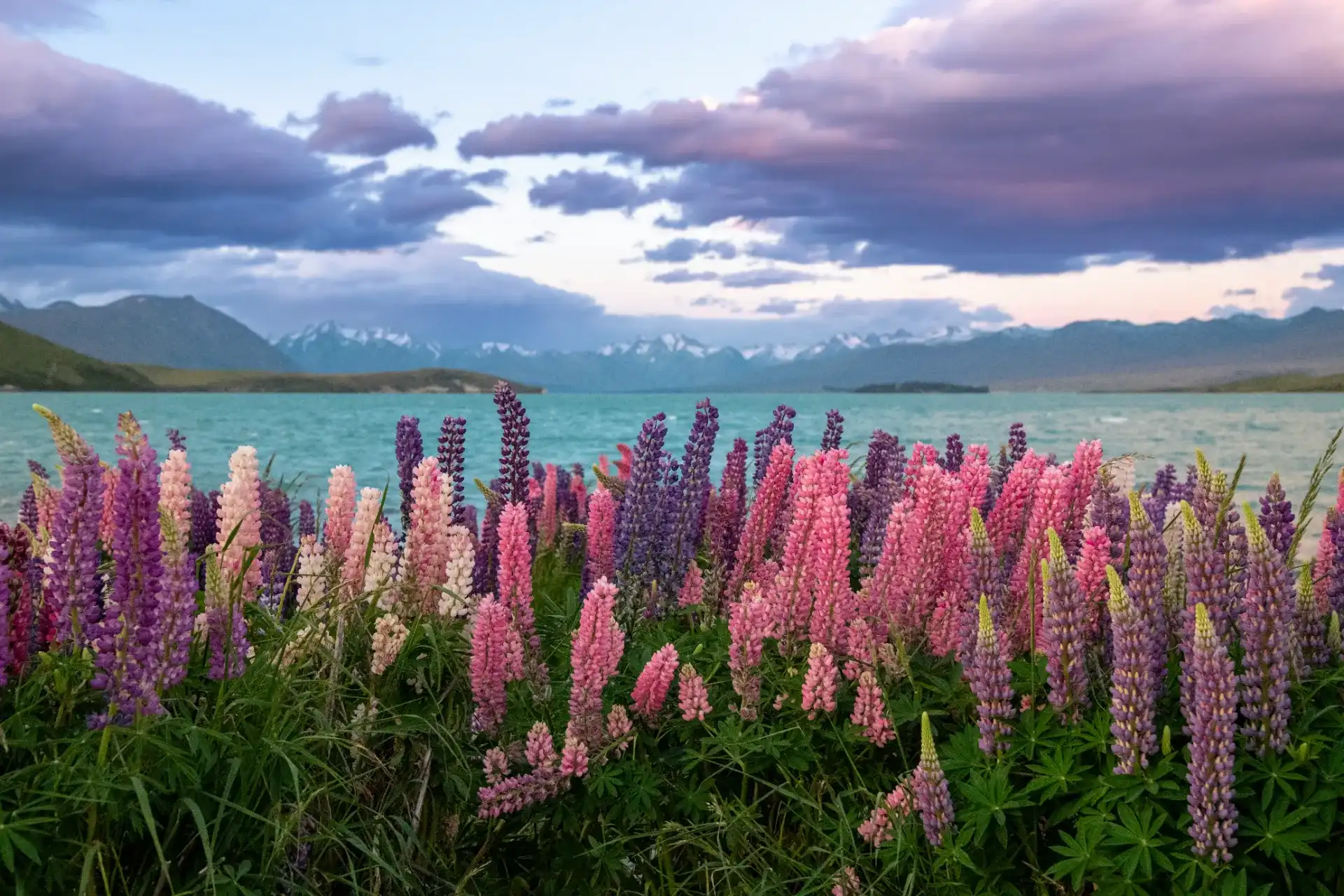 11D / 10N
New Zealand Campervan Adventure Tour Package
Te Anau, Queenstown, Christchurch,Lake Tekapo,Mount Cook, Wanaka
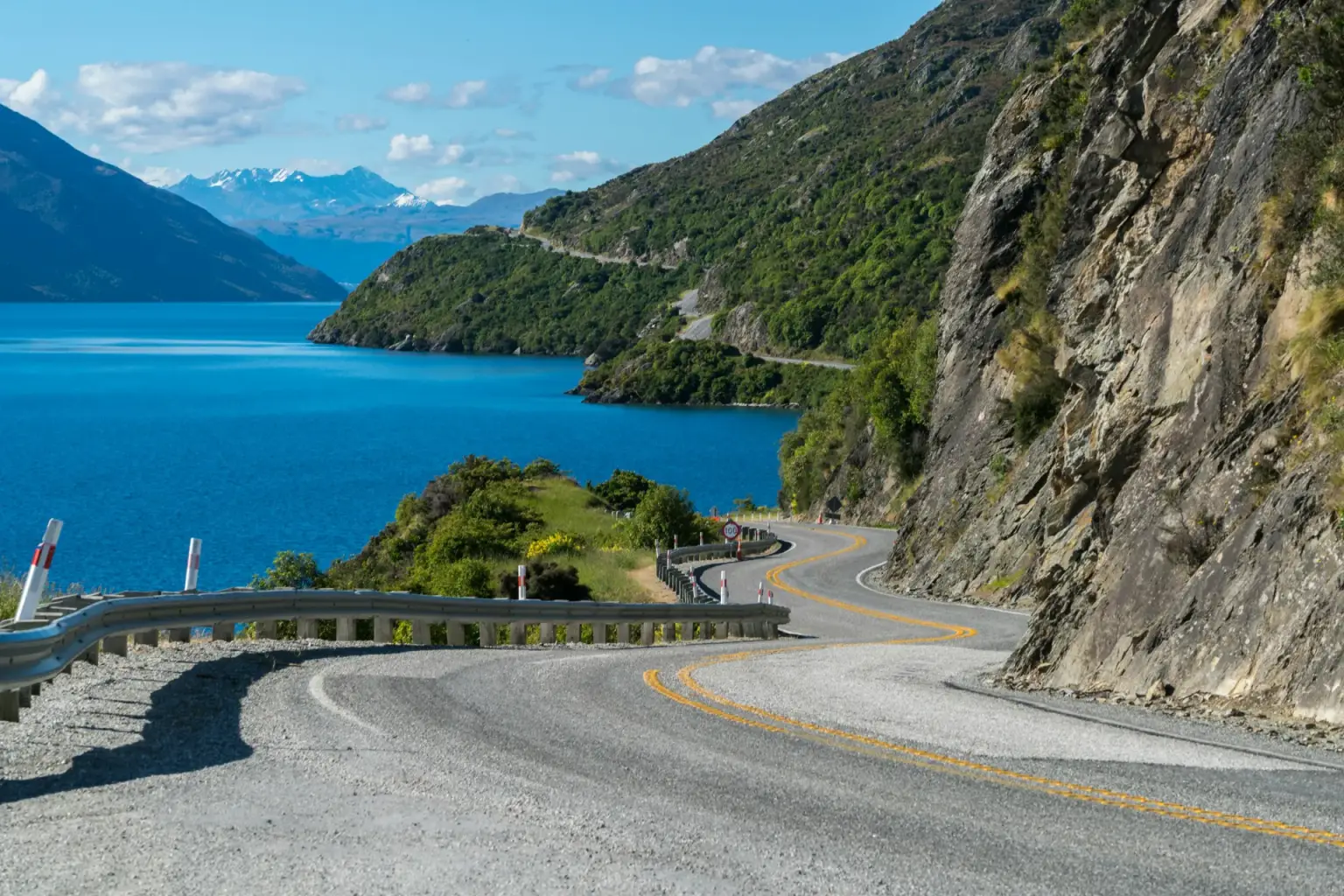 10D / 9N
New Zealand South Island Self-Drive Package
Christchurch, Lake Tekapo, Queenstown,
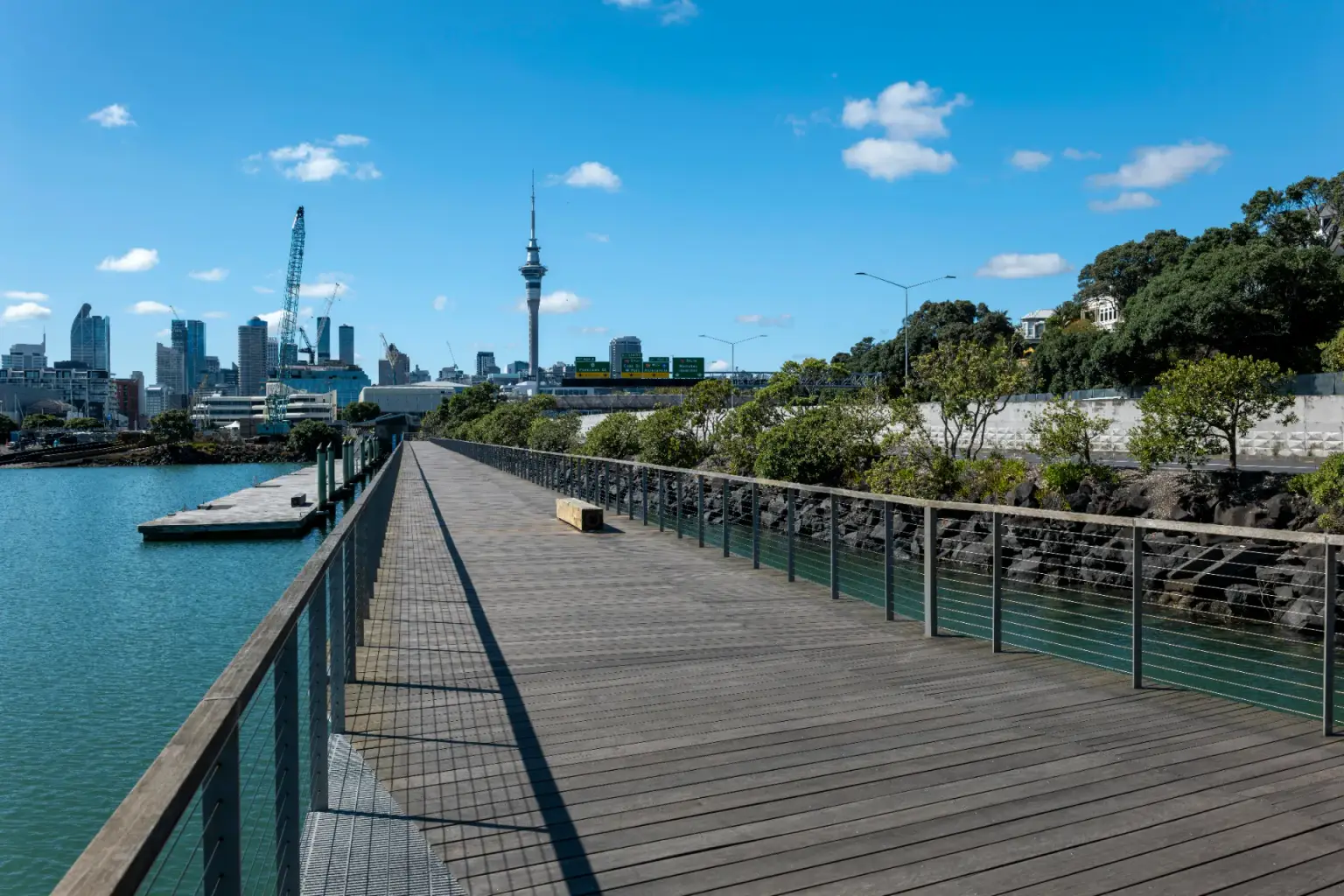 10D / 9N
New Zealand Luxury Lodges Tour Package
Auckland, Rotorua, Queenstown, Lake Tekapo
 10D / 9N
New Zealand Honeymoon Escape
Auckland, Rotorua, Queenstown, Milford Sound
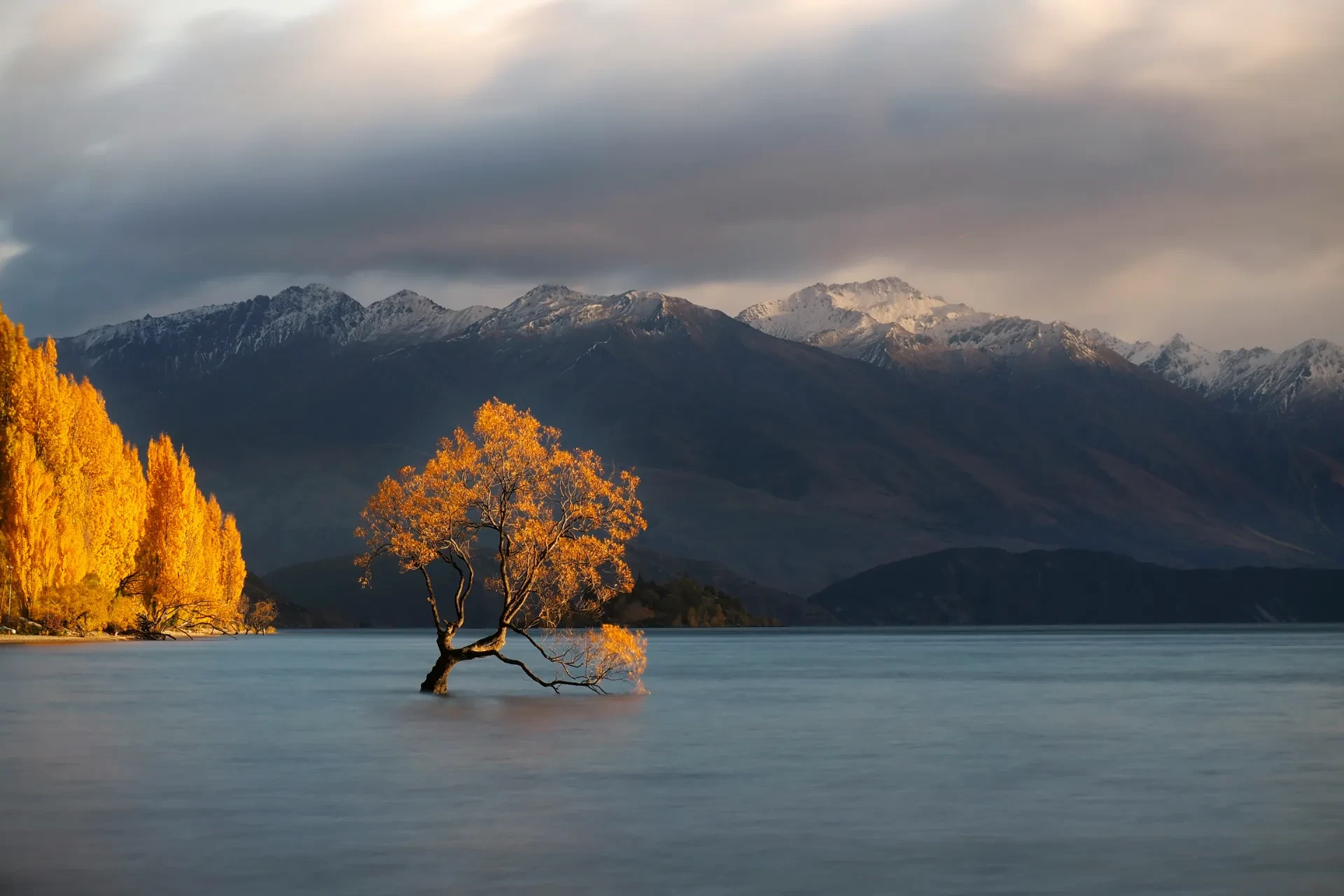 10D / 9N
New Zealand Family Tour Package
Auckland, Rotorua, Queenstown, Christchurch
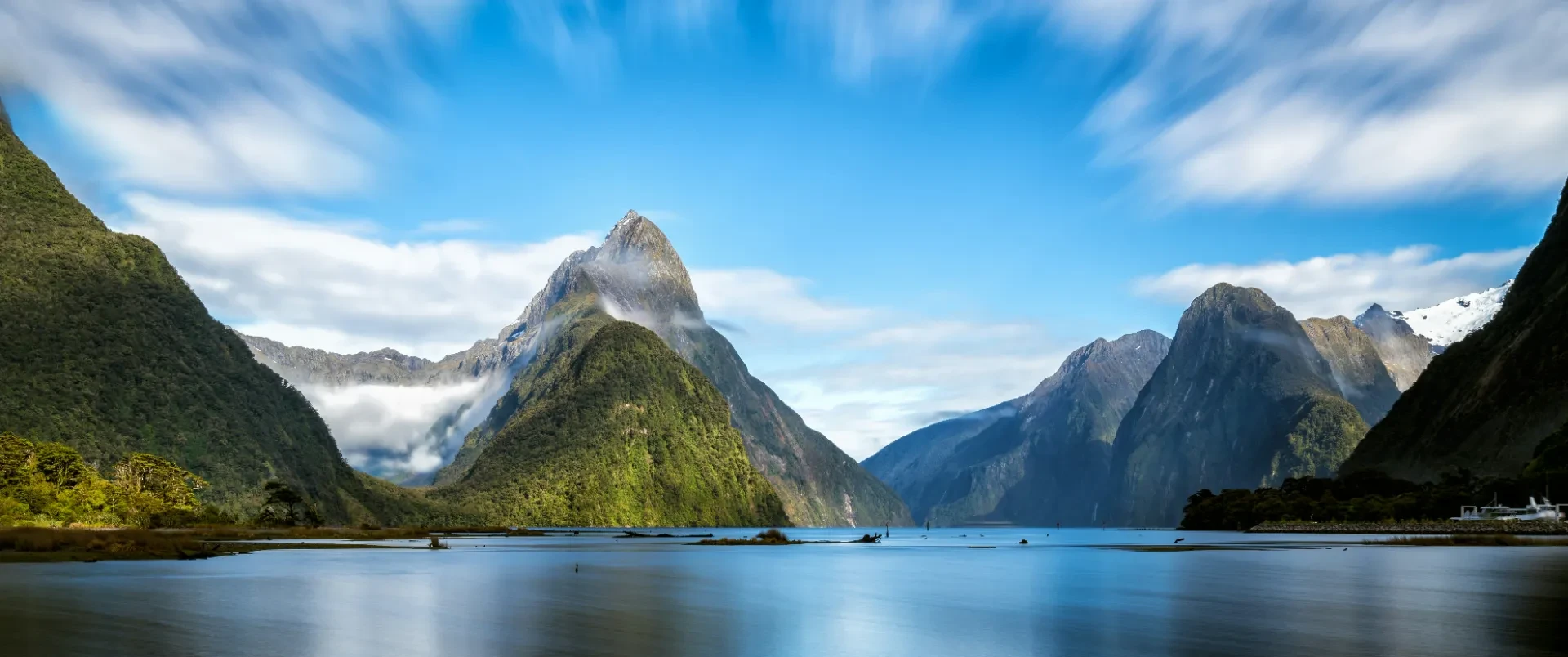 11D / 10N
New Zealand Grand Self Drive Tour Package
Auckland, Rotorua, Queenstown, Franz Josef, Christchurch
 10D / 9N
New Zealand Romantic Escape Tour Package
Auckland, Rotorua, Queenstown, Christchurch
 7D / 6N
New Zealand North Island Tour Package
Auckland, Waitomo, Rotorua, Hobbiton
 12D / 11N
New Zealand North and South Island Tour Package
Auckland, Rotorua, Queenstown, Milford Sound, Christchurch
 8D / 7N
New Zealand South Island Tour Package
Queenstown, Franz Josef, Christchurch
 8D / 7N
New Zealand Holiday Package
Auckland, Rotorua, Queenstown, Milford Sound, Mount Cook, Christchurch
New Zealand experiencesTop Things to Do in New Zealand
Hobbiton Evening Banquet Tour — Green Dragon at Night
The Evening Banquet Tour departs at 4 pm (check current times at hobbitontours.com), includes the full Shire tour in golden afternoon light, and ends at the Green Dragon Inn for a 3-course banquet dinner with a Shire-inspired menu (slow-roasted meats, seasonal vegetables, hobbit-sized desserts), unlimited Southfarthing ales and ciders, and entertainment. The Green Dragon at night — lit by lanterns, the Shire visible through the windows — is the most complete Hobbiton experience available. The standard day tour is excellent. The Evening Banquet is extraordinary.
Insider tip
If the Evening Banquet is outside budget, the standard day tour includes a complimentary drink at the Green Dragon — order the Old Toby ginger beer (non-alcoholic, named after the hobbit pipe-weed) rather than the alcoholic options, which are the most specifically Tolkien-reference drinks. Must Do. Don't: Arrive at Hobbiton without a booking — walk-in access is not available.
Milford Sound Kayak at Sunrise — 6:30am
Most Milford Sound visitors take the 9 am or 10 am cruise boat. The kayak at 6:30 am gives you the fjord in morning calm, no other boats, the waterfalls at their most audible, and the Mitre Peak reflection in the still water. The combination of paddling through a UNESCO fjord in complete silence at sunrise is the definitive Milford Sound experience — more personal than the cruise, more atmospheric than the boat approach allows.
Insider tip
The Milford Sound Lodge is the only accommodation at Milford Sound itself — staying here gives you morning kayak access and the experience of being in the fjord after the day visitors have gone. The evening in the fjord (no crowds, the cliffs reflecting in the water as the light fades) is almost as extraordinary as the morning. Must Do. Don't: Make Milford Sound a day trip without an overnight — the morning and evening experiences are the reason to be there.
Tongariro Alpine Crossing — 7am Start
The Tongariro Alpine Crossing requires a 7 am departure to complete the 8-hour crossing comfortably and have the Red Crater and Emerald Lakes at their best in morning light. The shuttle buses from National Park Village begin at 6am and run throughout the morning — the first buses arrive at the trailhead between 6:30 am and 7 am. Starting at 7 am, you reach Red Crater (the volcanic highpoint) at approximately 10–10:30 am with the best angle of morning light on the Red Crater and the Emerald Lakes.
Insider tip
Waitomo Black Water Rafting — Underground River Float
Black water rafting involves donning a wetsuit and rubber inner tube and floating through underground limestone cave passages on an underground river in darkness — with sections of the cave ceiling covered in glowworms above you. The experience combines the cave darkness and bioluminescence of the standard tour with physical involvement: you jump off a small waterfall into the tube, float through glowworm galleries, and climb ladder exits. For travellers who want the glowworm experience plus something more physically active, blackwater rafting is the right choice.
Insider tip
The Black Abyss option adds an abseil descent into the cave and a flying-fox (zipline) exit. It is the most complete Waitomo adventure — 5 hours including all equipment, guide, and a post-tour hot soup and bagel at the Waitomo Adventures café. For Adventure Seekers. Don't: Book the standard cave tour AND the black water rafting on the same day — the standard tour gives the glowworm experience; the black water rafting also gives glowworms plus activity. Choose one.
Whale Watch Kaikoura — Take Seasickness Medication
The Whale Watch Kaikoura boat leaves from the Kaikoura harbour at several times daily — the 8:45 am departure is the most popular and often the calmest (later departures can encounter afternoon wind). The 2.5-hour tour goes 5–10km offshore to the edge of the Kaikoura Canyon. Acoustic monitoring buoys track whale locations — when a whale is detected at the surface, the boat moves to the minimum permitted distance of 50m. In November, sperm whales (resident year-round) are at typical surface intervals (8–10 minutes per breath, then 45–60 minutes at depth). The 95% sighting success rate is genuine.
Insider tip
Queenstown Gondola + Luge — The Non-Scary Adventure
The Queenstown Gondola lifts you to 450m above Queenstown with a panoramic view of Lake Wakatipu, the Remarkables mountain range, and the Coronet Peak ski area. At the summit: the Skyline restaurant and the Luge. The Luge is family-friendly, accessible to all ages, and provides the best sustained view of Queenstown and the lake of any Queenstown activity.
Insider tip
The sunset gondola slot (approximately 7 pm in November) gives the finest view of Queenstown — the Remarkables in amber light, the lake reflecting, and the town below beginning to light up. The Skyline restaurant's buffet dinner with this view is one of Queenstown's finest food experiences at a moderate price. Do as an evening activity. Don't: Spend your Queenstown budget entirely on the gondola without experiencing at least one genuine adrenaline activity.
Marlborough Wine Tasting — Sauvignon Blanc at Its Origin
Marlborough (at the northern tip of the South Island, near Blenheim) is where New Zealand Sauvignon Blanc originated — the specific expression of the grape in this climate (cold nights, sunny days, free-draining soils) produces the style that made New Zealand wine globally recognised. Cloudy Bay (the most famous NZ Sauvignon Blanc internationally) is based here — cellar door tasting for 4 wines. Dog Point, Wairau River, Hunter's, and Brancott Estate are equally worth visiting. A self-drive wine tasting loop from Blenheim covers 5–6 estates in a half-day.
Insider tip
Waiheke Island Wine + Beach Day from Auckland
Waiheke Island is 45 minutes by ferry from the Auckland Ferry Terminal. The island has 30+ wineries producing premium Bordeaux-blend reds and Syrah (its volcanic soil and maritime climate consistently produce extraordinary results), stunning beaches (Onetangi, Palm Beach), and the village of Ostend with its artisan food scene. An e-bike rental from the ferry terminal efficiently covers the island's hills between wineries.
Insider tip
Cable Bay Winery has the finest terrace view on Waiheke — overlooking the Hauraki Gulf from the vineyard, with the Coromandel Peninsula visible on a clear day. Book a table for lunch at the Cable Bay restaurant — the wine is excellent, and the view is worth sitting for 2 hours. Must Do (Auckland day trip). Don't: Visit Waiheke on a weekday in January–February when school groups and Auckland day-trippers flood the island. November weekdays are quiet.
Te Papa Museum — Wellington (Free)
Te Papa Tongarewa (Museum of New Zealand) in Wellington is free to enter and contains the definitive collection of New Zealand's natural, cultural, and indigenous heritage. The Maori collection (taonga — treasures) is the most complete in any museum, including carved meeting houses (wharenui), waka (canoes), and exhibits of the Maori worldview (Te Ao Māori). The colossal squid (a genuine specimen caught in the Ross Sea, the world's largest known invertebrate by mass) and the earthquake simulator are the most visited features. Wellington's Te Papa is the finest museum in Oceania — comparable to international-standard national museums in Europe.
Insider tip
TranzAlpine Train — Christchurch to Greymouth Through the Southern Alps
The TranzAlpine crosses the Southern Alps from Christchurch on the Pacific coast to Greymouth on the Tasman Sea coast — 4.5 hours through the highest mountain range in New Zealand. The crossing passes through 19 tunnels and over 4 viaducts, through the Waimakariri River gorge, over the Otira Viaduct (the highest viaduct in the country), and through the Otira Tunnel (8.5km, the longest in NZ). The open observation carriage at the rear of the train offers unobstructed views in all weather conditions.
Insider tip
Three Itinerary Options
See how each trip is paced, from arrival to departure. These are sample day-by-day plans; we tailor the dates and details.
New Zealand Classic — 8 Days (North Island Highlights)
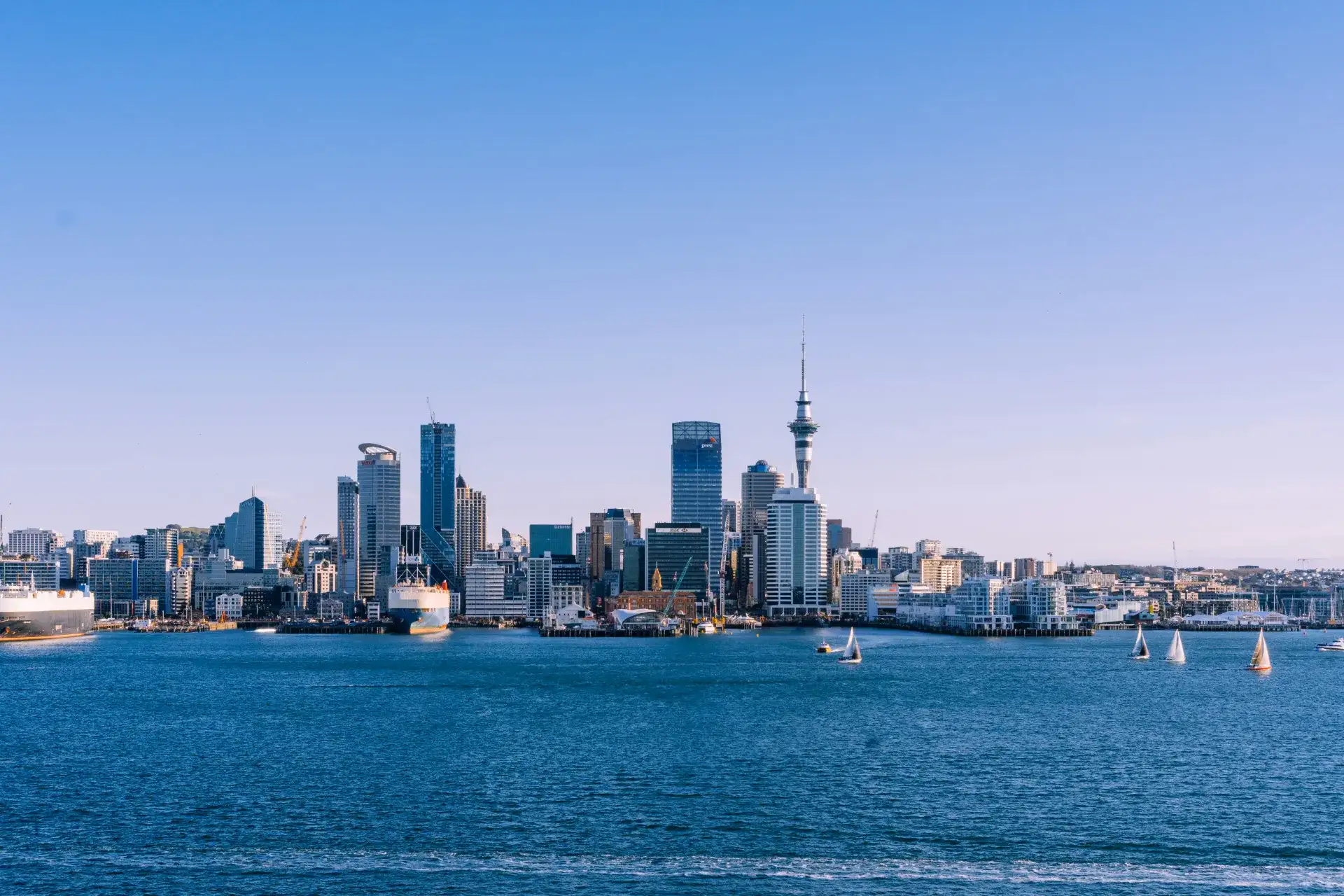
- Day 1Arrive AucklandLand Auckland (AKL) · SkyBus to city centre (NZD 20 ≈ ₹1,140). Afternoon: Auckland waterfront · Viaduct Harbour · Sky Tower (NZD 43 ≈ ₹2,451). Evening: Ponsonby Road dinner (Auckland's finest restaurant strip).
- Day 2Waiheke IslandFerry Auckland → Waiheke (NZD 45 return · 45 min) · E-bike rental at wharf. Cable Bay Winery lunch · Palm Beach afternoon swim. Return ferry · Auckland waterfront evening.
- Day 3Drive Auckland → Waitomo → RotoruaMorning: Drive Auckland → Waitomo (2.5 hrs) · Glowworm Cave tour (NZD 55 ≈ ₹3,135). Afternoon: Drive Waitomo → Rotorua (1.5 hrs). Evening: Polynesian Spa (NZD 25–75) or walk Rotorua city centre.
- Day 4Rotorua Full Day10:15am: Wai-O-Tapu (Lady Knox Geyser eruption) + thermal boardwalk (NZD 42 ≈ ₹2,394). Afternoon: Te Puia (Pohutu Geyser + Maori carving school + kiwi house) (NZD 69). Evening: Maori cultural performance + hangi dinner (NZD 130–160 ≈ ₹7,410–₹9,120).
Advice
Book the Maori cultural evening at Tamaki Maori Village (tamakimaorivillage.co.nz) rather than the Te Puia evening experience — Tamaki is purpose-designed for the performance and has the best haka and waiata (song) presentations in Rotorua. - Day 5Hobbiton + Drive toward TongariroMorning: Drive Rotorua → Matamata → Hobbiton (1.5 hrs) · Guided tour 9am or 10am (NZD 49). Afternoon: Drive Matamata → National Park Village via SH1 (2.5 hrs). Evening: National Park Village (Tongariro base — book shuttle for 7am next day).
- Day 6Tongariro Alpine Crossing6:30am: Shuttle from National Park Village to Mangatepopo trailhead. 7am–3pm: Tongariro Alpine Crossing (19.4km, 8 hours). Evening: National Park Village or Taupo.
- Day 7Taupo → Auckland ReturnMorning: Huka Falls viewpoint Taupo (free, 10 min walk — one of NZ's most powerful waterfalls at accessible distance). Optional: Craters of the Moon Geothermal Park Taupo (free) or Maori rock carvings by boat (NZD 35 ≈ ₹1,995). Afternoon: Drive Taupo → Auckland (3.5 hrs). Evening: Last Auckland dinner — Federal Deli or Depot for high-end NZ cuisine.
- Day 8DepartureAuckland airport · Souvenir: Whittaker's chocolate + Manuka honey (best at the airport duty free — same prices as city stores, better selection).

OPTION 2: NZ Popular — 12 Days (North + South Islands). Best for: First complete NZ circuit · Narinder's recommended Indian tourist route · Honeymoon
- Day 1Arrive AucklandSky Tower · Viaduct Harbour. Key Cost: NZD 43.
- Day 2Waiheke IslandFerry + E-bike + Cable Bay Winery. Key Cost: NZD 85.
- Day 3Waitomo + Rotorua (drive)Glowworm Cave + arrival. Key Cost: NZD 55.
- Day 4RotoruaWai-O-Tapu + Te Puia + Maori evening. Key Cost: NZD 241.
- Day 5Hobbiton + Tongariro baseDrive Matamata → National Park. Key Cost: NZD 49.
- Day 6Tongariro Alpine Crossing19.4km · 8 hrs · Emerald Lakes. Key Cost: NZD 40.
- Day 7Wellington (drive/fly)Te Papa (free) · Cuba Street · Evening waterfront. Key Cost: Free.
- Day 8Ferry Wellington → Picton → KaikouraInterislander Ferry + arrival Kaikoura. Key Cost: NZD 100.
Advice
The Wellington → Picton Interislander ferry through the Marlborough Sounds is a specific visual experience — the ferry navigates through the labyrinthine inlets and island passages for the first 90 minutes before reaching open water. Book the 8:45am departure (arriving Picton 12:15pm) and drive directly to Kaikoura (2.5 hours south) for a late afternoon arrival, positioned for the 10:30am Whale Watch the following morning. - Day 9Kaikoura + ChristchurchWhale Watch 10:30am + drive Christchurch. Key Cost: NZD 165.
- Day 10Queenstown (fly)Flight Christchurch → Queenstown + arrival. Key Cost: NZD 100–150.
- Day 11QueenstownBungy (Kawarau) + Gondola + Lake Wakatipu. Key Cost: NZD 319.
- Day 12Milford Sound + DepartDrive Te Anau → Milford Sound · 10am cruise + fly Queenstown → Auckland → India. Key Cost: NZD 80–160 cruise.

OPTION 3: NZ Complete — 16 Days (Full Country). Best for: Complete New Zealand · Photographers · Serious travellers · Honeymoon
- Day 1Auckland (Arrival)Sky Tower · Viaduct Harbour · Ponsonby Road dinner.
Advice
Day 15 is the finest single day of the complete NZ circuit — starting with the 6:30am Milford Sound kayak (before the cruise boats arrive, before the day visitors, with the waterfalls and the fjord in complete silence) and ending with the 10am standard cruise. Both experiences are complementary. Book both at Milford Sound in advance — the kayak through Rosco's Milford Kayaks (roscosmilfordkayaks.com) and the cruise through Real Journeys (realjourneys.co.nz). - Day 2Auckland — Waiheke IslandWaiheke Island winery cycling day · Cable Bay terrace lunch · evening return.
- Day 3WaitomoGlowworm Cave + Black Water Rafting.
- Day 4RotoruaWai-O-Tapu · Te Puia geothermal · Polynesian Spa evening.
- Day 5Rotorua DeepWaimangu Volcanic Valley · Maori cultural evening at Tamaki Maori Village.
- Day 6Hobbiton + National ParkShire visit + Tongariro base.
- Day 7Tongariro Alpine CrossingFull crossing + Emerald Lakes.
- Day 8WellingtonTe Papa, Cuba Street, Botanical Gardens.
- Day 9Picton + MarlboroughInterislander Ferry + wine tasting circuit.
- Day 10Kaikoura + ChristchurchWhale Watch + coastal drive.
- Day 11Christchurch + TranzAlpineBotanic Gardens + Alpine train to Greymouth.
- Day 12West Coast + Franz JosefDrive Greymouth → Franz Josef · Glacier Heli-Hike.
- Day 13QueenstownDrive Franz Josef → Queenstown (3.5 hrs) · Gondola.
- Day 14Queenstown AdventuresBungy (Kawarau) + Jet Boat (Shotover) + Lake Wakatipu.
- Day 15Milford SoundDrive Te Anau → Milford · Sunrise kayak 6:30am + 10am cruise.
- Day 16DepartDrive Milford → Queenstown · Fly Queenstown → Auckland → India.
Where to Stay: 6 Zones
Auckland — Viaduct / CBD
Rotorua
Wellington — CBD / Te Aro
Queenstown
Milford Sound Lodge
Christchurch
4-Tier Daily Cost Table (Per Person · INR · 2026 · Excluding Flights)
Budget
₹6,000 – ₹10,000Money-saving travel- Stay
- Hostel NZD 30–60
- Food
- Supermarket + café NZD 20–30
- Getting around
- InterCity bus + occasional rental car
Mid-range
₹10,000 – ₹18,000Comfortable everyday travel- Stay
- 3-star NZD 100–200
- Food
- Café + restaurant NZD 40–65
- Getting around
- Rental car + Interislander Ferry + domestic flights
PREMIUM
₹20,000 – ₹35,000per person, per day- Stay
- 4-star NZD 200–350
- Food
- Quality restaurants NZD 70–120
- Getting around
- 4WD rental + scenic flights + first-class rail
Luxury
₹45,000 – ₹1,80,000+Premium comfort- Stay
- Luxury lodge NZD 500–2,000+
- Food
- Private chef, exclusive dining
- Getting around
- Helicopter transfers + private guides + luxury lodge transfers
How to Get to New Zealand & Get Around
How to reach New Zealand and how to get around once you are there: the routes, how long they take and what they cost.
Plan your route ↗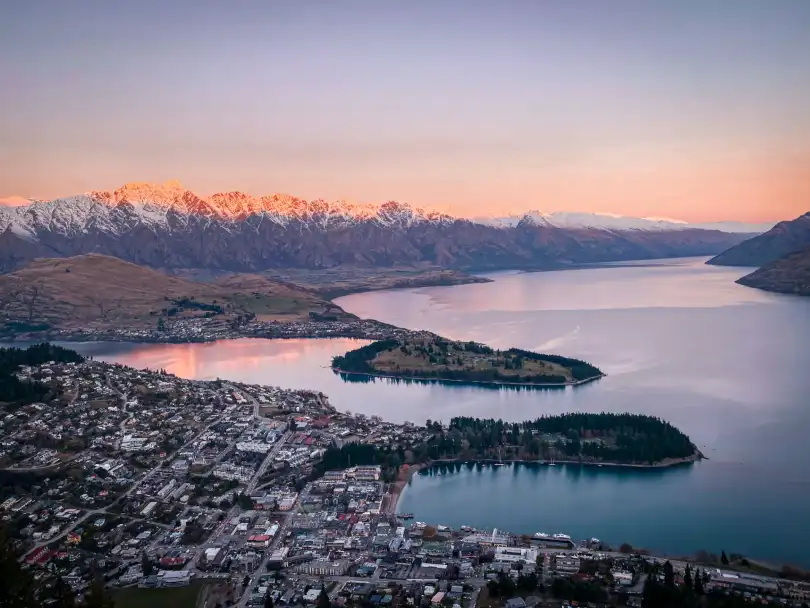 9 ways to travel
By Air — Auckland (AKL) or Queenstown (ZQN) Flights from India
Delhi → Auckland (via Singapore SIN, 17h total)
Mumbai → Auckland (via SIN or BKK, 19h total)
Bengaluru → Auckland (via Singapore, 16h total) Air New Zealand and Singapore Airlines (via Singapore) cover the primary India–New Zealand routes — no direct India–NZ flights exist. Singapore Changi gives the most consistent transfer hub. NZ Electronic Travel Authority (NZeTA) required for Indian passport holders (nzeta.govt.nz, apply minimum 72h before travel). Auckland Airport connects to the city by bus (SkyBus, CBD, 45 min) or taxi/Uber (30 min). Queenstown Airport (ZQN) receives direct connections from Sydney and Brisbane for South Island direct arrivals.
By Air — Wellington (WLG) or Christchurch (CHC) Flights from India
Sydney → Wellington (2h 30m, Air NZ)
Melbourne → Christchurch (3h 30m, Air NZ/Jetstar)
Singapore → Christchurch (10h 30m, Air NZ) Wellington Airport (WLG) and Christchurch Airport (CHC) receive Australian connections — most practical for Indian travellers arriving via Sydney or Melbourne on a combined Australia–NZ circuit.
By Cruise — Sydney or Melbourne to New Zealand Key Sea / Ferry Routes
Sydney → Bay of Islands → Auckland → Fiordland/Milford Sound → Dunedin → Christchurch/Akaroa (10–14 day cruise)
Melbourne → Hobart → Dunedin → Queenstown area (Southern Ocean circuit) New Zealand cruise circuits from Australian ports give the most dramatic single maritime approach to Milford Sound — entering the 15km fjord by ship (600m vertical walls on both sides, Stirling and Lady Bowen Falls visible from the deck) is one of the most cited single maritime experiences in the Southern Hemisphere.
By Interislander Ferry — Wellington to Picton Key Sea / Ferry Routes
Wellington (Aotea Quay) → Picton (Marlborough Sounds, 3h 30m, Interislander/Bluebridge) The Cook Strait crossing between Wellington and Picton is the primary North Island–South Island transfer — the most geographically significant single journey in New Zealand. The Marlborough Sounds approach into Picton (the final 30 minutes of the crossing inside the drowned river valley system) is the most distinctly New Zealand maritime arrival moment.
By Bus — Stray and Naked Bus Key Bus Routes
Auckland → Tauranga → Rotorua → Taupo → Wellington (Stray bus North Island circuit, 5 days)
Christchurch → Queenstown (intercity bus, 7h) Stray Bus (hop-on hop-off backpacker circuit bus) gives the most itinerary-flexible New Zealand exploration format for independent travellers — board and exit at any stop along the route.
Rental car (South Island)
4WD recommended for Milford Road in wet weather.
InterCity bus
Auckland–Rotorua, Rotorua–Wellington (via Tongariro). Comfortable, reliable.
KiwiRail Scenic Train (Tranz Alpine)
Christchurch → Greymouth: 4.5 hours through the Alps. One of NZ's finest train journeys.
KiwiRail Overlander (seasonal)
Auckland → Wellington: 11 hours (scenic).
New Zealand Travel Tips
International Visitor Levy (IVL) of NZD 35 per person is collected on arrival at New Zealand airports for all international visitors — it is pre-paid via your ETA (Electronic Travel Authority, NZD 9); budget both fees when estimating entry costs.
Supermarket cooking at New World or Countdown saves significantly in NZ — eating out in Queenstown costs NZD 25–40 per meal; a supermarket deli hot meal costs NZD 8–12 for the same caloric value.
New Zealand's sandfly (no-see-um) population in Fiordland, the West Coast, and Milford Sound is extreme — DEET-based repellent is essential; sandfly bites cause intense local reactions for 3–5 days in individuals who haven't built tolerance.
Crossing rivers on the South Island's backcountry tracks is a serious hazard — glacial rivers rise several metres within hours of upstream rain; never attempt a river crossing above knee height and camp on your side to wait if in doubt.
Maori culture is actively practiced — a pōwhiri (formal welcome) at a marae is a serious ceremonial event, not a tourist performance; if invited, follow the guidance of your hosts precisely and do not photograph without specific permission.
Remove shoes when entering a wharenui (meeting house) on a marae — always; no exceptions regardless of your footwear.
Fake "Great Walk" booking sites — New Zealand's Great Walks (Milford, Routeburn, Tongariro) can only be booked through DOC's official system at bookings.doc.govt.nz; third-party "booking" sites have charged tourists for confirmed reservations that don't exist.
Queenstown adventure activity operators vary significantly in safety standards — check the company holds an Adventure Activities Certification from WorkSafe NZ before booking bungee, rafting, or jet boat activities.
Queenstown restaurant menus written on chalkboards sometimes do not match bills — verify the price of any daily special before ordering; popular tourist restaurants near Shotover Street have been reported for inconsistent pricing.
What is worth it,
and what to avoid.
Last reviewed 2026-05-11.
- Milford Sound Sunrise Kayak (NZD 110–150 ≈ ₹6,270–₹8,550)The fjord before the cruise boats. The waterfalls audible before visible. No other boats for 90 minutes. Penguins. Complete fjord silence. The cruise is good. The kayak is extraordinary.
- Whale Watch Kaikoura (NZD 165–195 ≈ ₹9,405–₹11,115)95% sperm whale sighting rate. 5km from shore. A 15-metre animal fluking in November prime season. Maori-owned tourism. 80% refund if no whales.
- Tongariro Alpine Crossing (NZD 35–45 shuttle ≈ ₹1,995–₹2,565)The finest one-day hike in New Zealand. Volcanic moonscape, Emerald Lakes, Mordor landscape. The shuttle is cheap. The experience is extraordinary.
- Hobbiton Evening Banquet Tour (NZD 195 ≈ ₹11,115)The Shire at golden hour + the Green Dragon Inn for dinner. The most complete Tolkien experience available at any film location anywhere in the world.
- Waitomo Glowworm Cave10,000 bioluminescent stars (NZD 55 ≈ ₹3,135) — A natural phenomenon that exists only in New Zealand. The boat in complete darkness below 10,000 glowworms. Brief, affordable, genuinely unlike anything else.
- Maori Cultural Evening + Hangi (NZD 120–180 ≈ ₹6,840–₹10,260)The haka, waiata, and powhiri done by a living community, not a museum. The hangi food slow-cooked for hours in an earth oven. The most culturally specific New Zealand evening available.
- Waiheke Island Ferry + Winery Day (NZD 85 total ≈ ₹4,845)45 minutes from Auckland, premium volcanic-soil Bordeaux reds and Syrahs, Cable Bay terrace with Hauraki Gulf view. The finest half-day from Auckland.
- Te Papa Museum Wellington (Free)The finest museum in Oceania. The complete Maori taonga collection. The colossal squid. A full 3 hours of content at no entry cost.
- Not completing the NZTD before flyingNZTD (New Zealand Traveller Declaration) at nztd.govt.nz must be done within 24 hours before departure. Free, takes 5 minutes. Failure causes queuing at NZ immigration. This is separate from the visa — both are required.
- Not booking Hobbiton in advanceWalk-in access does not exist. All entry is by guided tour only. Tours sell out 3–6 weeks ahead in October–January. Check hobbitontours.com when NZ trip dates are confirmed.
- Not taking seasickness medication for Whale Watch KaikouraThe Pacific Ocean at Kaikoura has genuine swells. The whale watching is worth any discomfort, but the discomfort is avoidable with Kwells or Stemetil (NZ pharmacy, no prescription). Take 1 hour before departure.
- Not checking Tongariro Alert Level before the crossingThe Tongariro Alpine Crossing closes at volcanic alert level 2 or above. This happens without warning based on seismic activity. Check geonet.org.nz the morning of your hike. Build a buffer day in National Park Village for a rescheduled crossing.
- Attempting Milford Sound as a day trip without overnightMilford Sound is 5 hours from Queenstown. A day trip gives you the cruise. An overnight gives you the sunrise kayak, the evening calm after day visitors leave, and the morning before the cruise boats start. The ratio of experience to cost is incomparable.
- Franz Josef Glacier Valley Walk instead of Heli-Hike without checking in advanceThe glacier has retreated so significantly that the valley walk viewpoint shows the glacier from 1km distance. The Heli-Hike (NZD 450–499) gives on-glacier access. This is genuinely expensive. But the free valley walk is the glacier from a kilometre away. Decide consciously, not by default.
- Queenstown without at least one adventure activityQueenstown's identity is built on activities that are professionally operated with multi-decade safety records. The Shotover Jet (NZD 149 ≈ ₹8,493) is the most accessible for non-bungee people. Spending 3 days in Queenstown without a single activity because of cost or fear is leaving the most specifically Queenstown experience on the table.
- Underestimating NZ drive distancesNew Zealand maps look compact. The road distances between major South Island destinations (Christchurch → Franz Josef: 4 hours, Franz Josef → Queenstown: 3.5 hours, Queenstown → Milford Sound: 5 hours) are significant. Plan driving days with arrival before 5pm — NZ road conditions in mountain areas can change quickly after dark.
Adventure Awaits in NZ !
Custom Self-Drive Itineraries & Milford Sound Cruise Passes
Get NZ Itinerary ↗New Zealand FAQ
Visas, costs, safety and the practical questions travellers ask us most.

New Zealand Visitor Visa for Indians 2026 — Process and Fee?
New Zealand Trip Cost from India 2026 — 10 Days?
Best Time to Visit New Zealand from India 2026?
Does NZeTA Apply to Indian Passport Holders?
How to Get to Milford Sound from Queenstown?
Is the Tongariro Alpine Crossing Safe?
India to Auckland Flight Cost 2026?
New Zealand Mein Kitne Din Chahiye?


Have a New Zealand trip
in mind?
Choose a package, or tell us the dates, hotels and experiences you want. We check the details and send you a clear quote. Pay in BTC, ETH, USDT, USDC and 90+ other coins, with other methods confirmed on request.