
Turkey
Cappadocia Hot Air Balloon Flights, Bosphorus Cruises & Grand Bazaars
- Culture
- Honeymoon
- Adventure
- Luxury
- City
Turkey, your way.
With time for what matters.
Turkey sits at the crossroads of Europe and Asia — a country where 10,000 years of continuous civilisation have stacked Byzantine churches under Ottoman mosques, Greek temples inside Roman cities, and Sufi whirling ceremonies inside stone caravanserais built for Silk Road merchants.
Is Turkey Worth Visiting from India?
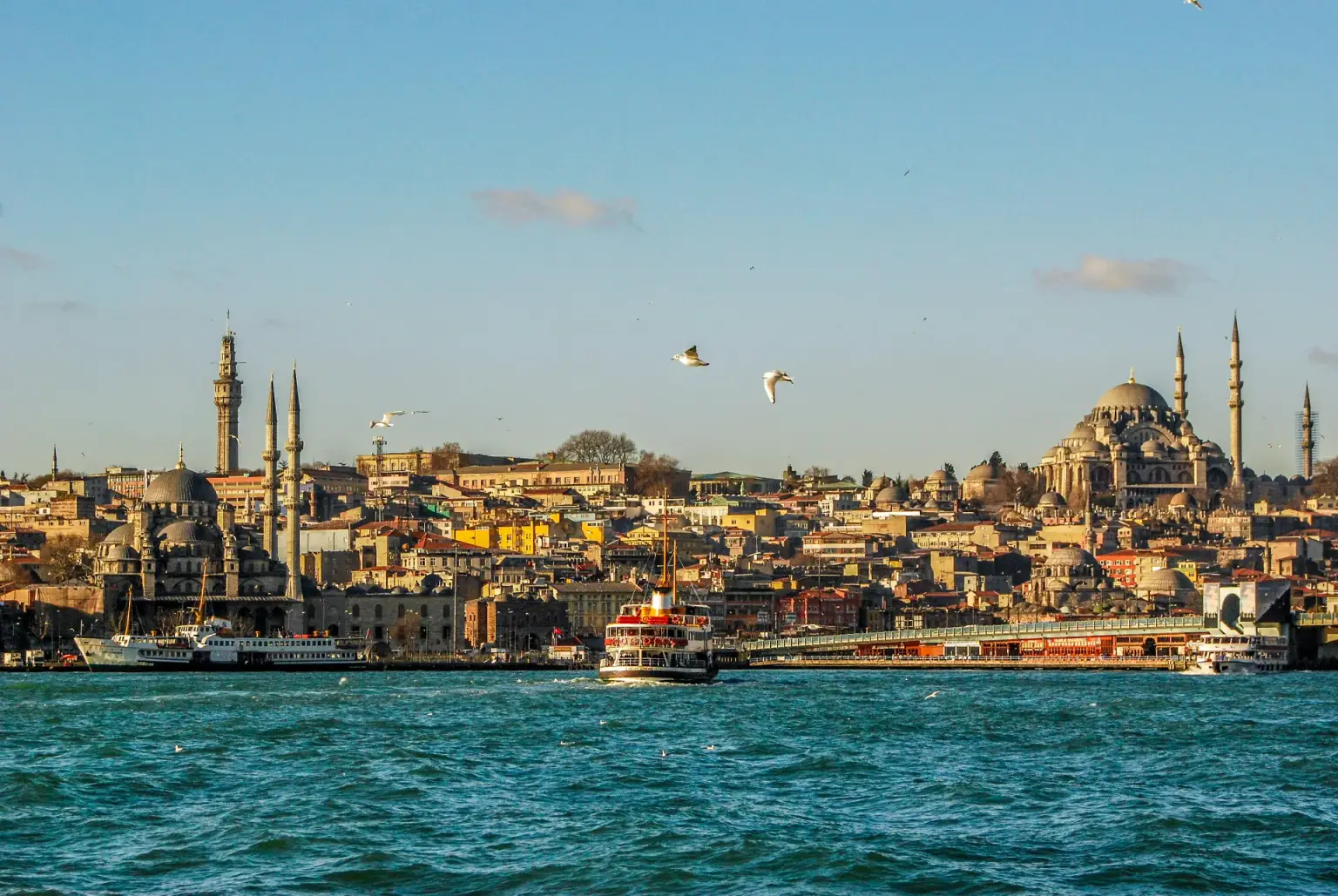
Why Visit Turkey
Turkey delivers the full European-quality travel experience at 40–50% of European prices, with cultural depth that exceeds most European capitals, a food tradition that ranks among the world's finest, and landscape variety — coastal, highland, ancient ruins, thermal pools — that no single European country can match. The Turkish Lira's sustained weakness against the rupee means ₹1,000 goes meaningfully further in Istanbul than in London, Paris, or Rome.
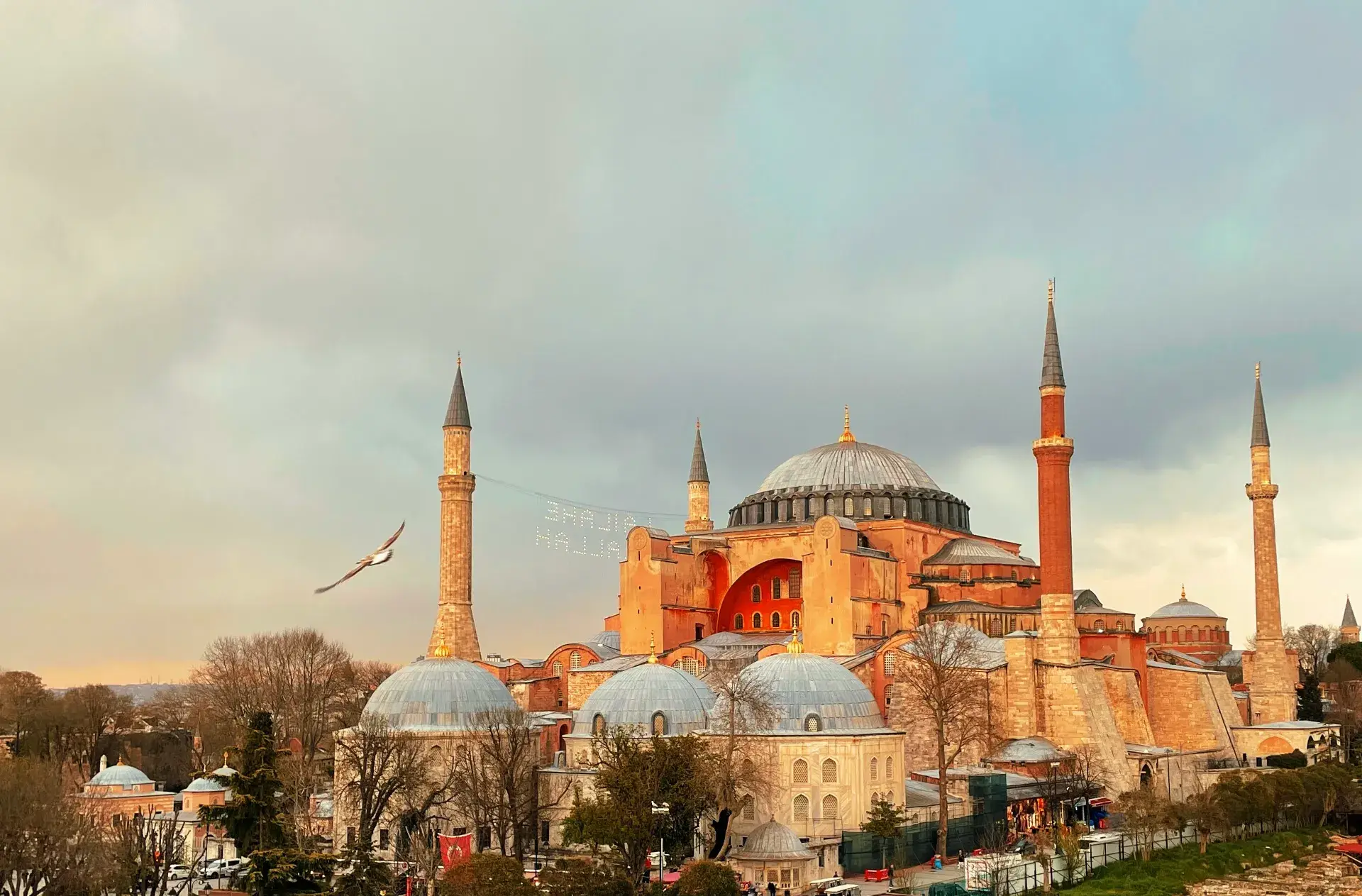
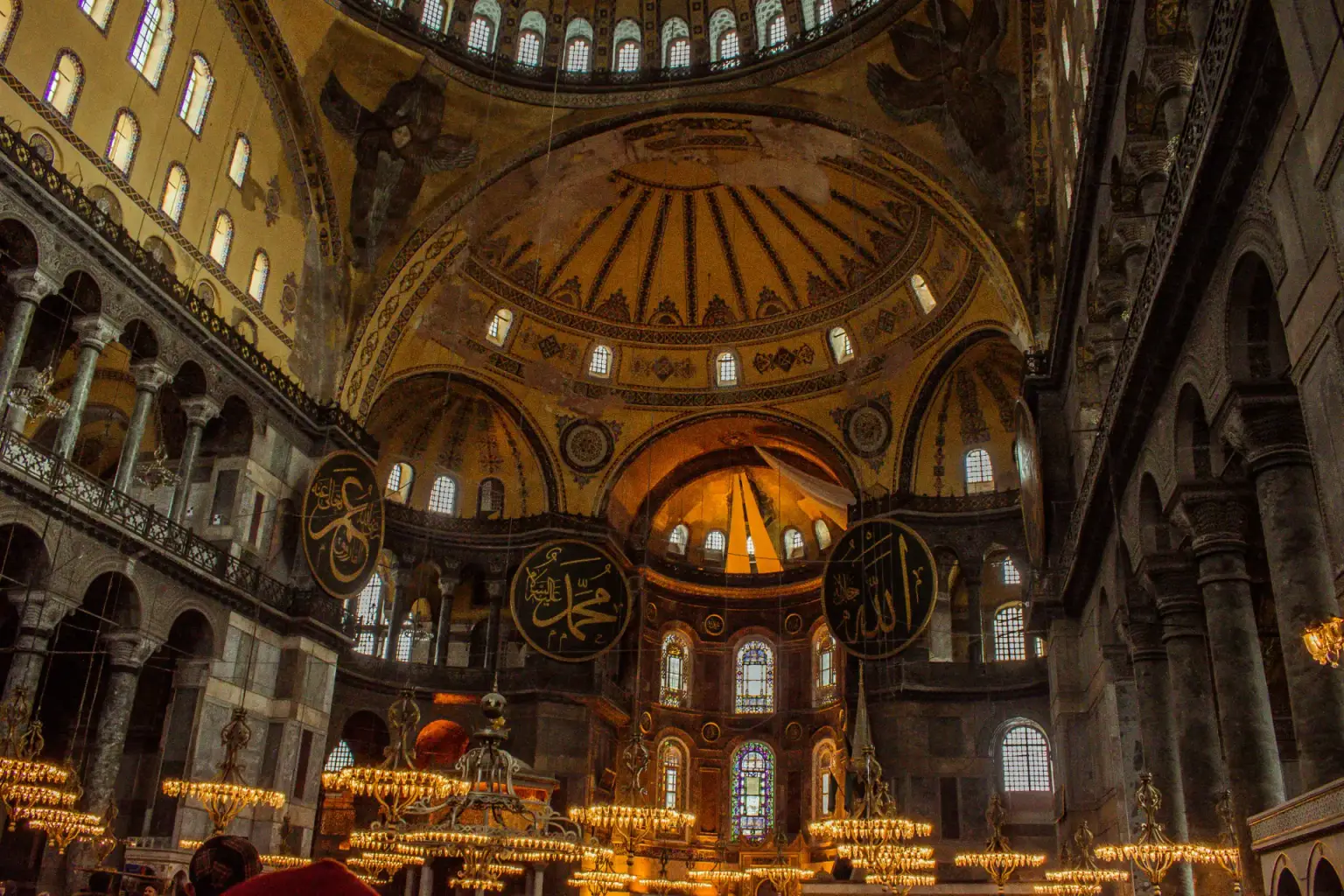
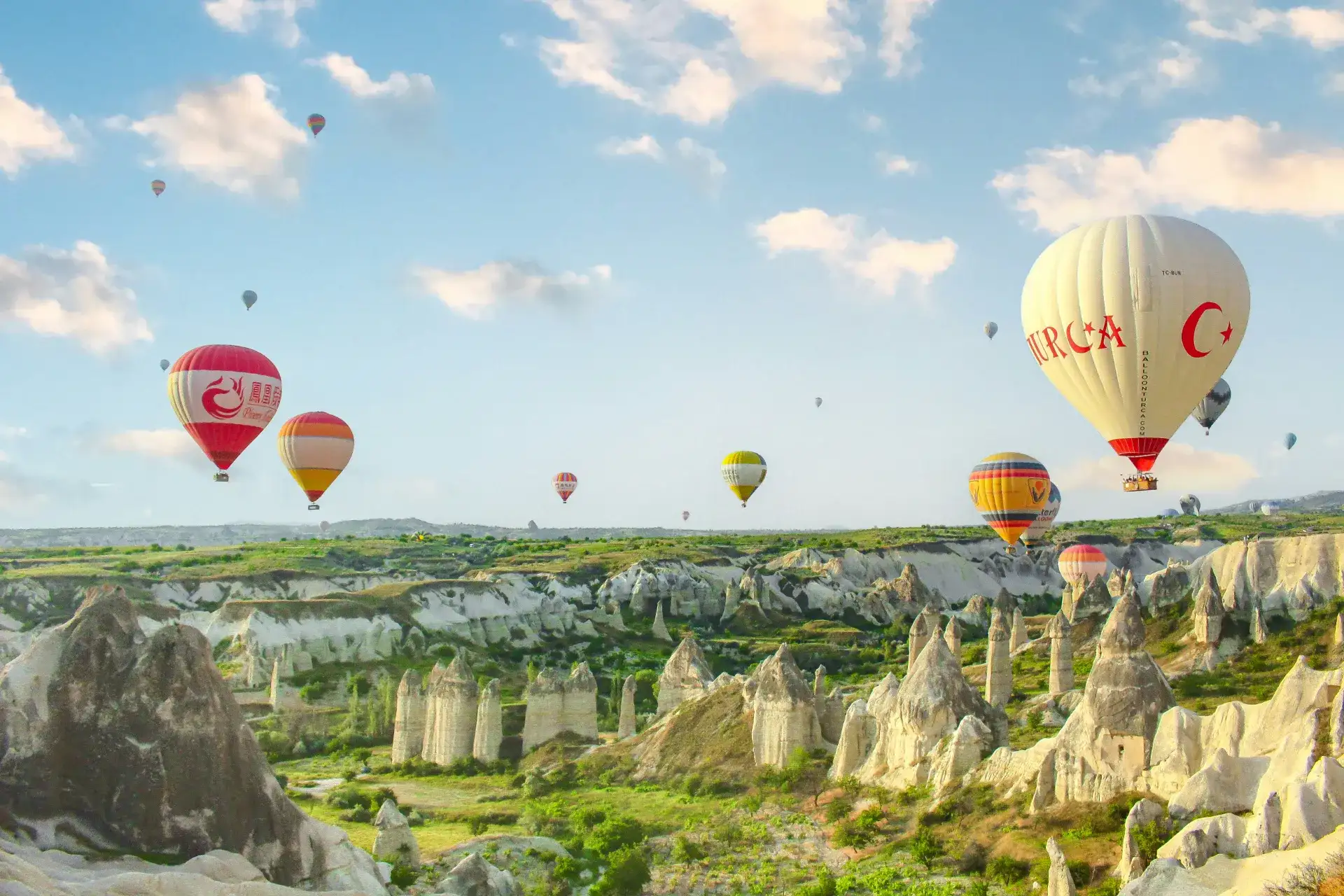
Turkey sits at the crossroads of two continents, and the history reflects exactly that. Istanbul's Hagia Sophia has been a Byzantine cathedral, Ottoman mosque, museum, and mosque again — each layer still visible. Cappadocia's fairy chimney valleys, carved cave monasteries, and hot air balloons at sunrise create one of the most visually distinct landscapes in the world. Ephesus is among the best-preserved Roman cities outside Italy. Pamukkale's calcium terraces are genuinely unlike anything else. Turkish food — mezes, kebabs, baklava, fresh bread at every meal — is consistently excellent. Istanbul–Cappadocia overnight bus saves a hotel night and arrives at dawn. E-Visa for Indians, processed in 24–48 hours. The Trabzon region on the Black Sea coast — with its Byzantine churches converted to mosques, hazelnut forests, and Sumela Monastery carved into a cliff face — is the most undervisited major Turkey circuit. Best time: April–June and September–October.
Key Features of Turkey
Best places to visit in Turkey
Istanbul — The City That Earns Every Superlative
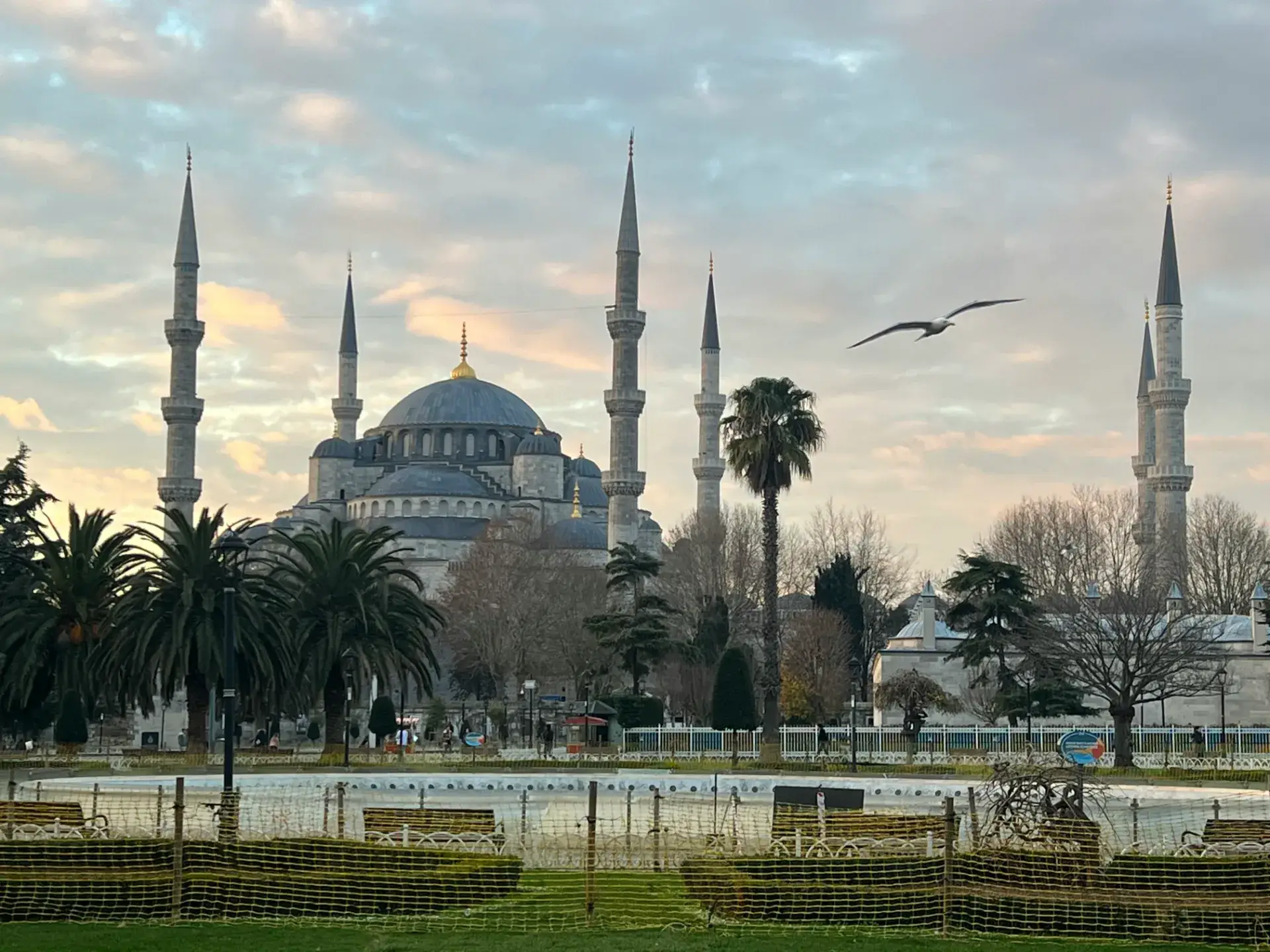
I have planned Istanbul for clients who described themselves as 'not really into history' and watched every single one return describing the Hagia Sophia as the most impressive building they had ever entered. The building is 1,487 years old and still the most impressive domed structure in the world when you stand inside looking up at the mosaics. This is not a matter of opinion. It is a matter of being physically present inside something that 15 centuries of human engineering have not surpassed. Istanbul works on everyone. It is one of the very few cities I can recommend without qualification to any traveller type. Istanbul is the only city in the world on two continents simultaneously — its historic core on the European side, its residential districts expanding across the Bosphorus into Asia. The Old City (Sultanahmet) contains the Hagia Sophia, Blue Mosque, Topkapi Palace, Basilica Cistern, and Grand Bazaar within a 15-minute walking radius.Cappadocia (Göreme, Ürgüp) — The Landscape From Another Planet
I arrived in Cappadocia in April 2023, transferred 75km from Kayseri Airport to Göreme, checked into a cave hotel carved directly into the volcanic rock face, and went to sleep not quite believing this was a real place. The balloon launch at 5:30am was different from what I expected — not a tourist experience, but a genuine hour of being 500m above one of the most extraordinary landforms on Earth as the sun came up over the valleys. My balloon pilot had been flying the same valley for 22 years. He knew every air current between every fairy chimney. That is the difference between booking the cheapest balloon tour and booking with a reputable operator. Cappadocia is a volcanic highland in central Turkey where millennia of erosion have carved the landscape into hundreds of 'fairy chimneys' — tall cone-shaped rock formations in which Byzantine-era monks and 20th-century villagers carved homes, churches, and storage caves.Pamukkale & Hierapolis — The White Terraces
Pamukkale in October 2024 at 4:30pm — the low afternoon sun hitting the white calcium terraces from the west — was one of the most genuinely other-worldly landscapes I have seen in any country. The terraces are white because thermal spring water deposits calcium carbonate as it cools. The resulting landscape looks like snow that never melts, or a white limestone curtain draped over a 200m slope. Walking barefoot (shoes must be removed at the bottom) through warm thermal water across white calcium terraces as the sun drops is not a tourist experience. It is a genuinely unusual physical encounter with an unusual natural landscape. Pamukkale (Cotton Castle in Turkish) is a UNESCO World Heritage Site 19km from Denizli. The thermal springs (35–37°C) that create the terraces have been drawing visitors since Roman times — Hierapolis above the terraces is a complete Roman city including theatre, necropolis, and the Martyrium of Saint Philip.Ephesus & Selçuk — The Finest Roman City in the World
Ephesus at 8am in October 2024 was the most complete version of standing inside an ancient city I have experienced — more so than Pompeii, more so than Athens, more than any Roman site I have visited across 22 countries. The Library of Celsus facade (2nd century AD, restored to its original height) at close range in morning light, with perhaps 20 other people in the entire site, produced a silence that I associate with very few places. The Terrace Houses — Roman domestic interiors with mosaics, frescoes, and domestic objects still in original position — are the finest exhibit of ordinary Roman domestic life available anywhere in the world. Ephesus was a city of 200,000–500,000 people at its peak in the Roman Imperial period. The Great Theatre (25,000 seats, still used for concerts), the Curetes Street (marble-paved main thoroughfare), the Temple of Hadrian, and the Library of Celsus are the main sites.Hagia Sophia & Sultanahmet — The Heart of Istanbul
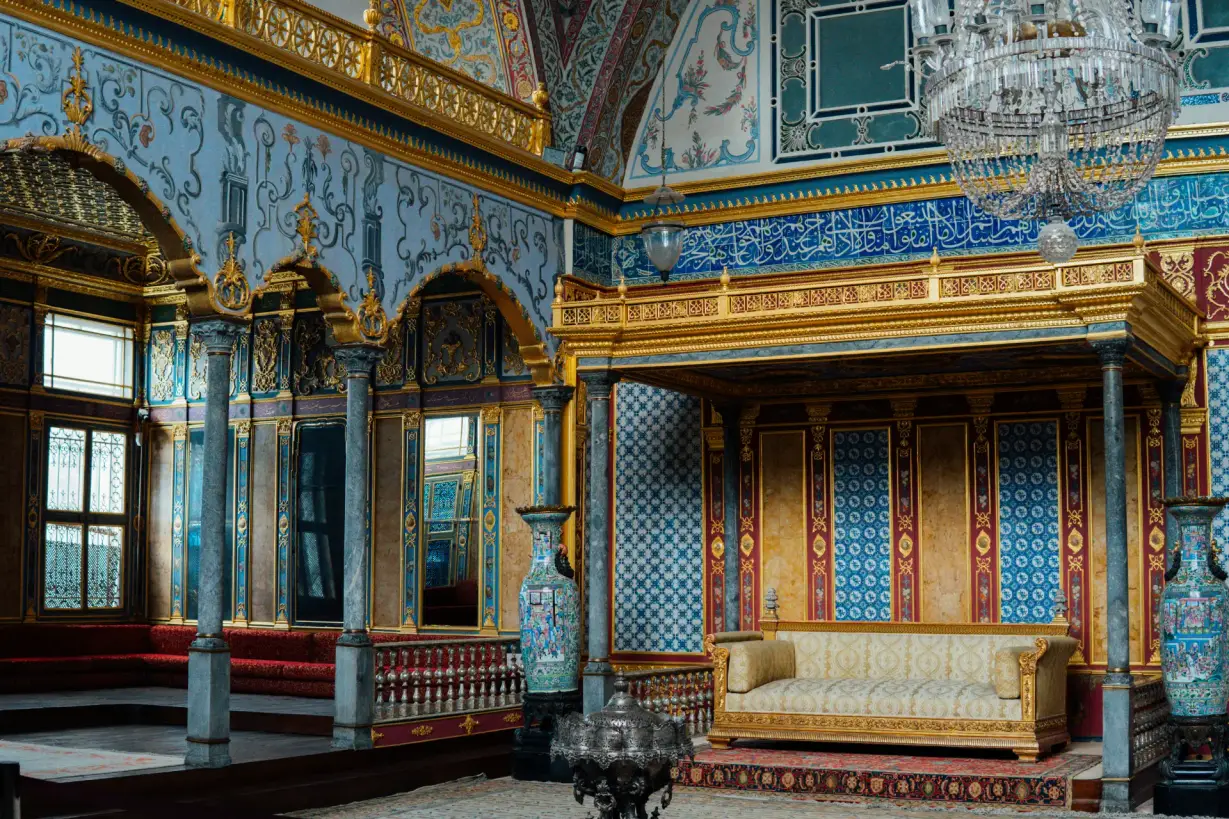
The Museum Pass Istanbul (€60 for 5 days, covers Topkapi, Basilica Cistern, and 9 other major sites) saved me approximately €80 on my first Istanbul trip and eliminated every queue I encountered. For any visitor spending 3+ days in Istanbul who plans to visit more than 3 paid sites, the Museum Pass is the most intelligent ₹5,574 you will spend in the city. The Sultanahmet area contains 4,000 years of architectural history — the Hippodrome, Blue Mosque, Hagia Sophia (532–537 AD, largest domed building in the world for nearly 1,000 years), Topkapi Palace (seat of the Ottoman sultans 1465–1856, treasury contains the 86-carat Spoonmaker's Diamond), and the Basilica Cistern (532 AD underground water reservoir with 336 columns). The Hagia Sophia requires modest dress strictly enforced since its reconversion to an active mosque in 2020.Best Time to Visit Turkey
January · Good Cheapest flights. Istanbul very manageable. Cappadocia possible snowfall — beautiful. Balloon flights limited. Turkish Riviera closed.
February · Good Istanbul's museums at their emptiest — best time for Topkapi without crowds.
March · Good Warming up. Balloon flights improving. Crowds building. Shoulder pricing still applies.
April · Best Istanbul Tulip Festival. Perfect temperatures. Balloon flights daily. All sites fully operational.
May · Best As good as April. Slightly warmer. All coastal areas opening. Beach season beginning at Bodrum/Antalya.
June · Good Inland sites becoming hot. Coast excellent. Prices rising toward peak.
July · Avoid Maximum heat in Cappadocia and central Turkey. Istanbul crowded and hot. Coast: perfect.
August · Avoid All-time crowd maximum. Most expensive month. Inland Turkey: strongly avoid.
September · Best Heat breaking. Crowds thinning rapidly. Coast still warm. Prices dropping 20–25%.
October · Best Ephesus and Pamukkale nearly empty. All sites open. 30% below peak prices. Perfect temperatures.
November · Good Lower crowds and prices. Getting cooler. Some coastal hotels closing. Excellent for Istanbul.
December · Avoid Cold in Istanbul. Cappadocia possibly snowed. Minimal crowds at all sites. Budget travellers' best window.
Turkey trips,
ready to personalise.
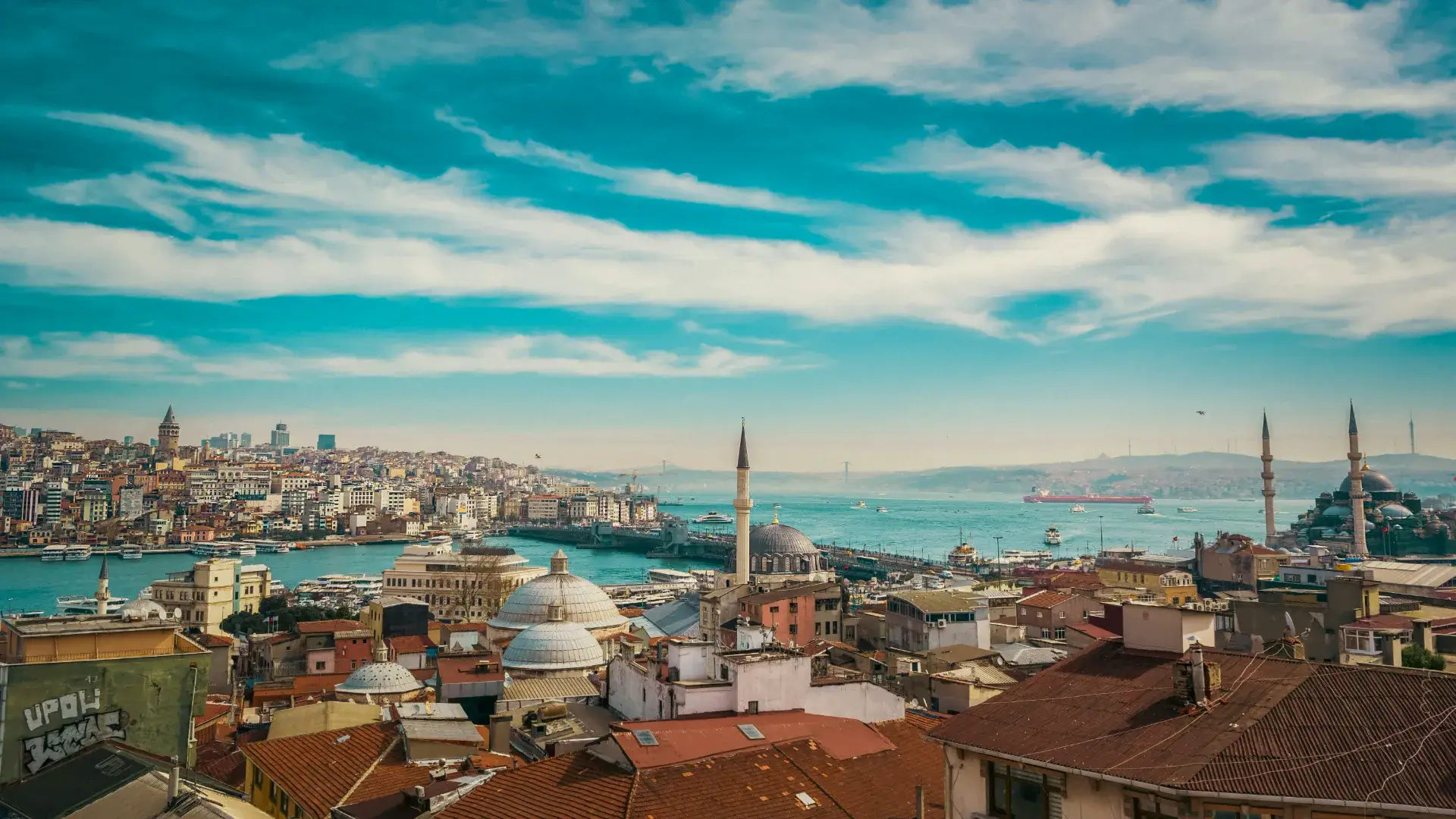 7D / 6N
Turkey Tour: Istanbul, Cappadocia & Antalya
Istanbul, Cappadocia, Antalya
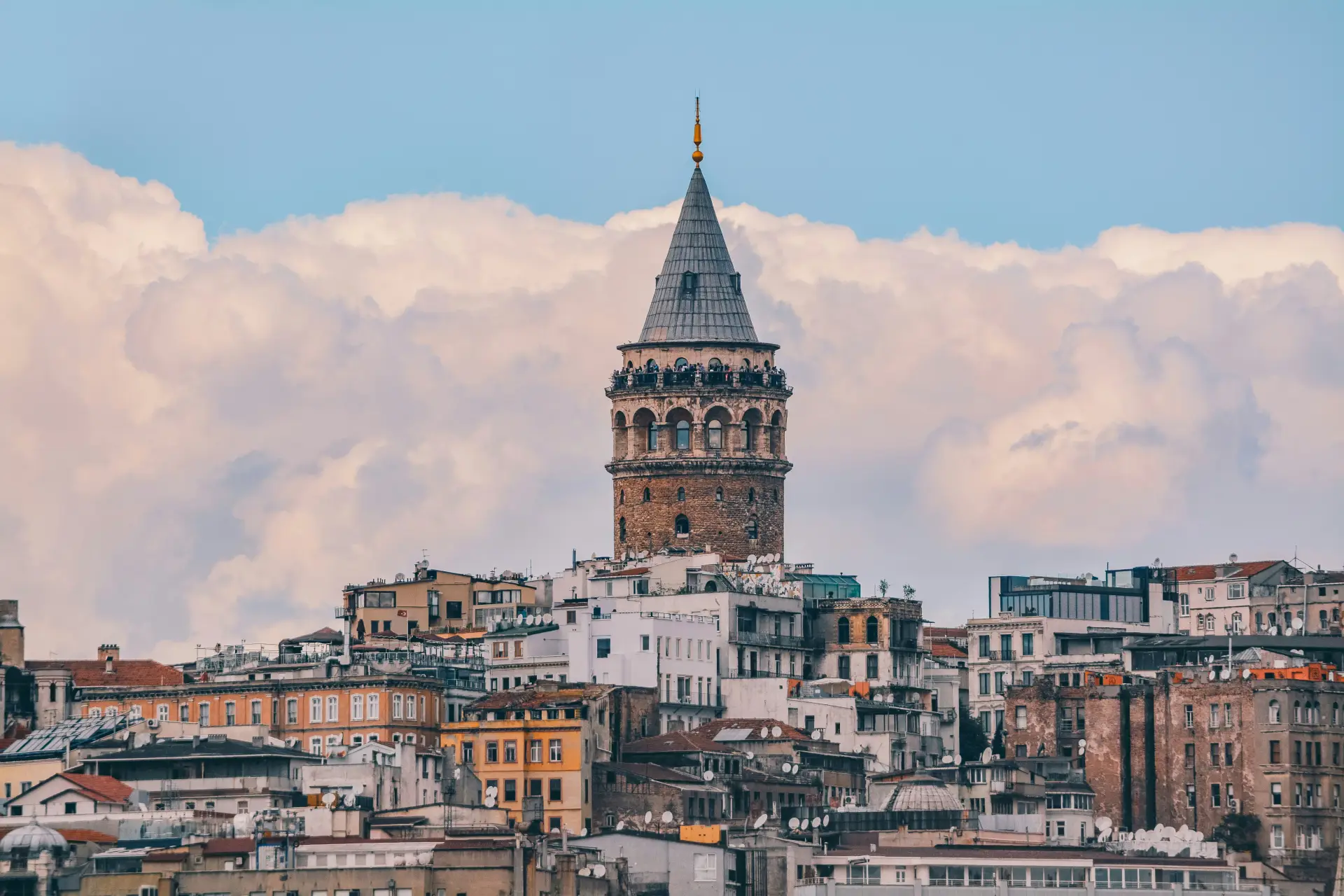 6D / 5N
Turkey Budget Tour: Istanbul & Cappadocia
Istanbul, Cappadocia (Göreme)
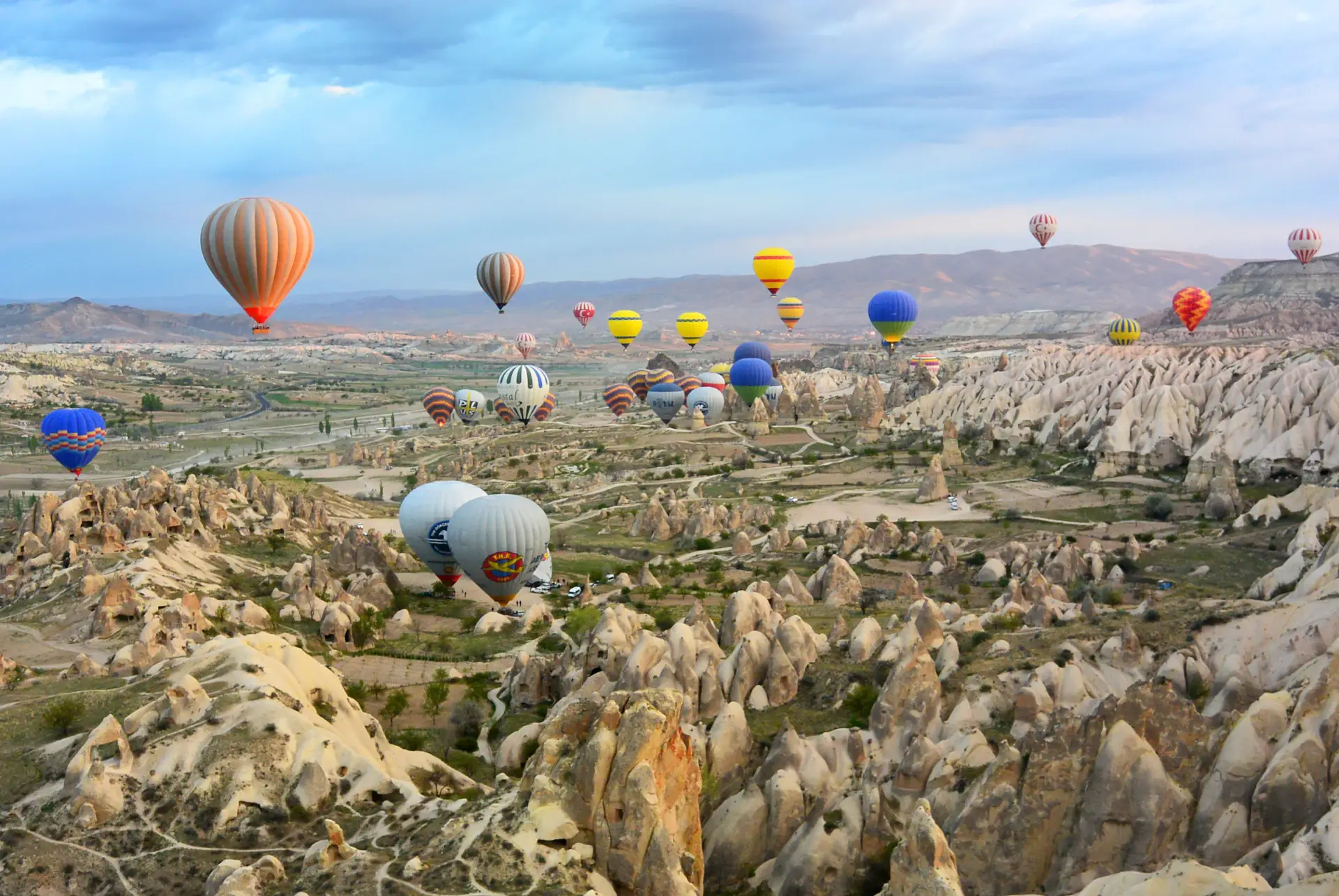 10D / 9N
Luxury Turkey Honeymoon Tour: Istanbul, Cappadocia, Ephesus & Bodrum
Istanbul, Cappadocia, Selçuk (Ephesus), Kaş, Kekova, Bodrum — Turkey
 8D / 7N
Turkey Multi-Generation Family Tour: Istanbul, Pamukkale & Cappadocia
Istanbul, Pamukkale, Cappadocia — Turkey
 3D / 2N
Istanbul Short Break Tour
Istanbul (Sultanahmet, Grand Bazaar, Bosphorus, Beyoğlu) — Turkey
 5D / 4N
Cappadocia Adventure Tour
Göreme, Ürgüp, Derinkuyu, Ihlara Valley, Avanos, Zelve — Cappadocia, Turkey
 7D / 6N
Turkey Family Adventure Tour: Istanbul & Cappadocia
Istanbul, Cappadocia (Göreme) — Turkey
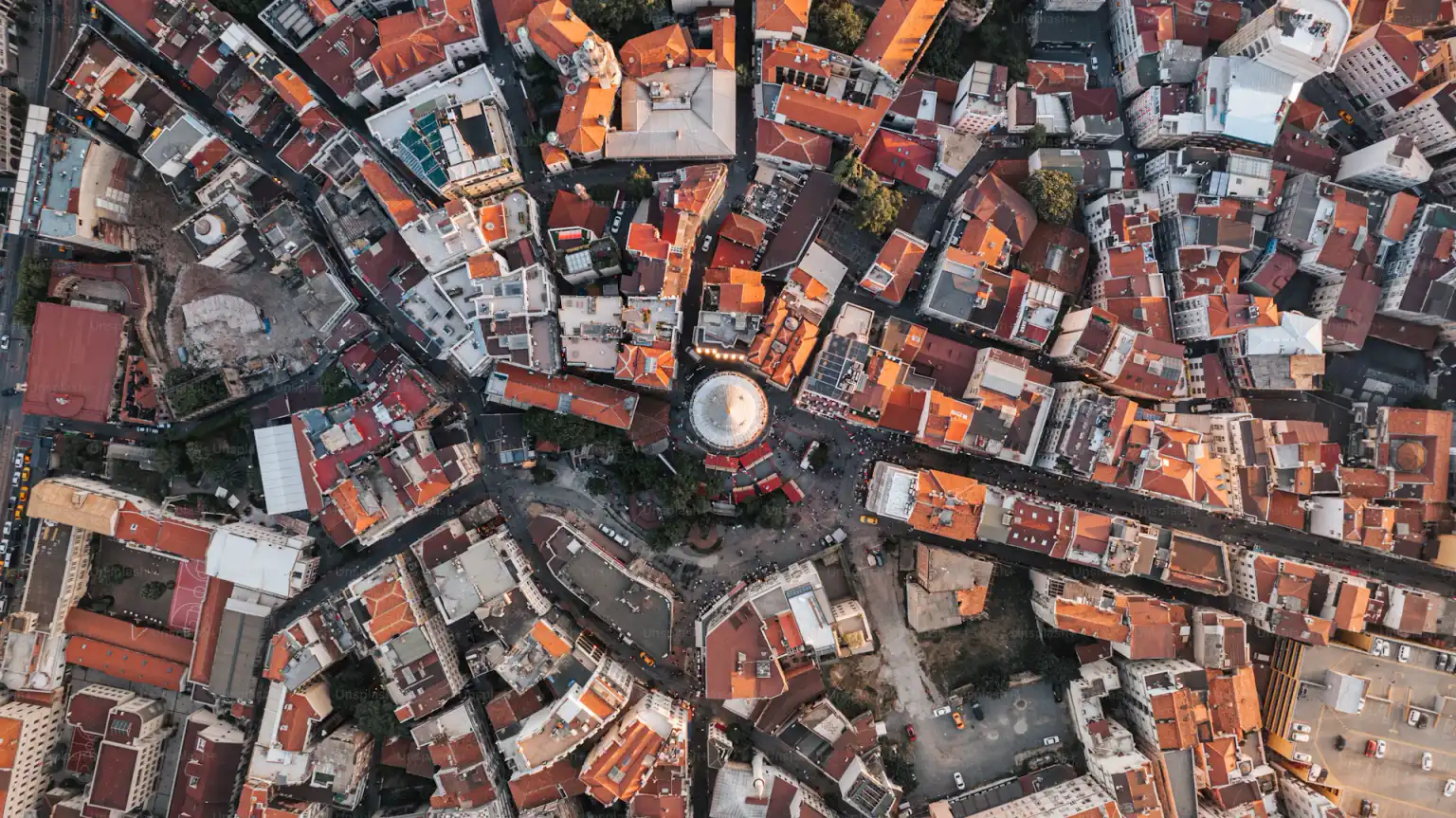 6D / 5N
Istanbul & Cappadocia Tour
Turkey Premium Discovery Tour Package
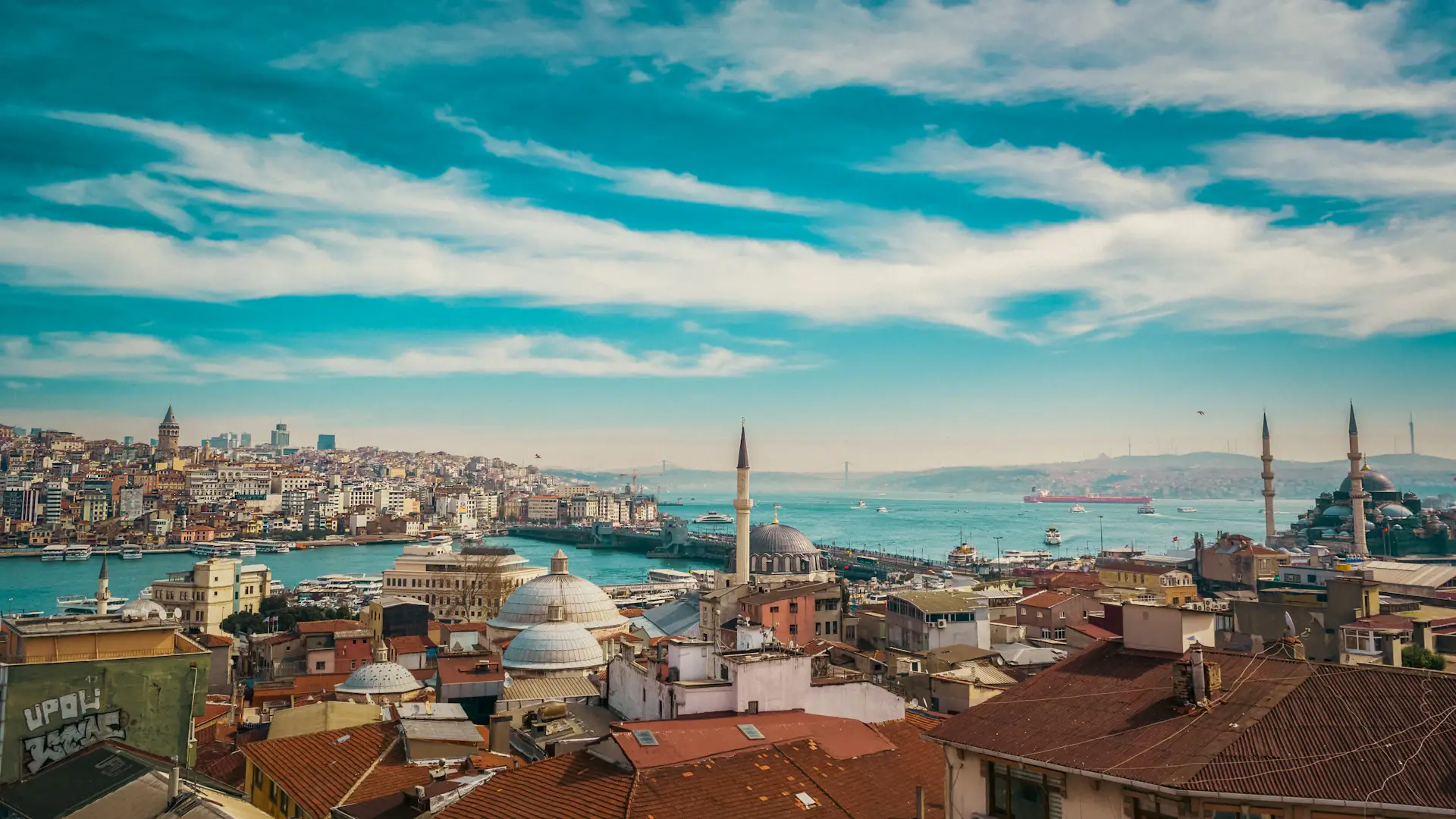 9D / 8N
Turkey Family Tour: Istanbul, Ephesus, Pamukkale & Cappadocia
Istanbul, Selçuk (Ephesus), Pamukkale, Cappadocia — Turkey
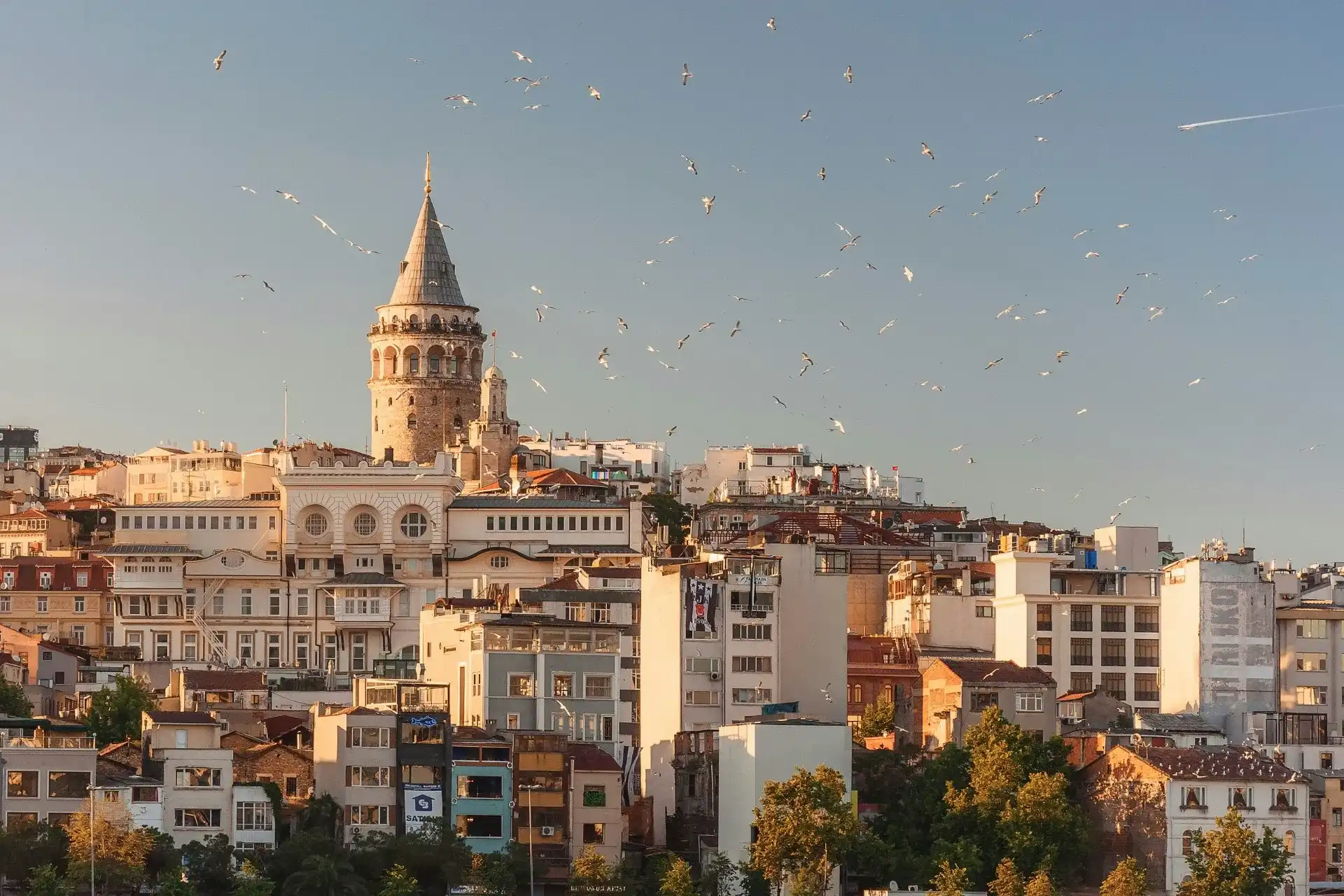 9D / 8N
Turkey Highlights Tour: Istanbul, Cappadocia, Antalya & Pamukkale
Istanbul, Cappadocia, Antalya, Pamukkale
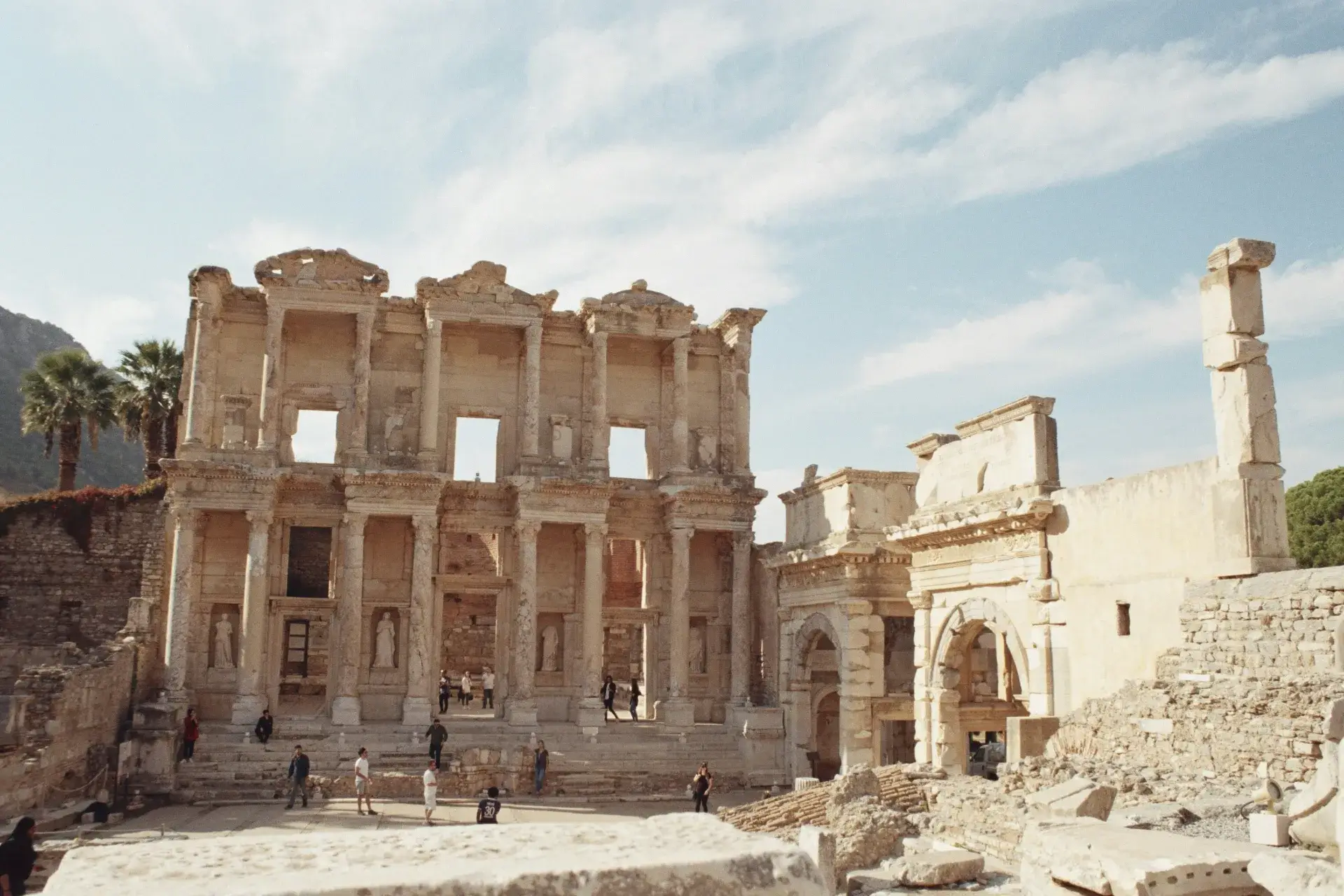 8D / 7N
Turkey Cultural Tour: Istanbul, Ephesus, Pamukkale & Konya
Istanbul, Selçuk (Ephesus), Pamukkale, Konya — Turkey
 7D / 6N
Turkey Budget Honeymoon Tour: Istanbul, Cappadocia & Pamukkale
Istanbul, Cappadocia (Göreme), Pamukkale — Turkey
 5D / 4N
Istanbul Classic City Tour Package
Istanbul (Sultanahmet, Beyoğlu, Üsküdar, Kadıköy, Edirnekapı, Princes' Islands) — Turkey
Turkey experiencesTop Things to Do in Turkey
Watch Sunrise from a Hot Air Balloon, Cappadocia
Cappadocia's fairy chimneys (volcanic tuff formations carved over millennia), rose valleys, and anci
Cappadocia's fairy chimneys (volcanic tuff formations carved over millennia), rose valleys, and ancient cave churches are most specifically extraordinary from a hot air balloon at 300–1,000m altitude at sunrise. The valleys turn from deep purple to gold in the 20 minutes after the horizon lightens. 50+ operators run daily flights from Göreme — the flight itself is 45–60 minutes at altitudes up to 1,000m.
Insider tip
Royal Balloon and Butterfly Balloons are consistently rated the most reliable operators for passenger-to-balloon ratio — book directly with the operator 2–3 weeks ahead in October–November peak season.
Hagia Sophia at 8:30am Opening
The Hagia Sophia opens at 8:30 am for non-prayer visits. At 8:35 am on a weekday in April, the main nave contains perhaps 50 people. The building is 55m wide, 81m long, and the dome sits at 55.6m — for nearly 1,000 years after its 537 AD construction it was the largest domed building in the world. The Byzantine mosaics (9th century Deësis Christ in the upper gallery) and the Ottoman calligraphy medallions (19th century, 7.5m diameter) operate simultaneously on the same walls. The combined effect of 15 centuries of religious architecture in one building is precisely as disorienting and impressive as it sounds. Duration: 60–90 minutes minimum · Longer with audio guide. Cost: Free (active mosque since 2020 · modest dress mandatory · shoes removed).
Insider tip
Walking the Pamukkale Terraces at Sunset
The Pamukkale terrace walk is done barefoot — shoes left at the bottom, warm thermal water (35–37°C) flowing down white calcium terraces as you ascend. The surface is smooth, carved calcium carbonate shaped by thousands of years of mineral deposition. At sunset in October, the low western light catches the white terraces from the side and the thermal pools glow. A photograph taken here in that specific light looks like something that does not exist in the natural world. It exists.
Insider tip
Ephesus at 8 am — Before the Cruise Ship Groups
The most extensively excavated classical city in Turkey — the Library of Celsus, the Great Theatre (seating 25,000), the Temple of Hadrian, and the Terrace Houses (separate ticket, most detailed archaeological interiors) form a 3km marble-paved circuit. At 8am the site carries 50 people. By 11am cruise ship passengers from Kusadasi fill the main street.
Insider tip
The Terrace Houses (Yamaçevler) — multi-storey Roman mansions with original mosaic floors and frescoed rooms still in situ under a climate-controlled canopy — require a separate ticket and are missed by 60% of Ephesus visitors.
Bosphorus Public Ferry
The public Şehir Hatları ferry from Eminönü pier crosses the Bosphorus, passing beneath the Bosphoru
The public Şehir Hatları ferry from Eminönü pier crosses the Bosphorus, passing beneath the Bosphorus Bridge, the Dolmabahçe Palace waterfront, the Yıldız shore, and the forested Asian hillside to Anadolu Kavağı at the Black Sea entrance — the same route as licensed cruise boats at 1/8th the price. The round trip takes 6 hours total.
Insider tip
Take the 10:35am ferry from Eminönü (not the tourist catamaran from Kabataş) for the longest route stopping at 8 Bosphorus villages each way — the ferry schedule is at sehirhatlari.com.tr.
Full Turkish Breakfast — Kahvaltı
A traditional Turkish breakfast is a 15-dish communal spread — white cheeses, olives, fresh tomatoes, cucumber, eggs in various preparations, sucuk (spiced sausage), honey from the comb, kaymak (clotted cream), four types of bread, and çay refilled continuously in tulip-shaped glasses. This is not a hotel buffet interpretation. This is what Turkish families eat on Sunday mornings. The neighbourhoods of Beşiktaş and Cihangir in Istanbul have the best specialist breakfast venues.
Insider tip
Turkish Bath (Hamam) — Kılıç Ali Paşa
A traditional Turkish hamam involves three stages: the hot room (steam chamber, 45–55°C), the marble slab treatment (a practitioner scrubs with a kese mitt, soaps, and massages), and the cool-down room. 60–90 minutes producing a physical sensation of being significantly cleaner and substantially more relaxed. The Kılıç Ali Paşa Hamam (1583, designed by Mimar Sinan, restored to original standard in 2012) is the finest historic hamam in Istanbul. The Çağaloğlu Hamam (1741, operating continuously since) is the most historic. Both are excellent. Book the Kılıç Ali Paşa.
Insider tip
Grand Bazaar at 9 am Opening
The Grand Bazaar opens at 9am and the first hour belongs to the shop owners — tea being delivered, goods arranged, shutters rolling up one by one. The atmosphere at 9am is of a working commercial neighbourhood rather than a tourist attraction. The Ottoman vaulted ceilings, painted tile work, and iron gate architecture are visible before the merchandise crowds the eye. By 11 am the bazaar is in full tourist operation.
Insider tip
Blue Lagoon Paragliding — Ölüdeniz
Ölüdeniz (Dead Sea), 15km from Fethiye on Turkey's Mediterranean coast, has a turquoise lagoon inside a protected national park. The paragliding from Babadağ Mountain (1,975m) above the lagoon — a 35–45 minute tandem flight — is consistently rated among the world's top-10 paragliding destinations. The view of the lagoon from 2,000m, with the Mediterranean extending to the horizon and the turquoise water directly below, makes the approach shot into the landing zone genuinely extraordinary.
Insider tip
Derinkuyu Underground City — Cappadocia
The underground cities of Cappadocia are one of archaeology's most extraordinary discoveries. Derinkuyu descends 8 floors below the surface — a complete Byzantine-era city carved into volcanic rock with ventilation shafts, wells, storage rooms, stables, churches, and living quarters for an estimated 20,000 people sheltering during Arab raids in the 7th–12th centuries AD. You walk through narrow passages, descend staircases carved into rock, and emerge into large chambers where communities lived in complete self-sufficiency for months. It is simultaneously claustrophobic and extraordinary.
Insider tip
Itineraries for Turkey
See how each trip is paced, from arrival to departure. These are sample day-by-day plans; we tailor the dates and details.
7-Day Turkey Classic (Istanbul → Cappadocia → Istanbul)
- Day 1Arrive Istanbul · Sultanahmet
Morning: Land Istanbul Airport (IST) · IstanbulKart loaded at airport metro station · M11 metro to Gayrettepe (25 mins) then M2 to Sultanahmet (20 mins).Hotel check-in. Afternoon: Sultanahmet walking circuit — Blue Mosque exterior and interior (free), Hippodrome (free), Hagia Sophia exterior only (save interior for Day 2 opening time). Evening: Bosphorus public ferry Eminönü → Karaköy and back as city lights come on · Dinner at Karaköy neighbourhood restaurant — fresh fish .
Advice
Download BiTaksi (metered taxi app) and IstanbulKart app before leaving the airport. These two apps eliminate all transport overcharging in Istanbul. - Day 2Istanbul: Hagia Sophia + Topkapi + Spice Market
8:30am: Hagia Sophia at opening time (free · modest dress · 90 minutes including upper gallery with Deësis mosaic). Morning: Topkapi Palace. Afternoon: Walk downhill through Old City to Egyptian Spice Market at Eminönü · Buy saffron, Turkish delight, dried fruit directly from traders. Evening: Basilica Cistern after sunset .spectacularly lit at night) · Dinner in Sultanahmet.
Advice
Museum Pass Istanbul (€60 ≈ ₹5,574 · available at any major museum entrance) covers Topkapi Palace, Basilica Cistern, Istanbul Archaeological Museum, and 9 other sites for 5 days. If visiting Topkapi (€45) and Basilica Cistern (€20) alone, the pass pays for itself immediately. - Day 3Fly Istanbul → Kayseri → Cappadocia
Morning: Domestic flight Istanbul → Kayseri ASR (1 hr 15 mins · Turkish Airlines or Pegasus · book with international ticket) · Private shuttle Kayseri → Göreme. Afternoon: Check into cave hotel · Göreme Open Air Museum at 3pm ( Byzantine cave churches with 10th–12th century frescoes). Evening: Göreme Panorama viewpoint at sunset (free · 10-min walk from town) · Dinner at Göreme restaurant — testi kebabı (lamb cooked sealed in a clay pot, broken open at the table).
Advice
Confirm your balloon booking for Day 4 morning tonight — call or WhatsApp the operator. Weather cancellations are announced by 9pm the previous evening. Have a backup activity planned: Devrent Valley and Derinkuyu underground city work as alternatives. - Day 4Cappadocia: Balloon at Dawn + Valley Tours
5:00 am: Wake up · Transfer to balloon launch site by 5:15am (operator provides pickup). 5:30–7:00 am: Hot air balloon flight over Göreme Valley ( 60 min · sunrise · champagne landing ceremony). Morning: Rest and full Turkish breakfast at cave hotel. Afternoon: Private half-day Cappadocia valley tour — Rose Valley, Red Valley, Devrent Valley, and Uçhisar Castle. Evening: Derinkuyu Underground City.
Advice
A private driver-guide for the Cappadocia valley circuit is the most practical format — they know the hiking access points, photography locations, and the difference between the tourist-circuit valleys and the quieter alternatives.
- Day 5Cappadocia Full Day + Fly Back Istanbul
Morning: Avanos pottery village. Zelve Open Air Museum (ruined Byzantine cave village, less visited than Göreme. Afternoon: Drive Göreme → Kayseri Airport (75km · 1 hr) · Domestic flight Kayseri → Istanbul (1 hr 15 mins). Evening: Arrive Istanbul · Neighbourhood dinner in Beyoğlu — the Çiçek Pasajı (1876 historic arcade with meyhane taverns) or a Cihangir restaurant.
Advice
The overnight bus from Göreme to Istanbul (11 hours, TRY 800–1,200 ≈ ₹1,668–₹2,502) is a legitimate budget option that saves one hotel night. Modern Turkish long-distance buses (Metro Turizm, Kamil Koç) are genuinely comfortable with reclining seats, Wi-Fi, and onboard refreshments. - Day 6Istanbul: Bosphorus + Asian Side + Hamam
Morning: Bosphorus public ferry Eminönü → Kadıköy. Kadıköy market and Moda Avenue food neighbourhood (best breakfast street food in Istanbul). Afternoon: Return ferry to European side · Galata Tower · Karaköy neighbourhood · Istiklal Avenue walk. Evening: Kılıç Ali Paşa Hamam · Dinner in Beyoğlu after.
- Day 7Grand Bazaar + Final Istanbul + Departure
9:00am: Grand Bazaar at opening (free · 45-minute walk before the crowds) · Final shopping — nazar boncuğu, ceramic tiles, Turkish delight, saffron. Morning: Süleymaniye Mosque (16th-century Mimar Sinan masterpiece · less crowded than Blue Mosque · free · finest Ottoman mosque interior in Istanbul). Afternoon: Istanbul Airport by metro M11 · Arrive 3 hours before international departure.
Advice
The Süleymaniye Mosque (completed 1558, Mimar Sinan's finest work) is architecturally more refined than the Blue Mosque and 90% less crowded. The courtyard proportions and the interior's management of light are what Ottoman mosque architecture was building toward. It belongs on every Istanbul itinerary and appears on perhaps 20% of them.
10-Day Turkey Complete (Istanbul + Cappadocia + Aegean Coast)
- Day 1Arrive Istanbul
Sultanahmet walk · Bosphorus ferry · Karaköy dinner. IstanbulKart
- Day 2Istanbul
Hagia Sophia 8:30am · Topkapi Palace · Spice Market. Museum Pass
- Day 3Istanbul
Grand Bazaar 9am · Kılıç Ali Paşa Hamam · Asian side. Hamam
- Day 4Istanbul → Cappadocia
Fly to Kayseri · Göreme Open Air Museum · Cave hotel. Domestic flight
- Day 5Cappadocia
Balloon 5:30am · Valley tour · Derinkuyu. Balloon
- Day 6Cappadocia
Avanos pottery · Zelve · Underground cities · Fly to Izmir. Kayseri → Izmir
- Day 7Ephesus + Selçuk
Ephesus 8am · Terrace Houses · Basilica of St. John. Ephesus
- Day 8Pamukkale
Drive to Pamukkale · Terraces 3pm sunset · Hierapolis · Antique Pool.
- Day 9Bodrum
Drive/fly to Bodrum · Castle of St. Peter · Blue Cruise gulet day trip. Gulet
- Day 10Bodrum → Istanbul → Departure
Fly Bodrum → Istanbul · International departure. Bodrum → IST
Advice
Days 6–9 covering Ephesus, Pamukkale, and Bodrum require a rental car or private driver-guide for the Aegean circuit. The distances (Izmir → Ephesus 80km, Ephesus → Pamukkale 190km, Pamukkale → Bodrum 250km) are manageable with early starts. A private driver for this 4-day section (Izmir → Ephesus → Pamukkale → Bodrum) costs TRY 15,000–25,000 (≈ ₹31,281–₹52,135) for the vehicle — split between 4 passengers, this is ₹7,820–₹13,034 per person for 4 days of flexible, chauffeured movement across the finest classical sites in Turkey.
14-Day Turkey Grand Circuit
- Day 1IstanbulArrive · Sultanahmet · Evening Bosphorus ferry
- Day 2IstanbulHagia Sophia · Topkapi Palace · Basilica Cistern
- Day 3IstanbulGrand Bazaar · Hamam · Istiklal · Asian side Kadıköy
- Day 4Istanbul → KonyaHigh-speed train 4.5 hrs · Mevlana Museum · Sema ceremony
- Day 5Konya → CappadociaDrive 2.5 hrs · Ihlara Valley gorge hike · Göreme
- Day 6CappadociaBalloon 5:30am · Göreme Open Air Museum
- Day 7CappadociaUnderground cities · Avanos pottery · Ürgüp wine region
- Day 8Cappadocia → AntalyaFly or drive · Perge Roman ruins · Antalya old harbour
- Day 9AntalyaAspendos Roman theatre · Düden Waterfalls · Antalya Museum
- Day 10Fethiye / ÖlüdenizDrive to Blue Lagoon · Paragliding Babadağ · Ölüdeniz beach
- Day 11BodrumDrive to Bodrum · Castle of St. Peter · Bodrum harbour
- Day 12BodrumBlue Cruise gulet tour around the peninsula's bays
- Day 13Ephesus + PamukkaleDrive north · Ephesus 8am · Pamukkale sunset terraces
- Day 14Izmir → Istanbul → DepartureMorning Izmir · Fly to Istanbul · International departure
Where to Stay in Turkey
Istanbul — Sultanahmet
Istanbul — Beyoğlu / Karaköy
Cappadocia — Göreme
Pamukkale
Bodrum
Selçuk (Ephesus base)
Travel Costs for Turkey
Budget
₹4,000 – ₹8,000/personMoney-saving travel- Stay
- Hostel/budget hotel TRY 800–2,000/night (≈ ₹1,668–₹4,171)
- Food
- Street food + lokanta TRY 300–600/day (≈ ₹626–₹1,251)
- Getting around
- IstanbulKart + intercity bus
Mid-range
₹10,000 – ₹18,000/personComfortable everyday travel- Stay
- 3–4 star hotel TRY 2,500–6,000/night (≈ ₹5,213–₹12,513)
- Food
- Mix of local and quality restaurants TRY 800–2,000/day (≈ ₹1,668–₹4,171)
- Getting around
- IstanbulKart + domestic flights
PREMIUM
₹22,000 – ₹40,000/personper person, per day- Stay
- 4–5 star or boutique cave hotel TRY 8,000–20,000/night (≈ ₹16,683–₹41,708)
- Food
- Quality restaurants + fine dining TRY 2,500–6,000/day (≈ ₹5,213–₹12,513)
- Getting around
- Private driver + domestic flights
Luxury
₹55,000 – ₹2,00,000+/personPremium comfort- Stay
- Ultra-luxury cave hotel/resort TRY 25,000–80,000+/night (≈ ₹52,135–₹1,66,832+)
- Food
- Private dining, rooftop restaurants, bespoke experiences
- Getting around
- Private vehicle + helicopter transfers
How to Get There & Getting Around Turkey
How to reach Turkey and how to get around once you are there: the routes, how long they take and what they cost.
Plan your route ↗12 ways to travelDelhi → Istanbul (IST)
Airlines: Turkish Airlines (direct), IndiGo, Air India. Duration: Direct 7.5 hrs · 1-stop 10–13 hrs. Turkish Airlines' Delhi–Istanbul direct is the gold standard. Book 6–8 weeks ahead. Turkish Airlines' direct Delhi–Istanbul flight reduced my travel fatigue significantly on both trips. The 7.5-hour direct route eliminates transit exhaustion and lands you in Istanbul Airport — one of the world's finest airports — with energy remaining.
Mumbai → Istanbul
Airlines: Turkish Airlines, Air India, Emirates. Duration: 8–9 hrs direct. Turkish Airlines operates Mumbai–Istanbul directly. Emirates via Dubai is a solid alternative.
Bangalore → Istanbul
Airlines: Turkish Airlines, Emirates, Qatar Airways. Duration: 9.5–13 hrs (1 stop). No direct service. Turkish Airlines via Istanbul hub is most convenient.
Hyderabad / Chennai → Istanbul
Airlines: IndiGo (to Delhi/Mumbai), Turkish Airlines. Duration: 10–14 hrs total. Connect via Delhi or Mumbai for Turkish Airlines direct.
Istanbul → Cappadocia (domestic)
Airlines: Turkish Airlines, Pegasus, SunExpress. Duration: 1 hr 15 mins. Fly to Kayseri (ASR), 75km from Göreme. Book same day as international tickets.
Istanbul → Izmir (for Ephesus/Bodrum)
Airlines: Turkish Airlines, Pegasus. Duration: 1 hr 10 mins. Or YHT high-speed train Istanbul → Izmir (6.5 hrs). Scenic and comfortable.
Getting Around — IstanbulKart (metro/tram/ferry)
Essential for Istanbul. One card covers all public transport. The IstanbulKart covers metro, tram, funicular, ferries, and buses with a single tap. Load TRY 200 on arrival — sufficient for 2–3 days of full city movement.
Getting Around — Bosphorus Public Ferry
Best-value Bosphorus crossing — identical views to tourist cruise boats at 5% of price. The Bosphorus public ferry gives 20 minutes on the water between Europe and Asia for less than the price of a Turkish tea at a tourist café. It is the best-value experience in Istanbul.
Getting Around — High-Speed Train YHT
Istanbul → Ankara (4.5 hrs), Istanbul → Izmir (6.5 hrs). Comfortable, scenic, punctual.
Getting Around — Private Driver-Guide (full day)
Best for Cappadocia valley tours, Ephesus, Pamukkale, Bodrum day trips.
Getting Around — Taxi (BiTaksi app) & Dolmuş
BiTaksi: — use BiTaksi for metered fares, avoids tourist overcharging with street hails. Dolmuş (shared minibus): — short intra-city hops, how locals travel.
Getting Around — Intercity Bus
Istanbul → Cappadocia overnight (11 hrs) — budget option with modern coaches (Metro Turizm, Kamil Koç) with reclining seats, Wi-Fi, and onboard refreshments.
Turkey Travel Tips
Pay in Turkish Lira everywhere possible — merchants quote in EUR or USD at unfavourable rates; paying in TRY using an ATM-withdrawn amount saves 10–20% on most tourist purchases.
The Istanbul Museum Pass (€30–35) covers Topkapi, Hagia Sophia Museum, Archaeology Museum, and more — calculates positively in 2 days and eliminates per-site queues.
Do not leave bags unattended in Istanbul's Grand Bazaar or around Sultanahmet Square — pickpocketing in crowded bazaar corridors is the most common tourist crime.
Avoid unofficial taxi drivers at Istanbul Airport or major tourist sites — always use İSTAŞ official taxis (yellow), HAVAIST airport buses, or Uber/BiTaksi apps with metered fares.
Cover your head (women) and shoulders and knees (all) when entering any mosque — free scarves are available at mosque entrances but bringing your own is more reliable.
Accept tea (çay) when offered in shops or at guesthouses — refusing is considered mildly rude; you are under no obligation to buy anything after accepting.
Carpet shop "cultural tours" — a friendly local offers to show you a "free" spice market or historical site and ends at a carpet showroom with high-pressure sales tactics; a common Sultanahmet operation.
Shoe-shine scam: a man drops his brush near you, you pick it up, he thanks you and offers a free shine, then demands ₺500+ — do not pick up dropped shine equipment.
Restaurant menus near Taksim Square and Sultanahmet sometimes show different prices than what appears on the bill — photograph the menu or check prices explicitly before ordering seafood or meze platters.
What is worth it,
and what to avoid.
Last reviewed 2026-05-11.
- Cappadocia Hot Air Balloon (€150–€250 ≈ ₹13,950–₹23,250)Turkey's most consistently transformative experience. The Göreme valley at 500m altitude at sunrise has no equivalent anywhere. Book directly with a major operator — not through your hotel.
- Museum Pass Istanbul (€60 ≈ ₹5,574)Covers Topkapi (€45), Basilica Cistern (€20), and 9 other sites for 5 days. Pays for itself on Topkapi alone. Eliminates all queuing. First purchase on Istanbul arrival.
- Ephesus Terrace Houses (€20 ≈ ₹1,859 additional)The most undervisited major exhibit in Turkey. 6 Roman noble houses with intact mosaics and frescoes. Missed by 60% of Ephesus visitors. The finest exhibit of ordinary Roman domestic life anywhere in the world.
- Kılıç Ali Paşa Hamam (TRY 2,500–3,500 ≈ ₹5,213–₹7,299)Mimar Sinan's 1583 masterpiece, completely restored in 2012. The finest historic hamam in Istanbul. Architecture and practice combined. Worth the premium over every budget alternative.
- Bosphorus Public Ferry (TRY 50–80 ≈ ₹104–₹167)Best-value experience in Istanbul. Identical Bosphorus views to tourist cruise boats at 1/20th of the price. Europe to Asia in 20 minutes. Non-negotiable.
- Turkish Airlines Direct Delhi → Istanbul7.5 hours direct vs. 12–15 hours via a European or Gulf hub. The time and fatigue saved is worth ₹3,000–₹8,000 premium over connecting flights for a 7–10 day trip.
- Pamukkale at Sunset (€25–30 ≈ ₹2,323–₹2,787)The white calcium terraces in late afternoon light are the closest Turkey comes to a landscape that looks entirely unreal. Arrive by 3pm. Walk the terraces barefoot. Budget 2 hours.
- Full Turkish BreakfastKahvaltı (TRY 400–800 ≈ ₹834–₹1,668) — 15 dishes for less than the price of a hotel breakfast in London. The finest everyday food culture in Turkey. Available for ₹834–₹1,668/person at any neighbourhood kahvaltı salonu.
- Visiting Hagia Sophia at middayThe crowds between 11am and 4pm reduce the interior experience significantly. The building requires space to stand still and perceive its scale. 8:30am or after 5pm on non-prayer evenings.
- Booking a Cappadocia balloon through your hotelHotels earn 15–25% commission on balloon referrals. The price difference is €25–50 per person. Book directly with Kapadokya Balloons, Royal Balloon, or Butterfly Balloons.
- Arriving at Ephesus after 10amBetween 10am and 2pm, Ephesus receives 8,000–15,000 cruise ship visitors. The Library of Celsus is photographically unusable at that volume. 8am arrival. No compromise.
- Buying carpets or leather in the Grand Bazaar without researchThe carpet and leather merchants are extraordinarily skilled at creating a buying environment. 'Investment value' claims for bazaar carpets are not financially accurate. Buy ceramics, spices, evil eye charms — not carpets without prior research.
- Paying for a tourist Bosphorus cruiseTRY 1,000–3,000 (≈ ₹2,085–₹6,256) for what the IstanbulKart public ferry provides for ₹104 with identical views. The tourist cruise adds a price, a set schedule, and a commentary. Nothing else.
- Visiting Turkey's inland destinations in July–AugustIstanbul in July averages 28–32°C with extreme tourist density. Cappadocia is hot and crowded. Ephesus between 10am and 2pm in August is genuinely miserable. October is objectively better for every inland Turkey destination.
- Using third-party e-visa websitesMultiple third-party websites charge ₹500–₹2,000 extra to 'process' the Turkey e-visa. The application takes 5 minutes at evisa.gov.tr for USD 43. Any additional charge is for a service you can provide yourself.
- The Blue Mosque over the SüleymaniyeThe Blue Mosque receives 3–4 million visitors annually. The Süleymaniye (800m away, designed by Mimar Sinan, architecturally more refined and historically more significant) receives a fraction of that. Both are free. If you visit one: Süleymaniye.
Fly Over Cappadocia in a Balloon!
Hot Air Balloon Passes & Luxury Cave Hotel Stays
Claim Turkey Offer ↗Turkey FAQ
Visas, costs, safety and the practical questions travellers ask us most.
Do Indians need a visa for Turkey in 2026?
What is the total Turkey trip cost from India in 2026?
What is the best time to visit Turkey from India?
How much does the Cappadocia hot air balloon cost in INR 2026?
What is the Turkey e-Visa eligibility for Indians?
Is Turkey safe for Indian tourists in 2026?
How do I get from Istanbul to Cappadocia?
How many days are enough for Turkey?
Other destinations you might love




Have a Turkey trip
in mind?
Choose a package, or tell us the dates, hotels and experiences you want. We check the details and send you a clear quote. Pay in BTC, ETH, USDT, USDC and 90+ other coins, with other methods confirmed on request.