
Iceland
Golden Circle Waterfalls, Blue Lagoon Thermal Spas & Ice Cave Treks
- Honeymoon
- Nature
- Luxury
- Scenic
- Family
- Island
Iceland, your way.
With time for what matters.
Iceland is 103,000 square kilometres of volcanoes, glaciers, geysers, lava fields, hot springs, and black sand beaches at 65° North — the closest country to the Arctic Circle that Indian tourists regularly visit. In February 2024, I drove Iceland's Route 1 (the Ring Road) in a 4WD with studded winter tyres, in four hours of daily daylight, chasing the Northern Lights every evening with the Aurora Forecast app open on my phone.
Is Iceland Worth Visiting in 2026?

Why Visit Iceland
Iceland is one of the only places on Earth where you can stand at the junction of two tectonic plates, walk on a glacier, swim in geothermal water above the Arctic Circle, and watch a volcano erupt — sometimes in the same week. The Northern Lights appear September–March; the midnight sun runs May–July. Reykjavik is the world's most northerly capital. Population is 370,000 — making wild, uncrowded landscapes genuinely accessible. No direct flights from India currently; most routes go via London or Amsterdam. Schengen visa required. The Westfjords, Iceland's most remote region, contain Látrabjarg — Europe's westernmost point and one of the largest seabird cliffs in the world, with puffins nesting at arm's length in June–July. Best time: June–August for midnight sun; November–February for Northern Lights. Self-drive ring road (Route 1) is the most complete way to see the country.
Key Features of Iceland
Best places to visit in Iceland
 01 / Place
Northern Lights — The Reason Most People Come
The Northern Lights : the aurora borealis from September to April, when the nights are long enough — visible at a KP index of 3 or above from any dark spot 30km outside Reykjavik. The Snæfellsnes Peninsula and the Þórsmörk valley are the most dramatically positioned dark-sky aurora locations within a 2- 3-hour drive; the curtains of green and violet above the glacier are the most specifically Icelandic moment. 02 / Place
Blue Lagoon — Iceland's Most Famous Experience
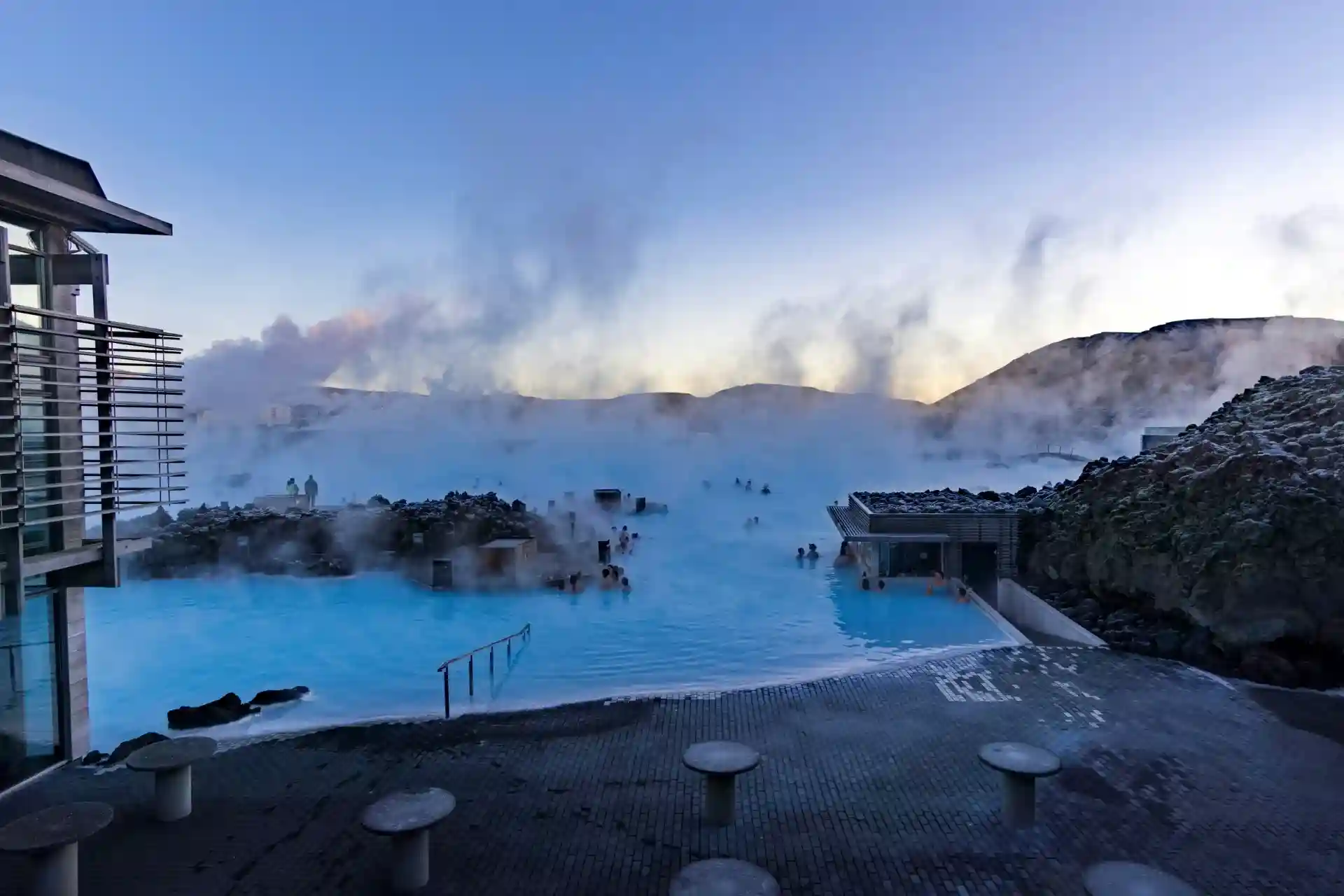
The Blue Lagoon in February was the most photogenic place I have ever been to. The water is 38–40°C — milky blue from the silica minerals — and in February the steam rises from the water in thick clouds because the outside air is -6°C. You are standing in 40°C water in a snow-covered lava field with steam billowing around you and the Reykjanes Peninsula volcanic landscape behind you. I went at 9 am, first entry slot. The crowd was light. By 11 am, the lagoon fills. At sunset (around 4:30 pm in February), the sky turns gold and the steam turns pink. I wish I had booked the sunset slot instead of the morning. The Blue Lagoon is a geothermal spa built into a lava field on the Reykjanes Peninsula — 20 minutes from Keflavík Airport. The water is a byproduct of the nearby Svartsengi geothermal power plant. The milky blue colour comes from silica particles suspended in the water. 03 / Place
Vatnajökull Ice Caves — Walking Inside Europe's Largest Glacier
The Vatnajökull ice cave tour was the most technically impressive experience of my February 2024 trip to Iceland. The guide drove us in a modified glacier truck across the glacier surface to a cave entrance — a narrow opening in blue-white ice. Inside: walls of compressed 12,000-year-old ice that are translucent blue when lit from above. The colour is not edited in photographs — it genuinely looks like that. The guide explained that the blue is from the ice compressing all air bubbles out over centuries — the more compressed the ice, the bluer the colour. I spent 45 minutes inside a 12,000-year-old object. The sound inside is a deep silence broken only by the occasional drip of meltwater. This was the most alien environment I have been in. Vatnajökull (8,100 sq km) is the largest glacier in Europe and the second largest in the world outside the polar regions. The natural ice caves inside it are accessible only from November to mid-March each winter. Season: November – mid-March · Ice caves close after mid-March as the glacier becomes unstable. 04 / Place
Golden Circle — Geysirs, Waterfalls, and the Birth of Democracy
Strokkur at Geysir erupted while I was photographing the adjacent Geysir (the original, now dormant geyser that gave the word to all languages). Every 5–8 minutes, Strokkur produces a 20–30 metre column of boiling water into the air — you can see the bubble forming under the surface, feel the ground vibration, and then the column bursts. What I was not prepared for at Þingvellir was the geological scale of the Almannagjá fissure — a fault valley 7km long and 64m deep, where the North American and Eurasian tectonic plates are visibly separating at 2cm per year. You can stand on the path that runs through the fissure, and you are walking on the floor of a gap between two continents. That specific piece of information changes how the landscape around you looks. The Golden Circle is a 300km tourist route from Reykjavík covering three primary sites: Þingvellir National Park (UNESCO, site of Iceland's medieval parliament from 930 AD AND visible tectonic plate boundary), Geysir Geothermal Area (Strokkur erupts every 5–8 minutes), and Gullfoss (two-tiered 32m waterfall — in February partially frozen). Also frequently included: Kerið Crater, Secret Lagoon. 05 / Place
Jökulsárlón Glacier Lagoon + Diamond Beach
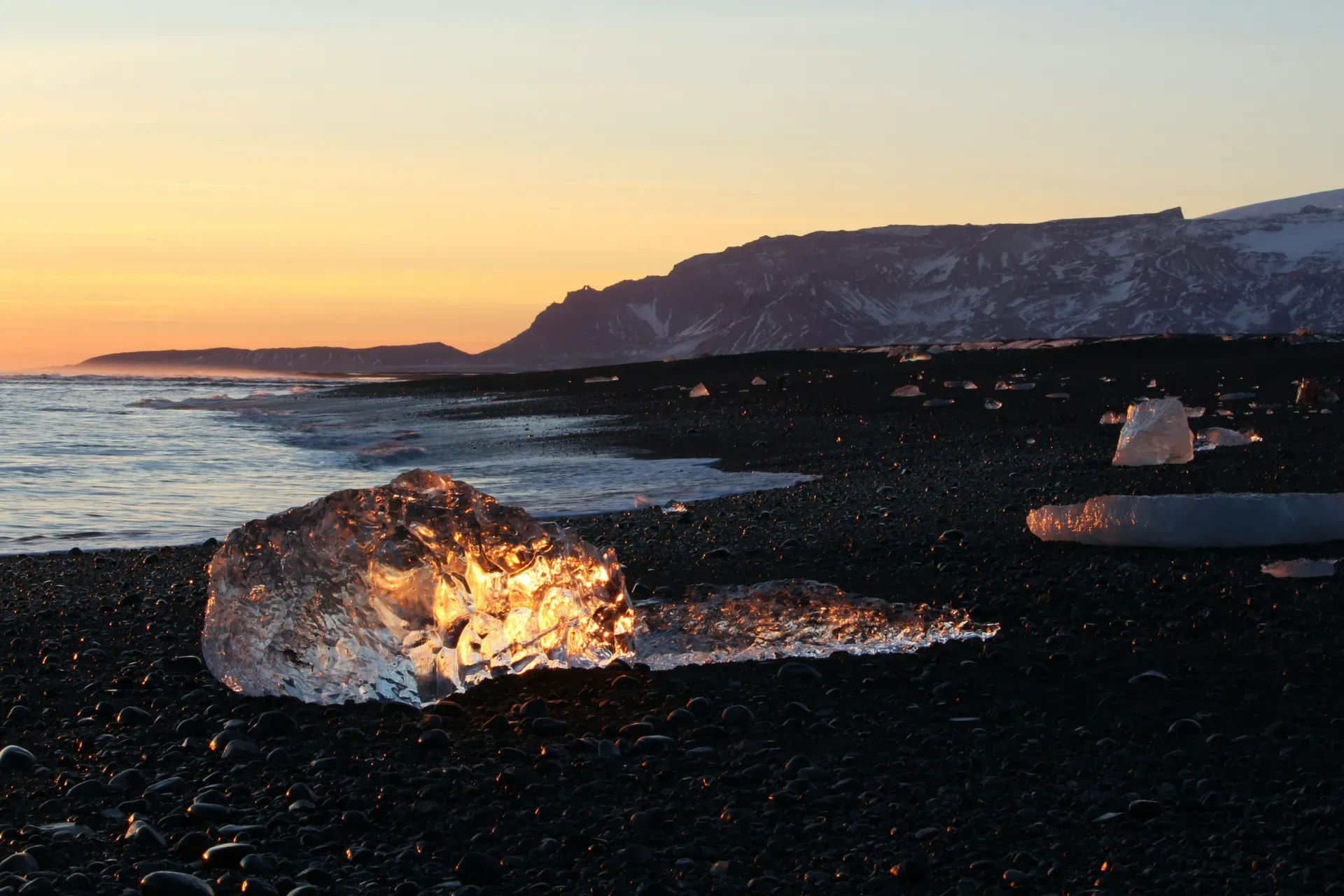
Jökulsárlón had no boat tours — the lagoon partially freezes in winter, and boats cannot operate. What it had instead was a different kind of extraordinary: icebergs frozen into the lagoon surface, the black water visible in channels between the ice, absolute silence, and three other visitors in the entire area. Diamond Beach (across the Ring Road from the lagoon) had ice chunks the size of dining tables washed up on the black sand — some blue, some transparent, some white — backlit by the low winter afternoon sun. I spent 90 minutes on that beach in February with ice forming on my jacket and took the most extraordinary photographs of my professional travel career. Jökulsárlón (Glacier River Lagoon) is a glacial lake in southeast Iceland formed by the retreat of Breiðamerkurjökull glacier over the past century. Icebergs calve from the glacier face, drift across the lagoon, and eventually wash out to sea — passing through a small channel to Diamond Beach. The icebergs range in age from centuries to millennia — some are 12,000+ years old. In summer, amphibian boat tours operate through the floating icebergs. In winter, the lagoon partially freezes, and boat tours are unavailable, but the landscape is uniquely beautiful.The Northern Lights: the aurora borealis from September to April, when the nights are long enough — visible at a KP index of 3 or above from any dark spot 30km outside Reykjavik. The Snæfellsnes Peninsula and the Þórsmörk valley are the most dramatically positioned dark-sky aurora locations within a 2- 3-hour drive; the curtains of green and violet above the glacier are the most specifically Icelandic moment.
The Blue Lagoon in February was the most photogenic place I have ever been to. The water is 38–40°C — milky blue from the silica minerals — and in February the steam rises from the water in thick clouds because the outside air is -6°C. You are standing in 40°C water in a snow-covered lava field with steam billowing around you and the Reykjanes Peninsula volcanic landscape behind you. I went at 9 am, first entry slot. The crowd was light. By 11 am, the lagoon fills. At sunset (around 4:30 pm in February), the sky turns gold and the steam turns pink. I wish I had booked the sunset slot instead of the morning. The Blue Lagoon is a geothermal spa built into a lava field on the Reykjanes Peninsula — 20 minutes from Keflavík Airport. The water is a byproduct of the nearby Svartsengi geothermal power plant. The milky blue colour comes from silica particles suspended in the water.
The Vatnajökull ice cave tour was the most technically impressive experience of my February 2024 trip to Iceland. The guide drove us in a modified glacier truck across the glacier surface to a cave entrance — a narrow opening in blue-white ice. Inside: walls of compressed 12,000-year-old ice that are translucent blue when lit from above. The colour is not edited in photographs — it genuinely looks like that. The guide explained that the blue is from the ice compressing all air bubbles out over centuries — the more compressed the ice, the bluer the colour. I spent 45 minutes inside a 12,000-year-old object. The sound inside is a deep silence broken only by the occasional drip of meltwater. This was the most alien environment I have been in. Vatnajökull (8,100 sq km) is the largest glacier in Europe and the second largest in the world outside the polar regions. The natural ice caves inside it are accessible only from November to mid-March each winter. Season: November – mid-March · Ice caves close after mid-March as the glacier becomes unstable.
Strokkur at Geysir erupted while I was photographing the adjacent Geysir (the original, now dormant geyser that gave the word to all languages). Every 5–8 minutes, Strokkur produces a 20–30 metre column of boiling water into the air — you can see the bubble forming under the surface, feel the ground vibration, and then the column bursts. What I was not prepared for at Þingvellir was the geological scale of the Almannagjá fissure — a fault valley 7km long and 64m deep, where the North American and Eurasian tectonic plates are visibly separating at 2cm per year. You can stand on the path that runs through the fissure, and you are walking on the floor of a gap between two continents. That specific piece of information changes how the landscape around you looks. The Golden Circle is a 300km tourist route from Reykjavík covering three primary sites: Þingvellir National Park (UNESCO, site of Iceland's medieval parliament from 930 AD AND visible tectonic plate boundary), Geysir Geothermal Area (Strokkur erupts every 5–8 minutes), and Gullfoss (two-tiered 32m waterfall — in February partially frozen). Also frequently included: Kerið Crater, Secret Lagoon.
Jökulsárlón had no boat tours — the lagoon partially freezes in winter, and boats cannot operate. What it had instead was a different kind of extraordinary: icebergs frozen into the lagoon surface, the black water visible in channels between the ice, absolute silence, and three other visitors in the entire area. Diamond Beach (across the Ring Road from the lagoon) had ice chunks the size of dining tables washed up on the black sand — some blue, some transparent, some white — backlit by the low winter afternoon sun. I spent 90 minutes on that beach in February with ice forming on my jacket and took the most extraordinary photographs of my professional travel career. Jökulsárlón (Glacier River Lagoon) is a glacial lake in southeast Iceland formed by the retreat of Breiðamerkurjökull glacier over the past century. Icebergs calve from the glacier face, drift across the lagoon, and eventually wash out to sea — passing through a small channel to Diamond Beach. The icebergs range in age from centuries to millennia — some are 12,000+ years old. In summer, amphibian boat tours operate through the floating icebergs. In winter, the lagoon partially freezes, and boat tours are unavailable, but the landscape is uniquely beautiful.
Seljalandsfoss in February was partially frozen — the trail behind the waterfall was closed due to ice. I was briefly disappointed, then stood in front of the waterfall and watched the frozen and flowing sections coexist, ice formations growing around the spray, and the 60-metre curtain of water, half-ice, half-flow. It was more visually interesting than the summer version I had seen in photographs. Skógafoss in February had the same quality — enormous, impossibly wide, spray freezing on my jacket, and the staircase to the top (520 steps) leading to a snowfield with the entire South Coast visible in winter afternoon light. Reynisfjara Black Sand Beach in February had the most aggressive surf I have seen from shore — the Sneaker Waves warning signs were real. Iceland's South Coast is the most photographed single day-drive in the country: Seljalandsfoss (60m waterfall you can walk behind — only in summer; in winter the trail closes due to ice), Skógafoss (impossibly wide 25m waterfall with staircase to top), Reynisfjara (black sand beach, basalt column formations, sea stacks — the most dangerous beach in Iceland due to Sneaker Waves), Sólheimajökull (accessible glacier with guided hike), and Dyrhólaey (sea arch and puffin cliffs).
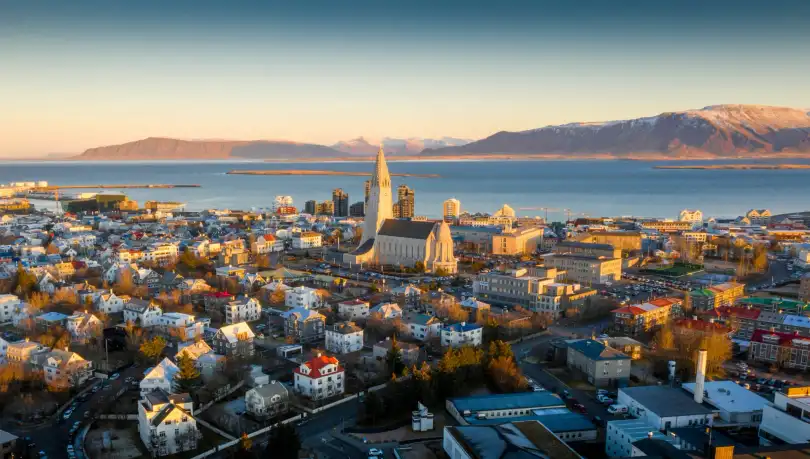
Reykjavík is a city of 130,000 people — smaller than Chandigarh — that punches extraordinarily above its size in terms of quality of life, restaurant culture, creative energy, and architectural character. The old town (101 Reykjavík) is walkable end to end in 30 minutes. Hallgrímskirkja church's concrete expressionist architecture dominates the skyline from every direction — the lift to the tower top gives the most complete Reykjavík panorama. Laugavegur Street has a concentration of quality wool clothing stores, design shops, and independent restaurants per 300 metres that would be impressive in any European capital. In February, the Christmas lights were still up. At 4 pm, when darkness fell completely, the city lit up in a way that made it feel genuinely festive. Reykjavík is the world's northernmost capital city and the base for all Iceland road trips. The city has Hallgrímskirkja (concrete expressionist church, tower lift for panoramic views), Harpa Concert Hall (geometric glass facades on the harbour, free-to-enter lobby), National Museum of Iceland, Laugardalslaug, and Laugavegur Street for wool sweaters (lopapeysa).
Snæfellsnes Peninsula in February was the quietest place I visited in Iceland — which is to say, very quiet indeed. The Snæfellsjökull glacier at the tip of the peninsula (Jules Verne set Journey to the Centre of the Earth here — the crater was supposedly the entrance) was covered in cloud when I visited, which gave the whole experience an appropriately mysterious quality. Kirkjufellsfoss — the iconic mountain-waterfall combination that appears in every Iceland photography highlight — was partially frozen and had three photographers there besides me. In July it has 200+ at dawn. The Arnarstapi coastal walk (2km, free) has sea arch formations, basalt columns, and crashing winter waves. The peninsula is called 'miniature Iceland' because it contains glaciers, lava fields, black sand beaches, fishing villages, and open moorland in one peninsula. Snæfellsnes Peninsula (180km from Reykjavík, 2-hour drive) is one of Iceland's most photogenic regions: Snæfellsjökull glacier (Jules Verne's setting), Kirkjufell mountain + Kirkjufellsfoss waterfall (featured in Game of Thrones), Arnarstapi and Hellnar coastal villages, and Djúpalónssandur black pebble beach with rusted shipwreck remains.
Best Time to Visit Iceland
January · Best Aurora Peak. Darkest month. Best aurora probability. Cold. Short days. Ice caves accessible. Some highland roads closed.
February · Best My #1 Pick. My 2024 visit. Aurora + ice caves + Blue Lagoon winter steam. Daylight improving from late February. Cold but manageable.
March · Best Good (Aurora + Ice). Last month for ice caves (close mid-March). Aurora still strong. Days lengthening. Some F-roads beginning to open.
April · Good Transition. Ice caves closed. Waterfalls at peak (snowmelt). No aurora (too much light). Prices dropping. Highlands still mostly closed.
May · Best Top Pick (Value). Highland roads beginning to open. Good weather. Lower prices than summer. Midnight Sun approaching.
June · Best Top Pick (Summer). Midnight Sun. Maximum daylight. All roads open. Puffins nesting. No aurora. Peak prices.
July · Avoid Peak Season. Maximum crowds. Most expensive month. Midnight Sun. Whale watching peak (Húsavík).
August · Good Good (Summer End). Still Midnight Sun (fading). Puffins visible until mid-August. Prices beginning to drop.
September · Best Top Pick (Value). Aurora season begins. Whale watching still good. F-roads beginning to close. Lower prices than summer.
October · Good Good (Aurora). Aurora strengthening. Highland roads closing. First snow at altitude. Good value month.
November · Best Aurora Season. Long nights, aurora active. Ice caves beginning. Some roads challenging. Good base for aurora-focused trip.
December · Avoid Peak (Christmas). Christmas prices spike. Aurora excellent but shortest days. Ice caves accessible. Very cold.
Iceland trips,
ready to personalise.
 7D / 6N
Iceland Honeymoon Aurora and Hot Springs Escape
Reykjavik, Hella, Vik, Blue Lagoon
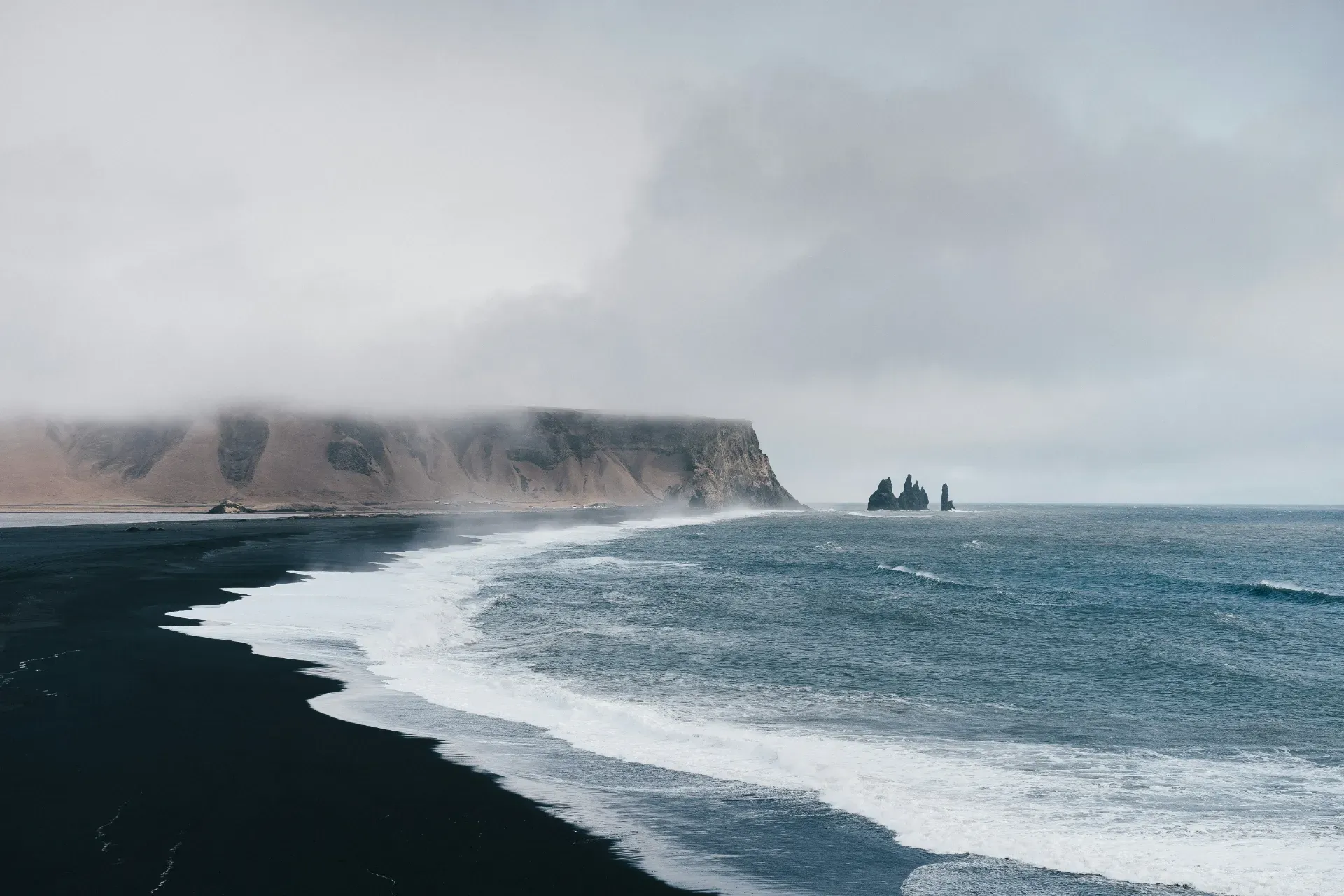 8D / 7N
Iceland Family Volcano and Waterfall Holiday
Reykjavik, Golden Circle, South Coast, Lava Centre
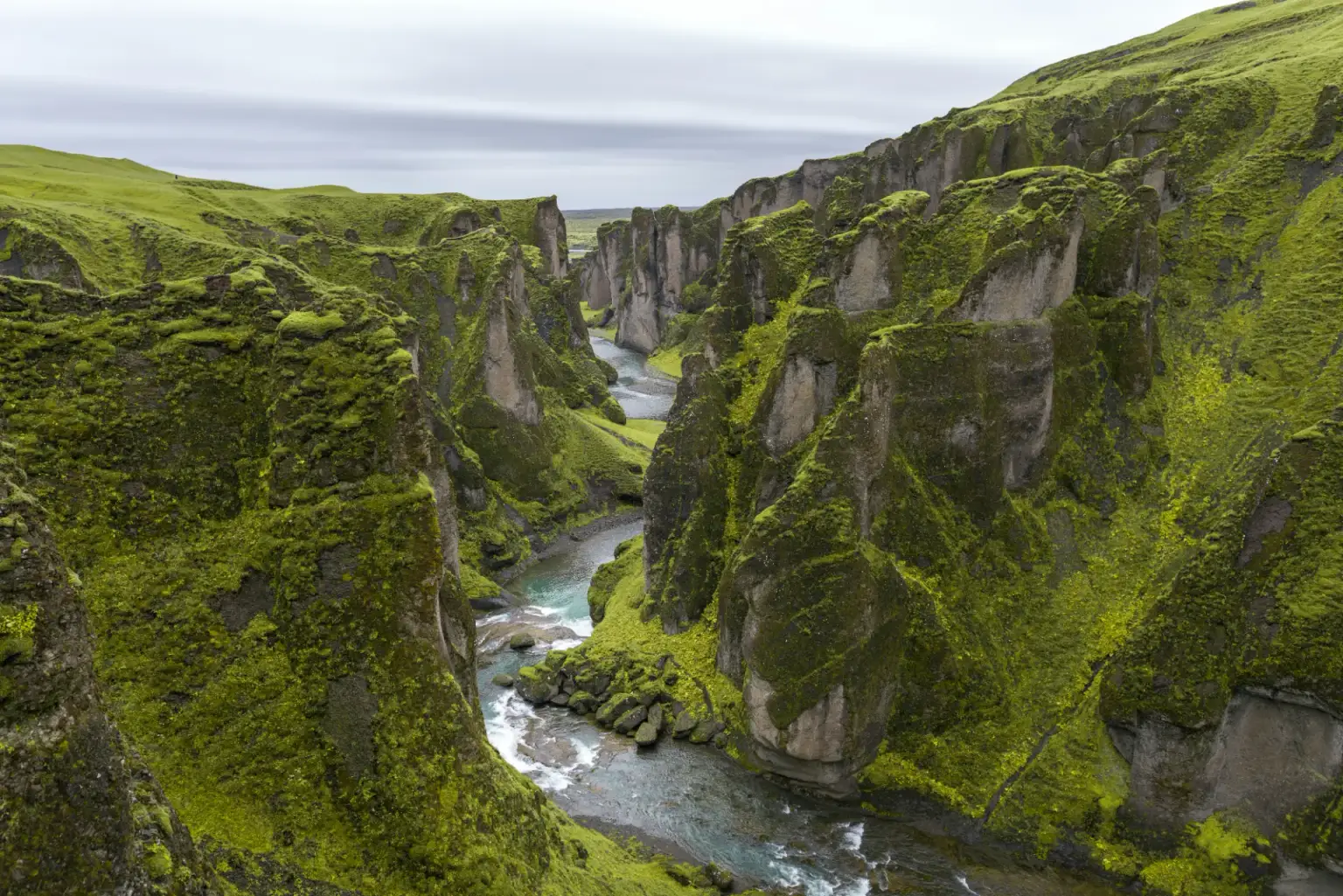 13D / 12N
Grand Iceland Ring Road and Snaefellsnes Expedition
Reykjavik, Snaefellsnes, Akureyri, Myvatn, Eastfjords, Jokulsarlon, Vik
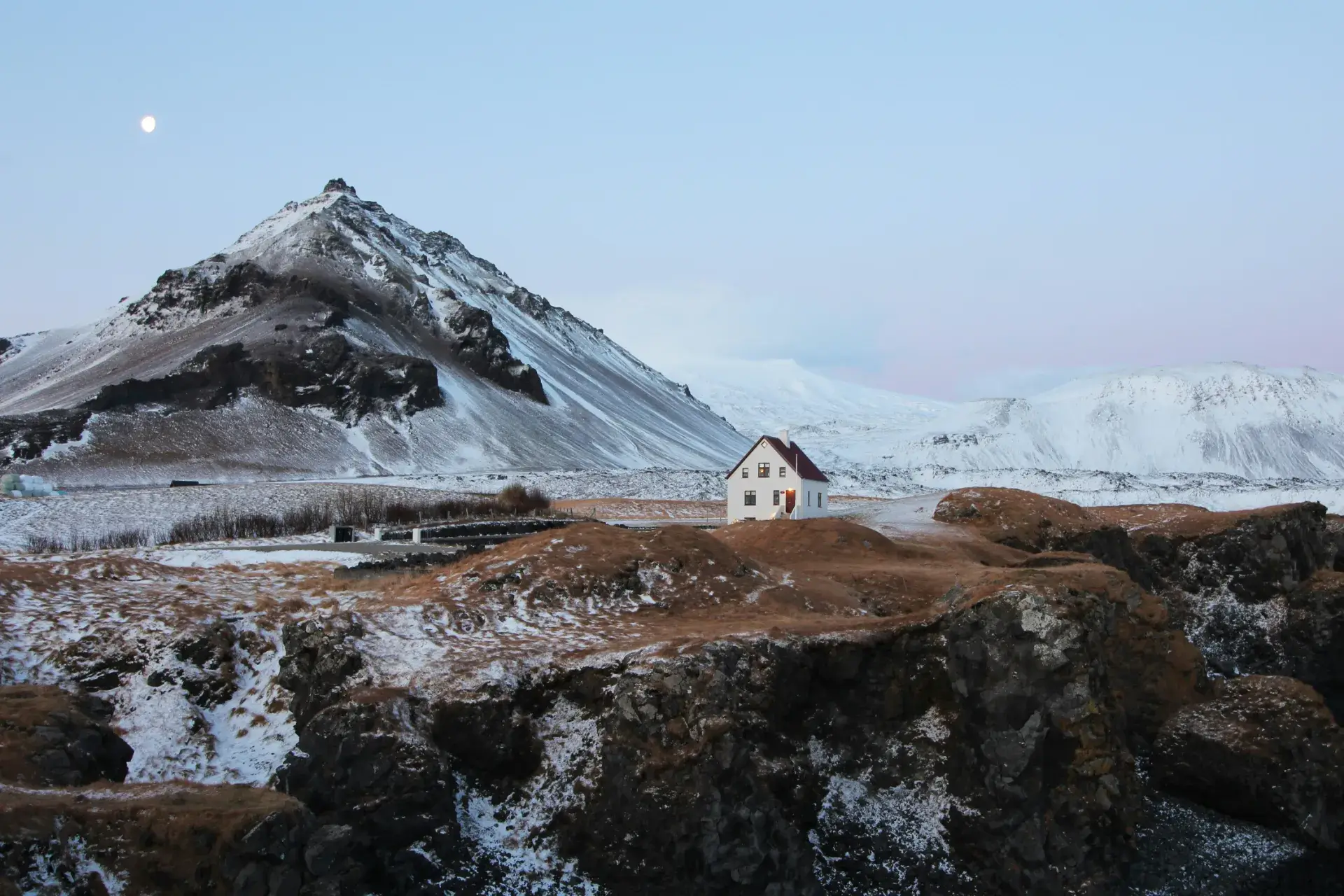 8D / 7N
Iceland Wellness Hot Springs and Scenic Retreat
Reykjavik, Blue Lagoon, Sky Lagoon, South Iceland
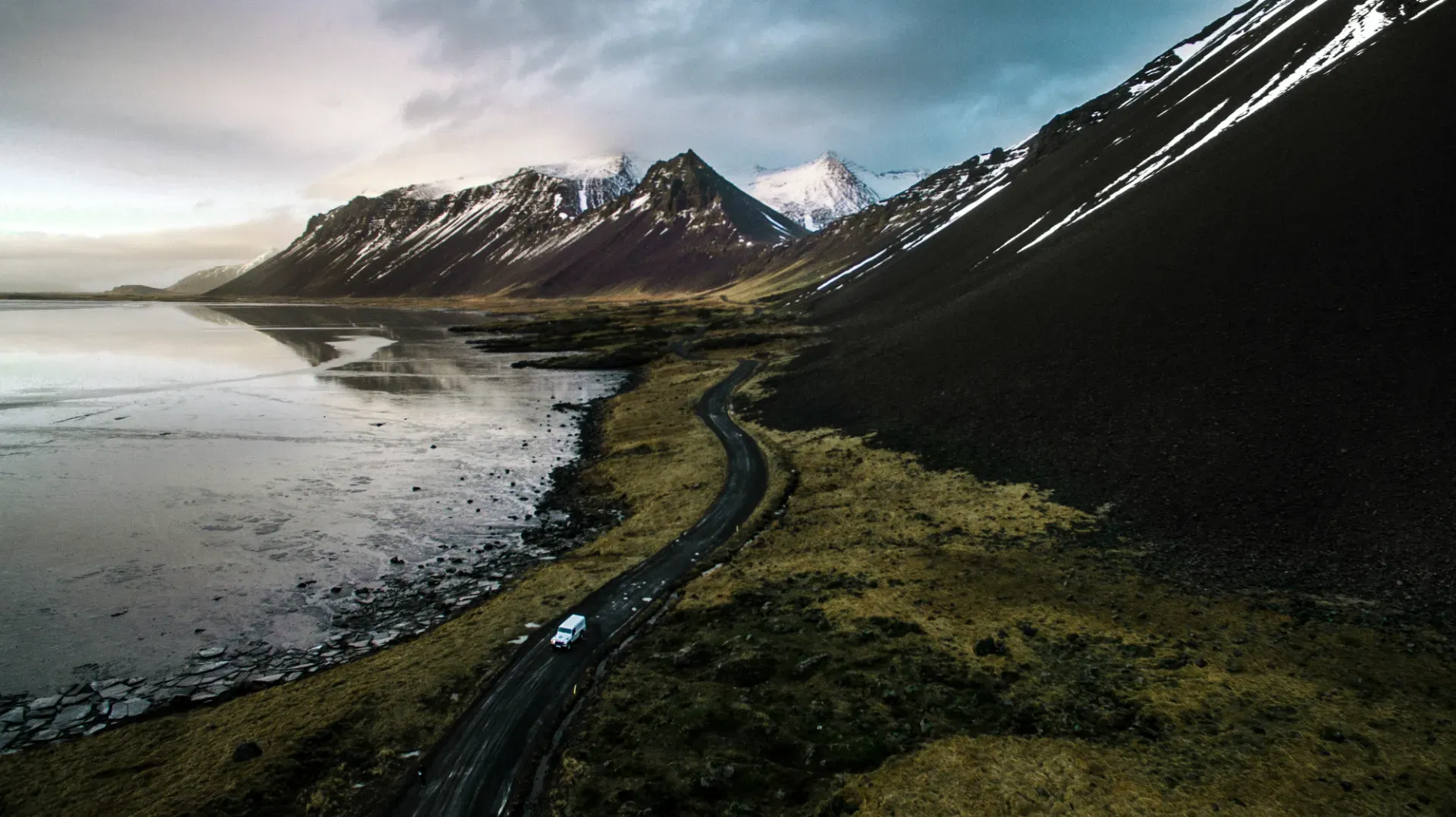 6D / 5N
Iceland Northern Lights Winter Break
Reykjavik, Golden Circle, South Coast
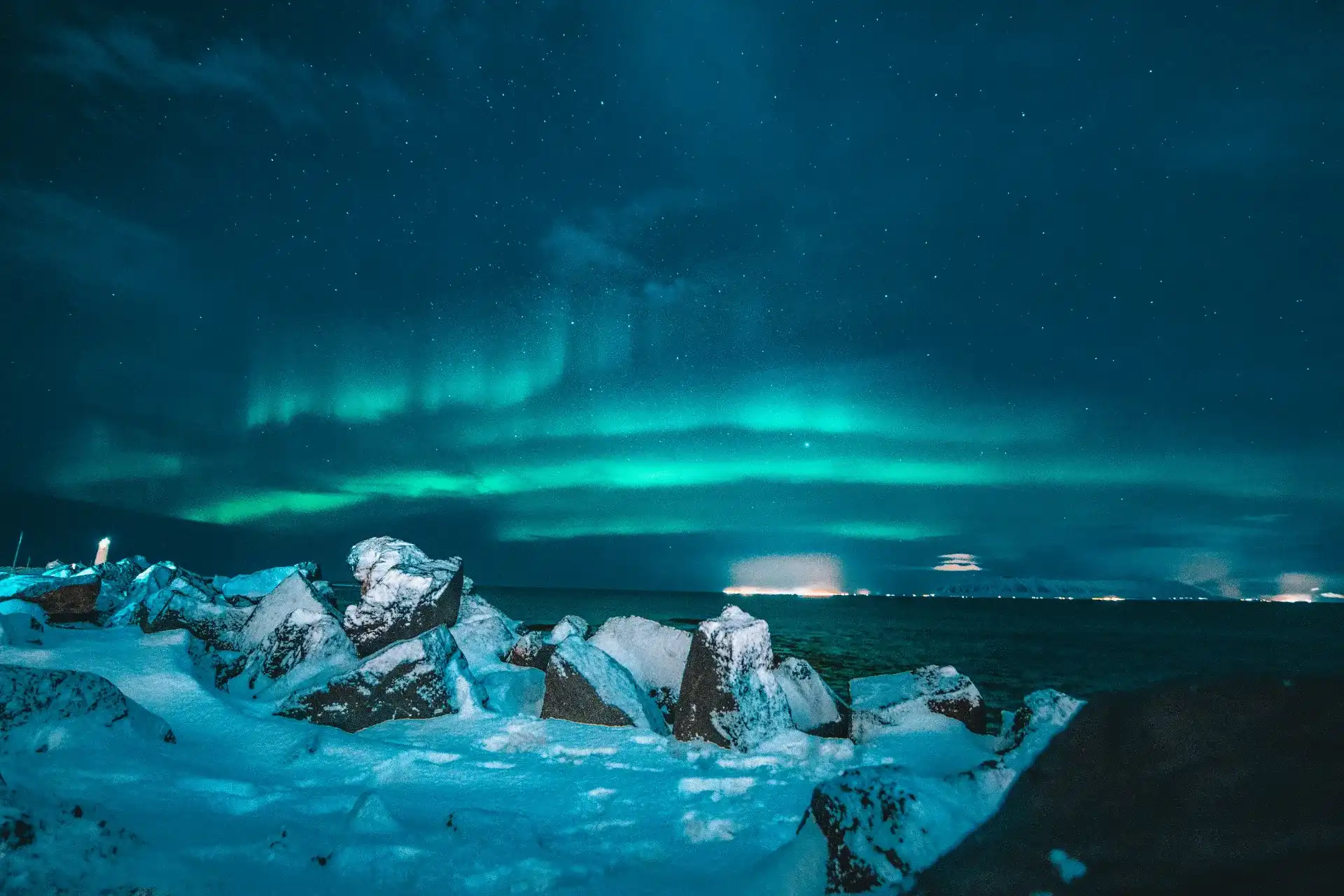 9D / 8N
Iceland Self Drive Ring Road Explorer
Reykjavik, Akureyri, Lake Myvatn, Eastfjords, Vik
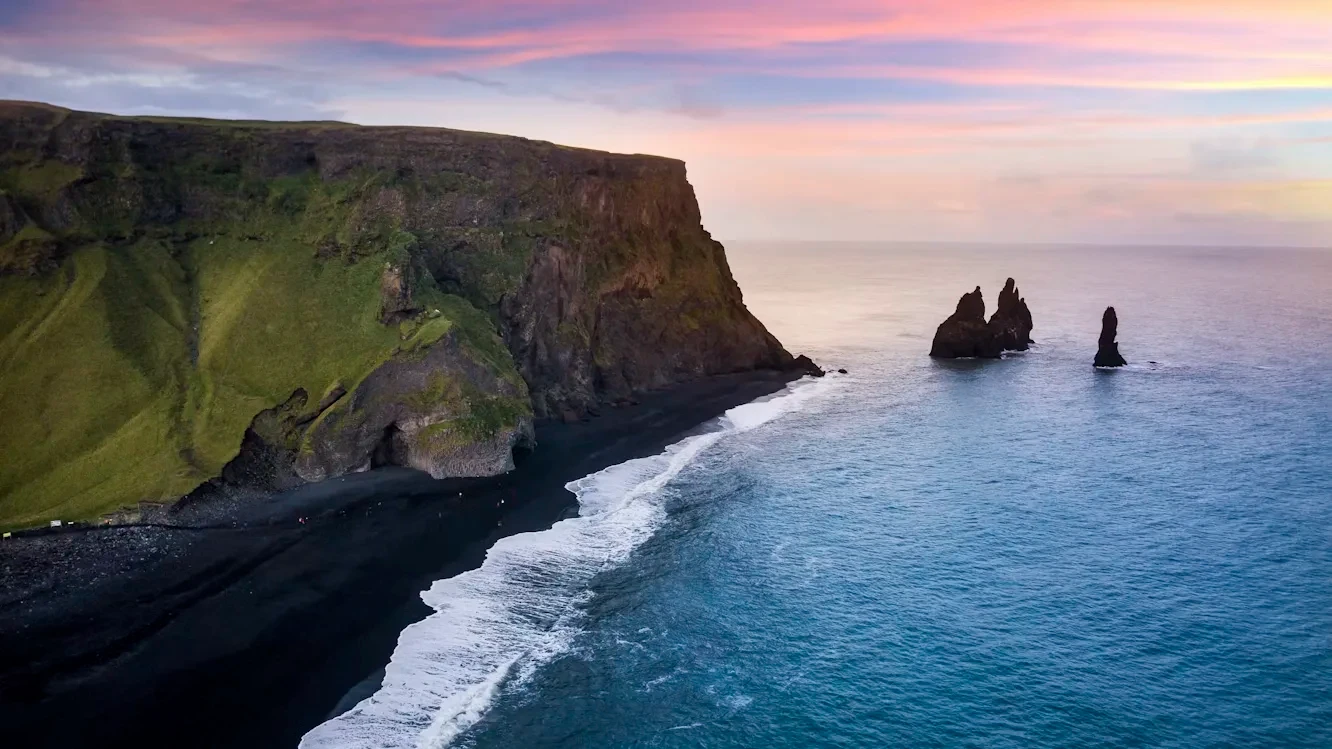 9D / 8N
Iceland Scenic Road Trip Tour Package
Reykjavik, Golden Circle, South Coast
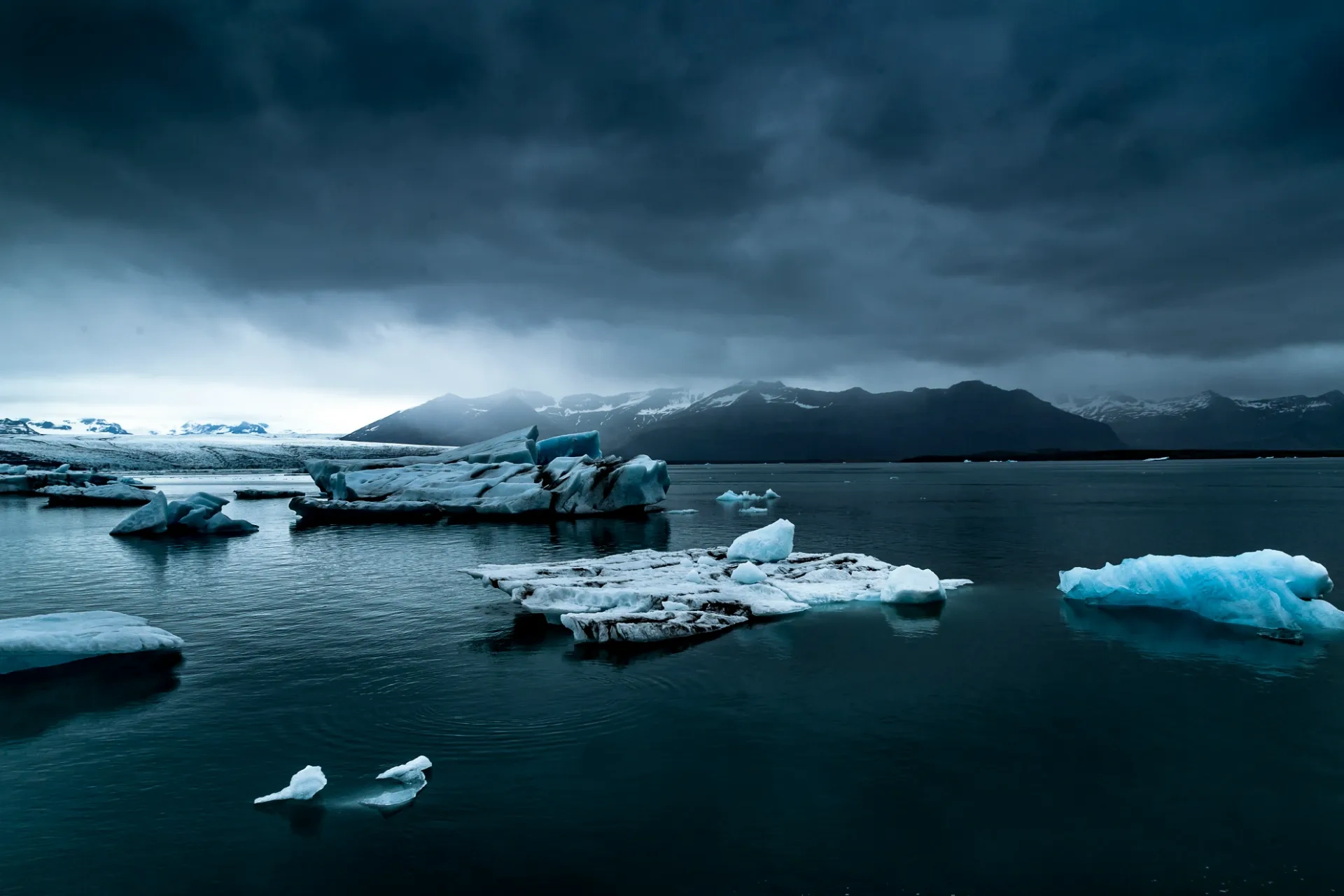 5D / 4N
Iceland Quick Reykjavik and Blue Lagoon Escape
Reykjavik, Blue Lagoon, Golden Circle
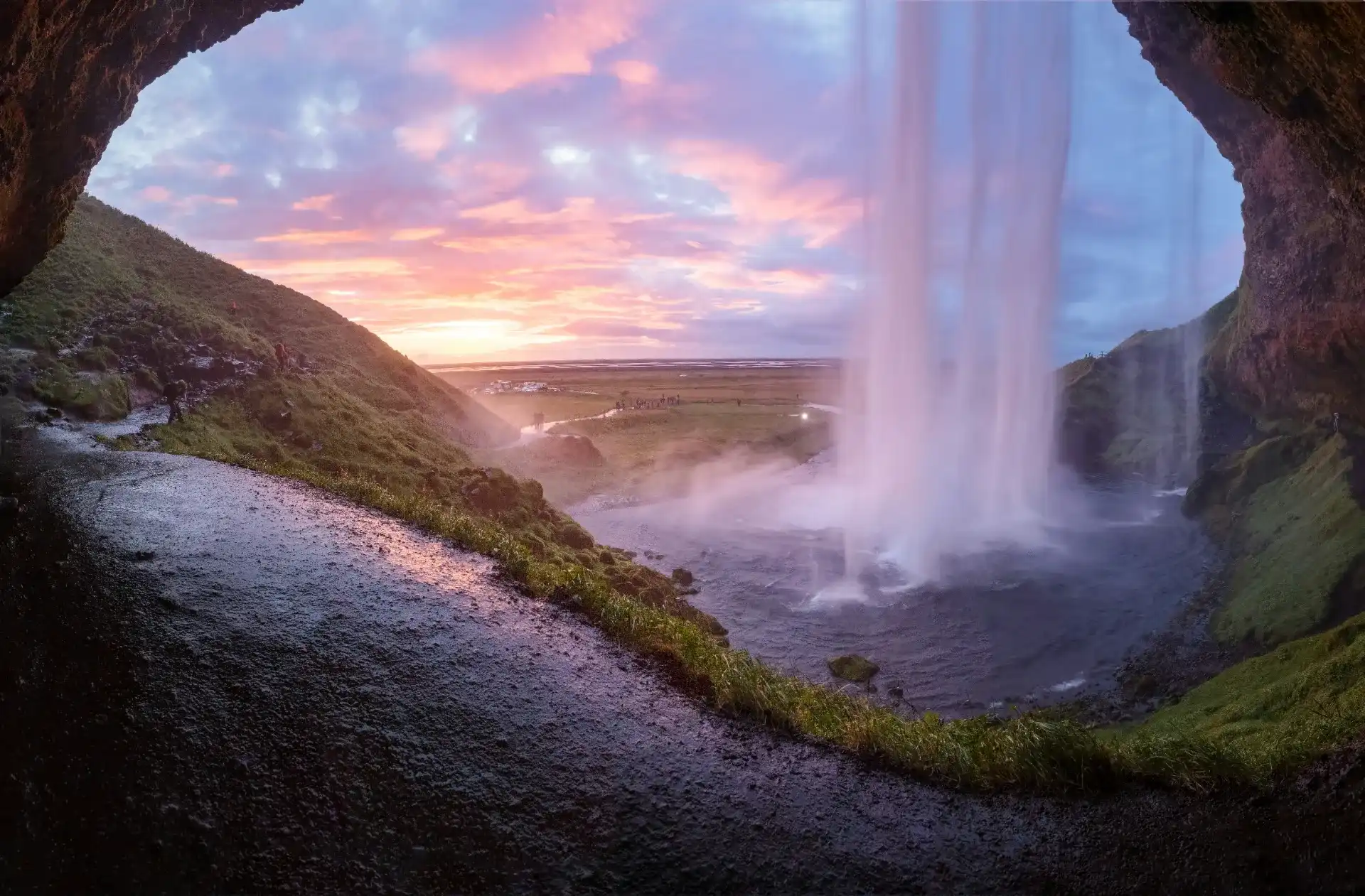 9D / 8N
Iceland Luxury Aurora and Boutique Stays
Reykjavik, Golden Circle, South Coast, Snaefellsnes Peninsula
 8D / 7N
Iceland Glacier Lagoon and Ice Cave Adventure
Reykjavik, Vik, Skaftafell, Jokulsarlon
 7D / 6N
Classic Iceland Golden Circle and South Coast Tour
Reykjavik, Selfoss, Vik, Jokulsarlon
Iceland experiencesBest 10 Things to Do in Iceland 2026
Aurora Borealis Chase — 2026 Solar Maximum Night
The Northern Lights chase in 2026 is the single most compelling reason to visit Iceland this specific year — solar maximum means the aurora is at an 11-year peak intensity. My February 2024 chase process: check the Aurora Forecast app at 8 pm for the Kp index and cloud cover forecast; if conditions look good, drive 15–20 minutes from Reykjavík toward Þingvellir or Akranes; turn off headlights; wait. Four of seven nights delivered aurora. Night 3 delivered an overhead display that lasted 40 minutes, and I have genuinely not recovered from it emotionally. In 2026 at solar maximum, the probability of this experience is higher than any other year in the past decade.
Insider tip
Vatnajökull Ice Cave — Inside a 12,000-Year-Old Glacier
The ice cave tour experience in February 2024 began with a glacier truck ride across the Vatnajökull ice field — a vehicle with tyres so large and so specially designed for ice that the driver navigated without hesitation across surfaces that would have stopped any normal vehicle. The cave entrance was unremarkable from outside — a narrow opening in blue-white ice. Inside: walls that glowed blue from compressed ancient ice, a ceiling 8 metres above us, absolute silence except for occasional meltwater drips, and the guide explaining that the ice beneath our feet was compressed over thousands of years until all air was removed. The blue colour of ice caves is the colour of air-free ice. It is not edited. It genuinely looks like that.
Insider tip
Walk Behind Seljalandsfoss (Summer) or Photograph Frozen Seljalandsfoss (Winter)
Seljalandsfoss in summer: a 60-metre waterfall with a path carved into the rock face behind the falling water — you walk through a curtain of spray (waterproof jacket mandatory, phone insurance advisable) and emerge on the other side with photographs shot through the falling water. In winter (November–March), the path closes due to ice, but the frozen waterfall — partially frozen, partially flowing — is more visually dramatic than the summer version. The spray freezes into formations around the edges while the main flow continues. I did not get to walk behind Seljalandsfoss in February 2024. The frozen version was sufficient compensation.
Insider tip
Blue Lagoon at Sunrise or Sunset Slot
The Blue Lagoon in winter is different from the Blue Lagoon in summer in one specific way: the steam. When outside air is below freezing and the water is 40°C, steam rises from the surface in dense clouds that occasionally obscure other bathers entirely. The milky blue water is visible through gaps in the steam. In the sunrise slot (8 am–9 am in February, when the sky is still pre-dawn purple-pink), the steam has a different colour from the sky above. In the sunset slot (3 pm–4:30 pm, when the winter sun drops quickly), the steam turns gold and then orange. Either of the February slots is more beautiful than the Blue Lagoon in July.
Insider tip
Golden Circle Self-Drive — Early Morning, Before Tour Buses
The Golden Circle self-drive in February 2024 at 9 am had Strokkur geyser erupting for me and approximately 15 other people. By 11 am, the first coach tours were arriving. Þingvellir National Park at 9 am on a February morning had ice crystals on the Almannagjá fissure walls and a specific quality of cold-morning silence that I associate with genuinely ancient places. Gullfoss waterfall in February had ice formations at the edges of the falls and a complete absence of the summer rainbow (no sun angle for it in February) — instead, the winter light made the falls look like grey-white stone rather than water.
Insider tip
Local Geothermal Pool — Laugardalslaug, Reykjavík
Laugardalslaug is the largest public geothermal pool in Reykjavík — Icelanders go here on Saturday mornings in exactly the way Indians go to a chai dhaba on Sunday mornings. The pool complex has: a 50-metre lap pool (outdoor, 28°C), multiple hot tubs (40–44°C), a steam room, a waterslide, and changing facilities. On a February morning, sitting in a 42°C hot tub in sub-zero air with steam rising from the water and local Icelanders having conversations around me in Icelandic — this was the most authentically Icelandic experience of my trip, at 1/10th the price of the Blue Lagoon.
Insider tip
Diamond Beach at Low Winter Sun — 2pm in February
Diamond Beach in February at 2 pm — 90 minutes before the sun sets — has the lowest-angle winter light in the whole of Iceland's visitor calendar. This specific light hits the ice chunks from the side, refracts through the blue, white, and transparent ice, and produces colours that I have not been able to describe accurately to anyone who has not seen them. The ice ranges in size from the size of a hand to that of a car. The black sand provides maximum contrast. The sound is: wave, recede, silence, wave. I spent 90 minutes at Diamond Beach and took 400 photographs, producing six that I am genuinely happy with.
Insider tip
Reynisfjara Black Sand Beach — Standing Distance Respect
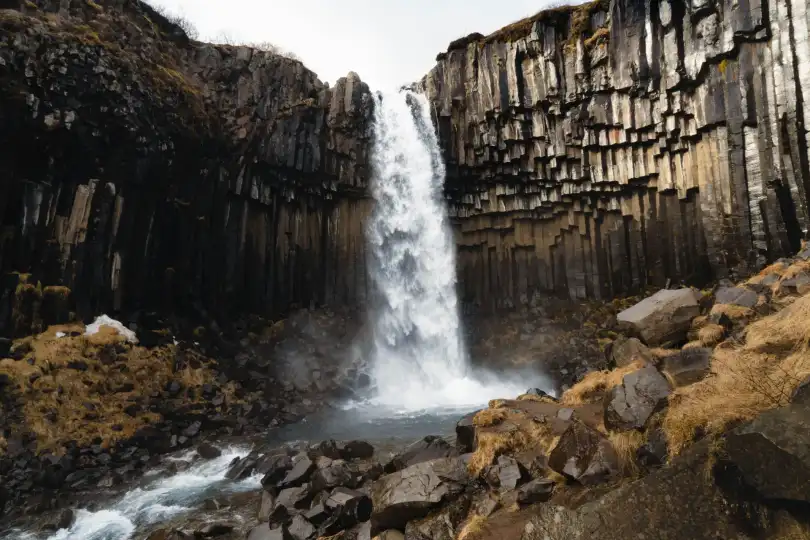
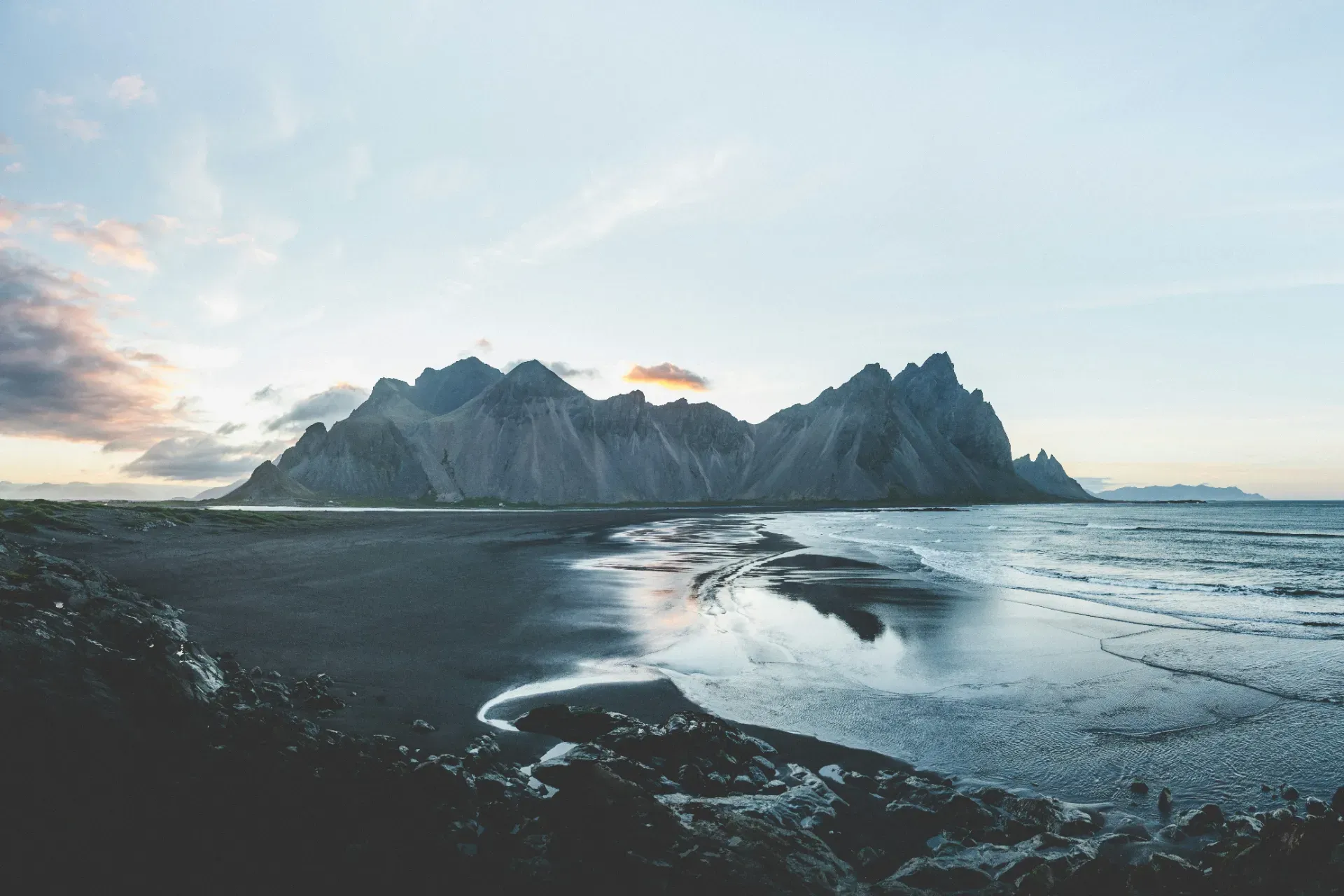
Reynisfjara is the most visually dramatic beach in Iceland and the most dangerous to tourists. The basalt column formations (hexagonal columns formed by lava cooling slowly) behind the beach are extraordinary. The Reynisdrangar sea stacks (volcanic rock columns standing in the sea) are the most photographed sea features in Iceland. The surf is generated by the open North Atlantic Ocean — there is no land between this beach and Antarctica. In February, the surf was the most powerful I have ever seen from shore. I stayed well back from the water. The Sneaker Waves warning signs are understated — waves arrive without warning at distances that appear completely safe.
Insider tip
Traditional Icelandic Dinner — Lamb Soup and Skyr
Icelandic cuisine is built on the same resources the country has had for 1,100 years: lamb (free-range, Icelandic mountain sheep, arguably the finest lamb in the world), Arctic char and cod (fresh from the North Atlantic), skyr (a cultured dairy product similar to Greek yoghurt, higher protein, less sweet, eaten at every Icelandic meal), and root vegetables. Kjötsúpa (lamb soup with root vegetables) at a restaurant — warming, hearty, and genuinely Icelandic. Skyr desserts (flavoured, fruit, with granola) are in every supermarket and are the finest budget food decision in Iceland. Best Restaurants (Reykjavík): Messinn (fish pot for two) · Sægreifinn (the Sea Baron — lobster soup, famous, casual) · Café Loki (traditional Icelandic, across from Hallgrímskirkja) · Skál (modern Icelandic cuisine).
Insider tip
Hallgrímskirkja Tower Lift — Reykjavík Panorama
Hallgrímskirkja is Iceland's most recognisable building — a 73-metre concrete expressionist church designed in 1937 and constructed over 41 years. The design is based on the basalt column formations found across Iceland (the same formations at Reynisfjara and Svartifoss) — the geometric concrete flanges converging at the tower base are a direct translation of volcanic rock into architecture. The tower lift reaches the observation floor where Reykjavík, the harbour, and, on clear days, the surrounding mountains are visible in a 360° panorama. In February, the afternoon light from 1 pm–2:30 pm makes this the finest panoramic view in the city.
Insider tip
Suggested Itineraries
See how each trip is paced, from arrival to departure. These are sample day-by-day plans; we tailor the dates and details.
7-Day Iceland Winter Classic : Reykjavík → South Coast → Jökulsárlón → Ring Road North → Snæfellsnes
- Day 1Arrive Keflavík + ReykjavíkLand at KEF · Collect rental 4WD (studded winter tyres) from airport desk. Blue Lagoon stop if booked (20 minutes from airport — perfect first-day stop). Drive to Reykjavík (50 minutes) · Hotel check-in. Evening: Hallgrímskirkja at sunset · Laugavegur Street walk · Northern Lights check at 10pm.
Advice
Blue Lagoon on Day 1 (departure slot en route from airport to city) is logistically efficient — you arrive, soak off the flight fatigue, and arrive in Reykjavík relaxed. Book the 1pm or 2pm slot for flight-day arrival. - Day 2Reykjavík Exploration + First Aurora Night
Morning: Hallgrímskirkja tower lift · National Museum of Iceland · Harpa Concert Hall exterior. Afternoon: Laugardalslaug geothermal pool. Evening: Northern Lights tour if booked OR self-drive aurora chase (check aurora app, drive toward Þingvellir).
- Day 3Golden Circle
8am departure · Þingvellir National Park · Geysir · Strokkur eruption viewing · Gullfoss. Optional: Secret Lagoon (Flúðir) or Kerið Crater. Return to Reykjavík by 5 pm.
Advice
Arrive Þingvellir at 8:30am before coach tours. Almannagjá fissure walk (between tectonic plates) is best experienced in silence — first 30 minutes of the site opening achieves this. - Day 4South Coast + Reynisfjara
Seljalandsfoss (in summer: walk behind; in winter: photograph the frozen waterfall). Skógafoss (climb the staircase for the top view). Sólheimajökull glacier hike. Reynisfjara Black Sand Beach (30m from water — always). Overnight near Vík town.
- Day 5Jökulsárlón + Diamond Beach + Ice Cave
Morning: Jökulsárlón Glacier Lagoon (boat tour in summer / frozen lagoon photography in winter). Afternoon: Diamond Beach (2 pm for best winter light). Ice cave tour— departs from the Jökulsárlón area. Overnight near Höfn.
- Day 6Ring Road Return + Snæfellsnes OptionOption A: Drive Ring Road back north through east fjords toward Akureyri (full Ring Road). Option B: Return via south coast and continue to Snæfellsnes Peninsula (150km from Reykjavík). Kirkjufellsfoss at sunset (most photographed Iceland landscape). Return to Reykjavík or Snæfellsnes overnight.
- Day 7Reykjavík Final Day + DepartMorning: Sægreifinn (Sea Baron) harbour breakfast or café. Reykjavík last shopping (lopapeysa wool sweater, Skyr products, Viking salt). Depart KEF (allow 2.5 hours from Reykjavík).

10-Day Iceland Full Ring Road — Complete circumnavigation
- Day 1Arrive + Blue Lagoon + ReykjavíkAirport → Blue Lagoon → City.
- Day 2ReykjavíkCity exploration · Local geothermal pool.
- Day 3Golden CircleÞingvellir · Geysir · Gullfoss · Secret Lagoon.
- Day 4South Coast WestSeljalandsfoss · Skógafoss · Glacier hike.
- Day 5South Coast EastReynisfjara · Jökulsárlón · Diamond Beach.
- Day 6East FjordsHöfn · East Fjord villages · quiet Iceland.
- Day 7North IcelandMývatn Lake · Námafjall geothermal field · Dettifoss waterfall.
- Day 8Húsavík + AkureyriWhale watching (Húsavík) · Iceland's 'Capital of the North'.
- Day 9Snæfellsnes PeninsulaKirkjufell · Snæfellsjökull · Arnarstapi coastal walk.
- Day 10Return Reykjavík + DepartFinal Reykjavík morning · Depart KEF.
Where to Stay: 6 Zones
Reykjavík City (101 Reykjavík)
South Coast (Vík / Selfoss)
Southeast (Höfn / Jökulsárlón area)
North Iceland (Akureyri / Mývatn)
Snæfellsnes Peninsula
Luxury / Unique Stays
Travel Costs for Iceland
Budget
₹12,000 – ₹18,000/personMoney-saving travel- Stay
- Hostel dorm ₹3,700–₹5,920/night
- Food
- Supermarket + Bónus discount supermarket ₹2,000–₹3,500/day
- Getting around
- Shared rental car split
Mid-range
₹22,000 – ₹35,000/personComfortable everyday travel- Stay
- Guesthouse ₹11,100–₹22,200/night (usually breakfast included)
- Food
- Lunch supermarket + dinner restaurant ₹5,000–₹9,000/day
- Getting around
- Rental car (shared 4WD in winter)
PREMIUM
₹40,000 – ₹70,000/personper person, per day- Stay
- Boutique hotel ₹22,200–₹44,400/night
- Food
- Quality restaurants ₹12,000–₹22,000/day
- Getting around
- Dedicated 4WD rental
Luxury
₹80,000 – ₹2,00,000+/personPremium comfort- Stay
- Bubble hotel / Retreat at Blue Lagoon ₹59,200–₹2,00,000+/night
- Food
- Private dining, chef experiences
- Getting around
- Private guide + vehicle
How to Get There and Getting Around Iceland
How to reach Iceland and how to get around once you are there: the routes, how long they take and what they cost.
Plan your route ↗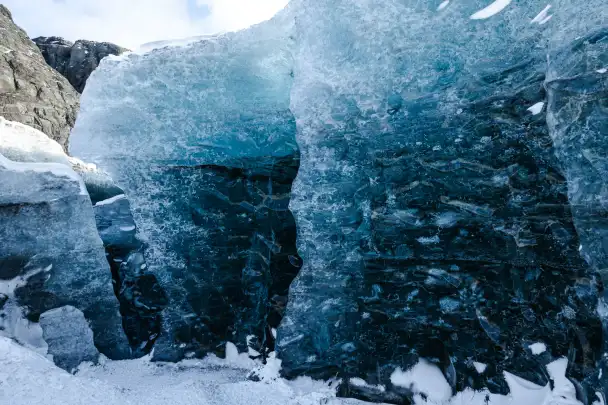 7 ways to travel
Delhi → London Heathrow → Reykjavík (KEF)
Airlines: Air India/British Airways →
Icelandair/easyJet. Duration: 6.5 hrs Delhi-London + 3 hrs London-Reykjavík = ~12 hrs total. Most popular India–Iceland routing. Icelandair operates direct London–Keflavík. Air India Delhi–London direct.
Delhi → Amsterdam → Reykjavík
Airlines: Air India/KLM → Icelandair. Duration: 8 hrs Delhi-AMS + 3 hrs AMS-KEF = 13 hrs. KLM via Amsterdam. Icelandair connects Amsterdam–Keflavík.
Mumbai → Copenhagen → Reykjavík
Airlines: SAS / Icelandair. Duration: 10 hrs + 3 hrs = 15 hrs.Copenhagen hub works well for a combined Denmark + Iceland trip.
Delhi → Frankfurt → Reykjavík
Airlines: Lufthansa → Icelandair. Duration: 7.5 hrs + 3.5 hrs = ~13 hrs. Icelandair Frankfurt–Keflavík direct. Smooth hub.
Any Indian City → Oslo/Stockholm → Reykjavík
Airlines: Various → Icelandair/SAS. Duration: 14–18 hrs total.Scandinavian hub options — good for a combined Nordic trip.
Rental Car (Economy 4WD, winter)
February–March: mandatory for Ring Road. 4WD non-negotiable. The single most important decision when travelling in Iceland is the rental car — specifically, the insurance. Iceland has volcanic ash, loose gravel, sand storms, and ice. Sand and Ash Protection (SAAP) + Gravel Protection + full collision damage waiver (CDW) is the minimum for a February trip.
Northern Lights Tour (evening)
With expert guide + aurora forecast knowledge.
Iceland Travel Tips
Iceland is almost entirely cashless — restaurants, buses, campsites, even roadside stalls accept card. There is virtually no situation requiring ISK cash; a Forex/multi-currency card with zero transaction fees (Wise, Niyo Global) saves significantly on conversion.
Pre-book all accommodation before arriving — Iceland's total hotel inventory is small relative to visitor numbers; last-minute prices in peak season are extreme and availability near zero.
Never underestimate Icelandic weather — conditions can shift from sunny to whiteout blizzard in 30 minutes year-round in highland areas; check vedur.is daily and register highland routes with safetravel.is before trekking.
Stick to marked paths at all natural sites — lava fields look stable but can be hollow; geothermal areas have thin crusts above boiling water; every year tourists fall through unmarketed geothermal vents.
Do not pick up or move rocks, vegetation, or any natural material in Iceland — it is illegal under nature protection laws and can disturb the highly fragile volcanic ecosystem.
Shower before entering geothermal pools — all Icelandic public pools require a full naked shower (without swimsuit) before entering the pool area; it is enforced and non-negotiable.
Northern Lights tour operators that guarantee sightings — no one can guarantee the aurora; it requires KP index 3+, clear skies, and darkness. Book cancellable tours and expect the possibility of no lights.
Rental car damage claims at Iceland car hire companies — document every existing scratch before driving away using timestamped photos; Iceland's F-roads (highland tracks) require 4WD vehicles and driving a standard rental on them voids insurance and results in large fines.
Expensive tourist restaurants in Reykjavik's 101 area charge Michelin prices for standard Icelandic food — research actual Michelin-listed venues separately; the two categories overlap less than signage suggests.
What is worth it,
and what to avoid.
Last reviewed 2026-05-11.
- Northern Lights— is the solar maximum year, strongest aurora in 11 years. The experience of standing under the aurora in Iceland silence is beyond description. Every Indian client who has done this rates it as the finest travel experience of their life.
- Vatnajökull Ice Cave TourAccessible only November–mid-March. Inside 12,000-year-old compressed blue ice. No equivalent experience exists anywhere else. Only available with certified guides — book it before any other Iceland activity.
- Blue Lagoon Winter VisitThe milky blue water + -6°C air + steam rising from the 40°C surface in a snow-covered lava field is the most photogenic single location in Iceland. Book immediately when flights are confirmed — sells out weeks ahead.
- Rental Car with Full Winter InsuranceWithout a car, you cannot chase the aurora, cannot be at Diamond Beach at the right light, cannot stop at every unmarked waterfall that appears on the Ring Road. The car is not transport in Iceland — it is the trip. Full winter insurance is not optional.
- Supermarket Strategy (Bónus + Krónan)Iceland restaurant meals cost ₹2,220–₹4,440 per dish. Bónus supermarket has prepared food, skyr, bread, and fresh produce that reduces daily food cost from ₹15,000 to ₹4,000. The single most impactful budget decision in Iceland.
- Diamond Beach at 2 pm Winter LightFree. No admission. No booking. The finest photography location in Iceland at the cost of driving there. The low winter sun + ice + black sand + winter silence combination is unique on Earth.
- Laugardalslaug Geothermal PoolThe most authentically Icelandic experience available at the most honest price. Sitting in a 42°C hot pot on a -8°C February morning surrounded by locals who consider this a Tuesday is genuinely not replicable elsewhere.
- Air India Delhi → London → Reykjavík (Icelandair)The routing is the most efficient and most direct India–Iceland connection. Air India's Delhi–London leg + Icelandair's London–Keflavík gives a clean 2-segment journey without significant layover complexity.
- Renting a 2WD in winter (November–April)Genuinely dangerous and sometimes legally prohibited on specific road sections. Iceland law requires 4WD on certain winter roads. Rental companies will tell you a 2WD is fine for the Ring Road — in winter, it is not always fine.
- Not checking road.is every morningThe road condition website (road.is) is Iceland's essential daily survival tool in winter. Roads can be open at 8am and closed by 10am due to blizzard. Driving into a closed road section creates a rescue operation.
- Approaching Reynisfjara waterline for photographsThe Sneaker Waves at Reynisfjara have killed tourists. 'Killed' — not injured, killed. A 2016 incident killed an American tourist who was standing where the wave seemed unlikely to reach. The 30-metre rule exists because the waves do not look dangerous until they are on you.
- Giving up on aurora after one or two cloudy nightsIceland weather is hyperlocal and changeable within hours. On Night 2 of my February 2024 trip, the forecast showed cloud at my location and I almost didn't drive out. A friend drove 20km in a different direction and had a clear sky with Kp-3 aurora.
- Not booking Blue Lagoon in advanceThe Blue Lagoon does not accept walk-ins. In February 2024, it was fully booked for 3 days when I checked 10 days before my trip. Book when you book your flights — not two weeks before.
- Eating exclusively at restaurants in ReykjavíkRestaurant meals average ₹2,220–₹4,440 per main dish. A family of four at one sit-down dinner: ₹18,000–₹35,000. Bónus supermarket has prepared Icelandic food at 1/5th the price. Budget one restaurant dinner per day maximum; self-cater the rest.
- Skipping Jökulsárlón boat tour in summerIn summer, the boat tour among the floating icebergs gives the finest close-up encounter with glacial ice available outside a guided glacier hike. This is often cut from itineraries to save 7,000–10,000 ISK (≈ ₹5,180–₹7,400). It should not be cut.
- Packing insufficient thermal layersFebruary in Iceland is not cold in the way that Delhi in January is cold. It is cold in a different category — persistent wind at -8°C with windchill to -18°C. Insufficient thermal preparation makes outdoor activities miserable.
Chase the Northern Lights!
Guaranteed Aurora Guided Tours & Blue Lagoon Passes
Explore Iceland Deals ↗Iceland FAQ"
Visas, costs, safety and the practical questions travellers ask us most.

Iceland Visa for Indians 2026 — How to Apply?
Iceland Trip Cost from India 2026 — 7 Days?
Is 2026 a Good Year to Visit Iceland for Northern Lights?
When Can You See Northern Lights in Iceland?
Blue Lagoon Iceland Entry Fee 2026 INR?
Delhi to Iceland Flight Cost 2026?
How Many Days Are Enough for Iceland?
What to Pack for Iceland in February?


Have a Iceland trip
in mind?
Choose a package, or tell us the dates, hotels and experiences you want. We check the details and send you a clear quote. Pay in BTC, ETH, USDT, USDC and 90+ other coins, with other methods confirmed on request.