Central Europe
Imperial Palaces, Historic Danube River Cruises & Fairy-tale Architecture
- Family
- Solo
- Honeymoon
- Luxury
Central Europe, your way.
With time for what matters.
Central Europe is where the continent keeps its best-value secrets — imperial capitals, medieval old towns, thermal baths, alpine lakes and the Adriatic coast, all inside one Schengen visa and at a fraction of Western Europe's daily costs. I am Aniket Rawat, and after routing hundreds of client itineraries through this region, my consistent finding is simple: travellers return from Prague, Budapest and Lake Bled more surprised than from Paris — because nobody warned them it would be this good. Six countries — Austria, Czech Republic, Hungary, Slovenia, Croatia and Poland — one visa, one connected rail network, and this guide covers every planning decision in between.
Why Visit Central Europe — By Aniket Rawat
Why Visit Central Europe
Key Features of Central Europe
Best places to visit in Central Europe
 01 / Place
Vienna, Austria
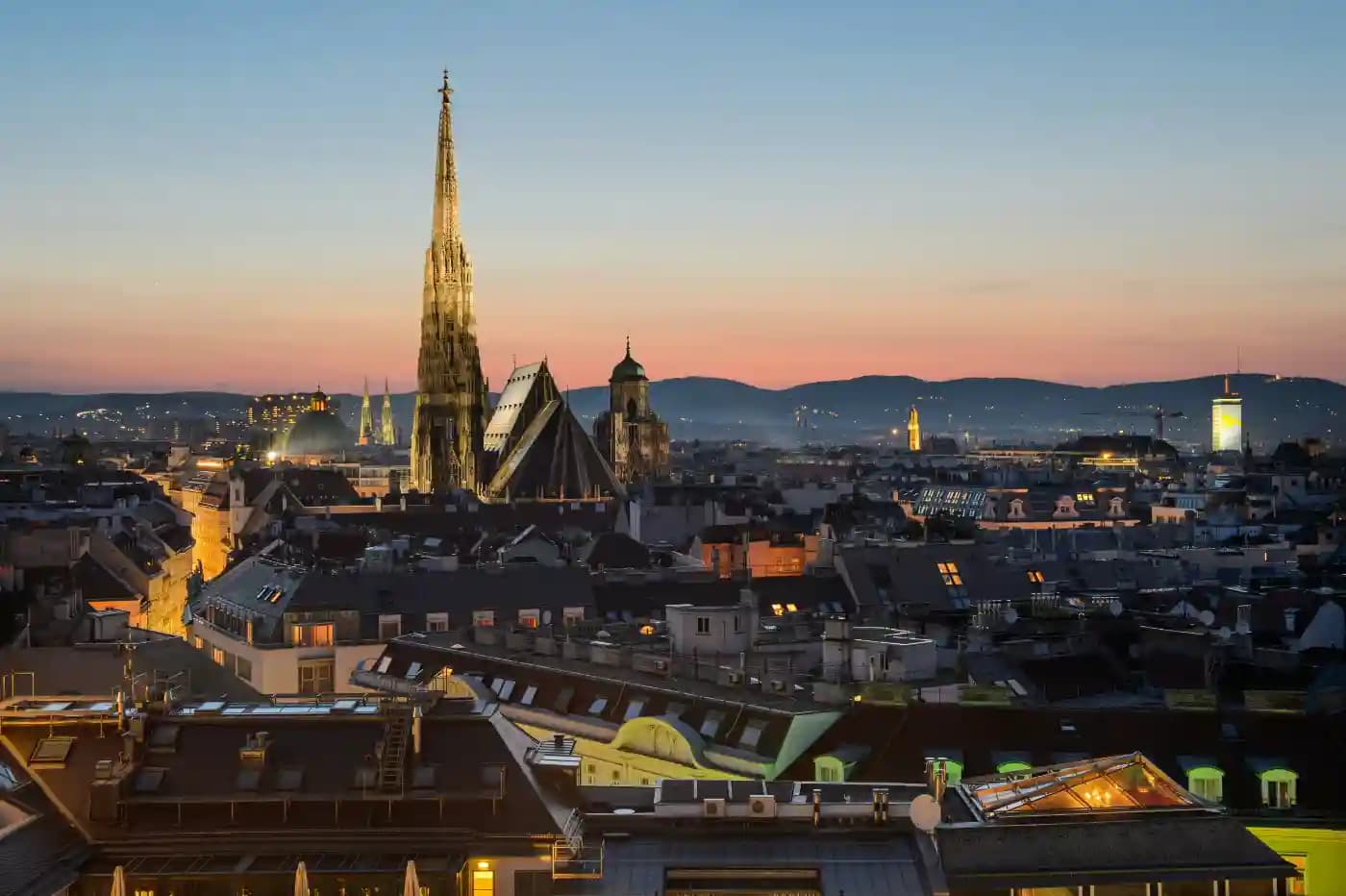
Vienna ran the Habsburg Empire for six centuries and never fell apart. Schönbrunn Palace's 1,441 rooms and gardens absorb a full morning; the Hofburg complex holds the Spanish Riding School and the imperial treasury; the Kunsthistorisches Museum hangs Bruegel and Vermeer beneath a dome that competes with the art. The State Opera performs 300+ nights a year and sells standing tickets shortly before each performance — world-class opera at street-food cost. Viennese coffeehouse culture is UNESCO-listed intangible heritage: order a melange at Café Central or Sperl, take a newspaper, and stay two hours. Nobody will hurry you; hurrying you would be un-Viennese. 02 / Place
Czech Republic — Prague + Český Krumlov
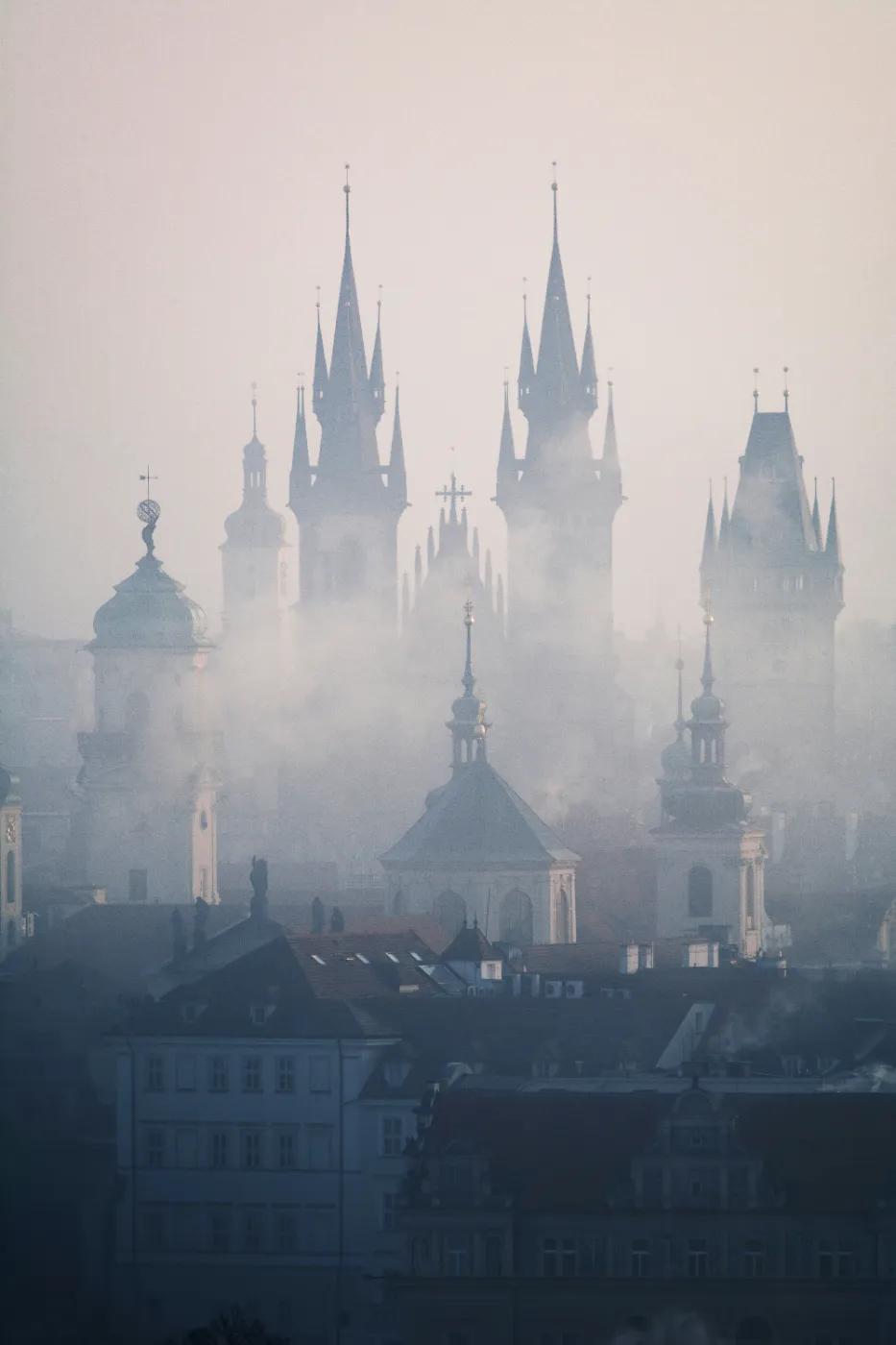
Czech Republic drinks more beer per person than any nation on Earth and invented the pilsner. Prague (1,000-year castle complex, the world's largest ancient castle + 14th-century Charles Bridge + Orloj astronomical clock striking since 1410 + Old Town survived WWII almost untouched). Český Krumlov (UNESCO-listed Bohemian miniature + castle with painted tower + baroque castle theatre, only two in the world surviving with original stage machinery + Vltava rafting through town). Fresh-tank Pilsner Urquell at pivnice — Lokál + U Fleků brewing on-site since 1499. Vignette required for motorways.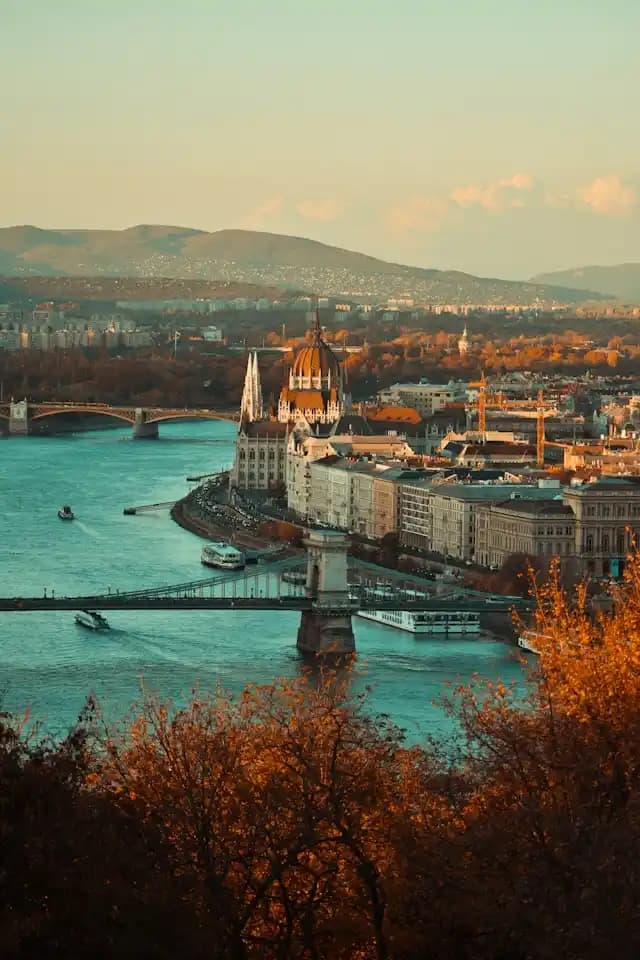 03 / Place
Budapest, Hungary
Budapest is two cities stitched by bridges — hilly Buda with the castle and Fisherman's Bastion, flat Pest with the Parliament, the boulevards and the nightlife. The Parliament building on the Danube is the most photographed government building in Europe, and its riverfront face is best seen from the Buda side at blue hour. The city sits on 120+ thermal springs: Széchenyi's canary-yellow outdoor pools steam at dawn while regulars play chess in the water; Gellért's art-nouveau hall bathes in stained-glass light. At night, the ruin bars of the Jewish Quarter — Szimpla Kert first among them — turn condemned pre-war courtyards into the most original nightlife concept in Europe. 04 / Place
Lake Bled & Ljubljana, Slovenia
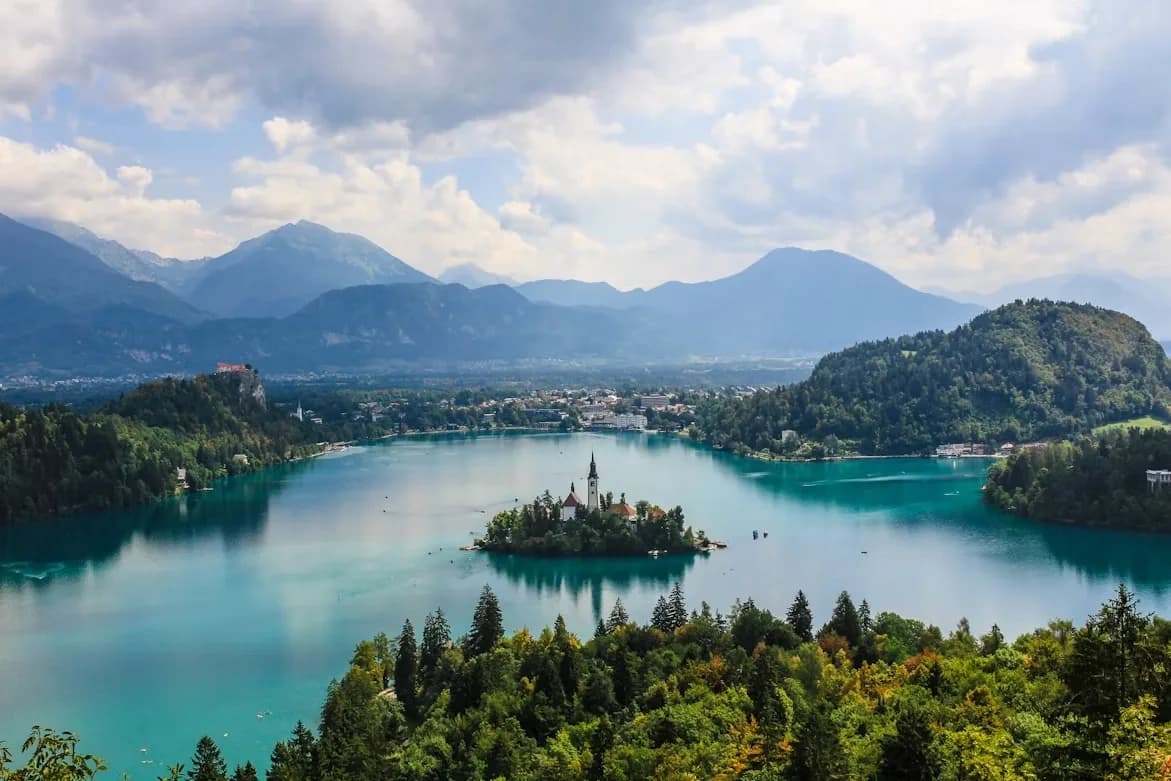
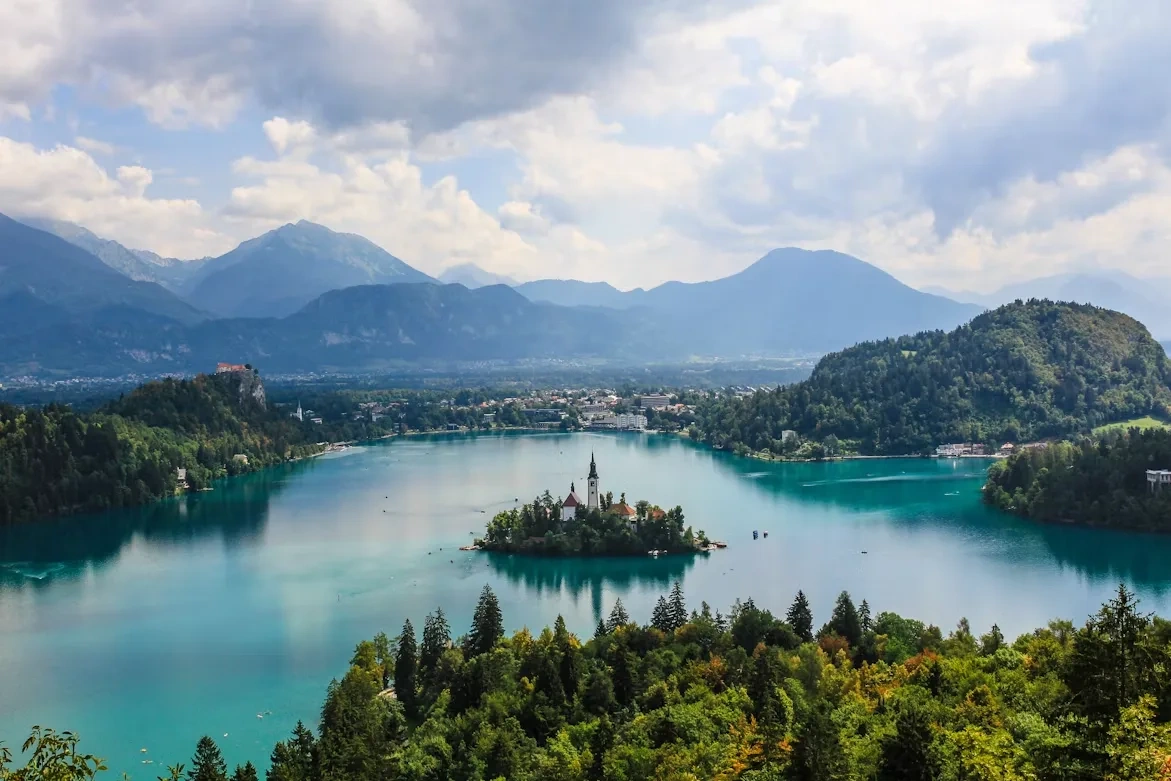
Lake Bled is the image Central Europe puts on its postcards — a teardrop island holding a baroque church, a castle on a 130-metre cliff above, and the Julian Alps behind. Row or take a traditional pletna boat to the island, ring the church bell (legend grants a wish), then walk the 6km lakeshore circuit — the view recomposes itself every 500 metres. Forty minutes away, Ljubljana is Europe's most underrated capital: car-free centre, Plečnik's Triple Bridge, a castle funicular, and riverside cafés that fill every evening with the entire city. Vintgar Gorge, 4km from Bled, runs boardwalks over glacier-blue rapids and belongs on every itinerary.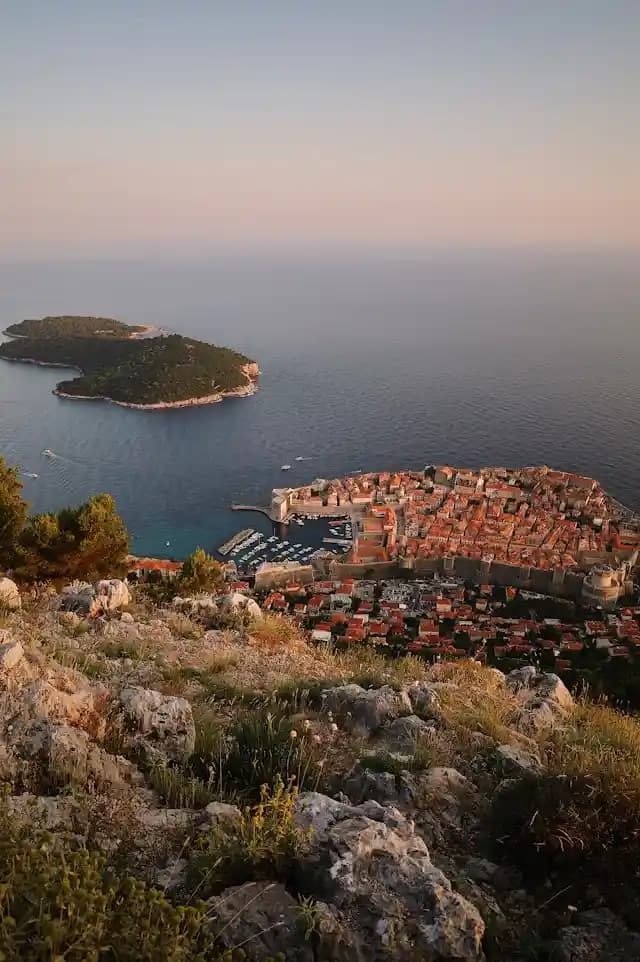 05 / Place
Croatia — Dubrovnik + Split + Plitvice + Dalmatian Islands
Croatia gives Central Europe its Mediterranean finale. Dubrovnik (2km wall circuit, 13th- 17th century, up to 25 metres high + marble-paved Stradun + Mount Srđ cable car + Lokrum island + Game of Thrones King's Landing filming). Split (Diocletian's Roman palace 305 AD living old town + Marjan Hill + ferry hub for Hvar, Brač, Korčula). Plitvice Lakes National Park (16 terraced lakes + waterfalls + UNESCO since 1979 + boardwalks over cascades + Entrance 1 Lower Lakes canyon view). Croatia has no railway — buses and catamarans (Jadrolinija, Krilo).Vienna ran the Habsburg Empire for six centuries and never fell apart. Schönbrunn Palace's 1,441 rooms and gardens absorb a full morning; the Hofburg complex holds the Spanish Riding School and the imperial treasury; the Kunsthistorisches Museum hangs Bruegel and Vermeer beneath a dome that competes with the art. The State Opera performs 300+ nights a year and sells standing tickets shortly before each performance — world-class opera at street-food cost. Viennese coffeehouse culture is UNESCO-listed intangible heritage: order a melange at Café Central or Sperl, take a newspaper, and stay two hours. Nobody will hurry you; hurrying you would be un-Viennese.
Czech Republic drinks more beer per person than any nation on Earth and invented the pilsner. Prague (1,000-year castle complex, the world's largest ancient castle + 14th-century Charles Bridge + Orloj astronomical clock striking since 1410 + Old Town survived WWII almost untouched). Český Krumlov (UNESCO-listed Bohemian miniature + castle with painted tower + baroque castle theatre, only two in the world surviving with original stage machinery + Vltava rafting through town). Fresh-tank Pilsner Urquell at pivnice — Lokál + U Fleků brewing on-site since 1499. Vignette required for motorways.
Budapest is two cities stitched by bridges — hilly Buda with the castle and Fisherman's Bastion, flat Pest with the Parliament, the boulevards and the nightlife. The Parliament building on the Danube is the most photographed government building in Europe, and its riverfront face is best seen from the Buda side at blue hour. The city sits on 120+ thermal springs: Széchenyi's canary-yellow outdoor pools steam at dawn while regulars play chess in the water; Gellért's art-nouveau hall bathes in stained-glass light. At night, the ruin bars of the Jewish Quarter — Szimpla Kert first among them — turn condemned pre-war courtyards into the most original nightlife concept in Europe.
Lake Bled is the image Central Europe puts on its postcards — a teardrop island holding a baroque church, a castle on a 130-metre cliff above, and the Julian Alps behind. Row or take a traditional pletna boat to the island, ring the church bell (legend grants a wish), then walk the 6km lakeshore circuit — the view recomposes itself every 500 metres. Forty minutes away, Ljubljana is Europe's most underrated capital: car-free centre, Plečnik's Triple Bridge, a castle funicular, and riverside cafés that fill every evening with the entire city. Vintgar Gorge, 4km from Bled, runs boardwalks over glacier-blue rapids and belongs on every itinerary.
Croatia gives Central Europe its Mediterranean finale. Dubrovnik (2km wall circuit, 13th- 17th century, up to 25 metres high + marble-paved Stradun + Mount Srđ cable car + Lokrum island + Game of Thrones King's Landing filming). Split (Diocletian's Roman palace 305 AD living old town + Marjan Hill + ferry hub for Hvar, Brač, Korčula). Plitvice Lakes National Park (16 terraced lakes + waterfalls + UNESCO since 1979 + boardwalks over cascades + Entrance 1 Lower Lakes canyon view). Croatia has no railway — buses and catamarans (Jadrolinija, Krilo).
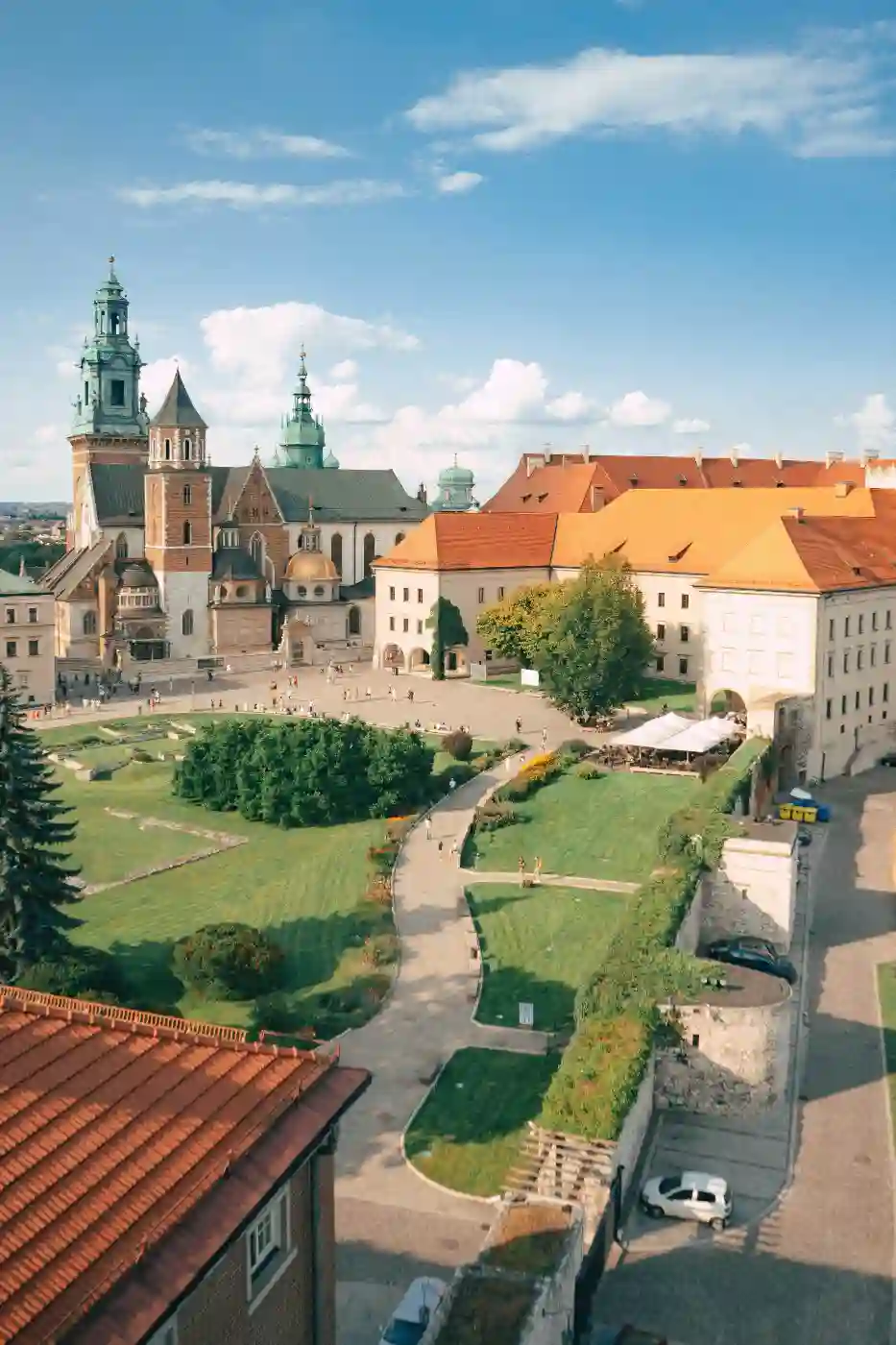
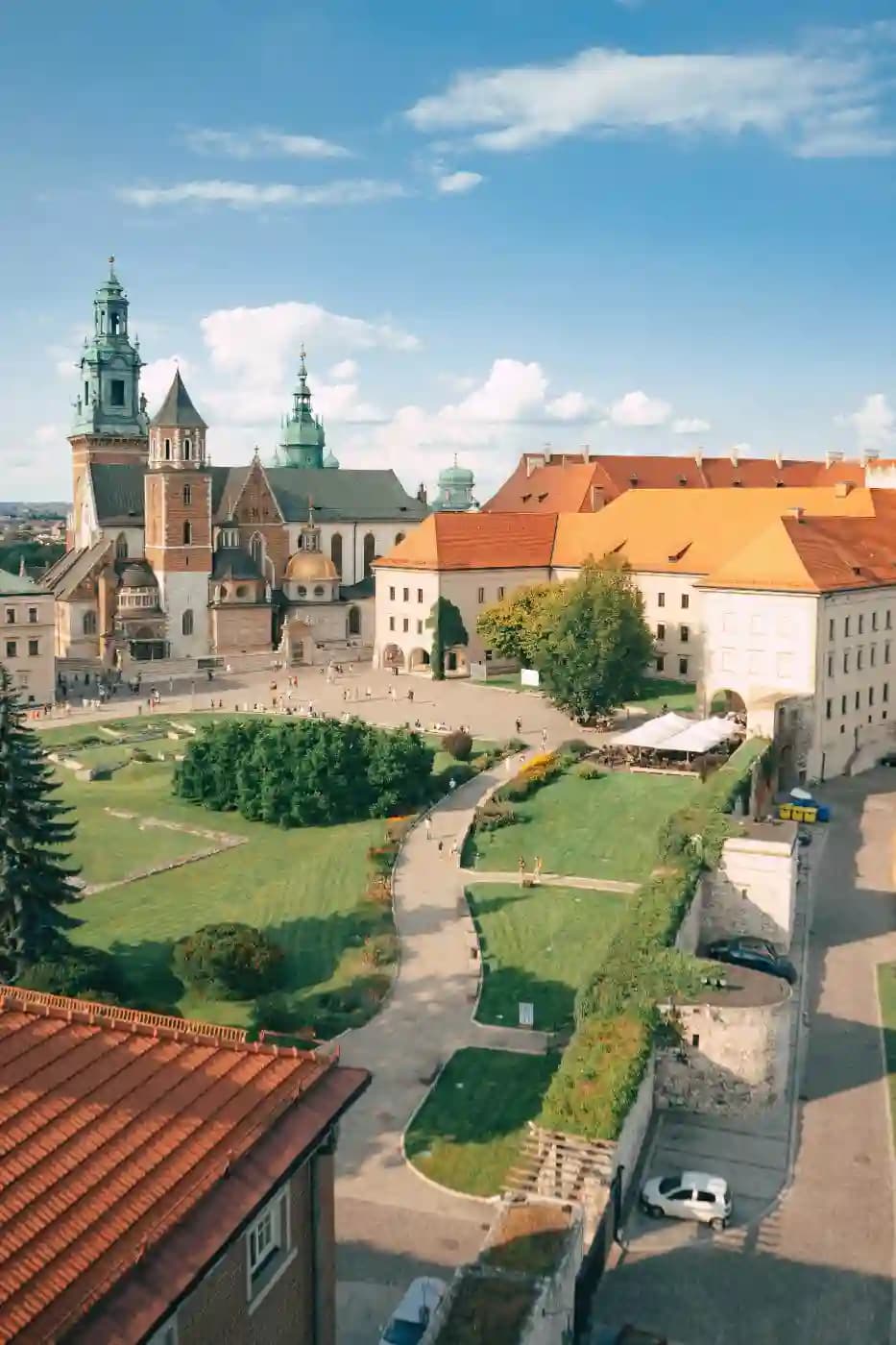
Poland's royal capital for 500 years. Kraków (Rynek Główny, Europe's largest medieval square + Cloth Hall + St. Mary's Basilica, hourly hejnał trumpet + Wawel Castle + Kazimierz Jewish quarter). Two excursions define most visits: Auschwitz-Birkenau (70 minutes away — sobering, essential guided-only experience must be pre-booked) + Wieliczka Salt Mine (miners carved chapels and chandeliers from salt 135 metres underground for 700 years + Chapel of St. Kinga full cathedral hall + one of the original twelve UNESCO World Heritage Sites). Milk bars serve cheap pierogi ruskie. Vignette required for motorways.
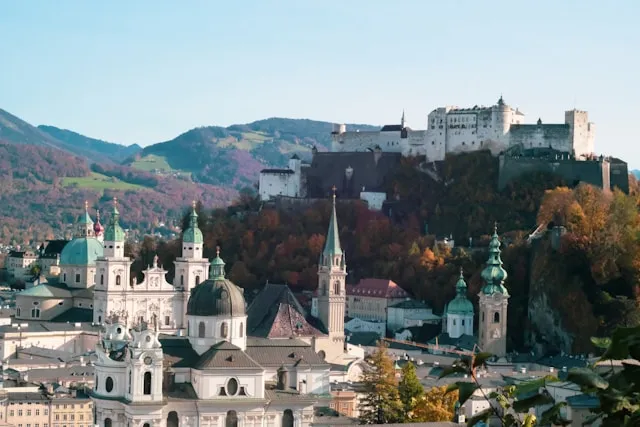
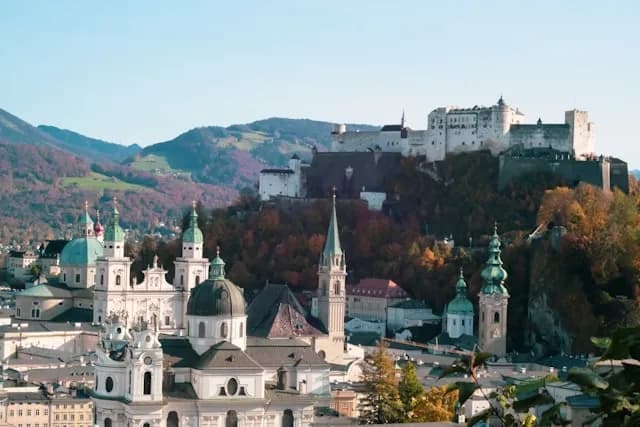
Salzburg packs a baroque old town, the Hohensalzburg fortress (Europe's largest fully preserved medieval castle), Mozart's birthplace and the Mirabell Gardens into a compact riverside centre backed by alpine peaks — with Sound of Music locations threaded throughout for those who grew up on it. Ninety minutes away, Hallstatt is the lake village that launched a million photographs: pastel houses stacked between mountain and mirror-still water, a 7,000-year-old salt mine above (the world's oldest), and a skywalk platform 350 metres over the rooftops. It is genuinely tiny — which is both its magic and its warning.
Best Time to Visit Central Europe
January · Good City/Ski Only. Austrian Alps skiing at peak. Budapest baths in falling snow are extraordinary. Streets cold and quiet.
February · Good City Only. The quietest month at every major site. Severe cold in Poland. Cheap city breaks only.
March · Good Spring arriving in Croatia and Slovenia first. Easter markets in Vienna and Prague.
April · Best Prague and Kraków old towns in blossom. Pre-season Adriatic. Crowds still light everywhere.
May · Best Aniket Rawat's #1 recommendation — every country at its best simultaneously: alpine lakes thawed, coast warm, cities uncrowded.
June · Good Long days, Bled swimmable, Plitvice at full flow. Crowds building on the Croatian coast.
July · Avoid With Caution. Dubrovnik and Prague at maximum density. Book 3 months ahead. Inland cities hot.
August · Avoid With Caution. Sziget Festival fills Budapest; cruise ships triple Dubrovnik's old town population by 10am.
September · Best The connoisseur's month — warm Adriatic, wine harvest in Hungary and Austria, crowds down 40%.
October · Good Autumn colour in Prague, Kraków and the Julian Alps. Plitvice's forests turn gold.
November · Good Shoulder. Grey and quiet — until late November, when Christmas markets open in Vienna and Kraków.
December · Good Vienna, Prague, Budapest and Kraków host Europe's most atmospheric Christmas markets. Book early.
Central Europe experiencesTop Things to Do in Central Europe
Standing Tickets at the Vienna State Opera — Austria
The Vienna State Opera performs over 300 nights a year, and its standing-room sections put you inside one of the world's three great opera houses for the price of a coffee and cake. The Staatsoper's gilded horseshoe auditorium, the orchestra rising from the pit, and an audience that still dresses for the occasion — this is the classical music capital doing what it has done since 1869, and the standing rail has the best acoustics in the house.
Insider tip
Standing tickets go on sale online 10am on performance day — book in the first minutes and bring a scarf to tie on the rail to claim your spot, the local custom.
Széchenyi Thermal Baths at Dawn — Budapest
Europe's largest medicinal bath complex — 18 pools fed by two thermal springs — is at its most cinematic at opening hour, when steam rises off the canary-yellow outdoor pools into cold morning air, and Budapest's famous chess players set up their boards in the water. This is not a tourist performance; Hungarians have taken the waters for 500 years, and the Ottoman-era bath culture survives here more completely than anywhere else in Europe.
Insider tip
Go at 7 am opening on a weekday — you'll share the big pool with regulars, not crowds, and winter visits (steam + snowfall) beat summer ones.
Prague Castle Grounds at 6:45am — Czech Republic
The world's largest ancient castle complex opens its courtyards hours before the paid interiors — and at 6:45 am, St. Vitus Cathedral's Gothic mass rises out of morning mist above a nearly empty hilltop, with the whole red-roofed city below. By 10 am, the same courtyards hold thousands. The walk down through Malá Strana's waking streets to a Charles Bridge still free of crowds completes the best two free hours in Central Europe.
Insider tip
Enter via the quieter eastern gate near Malostranská metro and exit down the Old Castle Stairs — you'll walk the entire complex against the tour-group flow.
A Czech Pivnice Evening — Prague
The Czech Republic drinks more beer per person than any nation on Earth and invented the pilsner that the rest of the world copies. A traditional pivnice — Lokál for fresh-tank Pilsner Urquell, U Fleků brewing on-site since 1499 — serves unpasteurised čepované pivo with a thick wet foam that simply does not exist outside the country, alongside svíčková and goulash with dumplings. The waiter keeps bringing beer until you say stop; that is the system, not a scam.
Insider tip
Order "mlíko" (milk pour — all soft foam) as your last glass; it's the traditional Czech way to end the evening and most tourists never learn it exists.
Descend the Wieliczka Salt Mine — Kraków, Poland
For 700 years, miners pulled salt from beneath Kraków — and on the way, carved chapels, chandeliers and life-size sculptures entirely from rock salt. The Chapel of St. Kinga, 101 metres underground, is a full cathedral hall where even the chandelier crystals are salt, and the 3km tourist route descends 800 wooden stairs through lakes and chambers to 135 metres. It is one of the original twelve UNESCO World Heritage Sites, and it earns the billing.
Insider tip
Book the first English tour of the morning — the golden staircase and St. Kinga's Chapel photograph best before the day's groups stack up behind you.
Pletna Boat to Bled Island — Slovenia
The pletna — a flat-bottomed wooden boat rowed standing, by oarsmen whose families have held the licence for generations — is Lake Bled's 400-year-old answer to the gondola. It glides you to the island church, where you climb 99 stone steps (grooms traditionally carry brides up all of them) and ring the wishing bell. From the water, the castle on its cliff and the Julian Alps arrange themselves into the exact postcard you came for.
Insider tip
Skip the pletna queue by renting a rowboat from the Mlino shore instead — same island, half the cost, and you can circle it at your own pace.
Walk Dubrovnik's Walls at First Entry — Croatia
The 2km wall circuit above Dubrovnik's old town is the finest urban walk in Europe — terracotta roofs and church domes inside, open Adriatic and Lokrum island outside, and the Minčeta fortress panorama at the top of the loop. At first morning entry, the circuit belongs to a few dozen people and the marble streets below are still washed and empty; by midday in season, it is a single-file procession in full sun with no shade.
Insider tip
Walk counter-clockwise from the Pile Gate entrance — you'll clear the steepest climb (Minčeta) first and keep the sea views ahead of you the whole way.
Plitvice Lakes National Park, Croatia
Sixteen lakes stepping down through forest, each pouring into the next over barriers of living travertine, with boardwalks running directly over the cascades — Plitvice at 7–8 am is mist, birdsong and water so blue it looks unreal. The Lower Lakes canyon, ten minutes from Entrance 1, delivers the park's iconic overlook — Veliki Slap, the great waterfall, thundering beneath limestone cliffs.
Insider tip
Book the earliest timed slot at Entrance 1, walk route B in reverse to beat the flow, and you'll have the famous overlook to yourself for photographs.
Hallstatt Before the Coaches — Austria
The world's most photographed lake village earns its reputation in exactly two windows: before 9 am and after 6 pm, when the day-trip coaches are gone, and Hallstatt returns to what it is — a 16th-century salt village of pastel facades doubled in still water, swans included. The classic viewpoint sits five minutes north of the centre; the funicular to the skywalk platform adds the 350-metre aerial angle and the world's oldest salt mine behind it.
Insider tip
Stay overnight in Hallstatt or across the lake in Obertraun — the sunrise ferry crossing toward the village is the best photograph in Austria and costs almost nothing.
Ruin Bars of the Jewish Quarter — Budapest
In the early 2000s, Budapest's abandoned pre-war courtyards began filling with mismatched furniture, projector art and bars — and the ruin bar (romkocsma) was born. Szimpla Kert, the original, is a labyrinth of rooms where a Trabant car serves as seating and every wall is a decade of graffiti; a dozen others spread through District VII. It is the most original nightlife concept in Europe and, before the drinking hours, a daytime café and Sunday farmers' market.
Insider tip
Visit Szimpla on Sunday morning for the farmers' market — you'll see the famous interior in daylight, uncrowded, with local cheese and honey stalls instead of queues.
Itineraries for Central Europe
See how each trip is paced, from arrival to departure. These are sample day-by-day plans; we tailor the dates and details.
7-Day Imperial Triangle — Prague + Vienna + Budapest
- Day 1Prague arrivalOld Town Square, Orloj astronomical clock, Charles Bridge, Malá Strana lanes, Pivnice dinner — Lokál or U Fleků.
Advice
Prague's Old Town survived WWII intact. Avoid eating on Old Town Square — walk two streets away for local prices. - Day 2PragueCastle grounds at 6:45am, St. Vitus interiors at 9am, Petřín Hill, Lesser Town, Vltava riverside at dusk, Old Town by night.
Advice
The world's largest ancient castle complex opens courtyards free before paid interiors — 6:45am arrival gives St. Vitus in near-empty morning mist. - Day 3Prague → ViennaRailjet/RegioJet to Vienna (4 hrs), Hofburg quarter, Stephansdom, Graben walk, State Opera standing ticket (book 10am online).
Advice
State Opera standing tickets go on sale online 10am on performance day — book in the first minutes and bring a scarf to tie on the rail to claim your spot, the local custom. - Day 4ViennaSchönbrunn Palace at opening + gardens, Kunsthistorisches Museum, Naschmarkt, Coffeehouse evening — Café Central/Sperl.
Advice
Schönbrunn's 1,441 rooms and gardens absorb a full morning. Viennese coffeehouse culture is UNESCO-listed intangible heritage — order a melange, take a newspaper, stay two hours. - Day 5Vienna → BudapestRailjet to Budapest (2.5 hrs), Buda Castle, Fisherman's Bastion late afternoon, Danube banks, Parliament lit from Buda side.
Advice
Crossing to the Buda bank at dusk to watch the Parliament ignite across the Danube costs nothing and outperforms every paid river cruise. - Day 6BudapestSzéchenyi Baths at 7am opening, Parliament tour (pre-book), Andrássy Avenue, Ruin bars — Szimpla Kert, Jewish Quarter dinner.
Advice
Szechenyi at 7am opening on a weekday — you'll share the big pool with regulars, not crowds, and winter visits (steam + snowfall) beat summer ones. - Day 7DepartureFisherman's Bastion at sunrise (free before 9am), Great Market Hall, departure from BUD.
Advice
The Fisherman's Bastion terraces are open and free before 9am — sunrise over the Parliament from the Bastion is the single best free view in Central Europe.
10-Day Central Europe Classic — Kraków + Prague + Vienna + Budapest + Ljubljana/Bled
- Day 1Kraków arrivalRynek Główny, Cloth Hall, St. Mary's hejnał, Wawel Castle + riverside, Kazimierz quarter dinner.
Advice
The Rynek Główny is Europe's largest medieval square. St. Mary's trumpeter plays the hourly hejnał that cuts off mid-note — as it has since a Mongol arrow stopped the original. - Day 2KrakówAuschwitz-Birkenau memorial (pre-booked, guided), return, quiet afternoon, old town evening walk.
Advice
Entry slots sell out weeks ahead, the visit runs 3.5+ hours with mandatory guides in season, and rushing it disrespects both the site and yourself. Book the official memorial website slot before your flights. - Day 3Kraków → PragueWieliczka Salt Mine first tour, direct train/bus to Prague, Old Town at night.
Advice
Book the first English tour of the morning — the golden staircase and St. Kinga's Chapel photograph best before the day's groups stack up behind you. - Day 4PragueCastle grounds at dawn, interiors 9am, Charles Bridge, Malá Strana, Petřín, Pivnice evening.
Advice
Enter via the quieter eastern gate near Malostranská metro and exit down the Old Castle Stairs — you'll walk the entire complex against the tour-group flow. - Day 5Prague → ViennaTrain to Vienna (4 hrs), Hofburg, Stephansdom, State Opera standing ticket.
Advice
Standing tickets go on sale online 10am on performance day. Bring a scarf to tie on the rail to claim your spot. - Day 6ViennaSchönbrunn at opening, Belvedere (Klimt's Kiss), Naschmarkt, Coffeehouse + Ringstrasse tram loop.
Advice
Kunsthistorisches hangs Bruegel and Vermeer beneath a dome that competes with the art. Belvedere holds Klimt's The Kiss. - Day 7Vienna → BudapestRailjet (2.5 hrs), Buda Castle, Fisherman's Bastion, Matthias Church, Danube blue hour from Buda bank.
Advice
The Buda-side blue hour: crossing to the Buda bank at dusk to watch the Parliament ignite across the Danube — bring the tripod, skip the boat. - Day 8BudapestSzéchenyi Baths at 7am, Parliament tour, Great Market Hall, Szimpla Kert + District VII.
Advice
Visit Szimpla on Sunday morning for the farmers' market — you'll see the famous interior in daylight, uncrowded, with local cheese and honey stalls instead of queues. - Day 9Budapest → LjubljanaMorning train/FlixBus to Ljubljana, old town, Triple Bridge, castle funicular, riverside café dinner.
Advice
Ljubljana is Europe's most underrated capital: car-free centre, Plečnik's Triple Bridge, a castle funicular, and riverside cafés that fill every evening with the entire city. - Day 10Lake Bled + departureBled at dawn — lakeshore walk + pletna/rowboat, Vintgar Gorge boardwalks, return Ljubljana, departure.
Advice
Skip the pletna queue by renting a rowboat from the Mlino shore instead — same island, half the cost, and you can circle it at your own pace.
15-Day Grand Circuit — All Six Countries (Poland to Croatia)
- Day 1KrakówRynek Główny, Cloth Hall, Wawel Castle, Kazimierz dinner.
Advice
Same as 10-Day Days 1-2 approach — Poland is the region's most underrated stop. - Day 2KrakówAuschwitz-Birkenau (pre-booked), return, Planty park loop, old town evening.
Advice
Book Auschwitz slot before your flights. It is the most important excursion in Central Europe and cannot be improvised. - Day 3Kraków → PragueWieliczka Salt Mine early tour, train to Prague, riverside at dusk.
Advice
One of the original twelve UNESCO World Heritage Sites — 700 years of miners carving chapels, chandeliers and sculptures from rock salt. - Day 4PragueCastle at dawn, St. Vitus, Charles Bridge, Malá Strana, Pivnice — mlíko pour to finish.
Advice
Order 'mlíko' (milk pour — all soft foam) as your last glass; it's the traditional Czech way to end the evening and most tourists never learn it exists. - Day 5Český KrumlovShuttle/bus (3 hrs), painted tower panorama, castle gardens, riverside lanes, overnight Krumlov — floodlit castle.
Advice
Krumlov's lanes empty completely by evening — an overnight stay buys you a floodlit castle, silent cobbles and the town as it actually lives. - Day 6ViennaBus/train via Linz to Vienna, Hofburg quarter, Stephansdom, State Opera standing ticket.
Advice
State Opera performs 300+ nights a year. Standing rail has the best acoustics in the house. - Day 7ViennaSchönbrunn at opening, Kunsthistorisches or Belvedere, Coffeehouse evening.
Advice
Viennese coffeehouse culture is UNESCO-listed intangible heritage — nobody will hurry you; hurrying you would be un-Viennese. - Day 8Salzburg + HallstattRailjet to Salzburg, old town + fortress, drive/train to Hallstatt, overnight Hallstatt — village after the coaches.
Advice
Stay overnight in Hallstatt or across the lake in Obertraun — the sunrise ferry crossing toward the village is the best photograph in Austria and costs almost nothing. - Day 9Hallstatt → BudapestSunrise ferry photo, salt mine or skywalk, train to Budapest (via Vienna), Danube banks at night.
Advice
Hallstatt salt mine is the world's oldest at 7,000 years. Skywalk platform 350 metres over rooftops. - Day 10BudapestSzéchenyi Baths 7am, Parliament tour, Buda Castle, Fisherman's Bastion, ruin bars.
Advice
18 pools fed by two thermal springs at Széchenyi. Hungarians have taken the waters for 500 years, and the Ottoman-era bath culture survives here more completely than anywhere else in Europe. - Day 11LjubljanaMorning train/bus to Ljubljana, old town, castle, Triple Bridge, riverside dinner.
Advice
Car-free centre. Plečnik's Triple Bridge. Castle funicular. - Day 12Lake BledBled dawn, pletna/rowboat to island, Vintgar Gorge, lakeshore circuit, overnight Bled.
Advice
Bled at dawn — mist on the water, the island floating in it, nobody on the shore path — is the entire point. Stay one night minimum. - Day 13Plitvice LakesEarly drive/bus into Croatia, Plitvice timed entry — full circuit, overnight near park or Zadar.
Advice
Book the earliest timed slot at Entrance 1, walk route B in reverse to beat the flow, and you'll have the famous overlook to yourself for photographs. - Day 14SplitMorning bus to Split, Diocletian's Palace, Marjan Hill viewpoint, Riva promenade, palace lanes after dark.
Advice
The palace rewards slow wandering at 7am and again after 9pm when day-trippers leave. Diocletian built his retirement palace here in 305 AD. - Day 15Dubrovnik + departureCoastal bus/catamaran to Dubrovnik, walls at first entry, Stradun, Mount Srđ cable car sunset (time permitting), departure from DBV.
Advice
Walk counter-clockwise from the Pile Gate entrance — you'll clear the steepest climb (Minčeta) first and keep the sea views ahead of you the whole way.
Where to Stay in Central Europe
Prague (Old Town, Malá Strana — medieval capital)
Vienna (Imperial center, State Opera adjacent)
Budapest (Pest + District VII ruin bars)
Kraków (Rynek Główny + Kazimierz quarter)
Ljubljana (Car-free centre + Triple Bridge)
Lake Bled (Alpine lakeshore, church island view)
Salzburg + Hallstatt (Alpine lake village overnights)
Zagreb (Croatia capital, Plitvice springboard)
Split (Diocletian's Palace, Riva + ferry hub)
Dubrovnik (Old Town within walls, Adriatic finale)
Travel Costs for Central Europe
Budget
INR 4,500-8,000/dayMoney-saving travel- Stay
- Hostel dorm / budget hotel INR 2,000-4,500/night. FlixBus + advance 2nd-class rail + tram passes. Central Europe is where a genuine budget trip stays comfortable.
- Food
- Milk bars (Poland), pivnice meals, market halls INR 800-1,800. Kraków, Budapest and Prague anchor the world's best-value heritage circuit.
- Getting around
- FlixBus + advance 2nd-class rail + tram passes
Mid-range
INR 9,000-16,000/dayComfortable everyday travel- Stay
- 3-star hotel or design guesthouse INR 5,000-9,000/night. Point-to-point rail (RegioJet/Railjet) + city passes.
- Food
- 2 restaurant meals/day INR 2,500-4,500. The sweet spot: this tier buys 4-star comfort in Prague, Budapest and Kraków that would cost double in Western Europe.
- Getting around
- Point-to-point rail (RegioJet/Railjet) + city passes
PREMIUM
INR 18,000-32,000/dayper person, per day- Stay
- 4-star / boutique heritage hotel INR 10,000-20,000/night. 1st-class rail + private day transfers (Plitvice, Hallstatt).
- Food
- Fine dining + wine INR 5,000-10,000. Opera boxes in Vienna, caldera-grade lake rooms at Bled, wall-view suites in Dubrovnik shoulder season.
- Getting around
- 1st-class rail + private day transfers (Plitvice, Hallstatt)
Luxury
INR 40,000-90,000+/dayPremium comfort- Stay
- 5-star palace hotel INR 30,000-70,000+/night. Chauffeured circuit, private Adriatic boat days.
- Food
- Michelin dining + private tastings INR 15,000-35,000. Hotel Sacher, Four Seasons Gresham Palace Budapest, Villa Dubrovnik — Central Europe's luxury still undercuts Paris/London equivalents.
- Getting around
- Chauffeured circuit, private Adriatic boat days
How to Get to Central Europe & Get Around
How to reach Central Europe and how to get around once you are there: the routes, how long they take and what they cost.
Plan your route ↗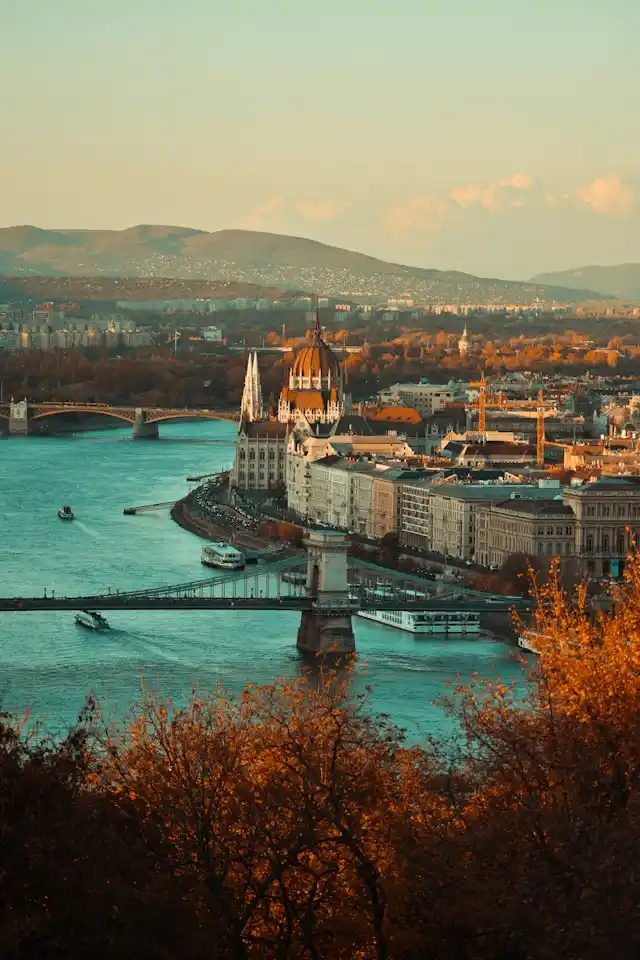 10 ways to travel
By Air — Vienna (VIE) Direct via Austrian Airlines
By Air — Warsaw (WAW) Direct via LOT
By Air — Prague / Budapest / Zagreb via Gulf and European Hubs
By Air — Open-Jaw Strategy
By Rail — ÖBB Railjet + RegioJet
By Coach — FlixBus
By Ferry — Jadrolinija + Krilo (Adriatic)
Getting Around — Point-to-Point Rail + Eurail
Getting Around — City Transport Passes
Getting Around — Rental Car (Vignette Required)
Central Europe Travel Tips
Three of the six countries do not use the euro — Czech Republic (koruna), Hungary (forint) and Poland (złoty); when any card machine or ATM offers to charge you "in INR" or "in EUR" (dynamic currency conversion), always decline and choose the local currency — the machine's conversion rate is engineered against you every single time.
Avoid the freestanding blue Euronet ATMs that blanket tourist zones in all six countries — their rates and fees are the region's worst; withdraw from bank-attached ATMs (Česká spořitelna, OTP, PKO, Erste) with a zero-forex Indian card and carry a small cash float per currency for market halls and tram-ticket machines.
Central Europe is among the safest regions on the continent — the real risks are pickpockets working Charles Bridge, Budapest's tram 4/6 and Kraków's main square in summer crowds; wear bags in front in these three specific zones and the problem essentially disappears.
Plitvice's boardwalks have no railings and the travertine edges are slick when wet — wear grip-soled shoes, keep children on the inside, and in Alpine areas (Bled, Hallstatt, Vršič Pass) check weather before hikes, as mountain storms build fast even in summer.
Greet before transacting — "Dobrý den" (Czech), "Jó napot" (Hungarian), "Dzień dobry" (Polish), "Grüss Gott" (Austria) — shopkeepers across the region consider a greeting-free interaction rude, and service warms instantly when you offer one.
Thermal bath protocol in Budapest: shower before entering pools, swim caps are mandatory only in lap-swimming pools, and the chess players' pool corner at Széchenyi is effectively reserved territory — watch, smile, but don't splash through a game in progress.
Taxi overcharging is the region's classic — in Prague and Budapest never hail from the street or a rank outside stations; use Bolt or Uber (both operate region-wide at fixed app prices), or Budapest's official Főtaxi from the airport's designated stand only.
The "friendship" petition clipboards and bracelet tiers around Charles Bridge, Vienna's Stephansplatz and Kraków's Rynek — any stranger initiating physical contact or a signature in these zones is running a distraction routine; the pickpocket is the person you don't see. Keep walking.
"Skip-the-line" sellers outside Schönbrunn, Prague Castle and Auschwitz — all three run timed official tickets online only; gate sellers are reselling at markup or selling slots that fail at the scanner. Book only on the official sites.
What is worth it,
and what to avoid.
Last reviewed 2026-07-24.
- One Schengen Visa for All Six CountriesAustria, Czech Republic, Hungary, Slovenia, Croatia and Poland sit inside a single Type-C application — no other six-country circuit on Earth clears immigration once and never sees a border again.
- Open-Jaw Flights: Into Kraków/Prague, Out of DubrovnikThe circuit runs naturally north to south; flying out of the Adriatic end saves a full travel day and a hotel night versus backtracking, and turns the whole route into a straight line.
- An Overnight in Hallstatt and in Český KrumlovBoth villages are day-trip clichés and overnight revelations — after 6pm the coaches vanish and you have floodlit castles and silent lakefronts nearly to yourself.
- Vienna State Opera Standing TicketsWorld-class opera in a gilded imperial house for pocket change — the single best culture-per-cost ratio in Europe. Book online at 10am on performance day.
- Pre-Booked Auschwitz-Birkenau SlotThe most important excursion in Central Europe sells out weeks ahead and cannot be improvised. Booking it first — before flights if needed — protects the visit from becoming a rushed afterthought.
- May and September Travel WindowsEvery one of the six countries peaks simultaneously in these months — warm Adriatic, thawed alpine lakes, uncrowded old towns, and shoulder-season rates across the board.
- The Buda-Side Blue HourCrossing to the Buda bank at dusk to watch the Parliament ignite across the Danube costs nothing and outperforms every paid river cruise — bring the tripod, skip the boat.
- First-Entry Slots at Plitvice and Dubrovnik's WallsBoth experiences transform completely based on when you arrive. The earliest ticket at each is the same price as the midday one and delivers a private version of two of Europe's most crowded wonders.
- Eating on Prague's Old Town Square or Dubrovnik's StradunThe two most beautiful squares in the region host the region's most cynical restaurants. Two streets away in either city, the food improves and the bill halves.
- Assuming the Euro works everywhereCzech Republic, Hungary and Poland kept their own currencies — quoting or accepting street prices 'in euros' in Prague or Budapest almost always embeds a terrible exchange rate. Pay in koruna, forint and złoty.
- The costumed 'Mozart concert' sellers in ViennaCompetent, generic, tourist-priced. The actual State Opera's standing tickets or a Musikverein seat cost similar or less and deliver the real thing in the real halls.
- Danube dinner cruises as the Budapest highlightThe food is banquet-grade and the windows fog. The identical skyline is free from the Buda embankment or the Liberty Bridge at blue hour — spend the difference at a proper Hungarian restaurant.
- Day-tripping Lake Bled, Hallstatt and Český Krumlov in single afternoonsThe three most photogenic small places in Central Europe are at their worst precisely when day trips deliver you (11am-4pm). Each rewards one overnight more than any second day in a capital.
- Skipping Poland to 'save time'Kraków is the region's most underrated city — the largest medieval square in Europe, Wawel, Kazimierz, and the two most significant excursions on the continent — at the circuit's lowest prices. Cutting it is the most common itinerary regret I hear.
- Driving the Croatian coast in July-August without booked parkingDubrovnik and Split old towns are pedestrian; summer parking is scarce and enforcement is real. Use the coastal buses and catamarans — faster, cheaper, and the sea views come free.
- Prague's '0% commission' exchange officesThe commission is zero because the rate is the trick. Use bank ATMs (never the freestanding blue Euronet machines, region-wide) with a zero-forex card and decline every machine's offer to charge in INR.
Multi-Country Europe Trip?
Book Prague, Vienna & Budapest Combo Deals with Transfers
Request Europe Quote ↗Central Europe FAQ
Visas, costs, safety and the practical questions travellers ask us most.
Do I need separate visas for Austria, Czech Republic, Hungary, Slovenia, Croatia and Poland?
What is the total Central Europe trip cost from India for 10 days?
What is the best route order for a Central Europe circuit?
Is Central Europe good for a first international trip from India?
What is the best time to visit Central Europe from India?
Is Central Europe vegetarian-friendly for Indian travellers?
Can I do this circuit by train only, without flights or a car?
How many days does the full six-country circuit need?


Have a Central Europe trip
in mind?
Choose a package, or tell us the dates, hotels and experiences you want. We check the details and send you a clear quote. Pay in BTC, ETH, USDT, USDC and 90+ other coins, with other methods confirmed on request.